Winter in Northeast Ohio isn’t just cold—it’s unpredictable. One week temperatures drop below freezing, the next they spike into the 40s, and then plunge again overnight. These constant
freeze-thaw cycles are one of the most common—and most overlooked—causes of water damage in homes throughout
Hudson,
Aurora,
Chagrin Falls,
Twinsburg,
Macedonia, and surrounding communities.
Understanding how freeze-thaw cycles work—and why they’re so destructive—can help homeowners spot problems early and avoid costly repairs.
What Is a Freeze-Thaw Cycle?
A freeze-thaw cycle happens when temperatures repeatedly rise above and fall below 32°F. During the day, snow and ice melt. At night, that water refreezes. This expansion and contraction puts stress on roofing materials, siding, foundations, and plumbing systems.
In Northeast Ohio, it’s common to experience
dozens of freeze-thaw cycles each winter, especially during late December through early March.
How Freeze-Thaw Cycles Lead to Water Damage
Small Openings Become Big Problems
Water has a unique ability to find tiny gaps—cracks in mortar, small separations in siding, hairline fractures in foundations, or minor roof defects. When water enters these spaces and freezes, it expands by nearly 9%. That expansion widens the opening. When temperatures rise again, more water enters, repeating the process.
Over time, what started as a barely noticeable crack can turn into a major pathway for water intrusion.
Roof Damage and Ice Dams
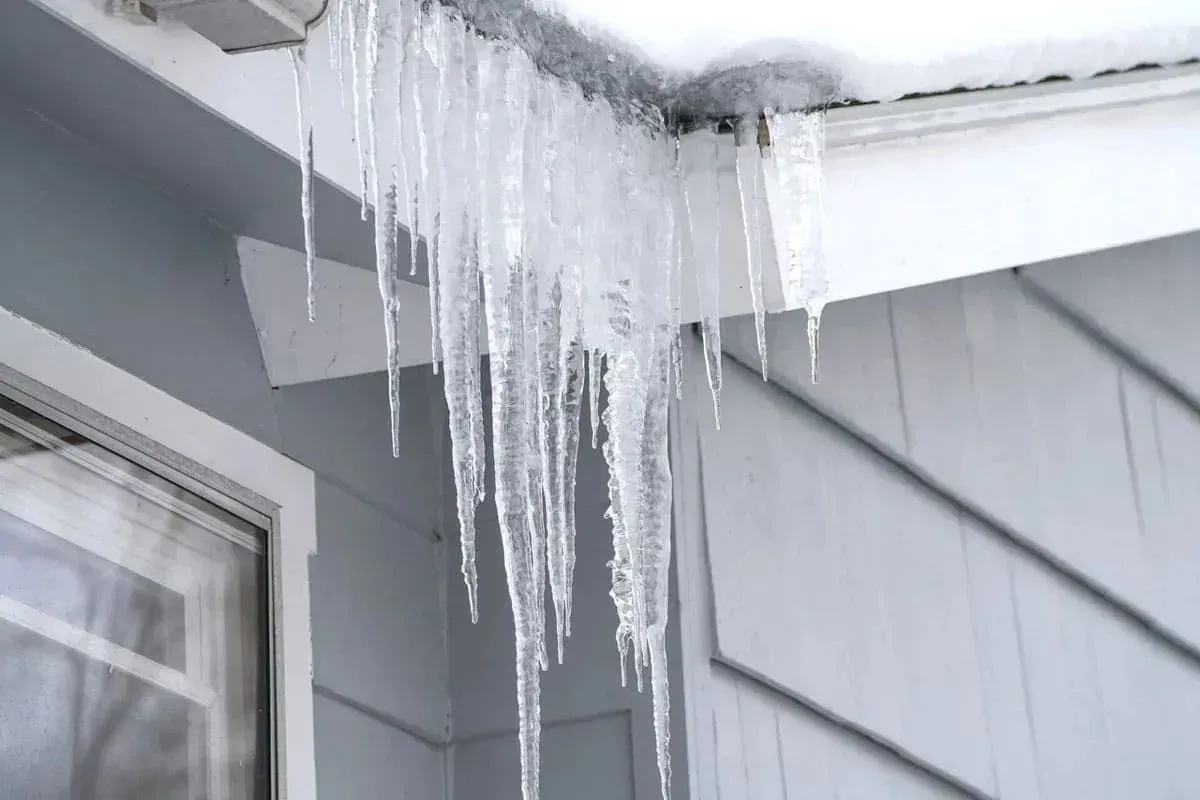
One of the most common winter water damage issues in Northeast Ohio homes is
ice dams. Ice dams form when snow melts on warmer sections of a roof and refreezes at the colder eaves.
As ice builds up, melting snow has nowhere to go and is forced underneath shingles and flashing. This can lead to:
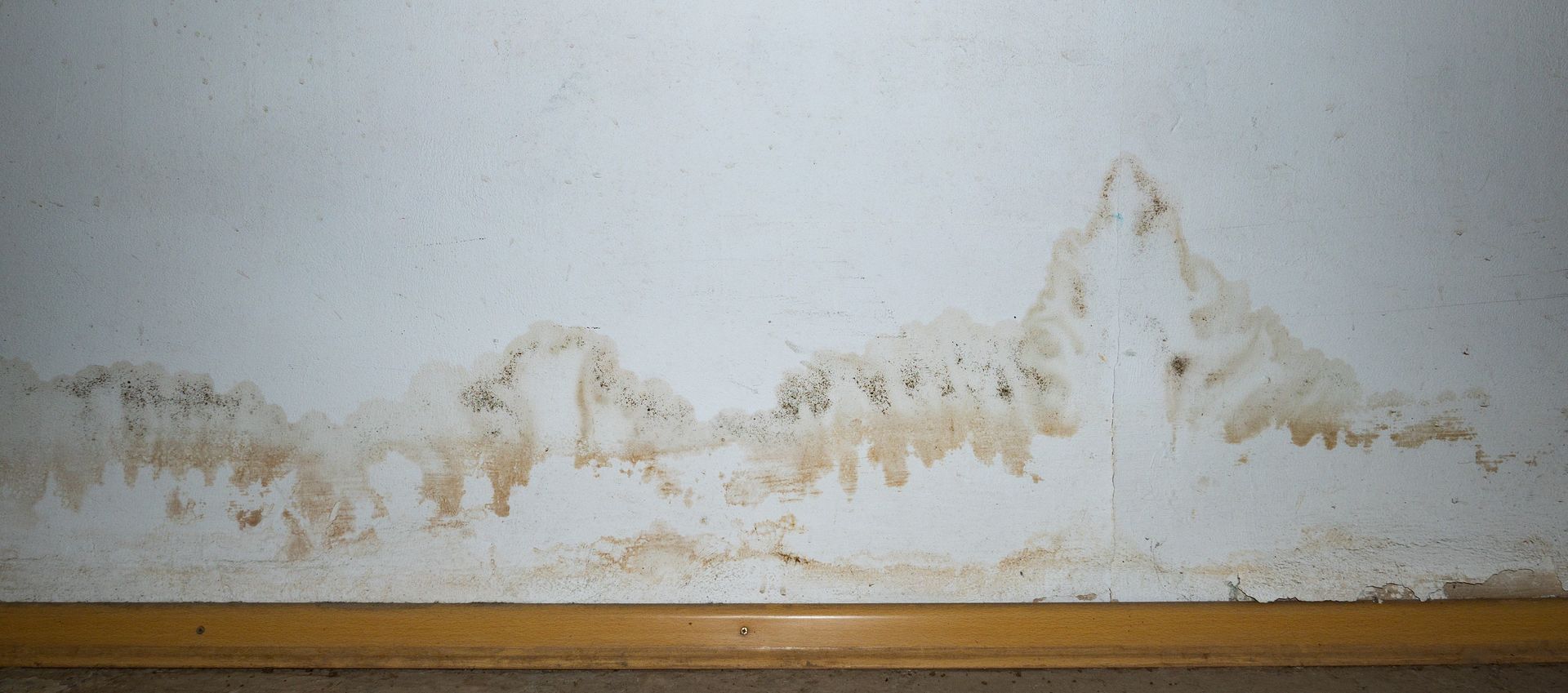
- Water stains on ceilings and walls
- Wet insulation in attics
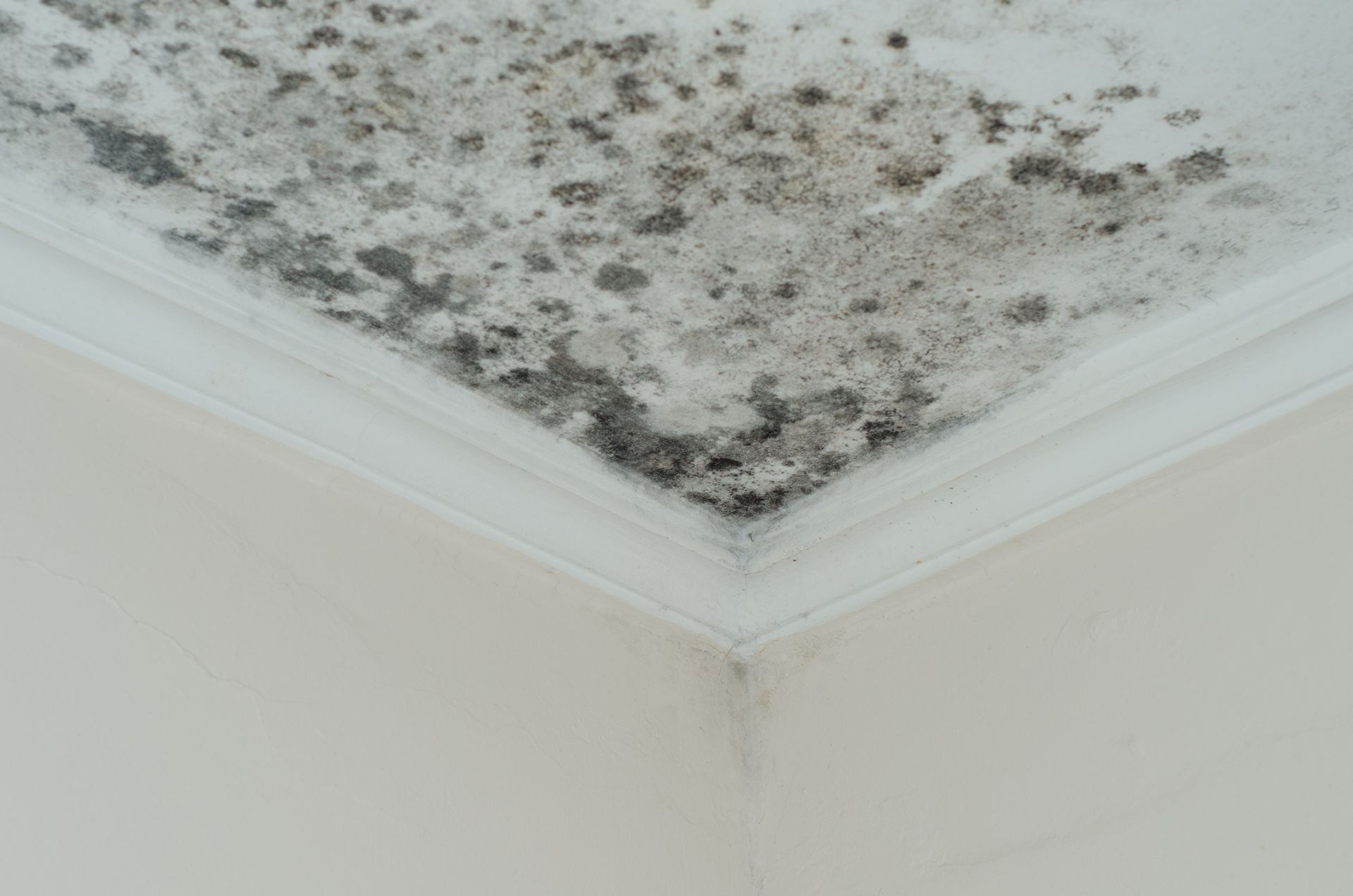
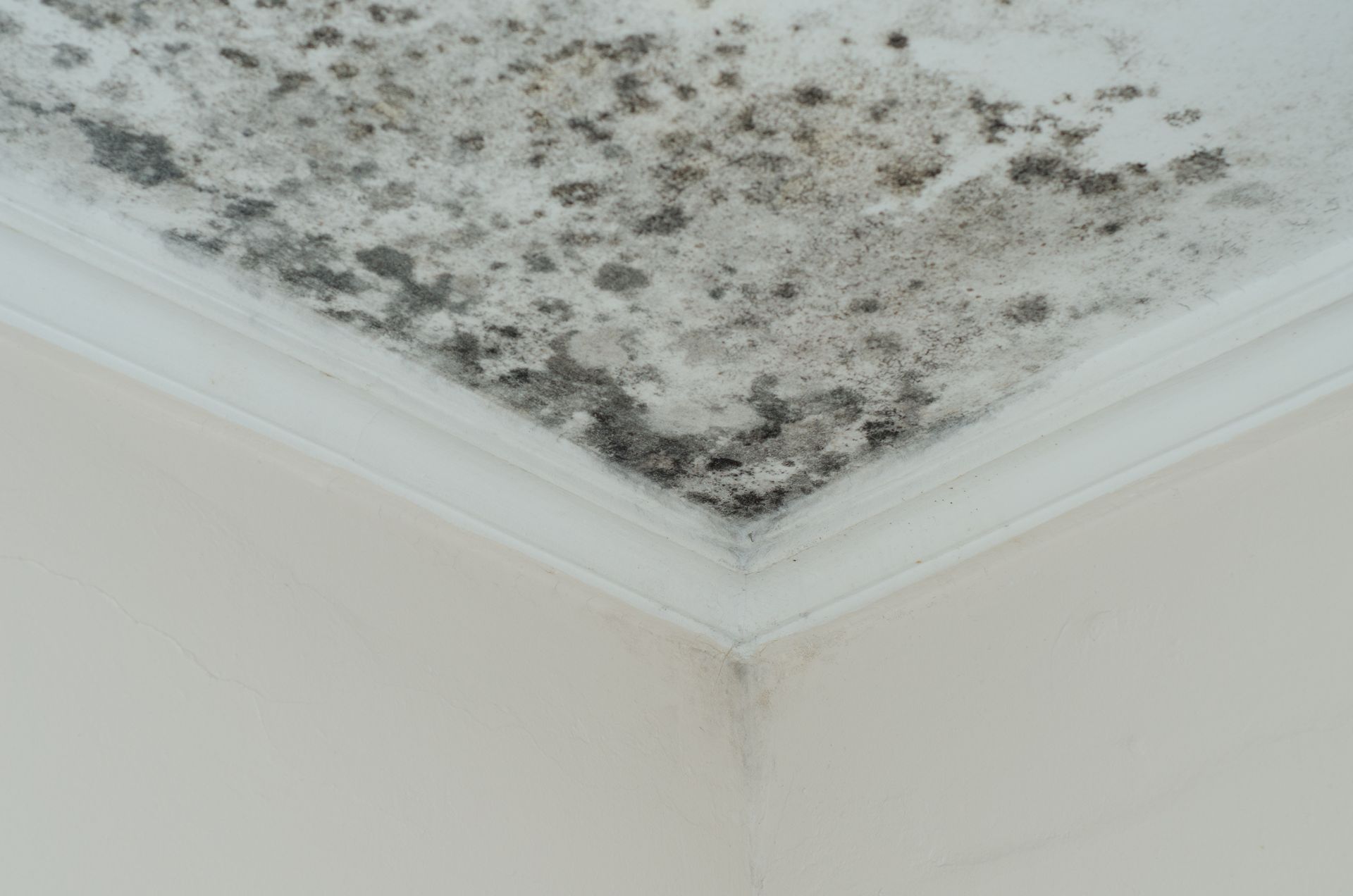
- Mold growth
- Structural wood rot
Homes in areas like Hudson and Chagrin Falls—especially older homes with complex rooflines—are particularly vulnerable.
Foundation Cracks and Basement Leaks
Freeze-thaw cycles also wreak havoc on foundations. Concrete and masonry naturally absorb moisture. When that moisture freezes, it expands, creating pressure inside the material.
Over time, this can cause:
- New foundation cracks
- Worsening of existing cracks
- Basement wall leaks
- Water pooling on basement floors
Many homeowners don’t notice the damage until spring, when snowmelt and rain overwhelm already compromised foundation walls.
Frozen and Bursting Pipes
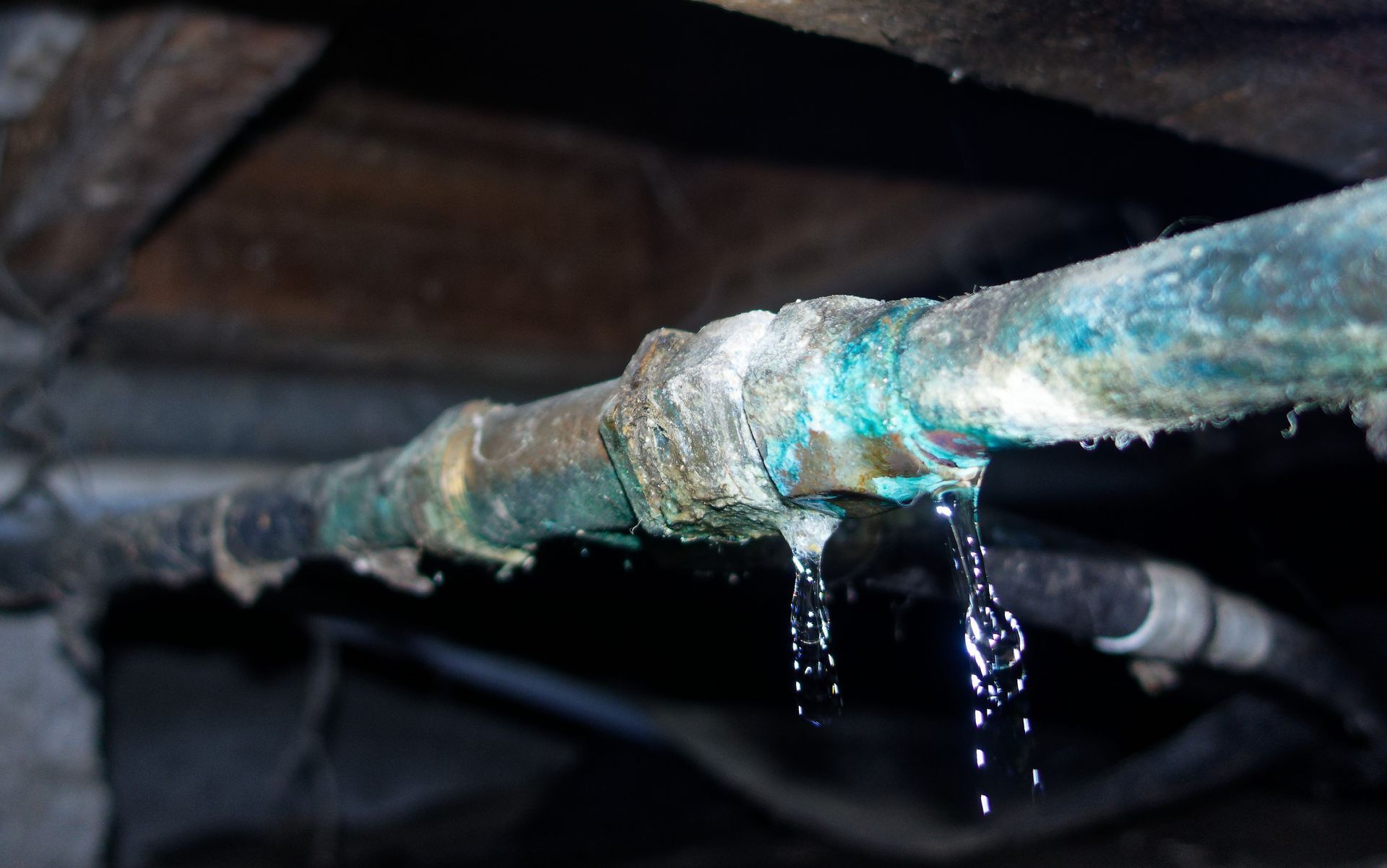
As temperatures fluctuate, pipes located near exterior walls, crawl spaces, or unheated areas may partially freeze, thaw, and refreeze multiple times. This repeated stress weakens pipes, increasing the risk of sudden bursts.
A burst pipe during winter can release
hundreds of gallons of water into a home in a very short period—often causing extensive damage before it’s discovered.
Why Northeast Ohio Homes Are Especially at Risk
Homes throughout Northeast Ohio face unique challenges due to:
- Older housing stock with aging materials
- Heavy snowfall followed by sudden warmups
- Clay-heavy soil that expands and contracts with moisture
- Frequent overnight temperature drops
Communities like Aurora, Twinsburg, and Broadview Heights often see repeated freeze-thaw conditions within the same week, accelerating wear on homes compared to more consistently cold regions.
Warning Signs of Freeze-Thaw Water Damage
Catching issues early can significantly reduce repair costs. Watch for:
- New or widening cracks in foundation walls
- Peeling paint or bubbling drywall
- Musty odors in basements or crawl spaces
- Water stains near ceilings or windows
- Icicles forming excessively along roof edges
If you notice any of these signs, it’s important to act quickly before the next freeze worsens the damage.
One of the most common ways freeze-thaw cycles cause water damage is through failing gutters in Streetsboro and Hudson. Ice buildup, clogs, and expansion can force water behind siding and into foundations—especially in tree-dense areas like Hudson and Streetsboro. Learn more about how faulty gutters contribute to water damage and what warning signs to watch for.
How to Protect Your Home During Winter
While you can’t control Ohio’s weather, you can reduce risk by:
- Ensuring proper attic insulation and ventilation
- Keeping gutters and downspouts clear
- Sealing foundation cracks promptly
- Disconnecting and draining exterior hoses
- Monitoring indoor temperatures during cold snaps
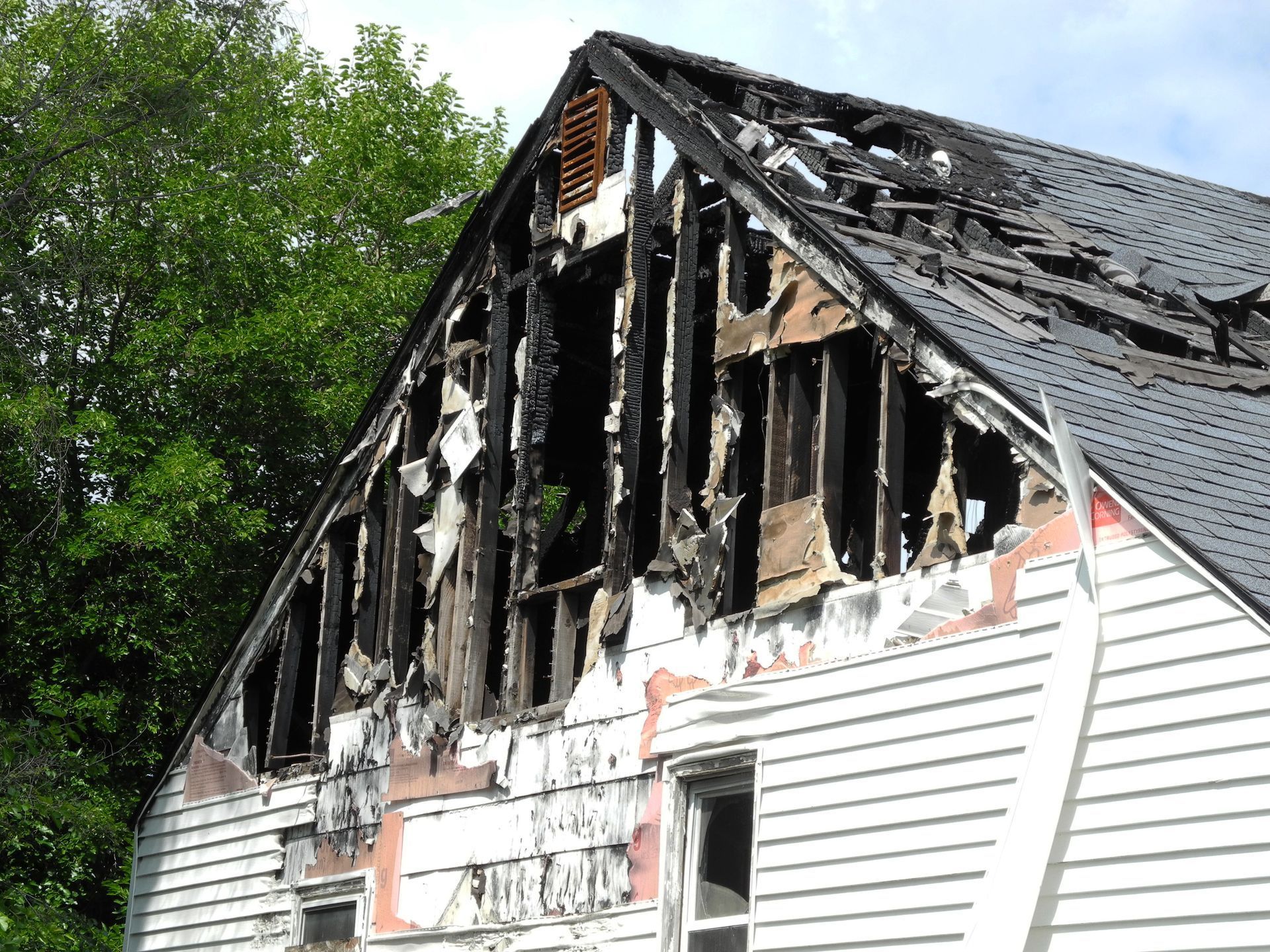
Even with preventative steps, winter water damage can still occur—especially in older homes.
When to Call a Water Damage Professional
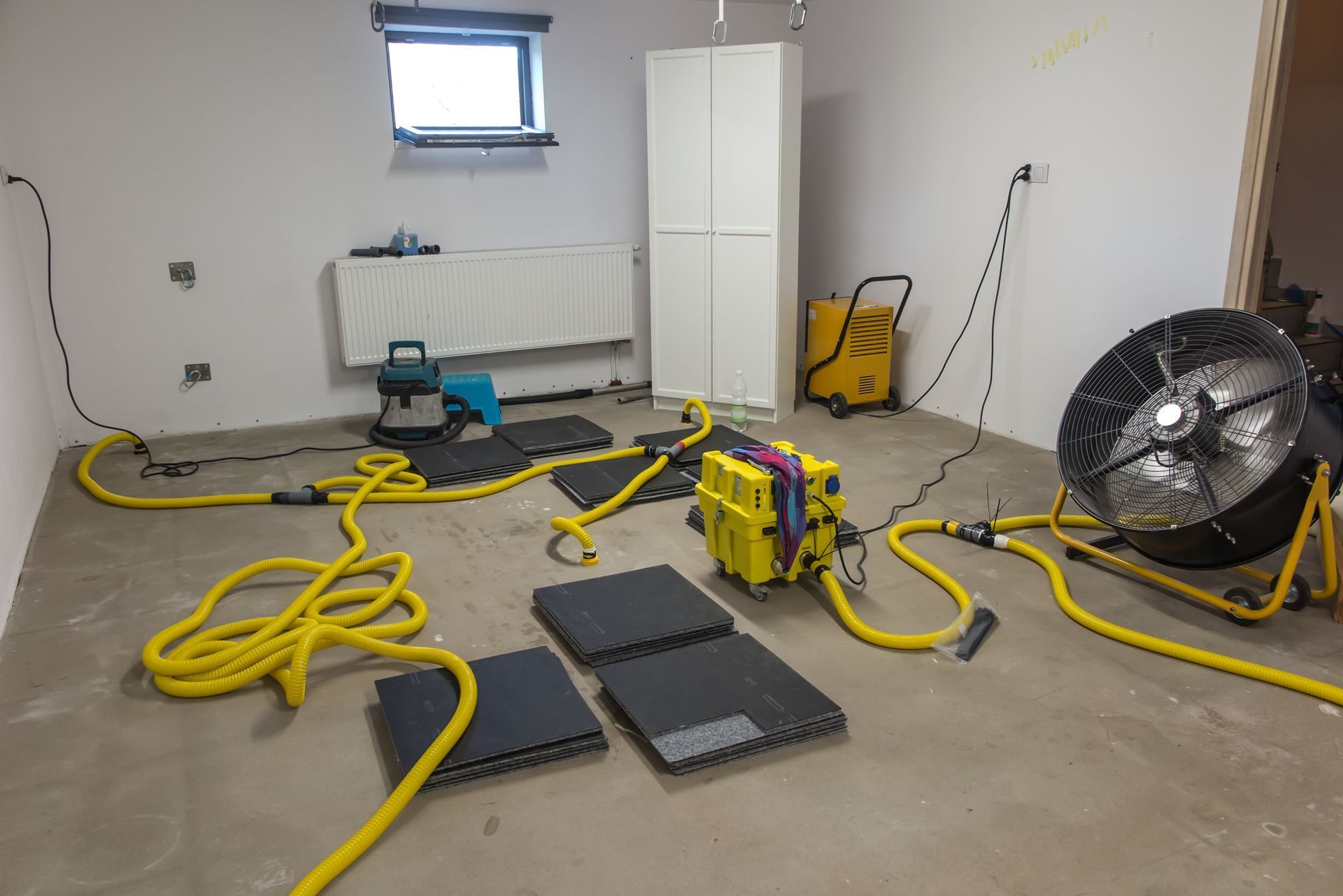
If you suspect water intrusion, frozen pipe damage, or hidden moisture, professional inspection is critical. Moisture trapped inside walls, insulation, or flooring can lead to mold growth and long-term structural issues if not properly dried and restored.
Flynn & Co. Restoration & Construction provides fast, professional water damage restoration throughout Northeast Ohio, including Macedonia, Hudson, Aurora, Twinsburg, Chagrin Falls, and surrounding areas. Our team understands how freeze-thaw cycles impact local homes and responds quickly to minimize damage.
Don’t Let Winter Damage Linger
If your home has been affected by winter weather—or you’re noticing warning signs—contact Flynn & Co. for a professional assessment. Early action can save time, money, and stress before small winter issues turn into major repairs.