Why Older Homes in Northeast Ohio Are More Vulnerable
Homes built 40, 60, or even 100+ years ago were constructed with different materials and techniques than what’s used today. Over time, these features can weaken, making hidden water intrusion more likely.
Older Northeast Ohio homes are at higher risk due to:
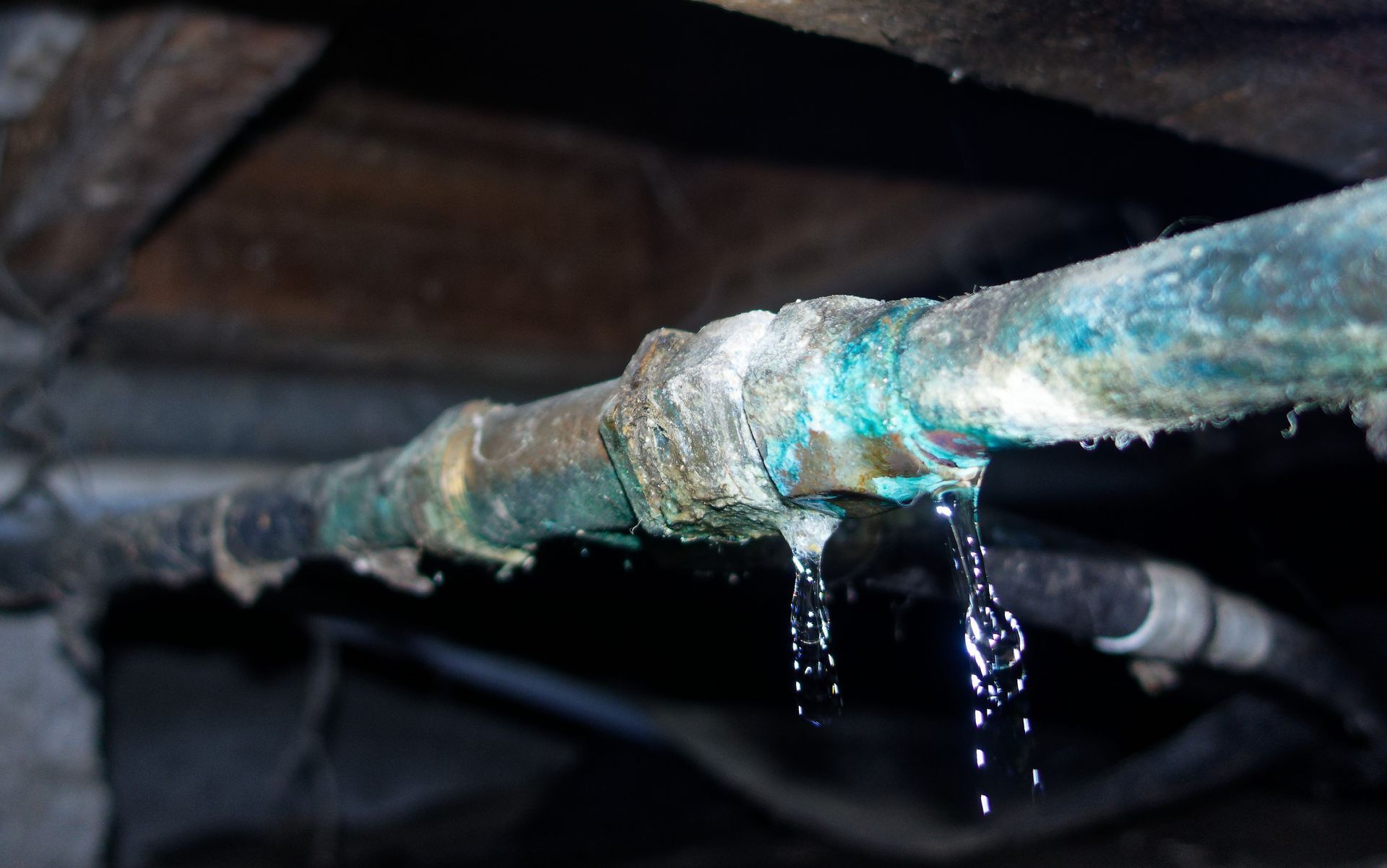
- Aging plumbing systems — galvanized pipes corrode, leak slowly, and often fail without obvious warning.
- Settling foundations — decades of shifting soil can create cracks water easily finds.
- Outdated waterproofing — old basements and crawl spaces rarely have modern moisture barriers.
- Historic windows and roofing materials — charming, but prone to drafts, gaps, and seepage.
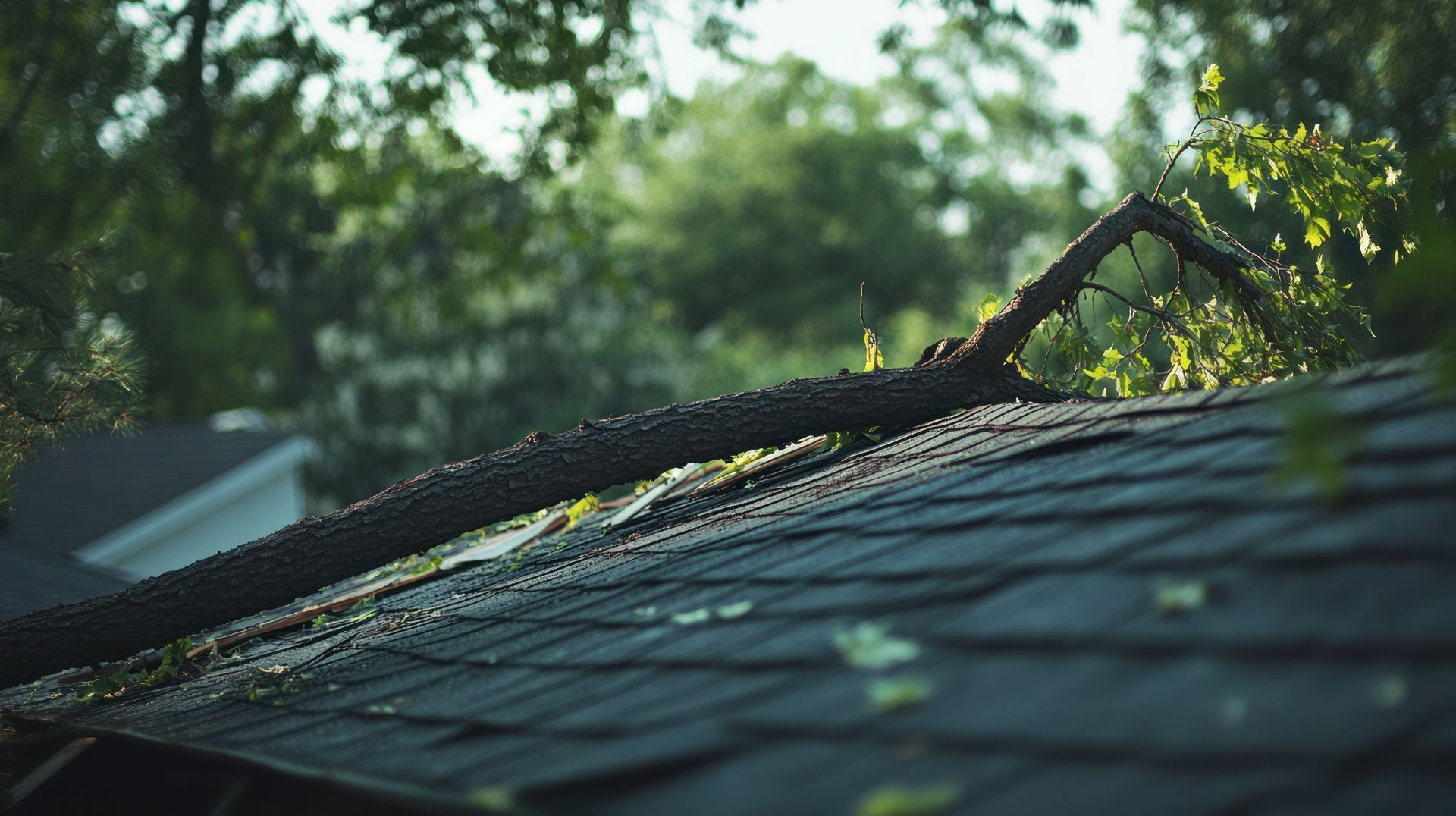
- Tree-lined lots (common in Chagrin Falls & Moreland Hills) — roots can infiltrate sewer lines and direct water toward foundations.
Because these issues develop gradually, the signs are often subtle—and easy to miss.
Subtle Warning Signs of Water Damage You Should Never Ignore
1. Musty Odors (Especially in Basements and Crawl Spaces)
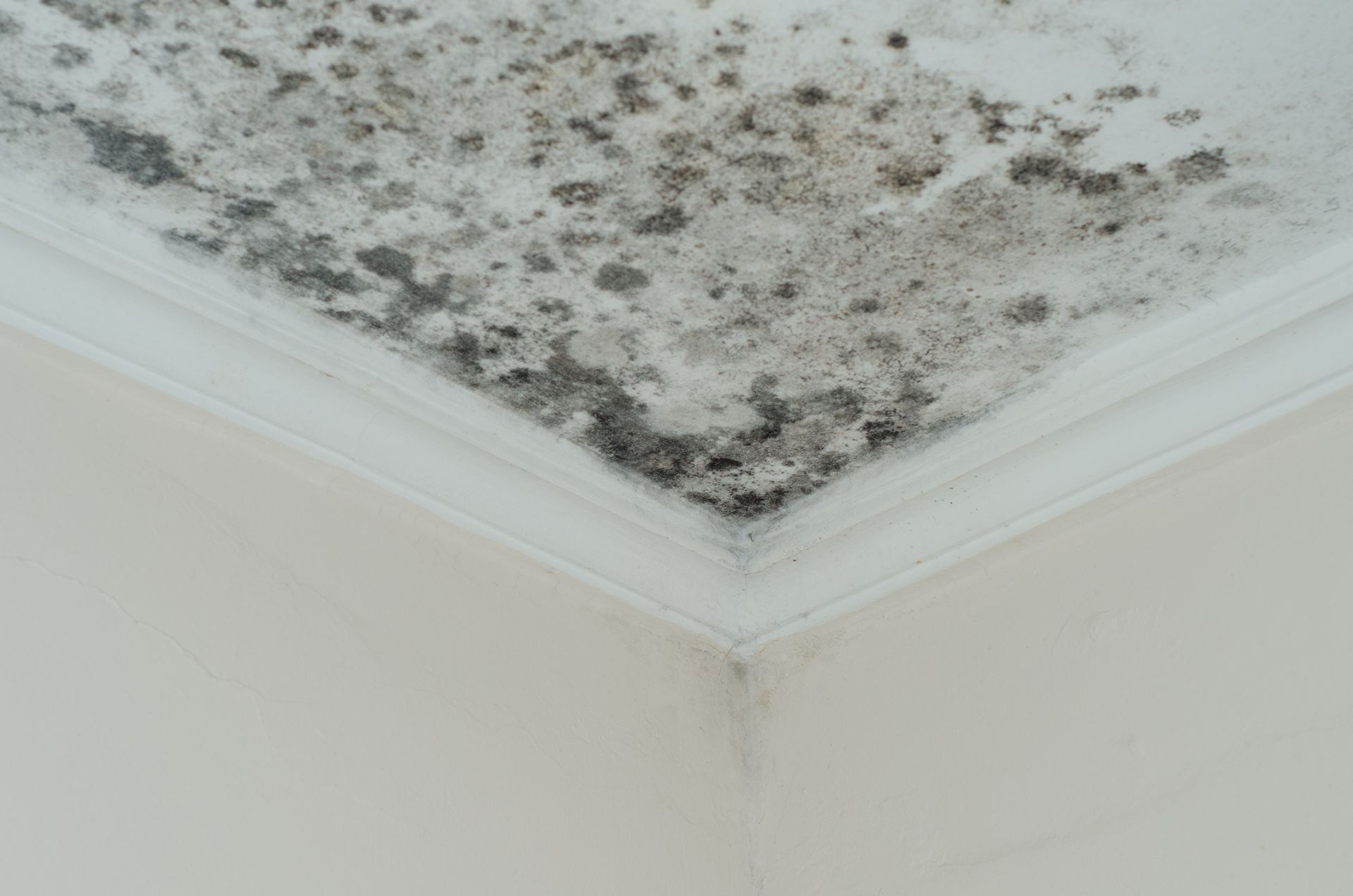
If your home smells damp, earthy, or “old,” it’s not just age—it’s moisture.
Musty odors usually indicate:
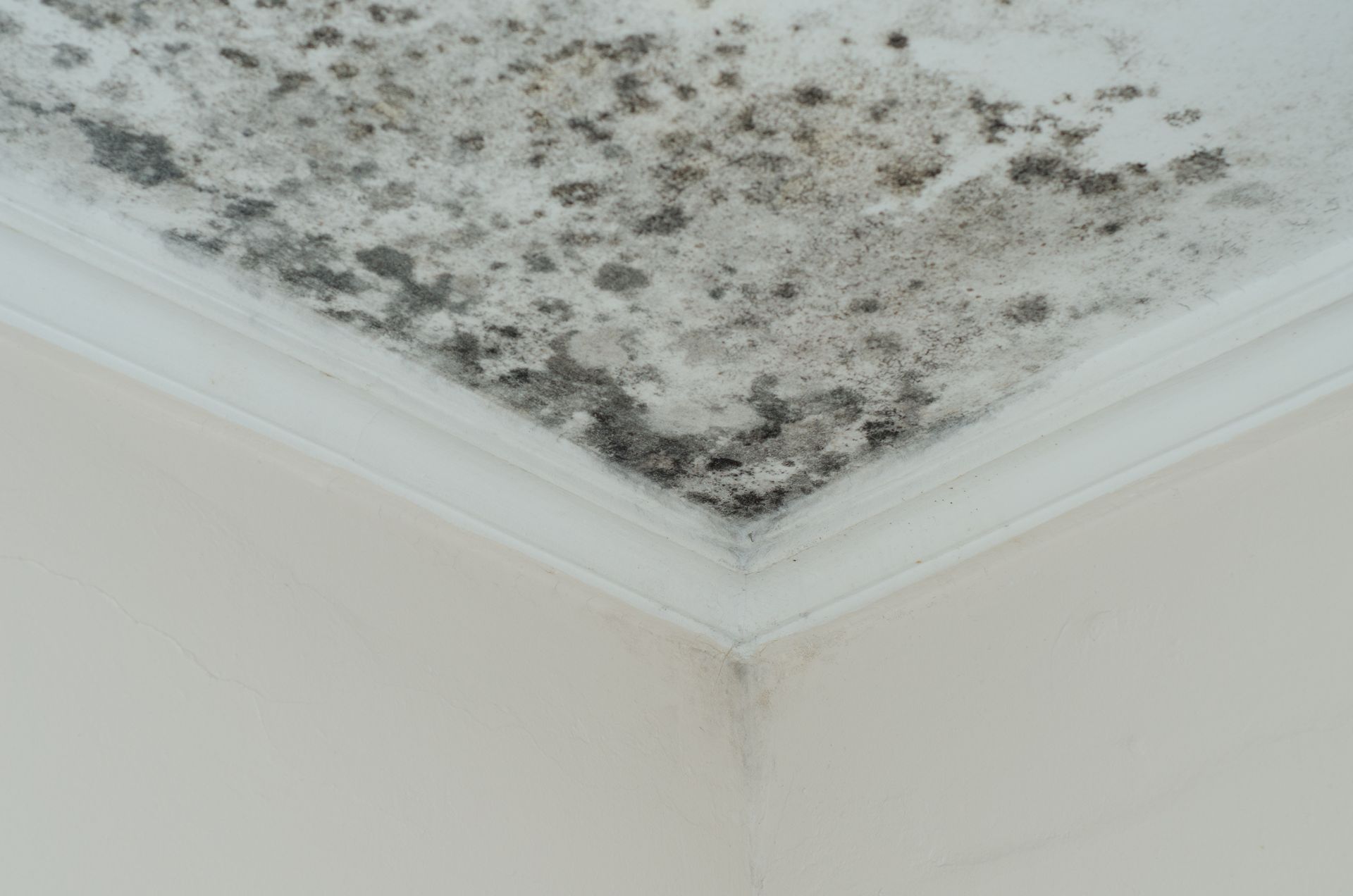
- Mold or mildew growing out of sight
- Long-standing moisture from a slow leak
- Poor ventilation trapping humidity
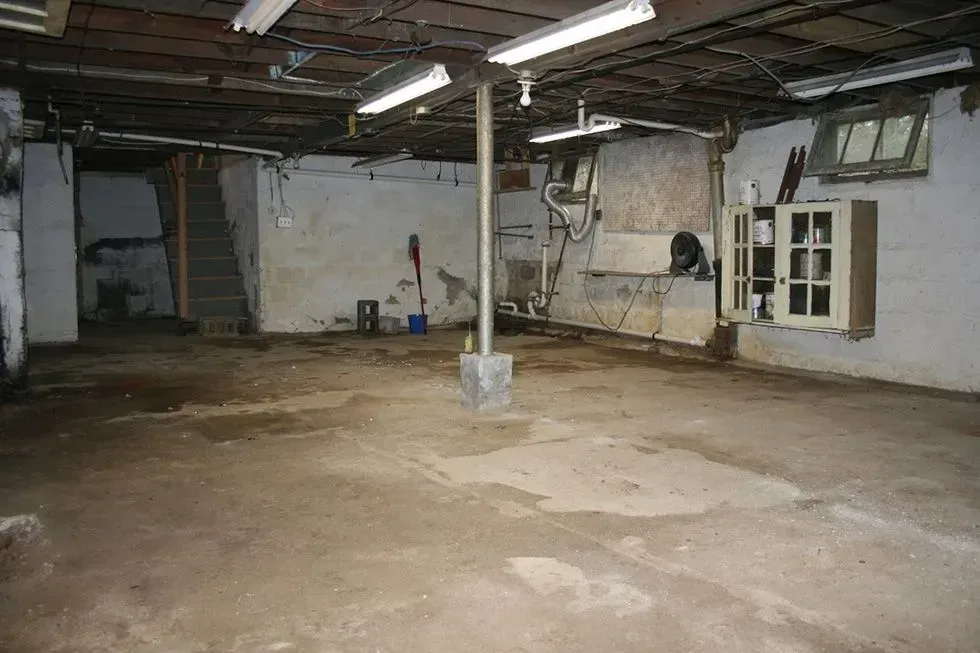
Basements in Hudson and
Chagrin Falls, especially stone or block foundations, are notorious for absorbing moisture over time.
2. Warped or Swollen Baseboards
When water seeps behind walls or wicks upward from flooring, baseboards begin to:
- Bow or bubble outward
- Separate from the wall
- Show discoloration or staining
Even slight warping is a red flag—slow leaks behind walls often go unnoticed until the damage becomes structural.
3. Peeling or Bubbling Paint
Moisture trapped in plaster or drywall pushes paint outward, leading to:
- Blistering surfaces
- Soft spots under the paint
- Hairline cracks that expand over time
Older plaster walls, commonly found in
Moreland Hills homes, tend to conceal water damage longer than drywall.
4. Creaky or Uneven Floors
Water-damaged subflooring can cause:
- Sudden soft spots
- Slight dips or ridges
- Creakier boards than normal
In older hardwood floors, this may appear as subtle cupping or crowning.
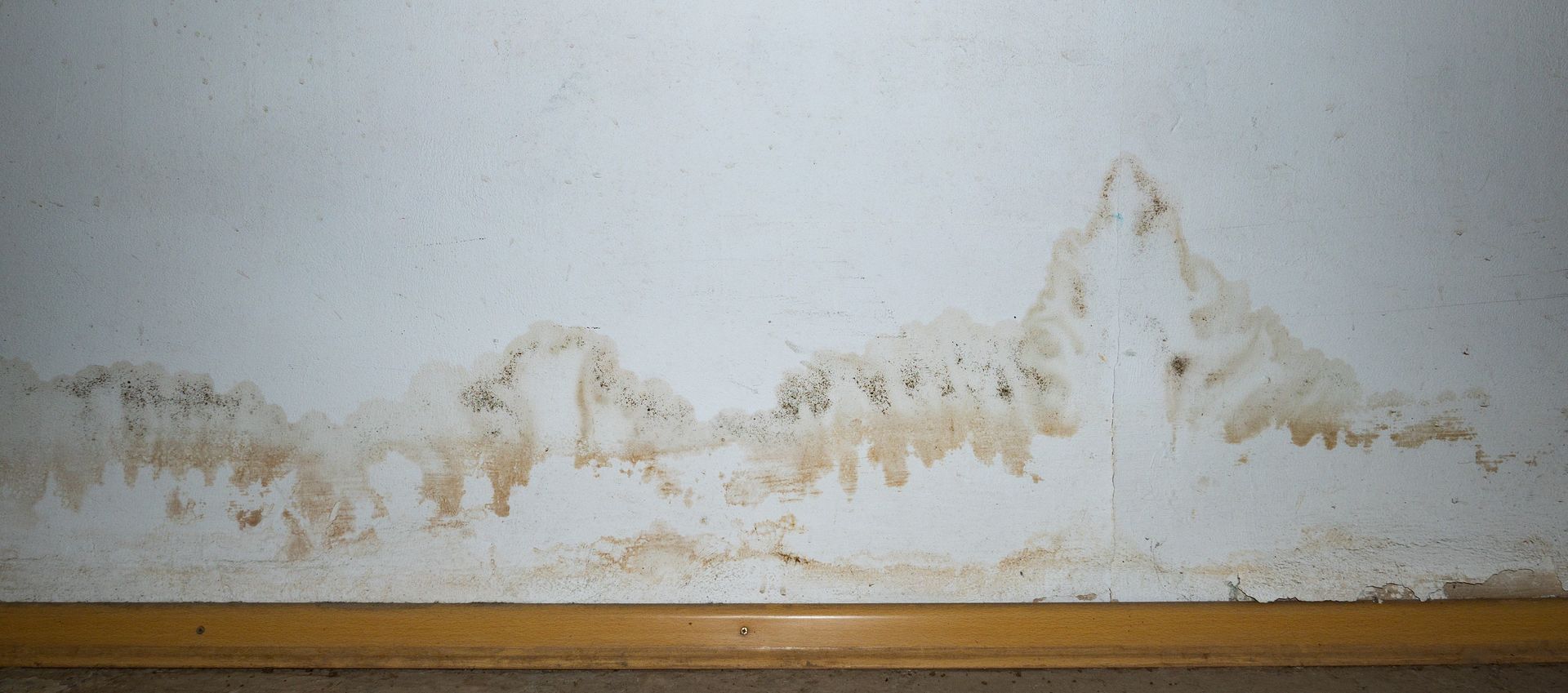
5. Stains That Reappear After Cleaning
If water stains return after being scrubbed or painted over, the source of moisture is still active. Look closely at:
- Ceiling discoloration
- Wall blotches
- Yellowing around windows or baseboards
Small stains often point to bigger problems.
6. Condensation on Windows or Interior Walls
Older homes with original or older windows often struggle with insulation. Persistent condensation may indicate:
- High humidity from hidden moisture
- Failing window seals allowing water intrusion
- Poor air circulation trapped inside walls
Persistent moisture fuels mold growth—even in winter.
7. Cracks in Walls or Ceilings
While settling is common, certain cracks may point to water weakening the structure—especially near:
- Exterior walls
- Basement ceilings
- Rooflines
Homes surrounded by mature trees, such as those in Moreland Hills, experience additional pressure on foundations, making cracks and water intrusion more likely.
Why Early Detection Matters
Ignoring subtle moisture problems can lead to:
- Costly structural repairs
- Dangerous mold growth
- Damaged hardwood, drywall, and insulation
- Increased heating and cooling costs
- Reduced property value
Older homes have more complex repair needs, so catching issues early makes restoration faster and more affordable.
How Flynn & Co. Helps Protect Your Home
Our restoration experts specialize in older and historic Northeast Ohio homes, offering:
- Moisture and leak detection
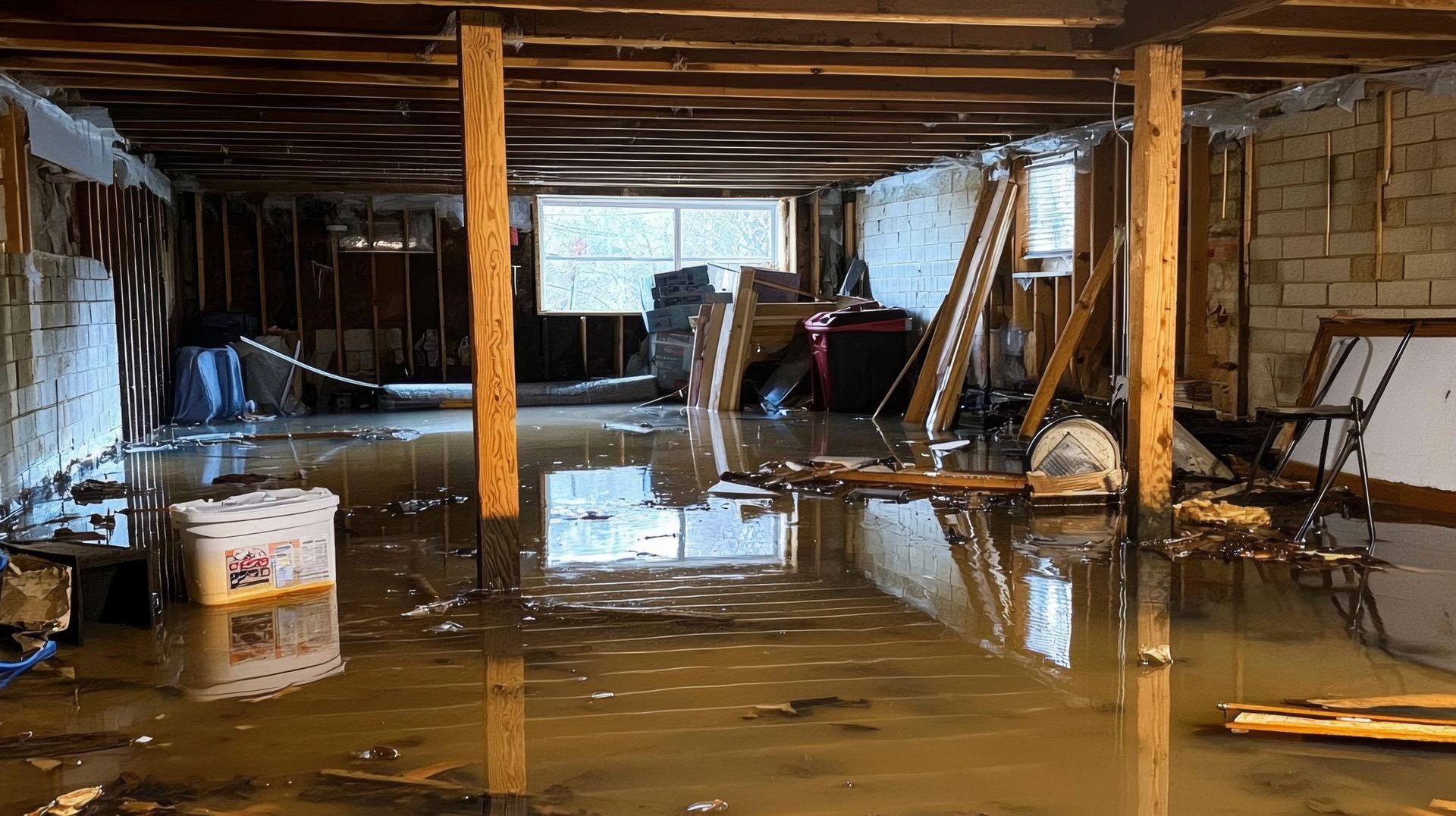
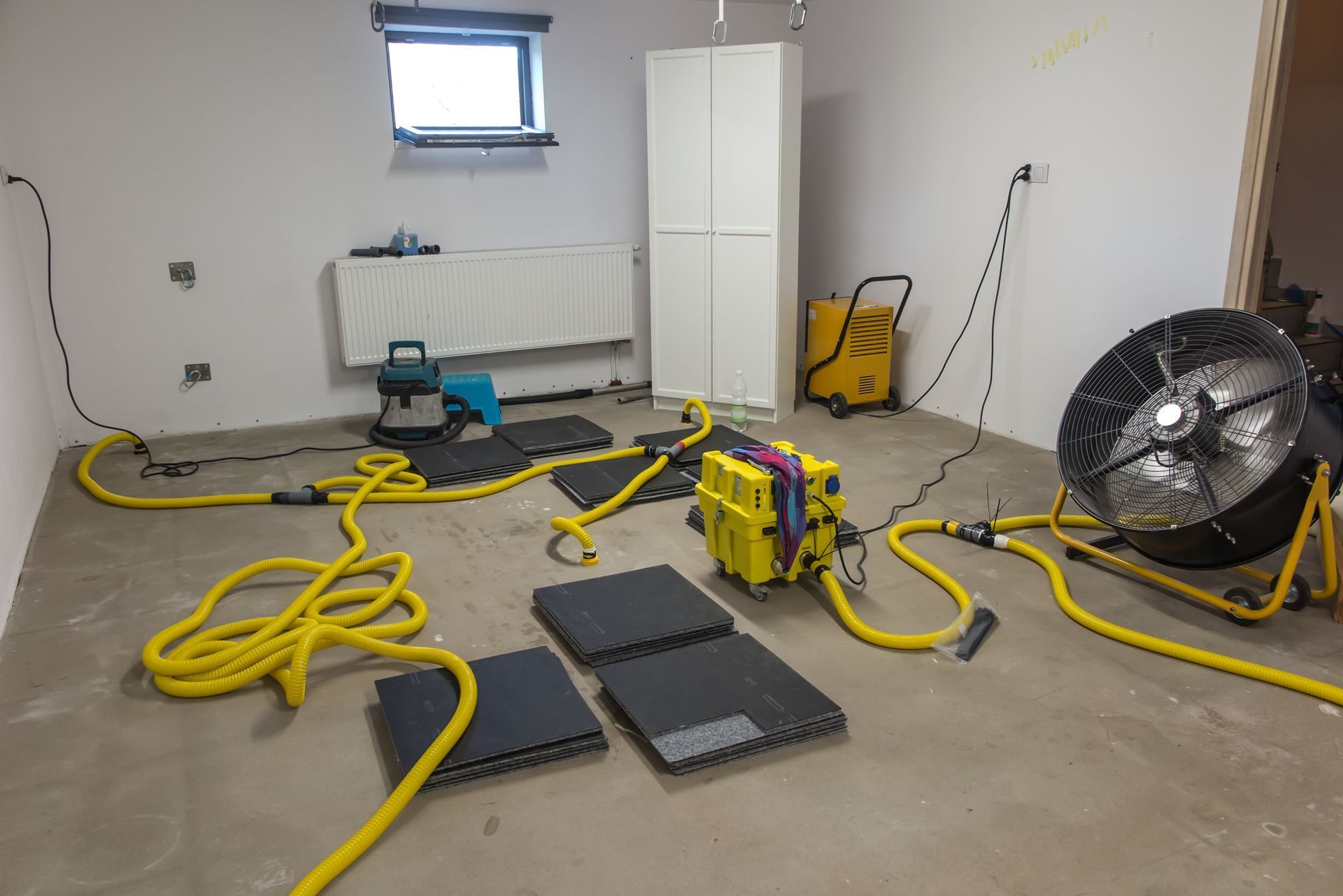
- Water damage cleanup and structural drying
- Basement waterproofing and drainage solutions
- Mold remediation
- Repairs and reconstruction
We serve homeowners in
Hudson, Chagrin Falls, Moreland Hills, Macedonia, Twinsburg, Brecksville, and throughout Northeast
Ohio.