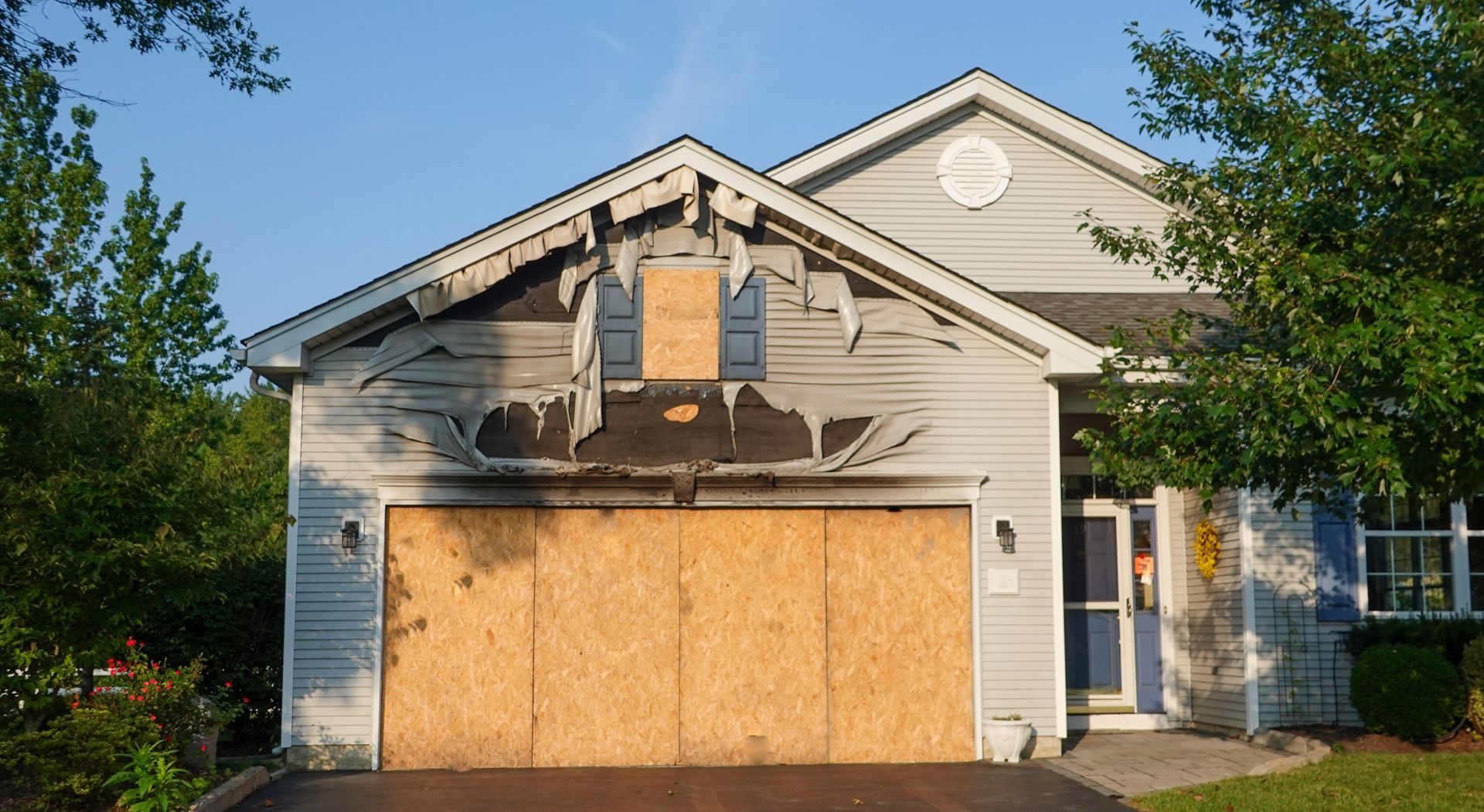
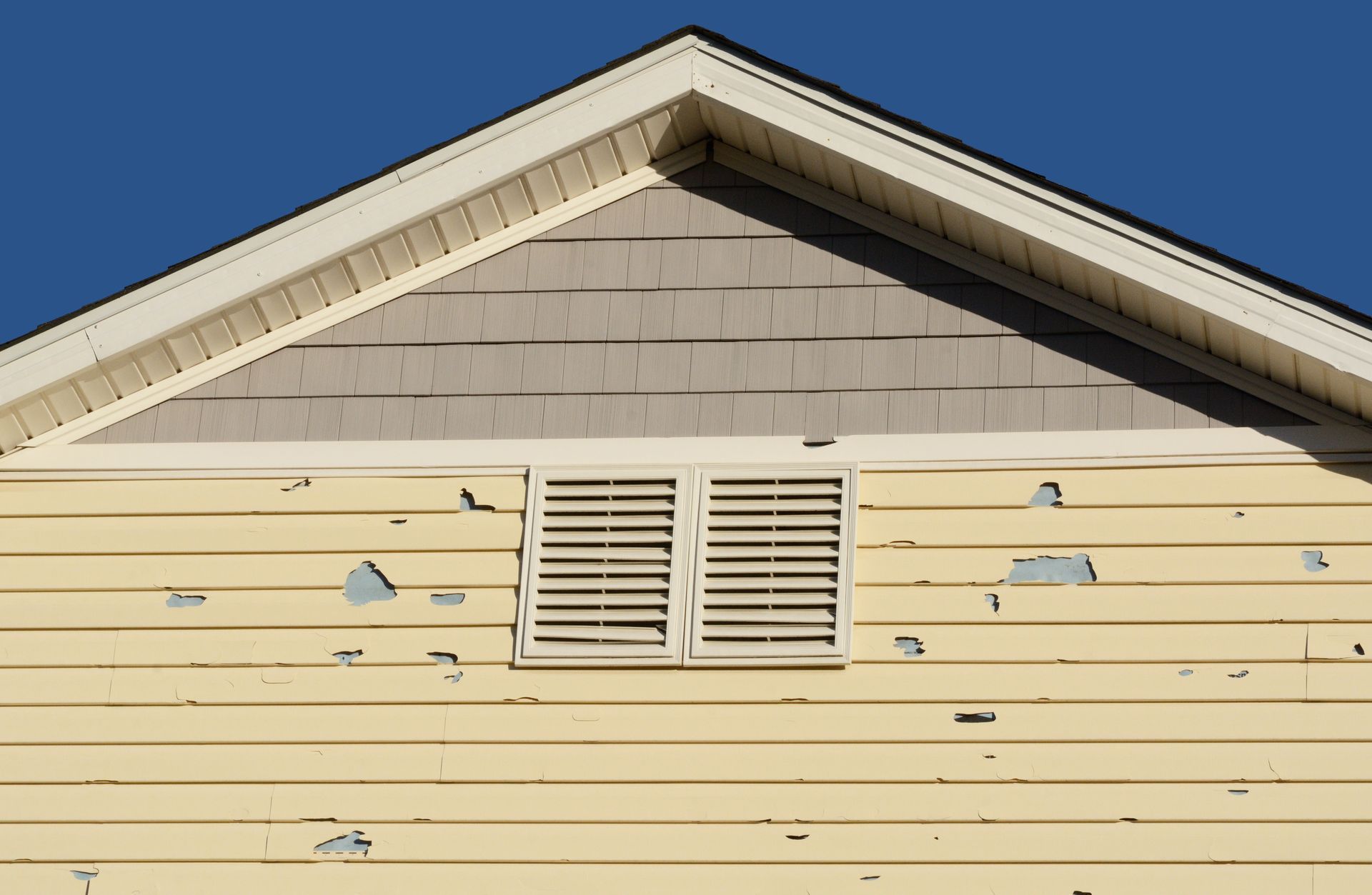
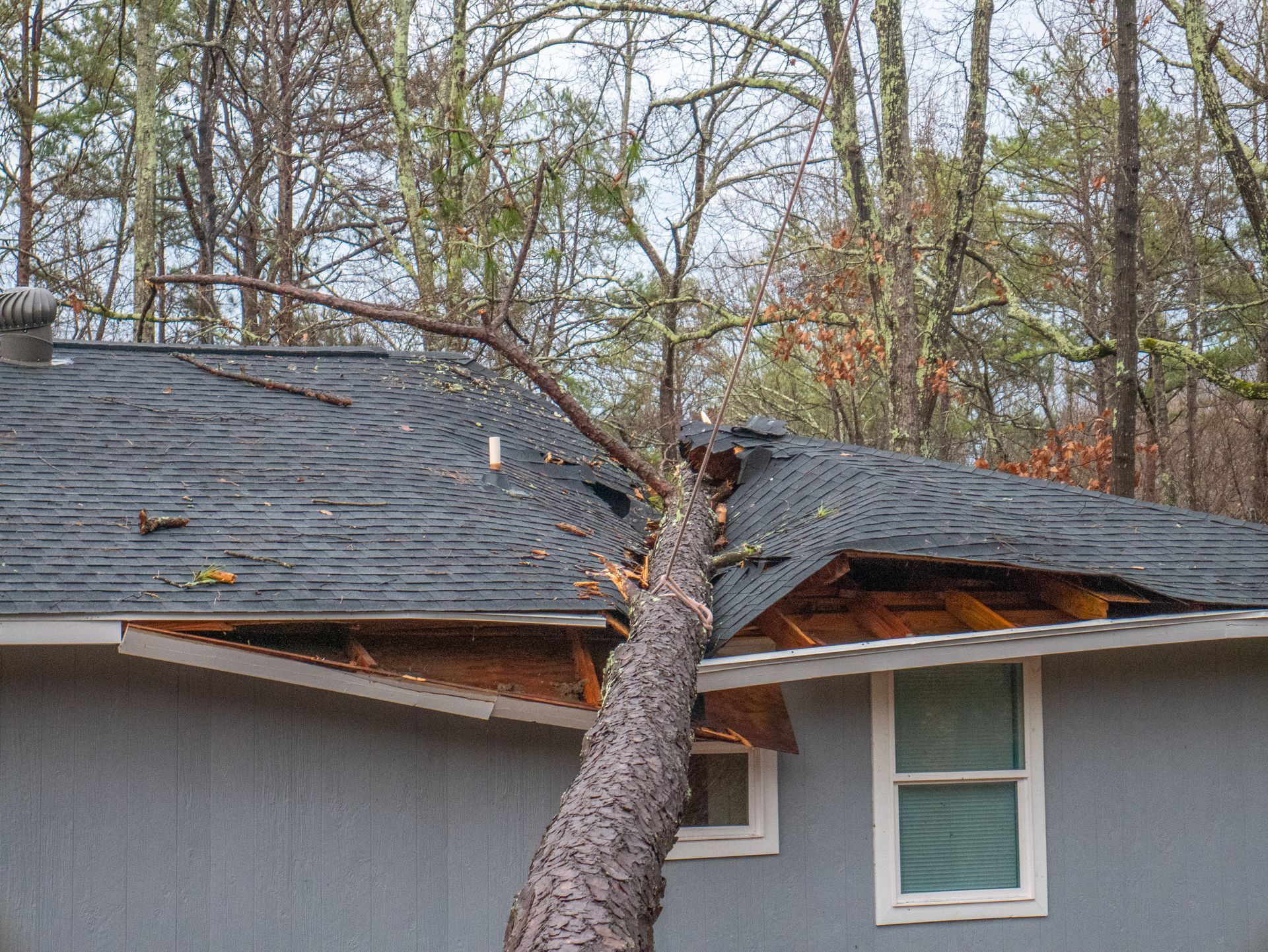
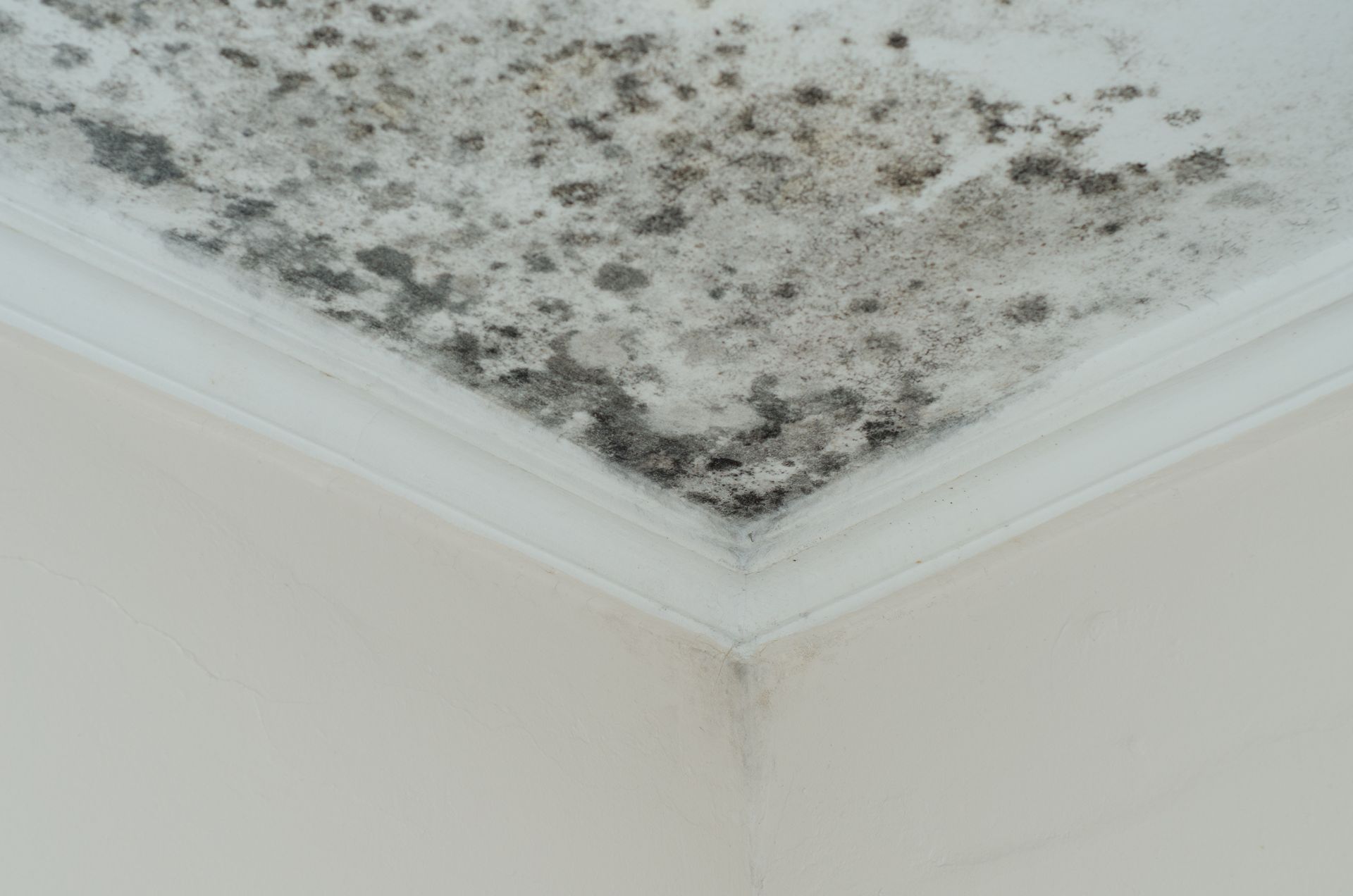
Water damage is never something homeowners want to deal with. Whether it starts with a burst pipe, a flooded basement, a roof leak, or a sump pump failure, the first priority is always drying the property, removing damaged materials, and restoring the home to a safe condition. But once the cleanup is underway, many homeowners start asking an important question: if we already have to open things up, should we improve the space instead of simply putting it back the way it was?
In many cases, the answer is yes.
Water damage restoration and renovation often go hand in hand. When walls, flooring, cabinetry, or finished basements have been affected, the repair process can create an opportunity to make thoughtful upgrades that improve how your home looks, feels, and functions. Instead of treating the project as only a setback, it can become a chance to invest in long-term value.
Why Water Damage Repairs Often Lead to Renovation Decisions
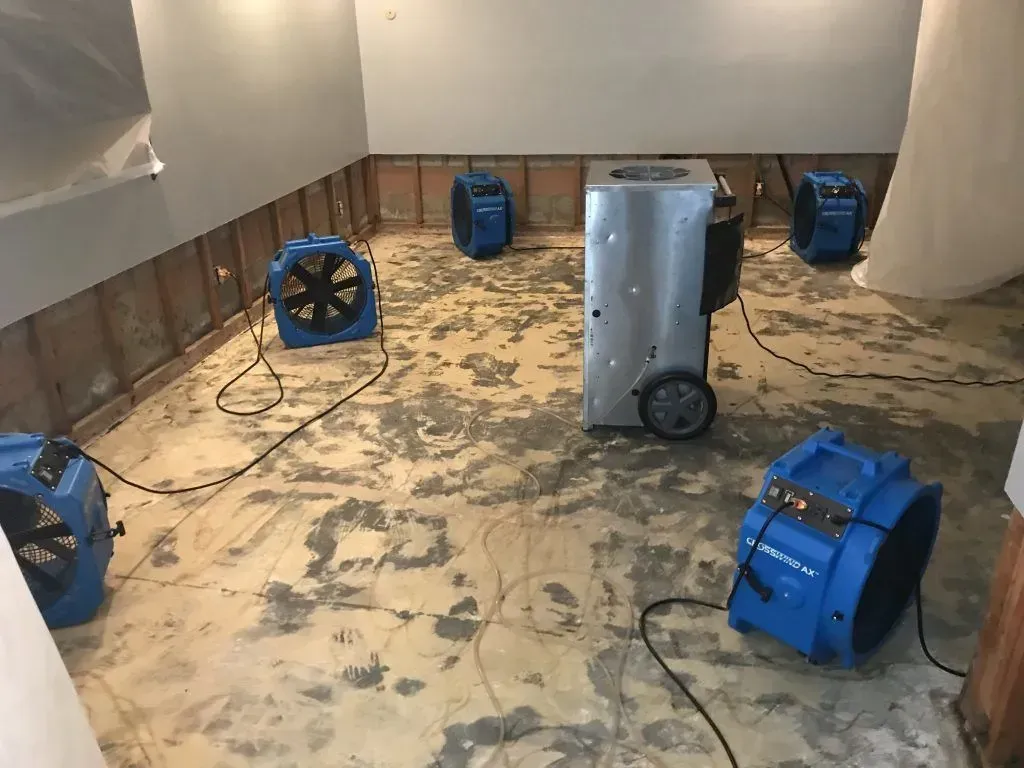
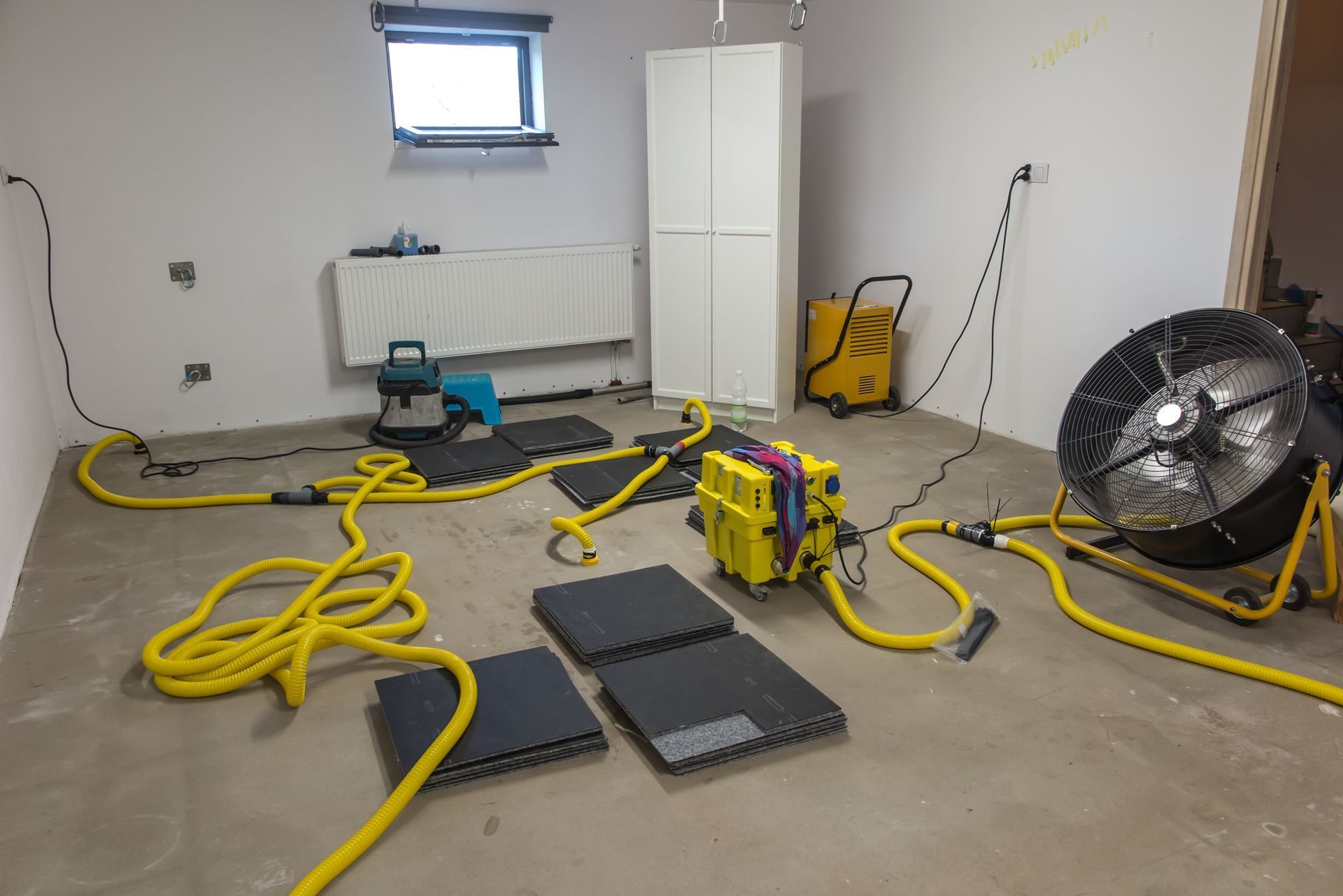
When a home experiences water damage, the affected areas frequently need to be partially or fully removed before repairs can begin. Flooring may be pulled up. Drywall may be cut out. Cabinets may need to be replaced. Basement finishes may need to be stripped back to the framing. Once that work has happened, homeowners are already partway into a remodeling process.
That is why many people decide this is the right time to make upgrades they had been putting off.
Rather than reinstalling the same outdated materials, they may choose options that are more attractive, more durable, and better suited to the way they live today. In some cases, it also makes sense financially. Combining restoration work with renovation can reduce duplicated labor and help homeowners avoid tearing into the same space again later for a separate remodel.
Upgrade Opportunities After Water Damage
Every home and every loss is different, but some of the most common post-restoration upgrades include flooring, drywall, layout improvements, and basement finishing improvements.
New Flooring That Looks Better and Handles Moisture More Effectively
Water damage often ruins carpet, laminate, engineered wood, and other materials that do not respond well to moisture. If floors must be replaced anyway, many homeowners choose to upgrade to something more durable.
Popular choices include luxury vinyl plank, tile, sealed concrete in basement spaces, and other water-resistant materials that are easier to maintain. In Northeast Ohio homes, especially in areas with finished basements or recurring moisture concerns, selecting the right flooring can make a major difference in long-term performance.
This is also a good time to improve the look of the space. Homeowners often use the opportunity to move from dated flooring to something more modern, cohesive, and better matched to the rest of the home.
Drywall, Insulation, and Wall Upgrades
When water-damaged drywall has to be removed, homeowners have a chance to think beyond basic replacement. This may be the right time to update insulation, improve sound control between rooms, or repair older framing issues uncovered during demolition.
Some homeowners also take the opportunity to refresh wall textures, update trim, add recessed lighting, or create a cleaner and more modern finish throughout the damaged space. In basements, rebuilding walls with moisture-conscious materials and proper finishing methods can help create a more durable result than what was there before.
Better Room Layouts and Use of Space
Once a damaged area is opened up, it becomes easier to rethink how that space functions. This is especially true in basements, laundry rooms, lower-level family rooms, and older first-floor layouts where water damage may expose walls, storage areas, or outdated finishes.
Homeowners sometimes choose to:
- Reconfigure a finished basement for better storage
- Add built-in shelving or cabinetry
- Open up cramped spaces
- Improve traffic flow
- Create a more practical mudroom or laundry area
- Convert a damaged area into a more usable living space
A
restoration
project can reveal possibilities that were not obvious before. If the work already involves demolition and reconstruction, it may be the ideal time to make layout changes that improve everyday life.
Cabinetry, Built-Ins, and Interior Finishes
Water damage in kitchens, bathrooms, and basement bar areas can lead to swollen cabinets, damaged vanities, and ruined built-ins. Instead of replacing these with similar basic materials, many homeowners use the project to choose upgraded cabinetry, countertops, trim, and fixtures.
Even smaller finish updates can have a big visual impact. New baseboards, doors, paint colors, lighting, and hardware can help the repaired area feel like a true improvement rather than a patch job.
Basement Renovation After Water Damage
Basements are one of the most common areas where restoration and renovation overlap. In Northeast Ohio, many homeowners use their basements as family rooms, home offices, workout spaces, guest areas, or entertainment rooms. When water damage affects a finished basement, simply drying it out is only the first step.
Once damaged flooring, drywall, insulation, and trim are removed, homeowners often decide to rebuild the space in a way that is more resilient and more useful.
This could include:
- Replacing carpet with waterproof or water-resistant flooring
- Adding better storage solutions
- Updating an old basement layout
- Improving lighting
- Installing more durable wall finishes
- Creating a more functional multipurpose living space
A well-planned
basement renovation
after water damage can leave the home in a better position than before the loss occurred.
Repairing vs. Upgrading: What Should Homeowners Consider?