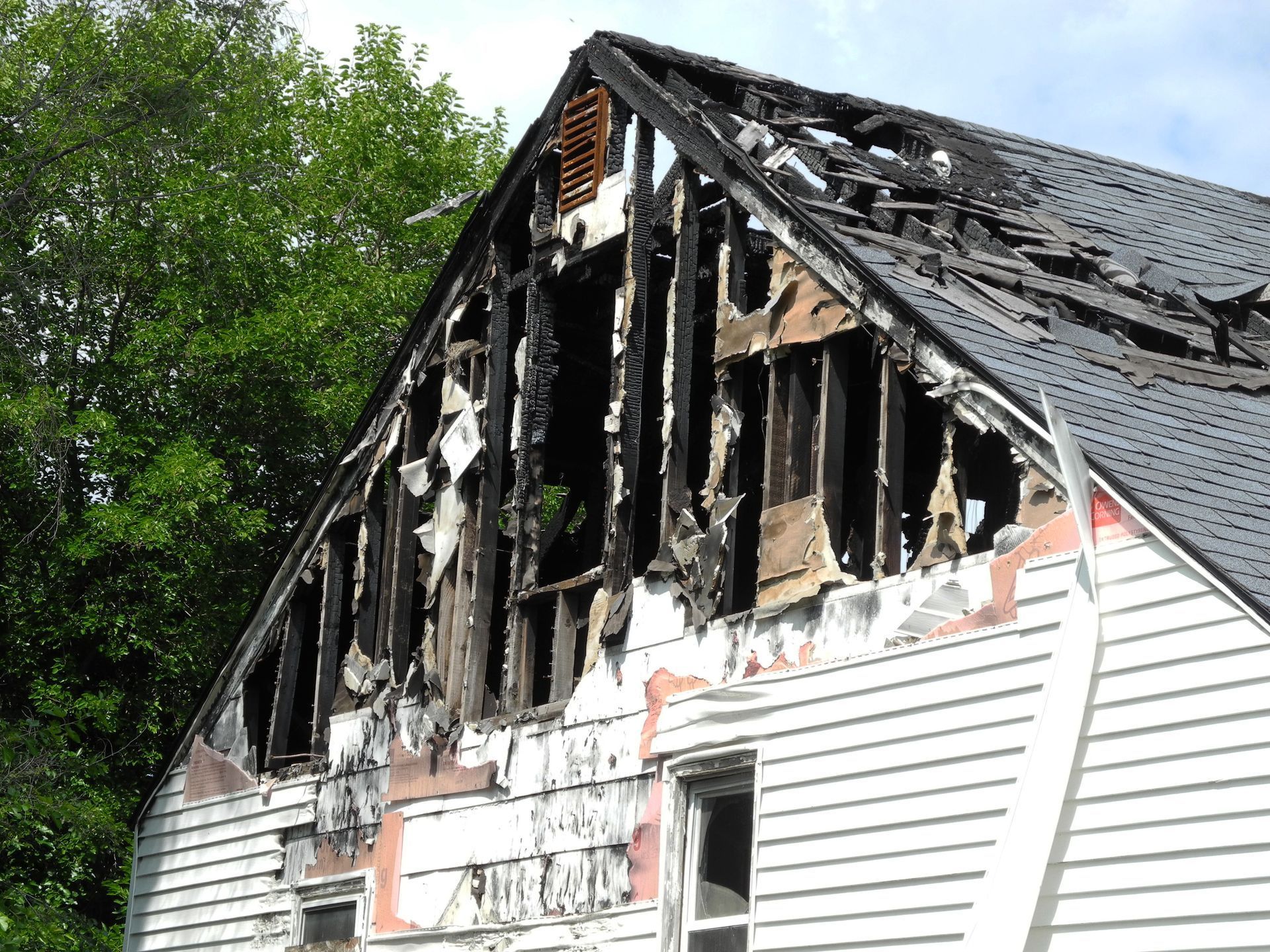
Northeast Ohio storms are no joke. From heavy spring rains and summer windstorms to hail events and winter ice damage, homeowners across
Hudson, Twinsburg,
Aurora, and Streetsboro experience property damage every single year.
Knowing what to do in the first few hours after a storm can dramatically reduce repair costs, prevent secondary damage, and make the insurance process much smoother.
Here’s your step-by-step guide to handling storm damage the right way.
Step 1: Ensure Safety First
Before inspecting anything:
- Watch for downed power lines
- Be cautious of standing water (especially near electrical systems)
- Avoid climbing onto the roof
- Check for structural instability
If you suspect gas leaks, electrical hazards, or severe structural damage, leave immediately and call emergency services.
Your safety always comes before property repairs.
Step 2: Perform a Ground-Level Inspection
Walk around your property and look for:
- Missing or lifted shingles
- Dented gutters or downspouts
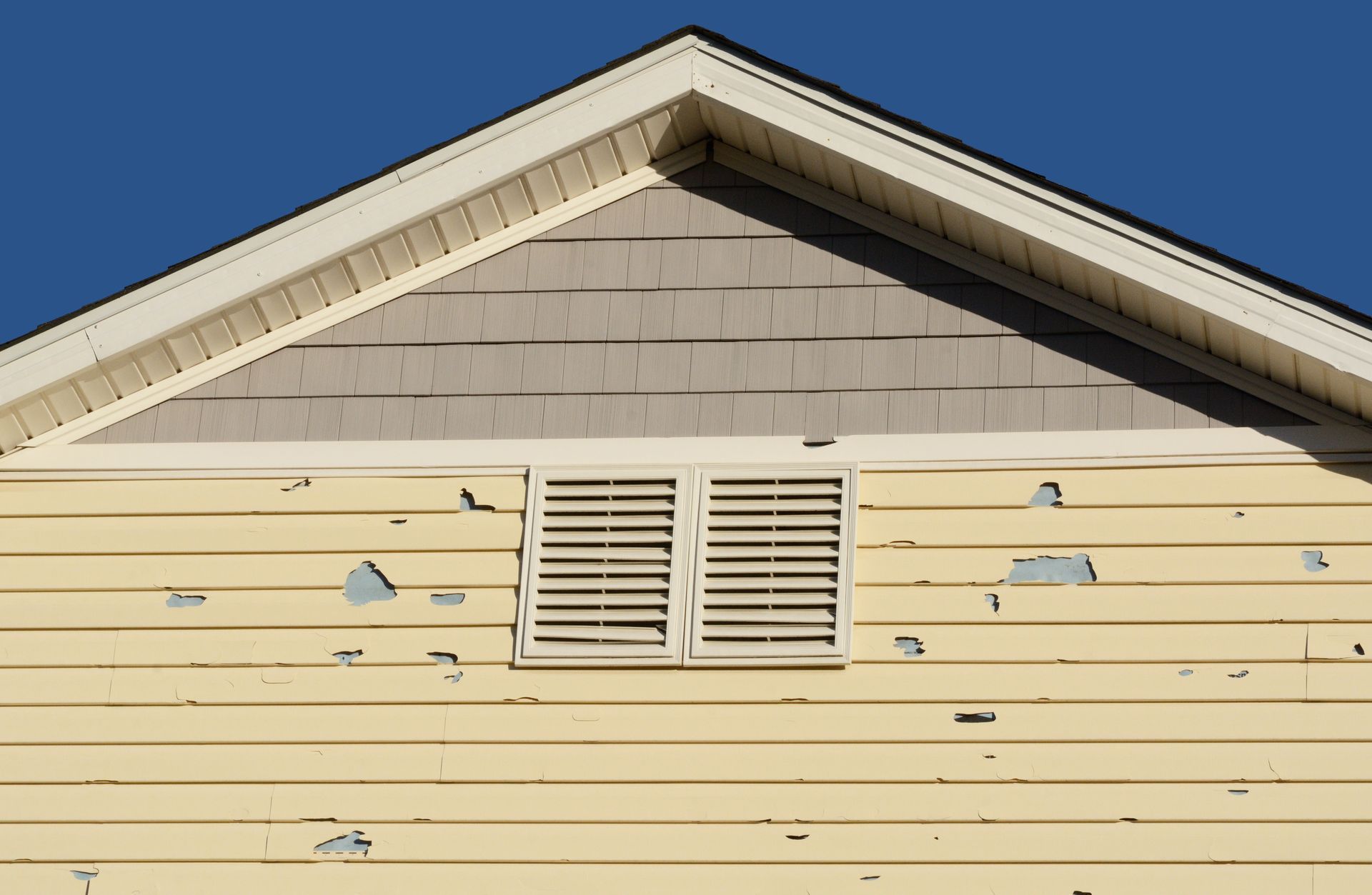
- Siding cracks or impact marks
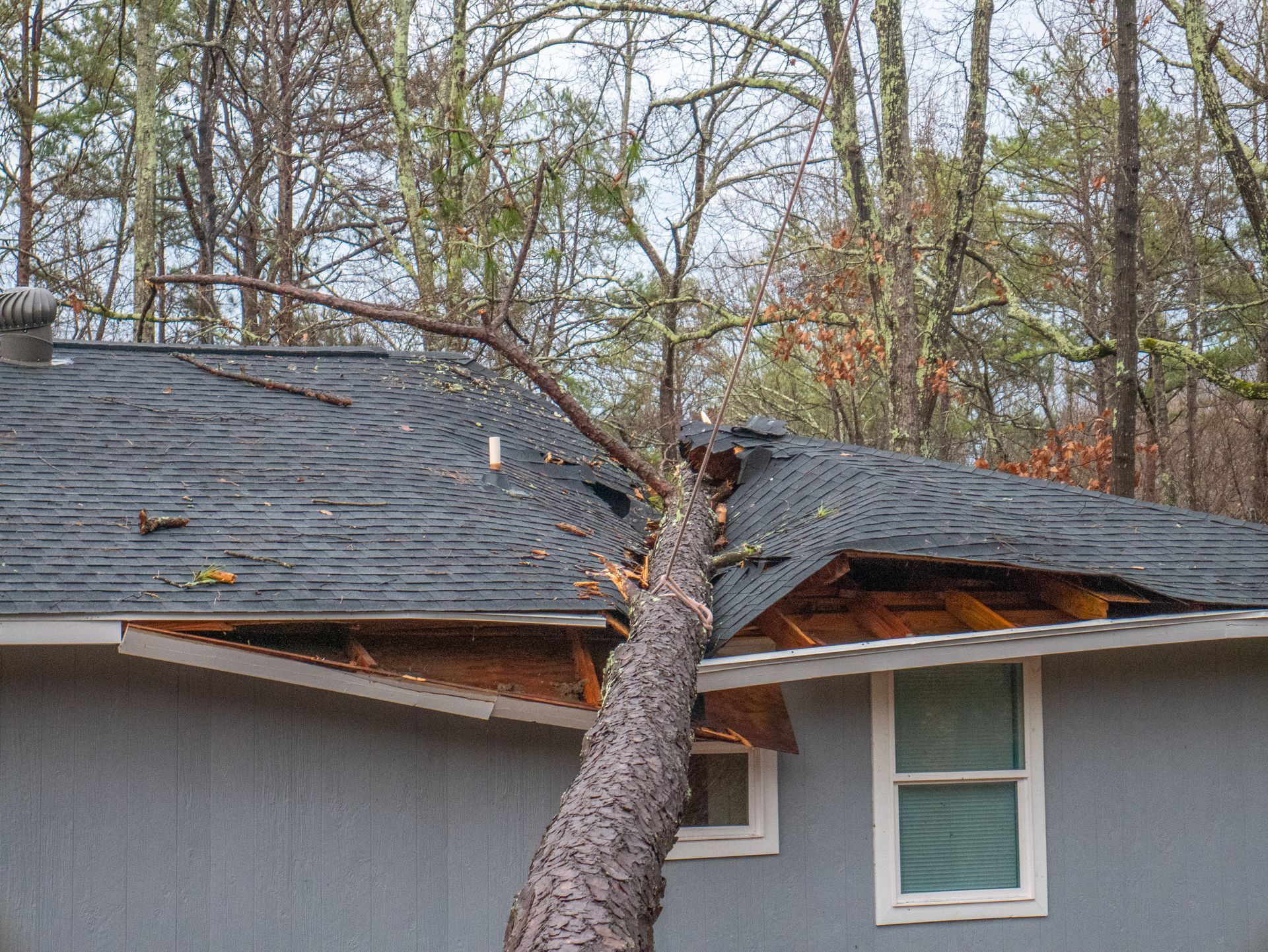
- Fallen branches on the roof
- Broken windows
- Water pooling near the foundation
Common Northeast Ohio Damage Types:
- Wind damage (very common in Hudson and Twinsburg)
- Hail damage (frequent in Aurora and Streetsboro)
- Ice dam damage in winter months
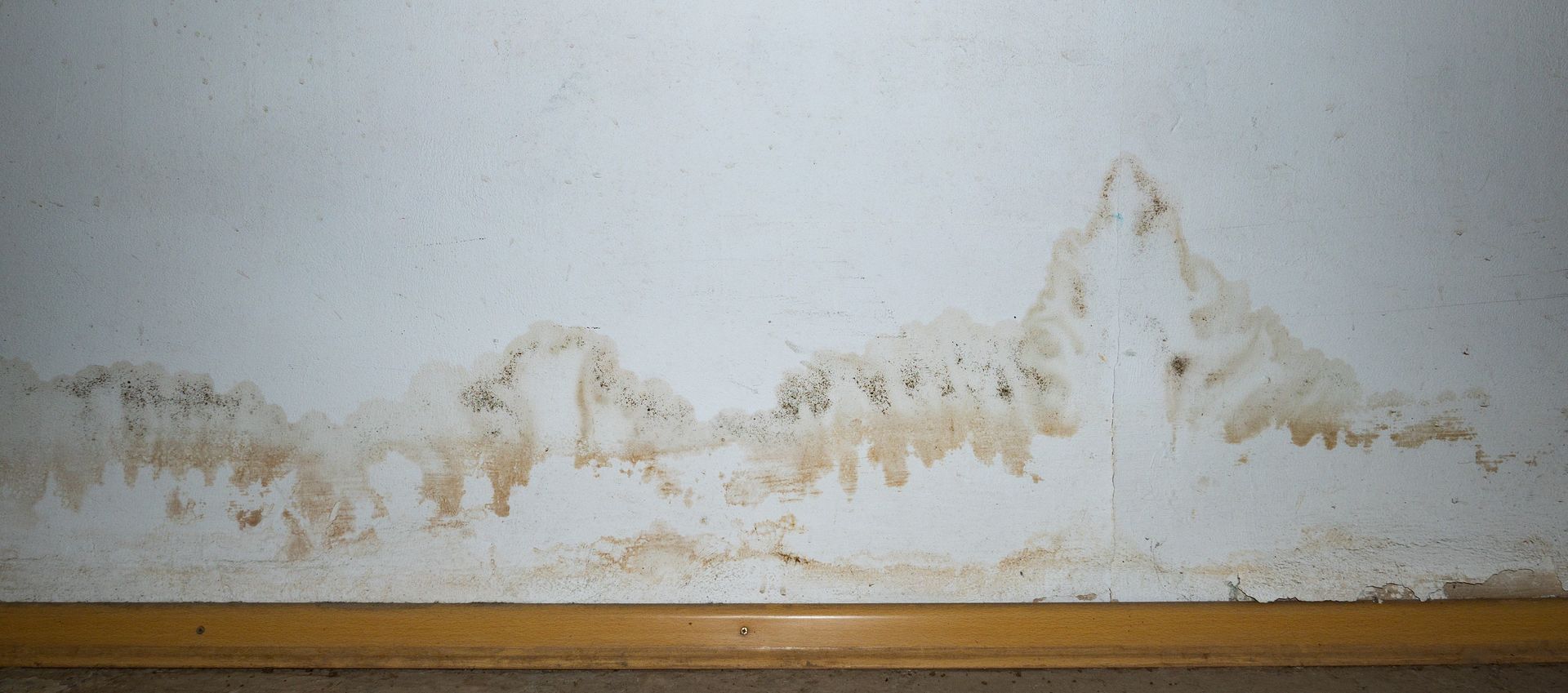
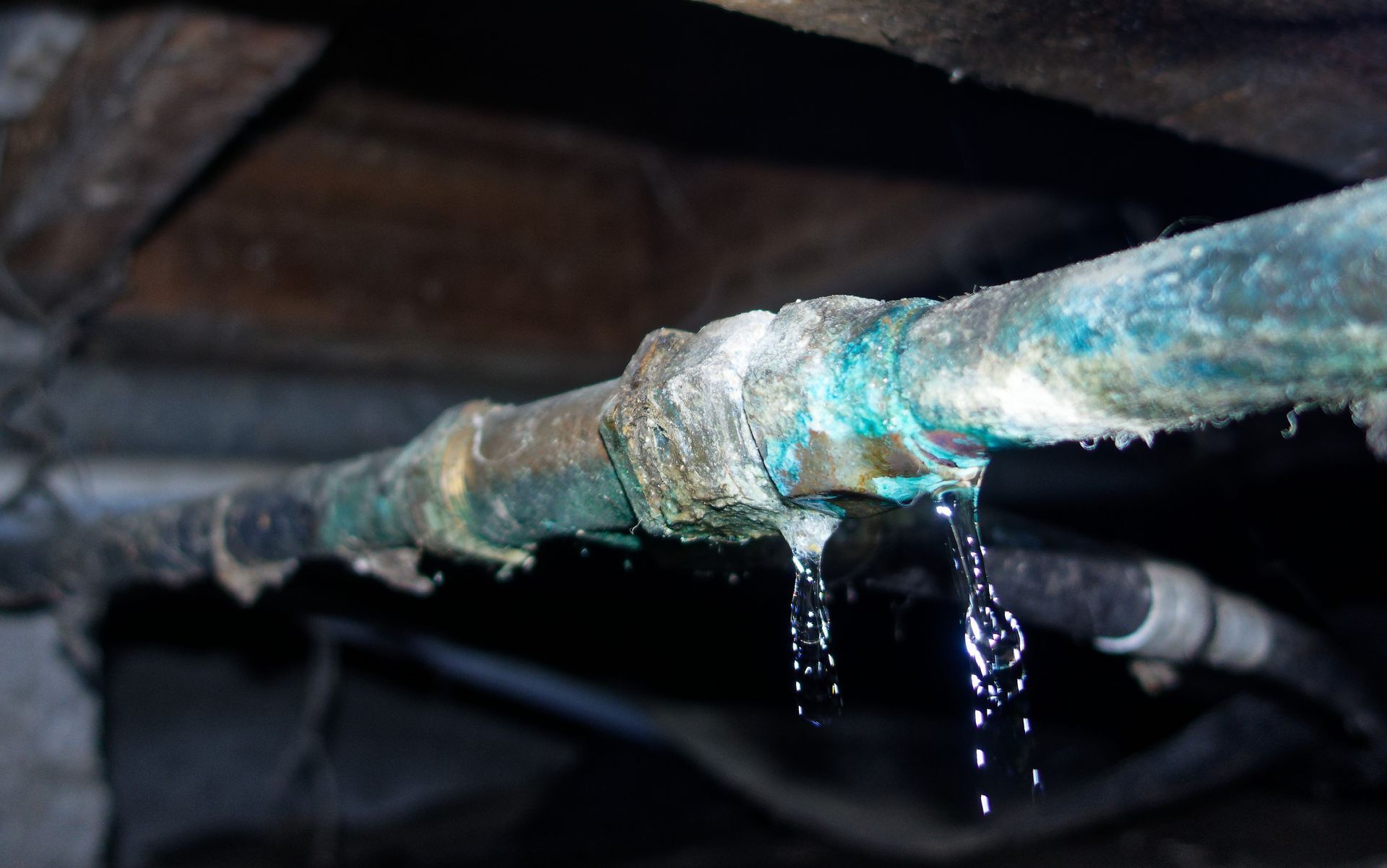
- Basement seepage after heavy rainfall
Take clear photos and videos of everything.
Step 3: Prevent Further Damage (Temporary Protection)
Insurance companies expect homeowners to mitigate additional damage.
Examples include:
- Placing tarps over exposed roof areas
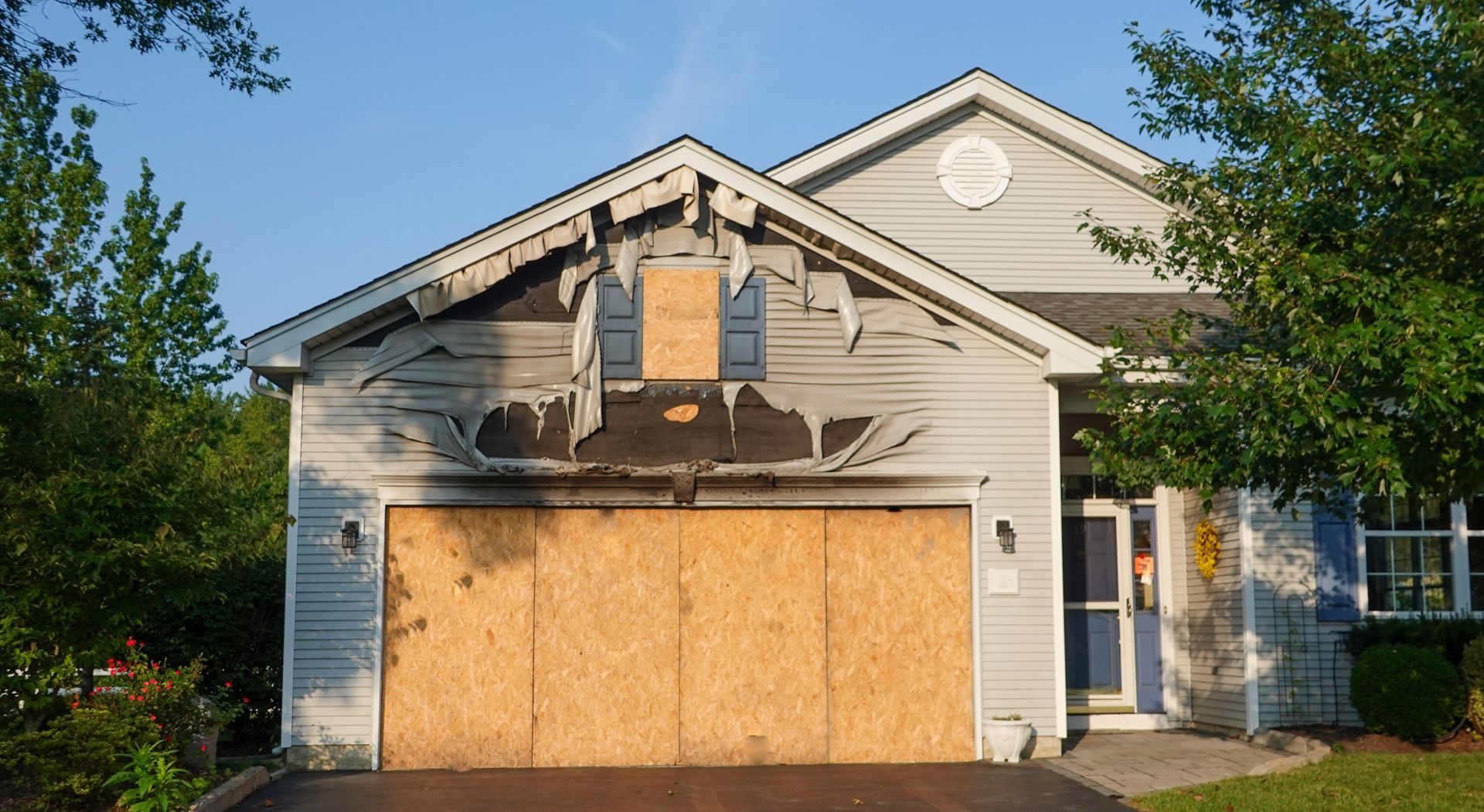
- Boarding up broken windows
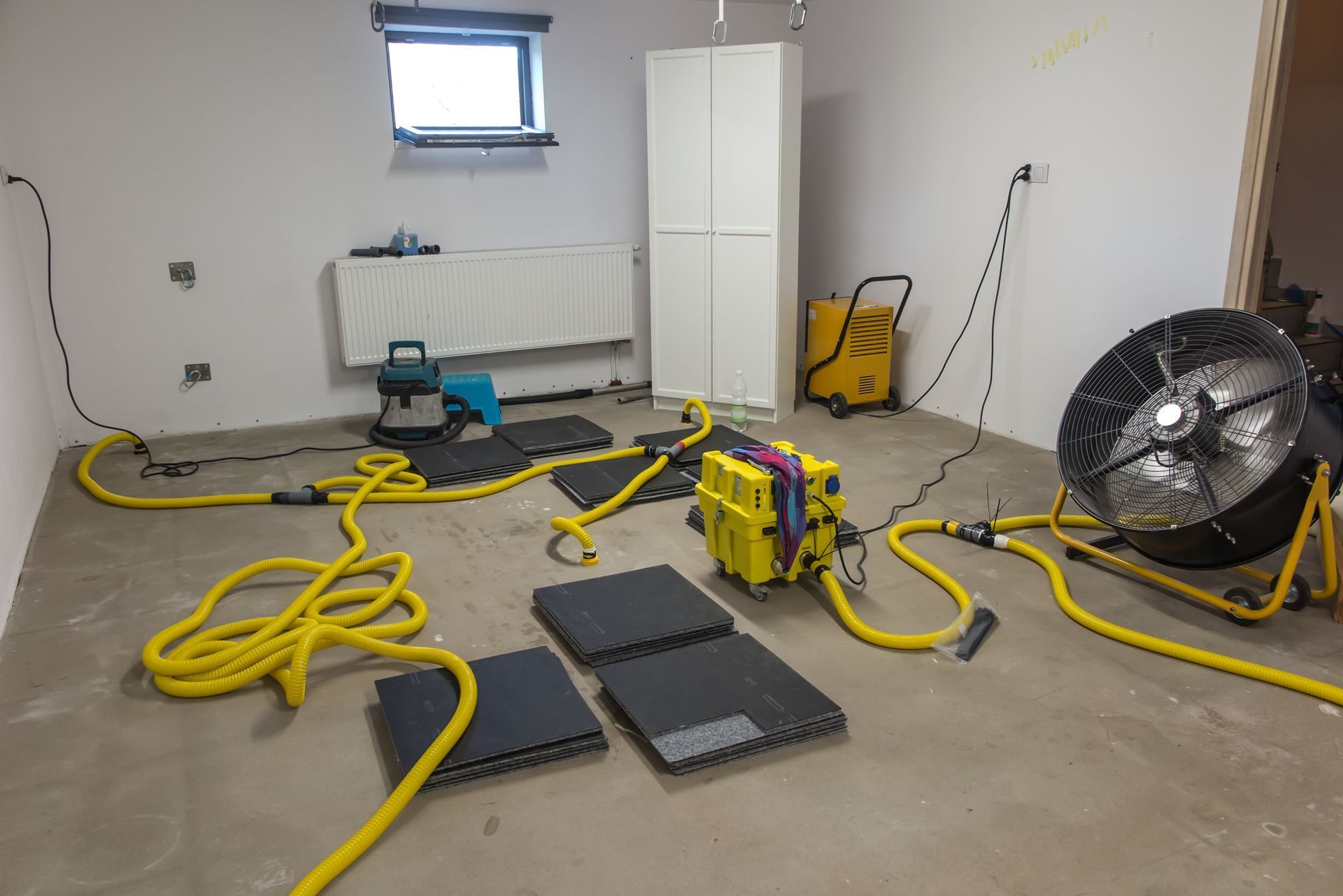
- Removing wet materials from basements
- Redirecting water away from the foundation
Avoid permanent repairs until the insurance adjuster inspects the damage.
Step 4: Contact Your Insurance Company
Call your insurance provider and:
- Report the claim immediately
- Provide photos
- Ask about your deductible
- Schedule an adjuster visit
Pro Tip: Having a local restoration contractor present during the adjuster inspection can help ensure nothing gets overlooked.
Step 5: Schedule a Professional Storm Damage Inspection
Even if damage looks minor, hidden issues can exist.
Professional inspections often uncover:
- Lifted shingles that can cause future leaks
- Hail bruising not visible from the ground
- Flashing damage
- Soft spots in decking
- Gutter separation
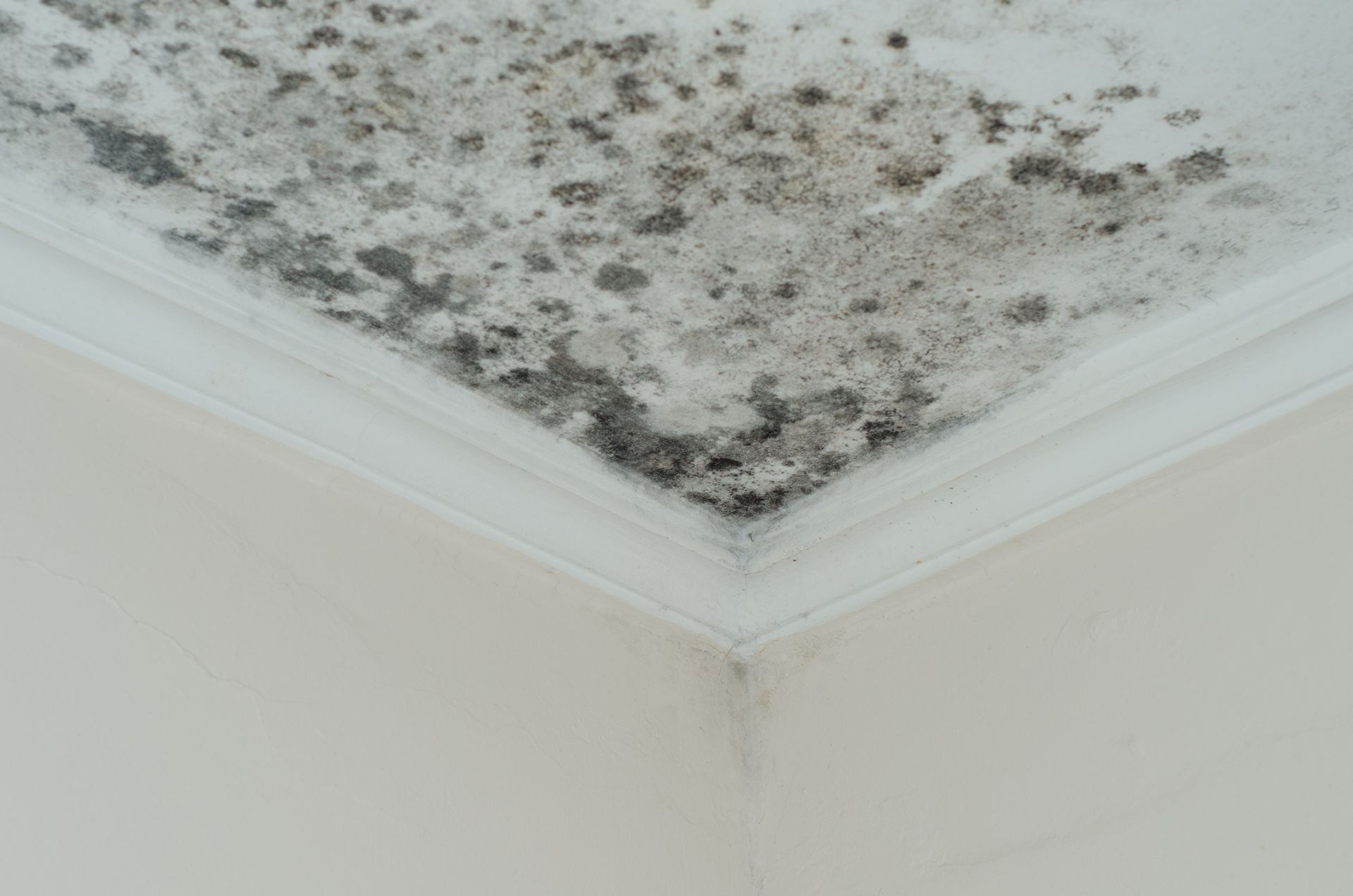
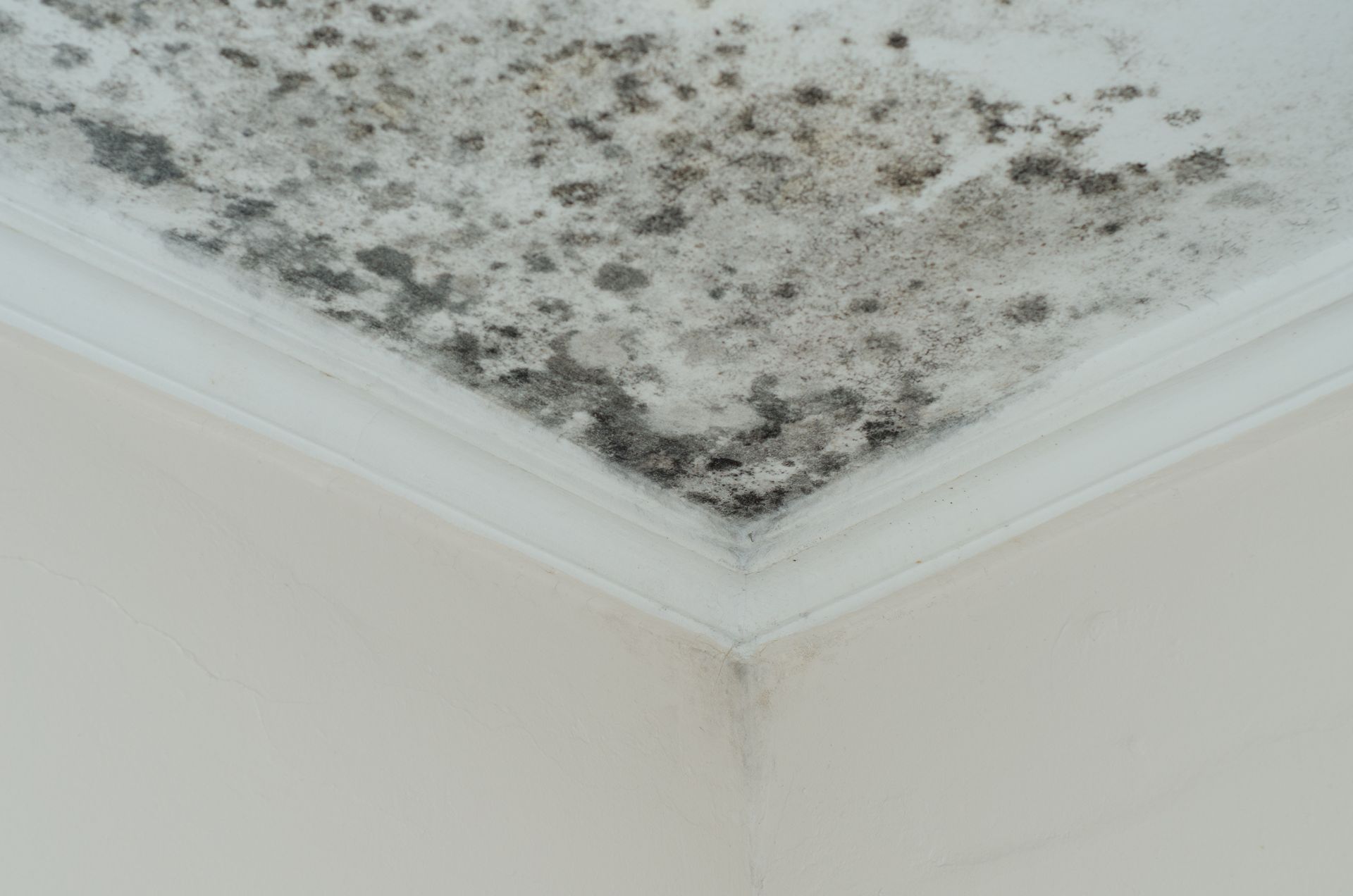
Storm damage that isn’t addressed early can lead to mold growth, structural damage, or insulation problems.
Step 6: Understand the Restoration Timeline
Typical storm restoration in Northeast Ohio includes:
- Emergency mitigation
- Insurance approval
- Material ordering
- Roof or siding replacement
- Final inspection
Timelines vary depending on material availability and storm severity.
Why Storm Damage Is So Common in Northeast Ohio
Living near Lake Erie creates unpredictable weather systems. Areas like:
- Hudson
- Twinsburg
- Aurora
- Streetsboro
regularly experience:
- High wind gusts exceeding 60 mph
- Severe thunderstorms
- Hail events
- Rapid freeze-thaw cycles
Homes in wooded neighborhoods (common in Hudson and Aurora) are especially vulnerable to falling tree damage.
Signs You Should Call a Professional Immediately
Call for professional help if you notice:
- Water stains on ceilings
- Shingles in your yard
- Active leaks
- Large dents in metal flashing
- Warped siding
- Mold smell in basement
The faster storm damage is addressed, the less expensive it typically becomes.
Frequently Asked Questions