A house fire is one of the most overwhelming experiences a homeowner can face. Even a small kitchen or electrical fire can leave behind smoke damage, structural issues, and lingering odors that make a home unsafe or unlivable. For homeowners in
Brecksville
and Broadview Heights, understanding
what the
fire damage restoration process
actually looks like
can remove some of the uncertainty during an already stressful time.
Below is a step-by-step walkthrough of what typically happens after a fire—from the first emergency call to the final stages of reconstruction.
Step 1: Emergency Response & Safety Assessment
Once the fire department clears the property, restoration professionals begin with a
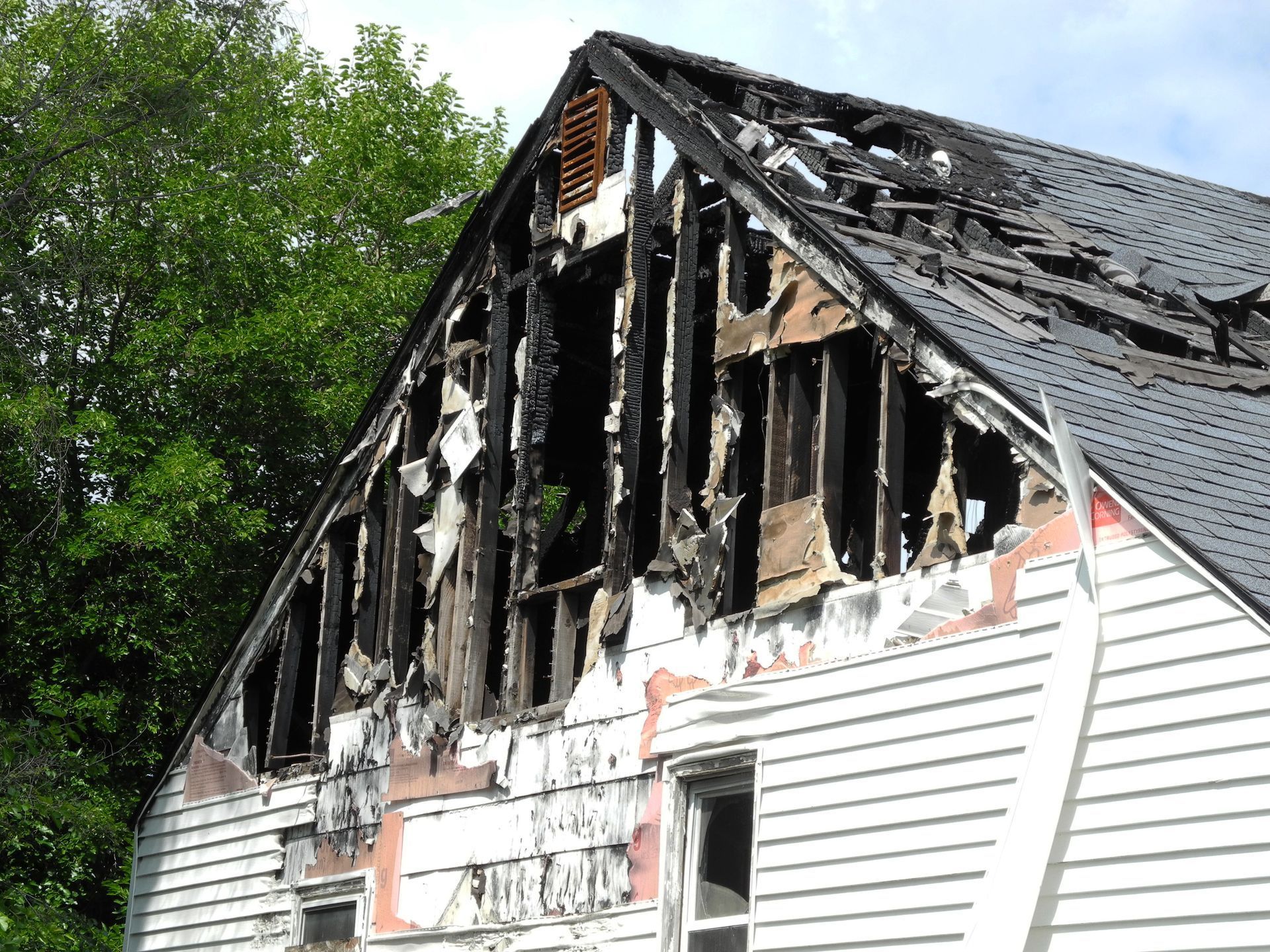
safety inspection. Fire can compromise framing, floors, roofs, and electrical systems, even if the damage isn’t obvious at first glance.
At this stage, professionals will:
- Identify structural hazards
- Check for water damage from firefighting efforts
- Determine which areas are safe to enter
- Document damage for insurance purposes
This initial assessment sets the foundation for the entire restoration plan.
Step 2: Emergency Board-Up & Property Securing
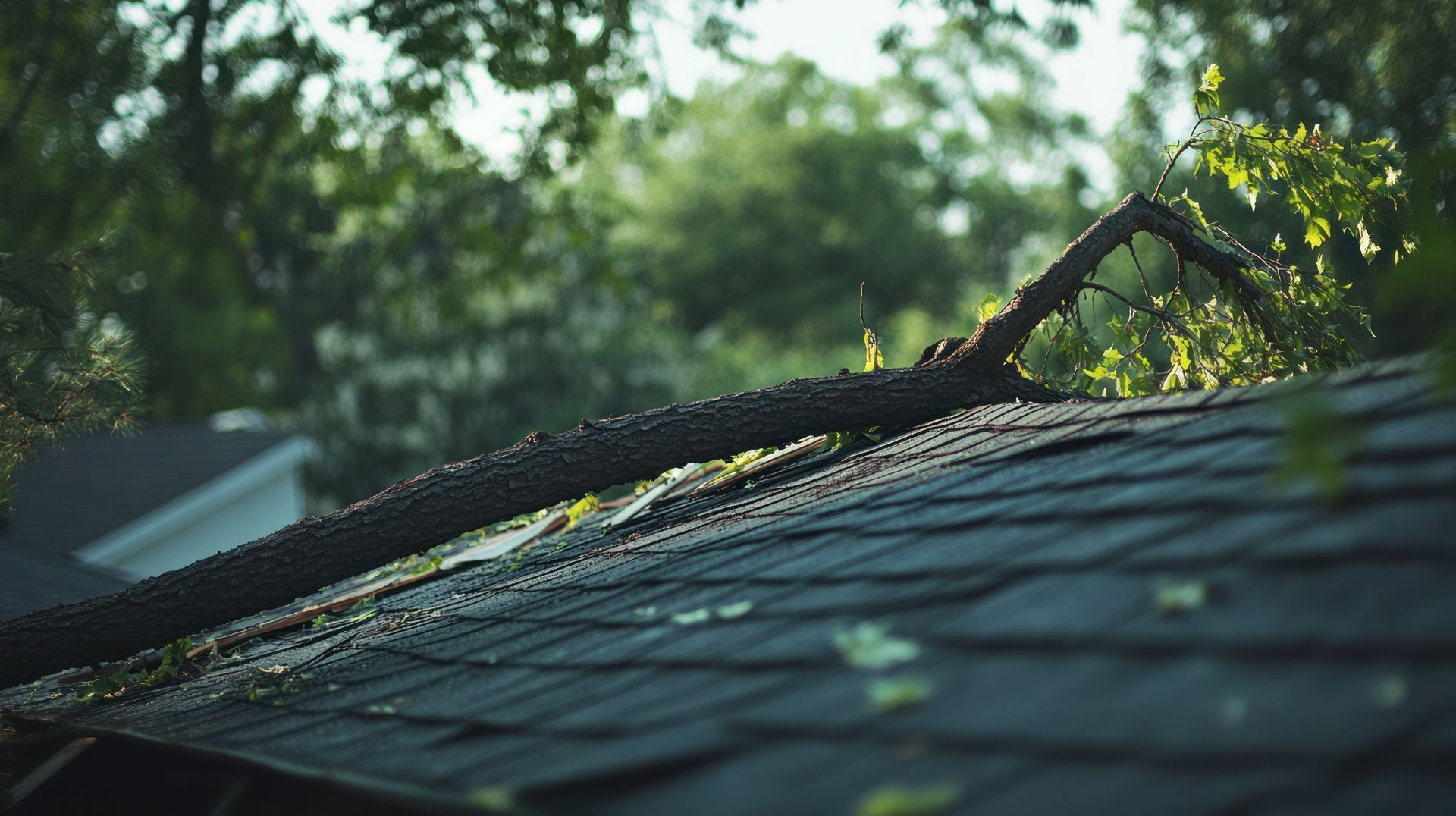
If windows, doors, or the roof were damaged,
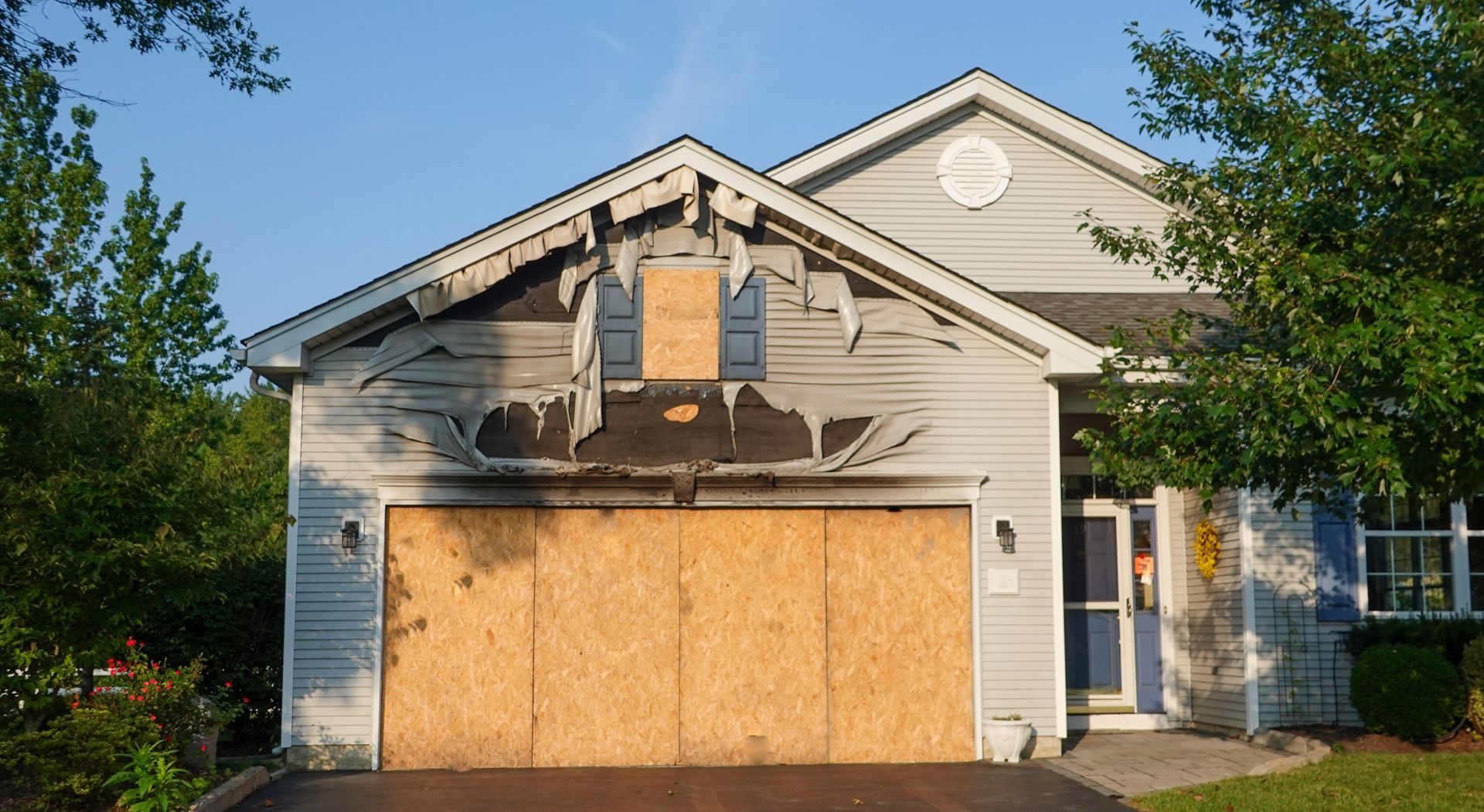
emergency board-up services
are often needed right away. In Northeast Ohio, exposed homes are vulnerable to weather, vandalism, and additional water damage—especially during storms or winter conditions.
Emergency securing may include:
- Boarding up windows and doors
- Installing temporary roof tarps
- Securing garages or walk-out basements
This step protects the home while restoration work is planned and approved.
Step 3: Water Removal & Drying (If Needed)
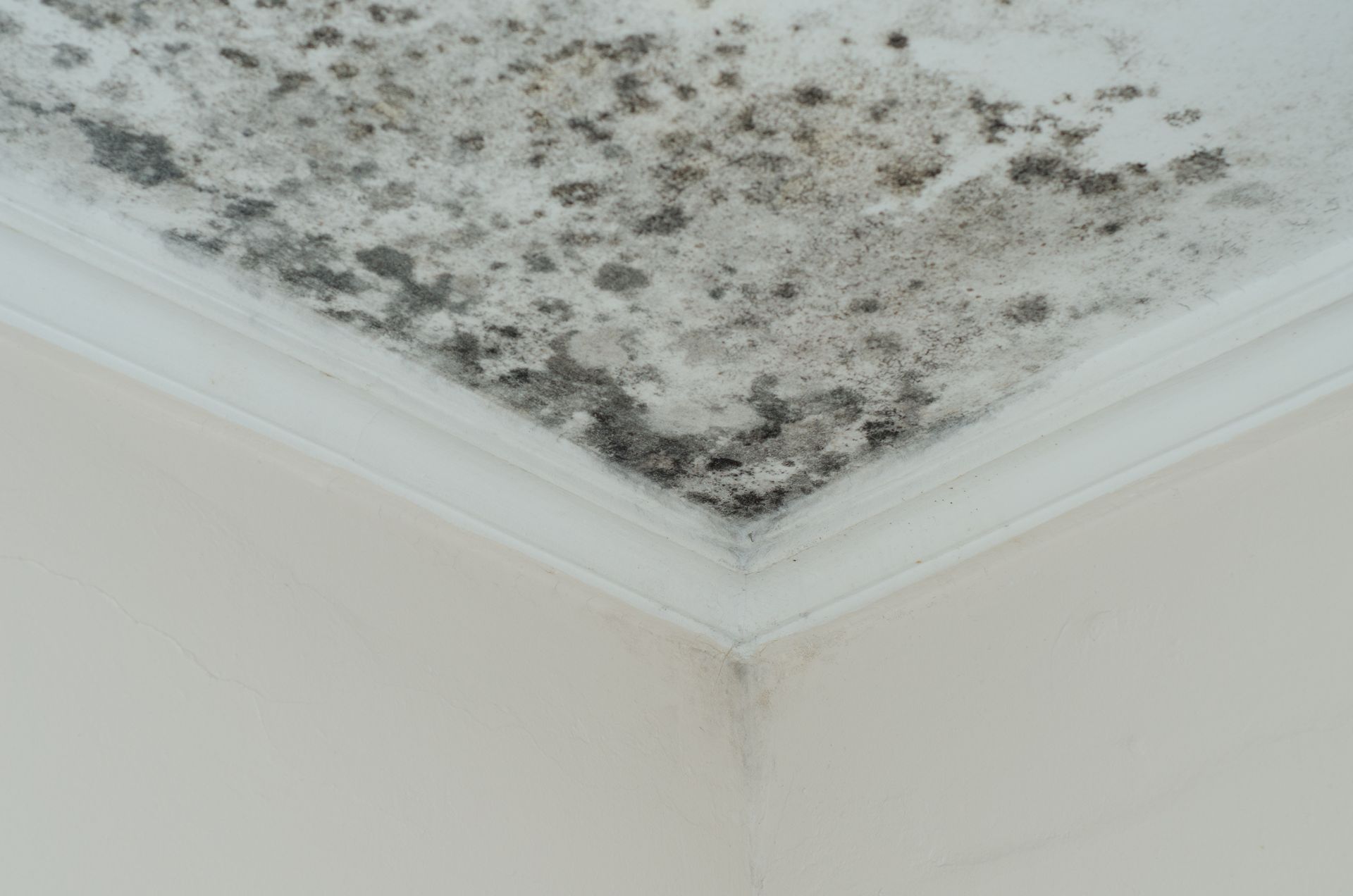
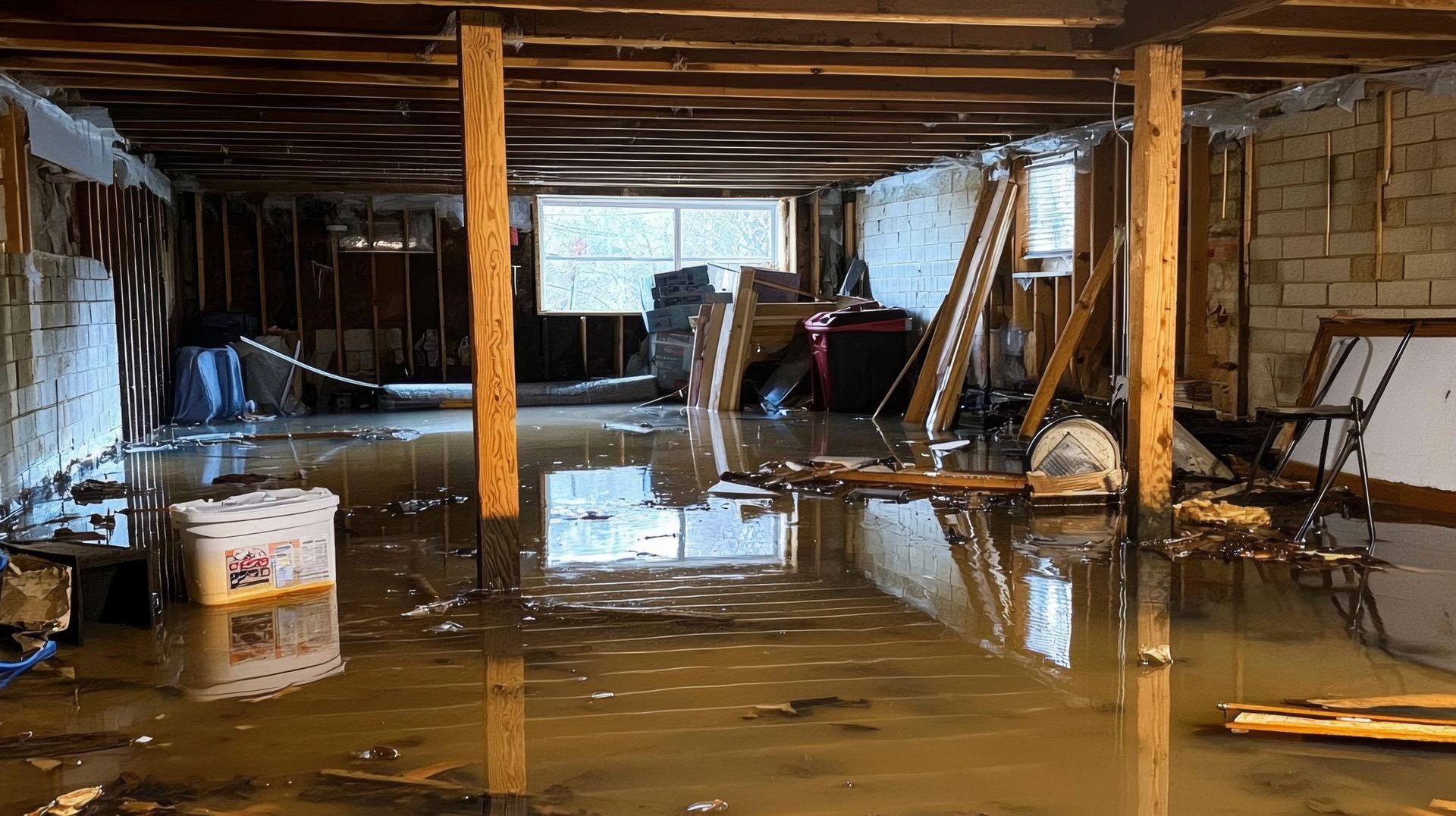
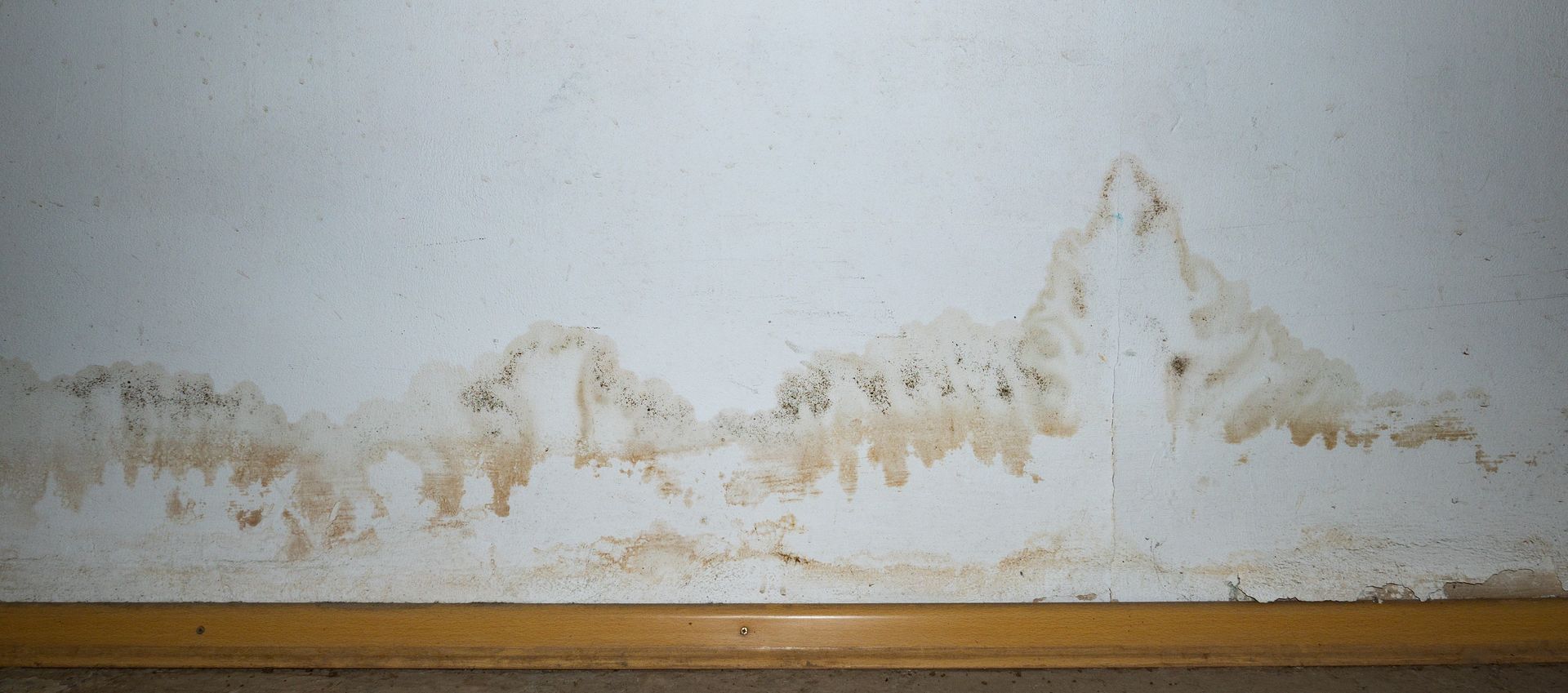
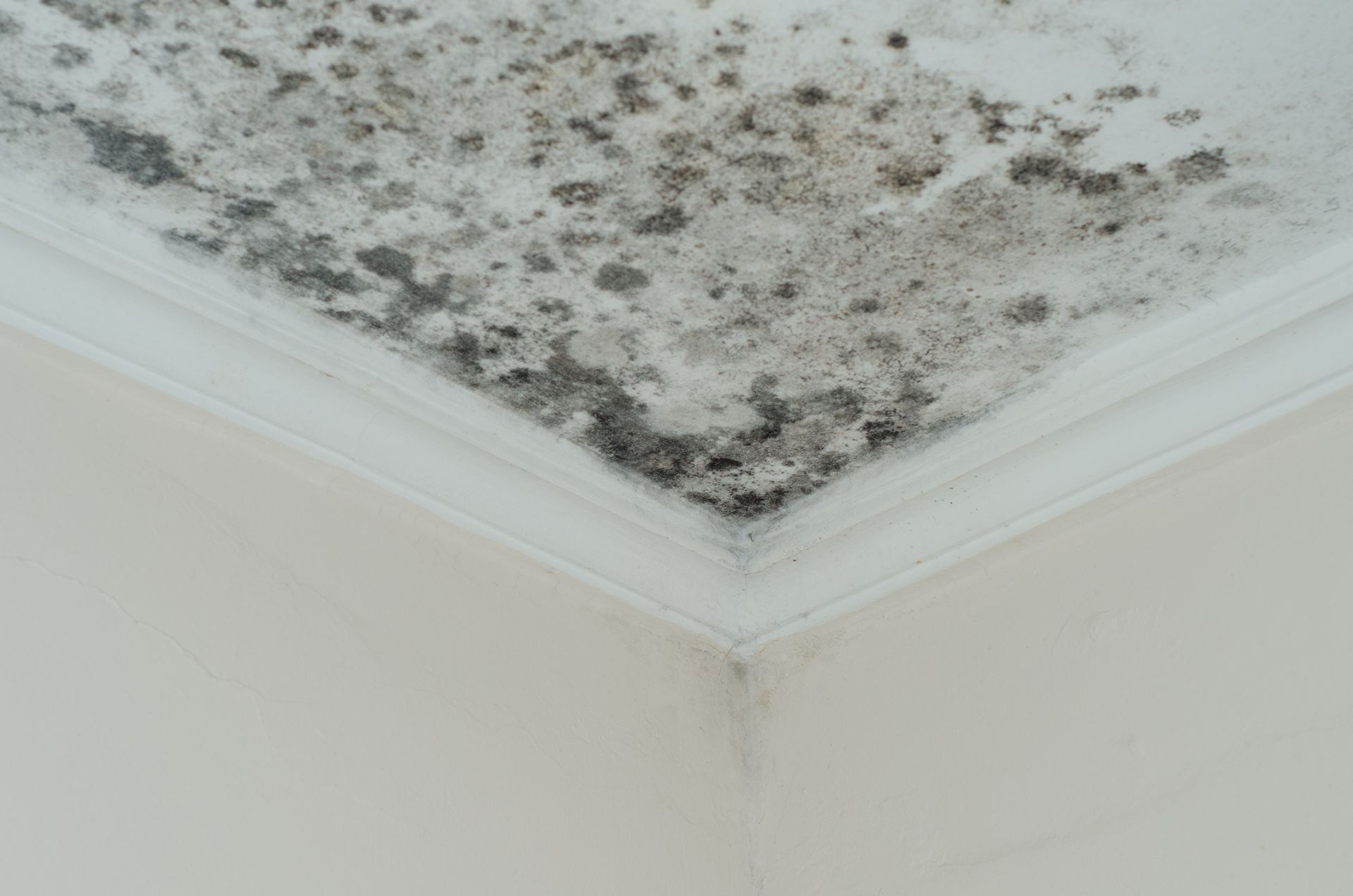
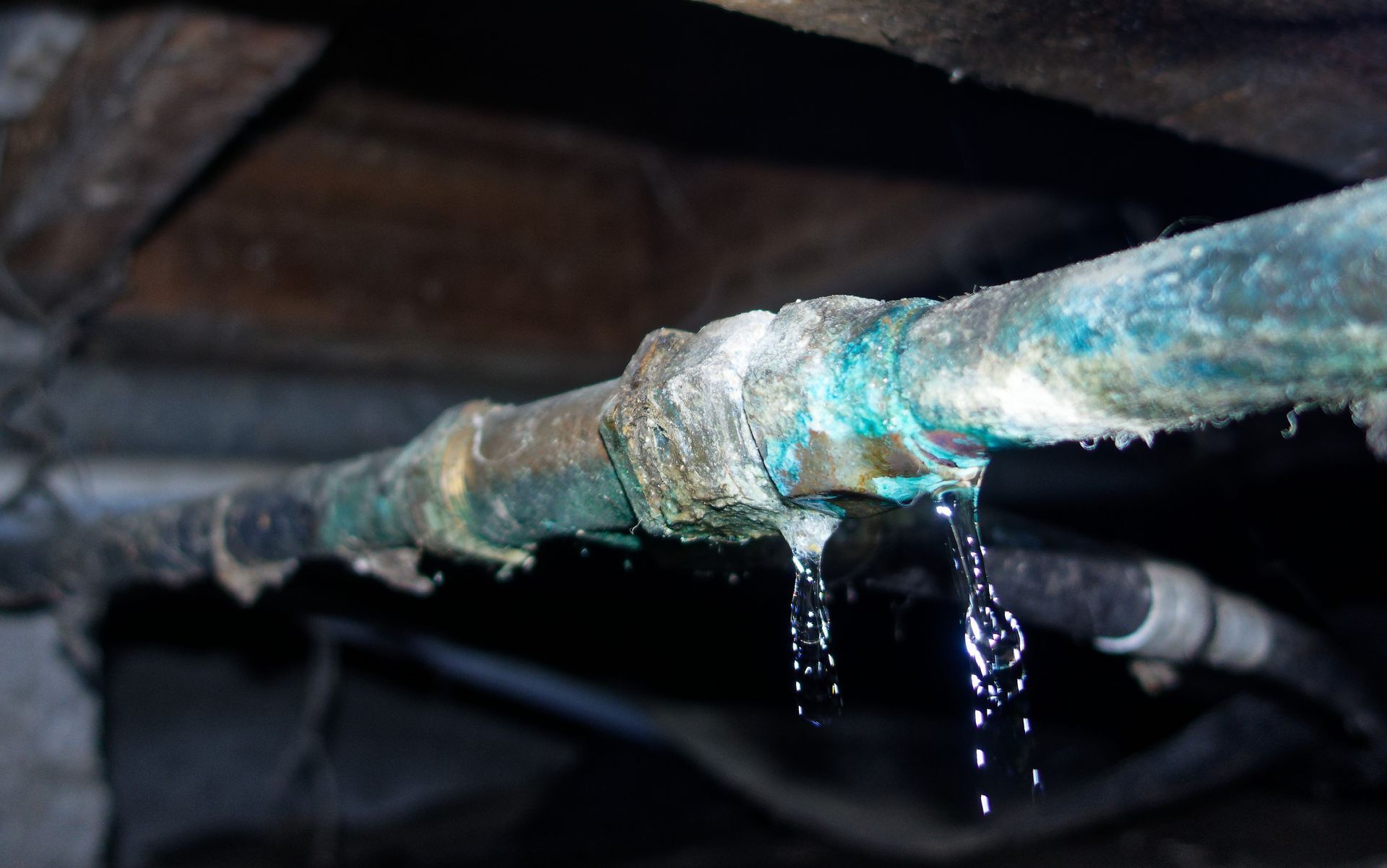
Many homeowners don’t expect water damage after a fire, but hoses and sprinkler systems often soak walls, flooring, and insulation. If left untreated, this moisture can lead to
mold growth and structural decay.
Restoration crews will:
- Extract standing water
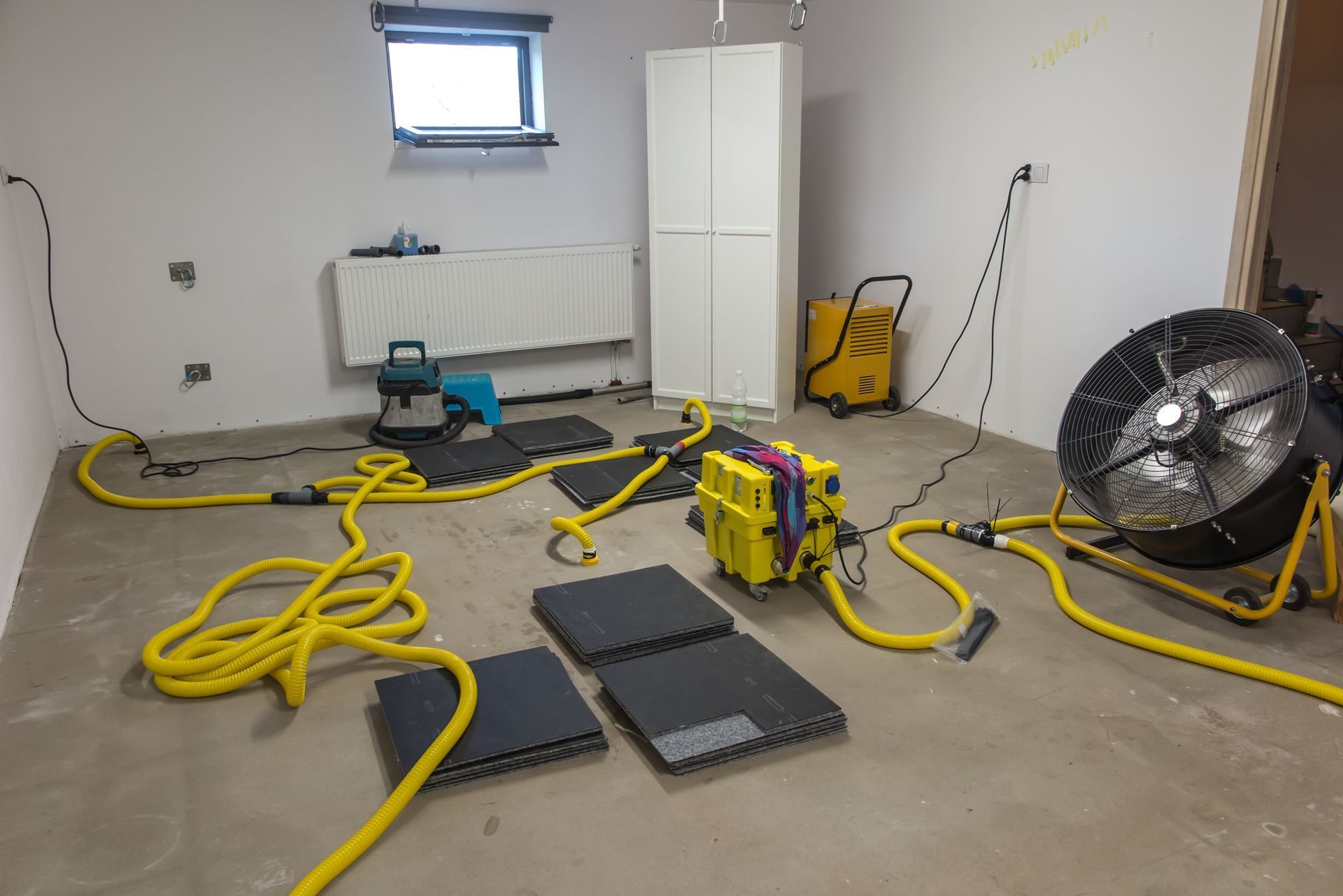
- Use industrial dehumidifiers and air movers
- Monitor moisture levels to ensure thorough drying
Addressing water damage early prevents secondary problems that could delay repairs.
Step 4: Smoke & Soot Removal
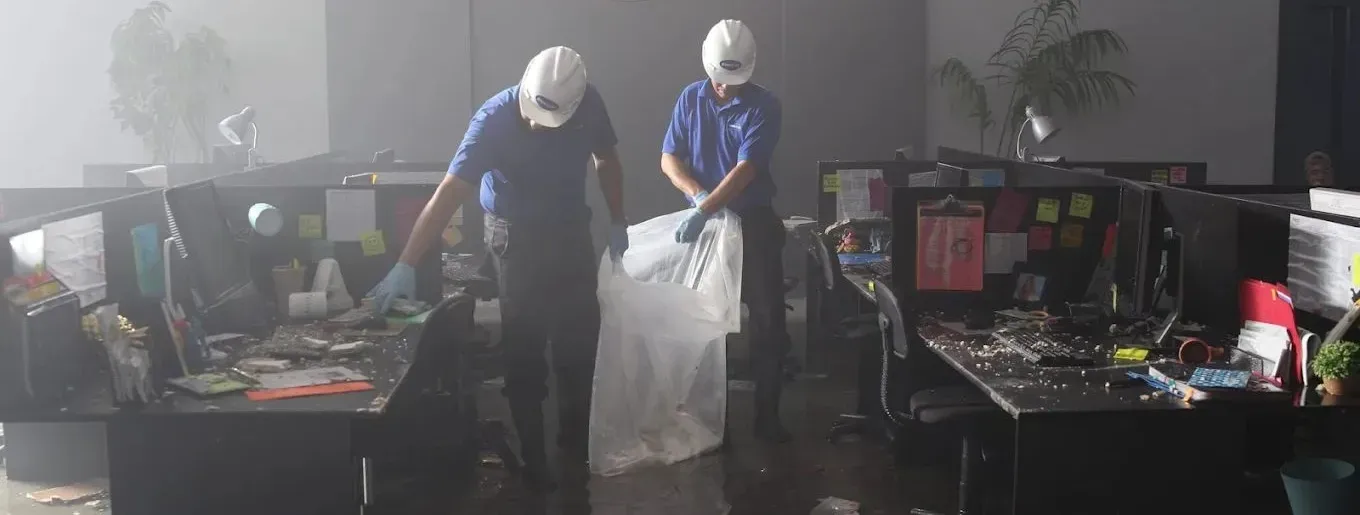
Smoke damage travels far beyond the burned area. Soot particles can embed themselves into drywall, ceilings, furniture, HVAC systems, and personal belongings throughout the home.
This phase typically includes:
- Specialized cleaning of walls, ceilings, and surfaces
- HVAC system inspection and cleaning
- Removal of soot residue from hard-to-reach areas
Different types of smoke—such as protein smoke from kitchens or synthetic smoke from plastics—require different cleaning techniques.
Step 5: Smoke Odor Deodorization
Even after visible soot is removed,
smoke odors can linger
if not treated correctly. Simple air fresheners or DIY methods won’t solve the problem long-term.
Professional deodorization may involve:
- HEPA air scrubbers
- Thermal fogging
- Ozone or hydroxyl treatments
- Sealing odor-affected surfaces when necessary
The goal is to neutralize odor at the source—not just mask it.
Step 6: Contents Cleaning & Salvage
Many personal belongings can be saved with proper cleaning, including:
- Furniture
- Clothing and textiles
- Electronics
- Documents and photographs
Items are carefully evaluated, cleaned off-site or on-site, and inventoried for insurance claims. This step can make a significant emotional difference for homeowners after a loss.
Step 7: Fire Damage Repairs & Reconstruction
Once cleanup is complete, the final phase is
rebuilding the damaged areas
of the home. This can range from minor repairs to full structural reconstruction, depending on the severity of the fire.
Reconstruction may include:
- Drywall replacement
- Flooring and trim installation
- Cabinet and countertop replacement
- Electrical and plumbing repairs
- Full room or home rebuilds
Working with a restoration company that also handles construction streamlines the process and reduces delays.
What Makes Fire Restoration in Brecksville & Broadview Heights Unique?
Homes in Brecksville and Broadview Heights often feature:
- Finished basements
- Older construction materials
- Attached garages
- Multi-level layouts
These factors can influence how smoke travels, where water collects, and how long restoration takes. Local experience matters when navigating building codes, weather conditions, and insurance expectations specific to Cuyahoga County.
What Homeowners Should Do Immediately After a Fire
If your home has experienced fire damage:
- Do not re-enter until it’s declared safe
- Contact your insurance company
- Document visible damage if possible
- Avoid cleaning soot yourself—it can spread damage
- Call a professional fire damage restoration company right away
Quick action can significantly reduce repair costs and recovery time.
Final Thoughts
Fire damage cleanup is more than just removing charred materials—it’s a
carefully coordinated process
designed to restore safety, comfort, and normalcy as quickly as possible. Knowing what to expect helps homeowners in Brecksville and Broadview Heights feel more prepared and confident during recovery.