What to Do in the First 24 Hours After Hail Damage
When a hailstorm hits Northeast Ohio, the damage is not always obvious right away. Some hail damage is easy to spot, like broken siding, dented gutters, or shattered roof shingles. Other damage may be hidden until the next rainstorm, when water starts leaking into your attic, ceiling, walls, or basement.The first 24 hours after hail damage are important. Taking the right steps early can help protect your home, prevent additional damage, and make the insurance claim process easier.If your home in Macedonia, Hudson, Aurora, Twinsburg, Chagrin Falls, Streetsboro, Brecksville, Broadview Heights, Beachwood, or the surrounding Northeast Ohio area was hit by hail, use this checklist to know what to do next.
Step 1: Make Sure Everyone Is Safe
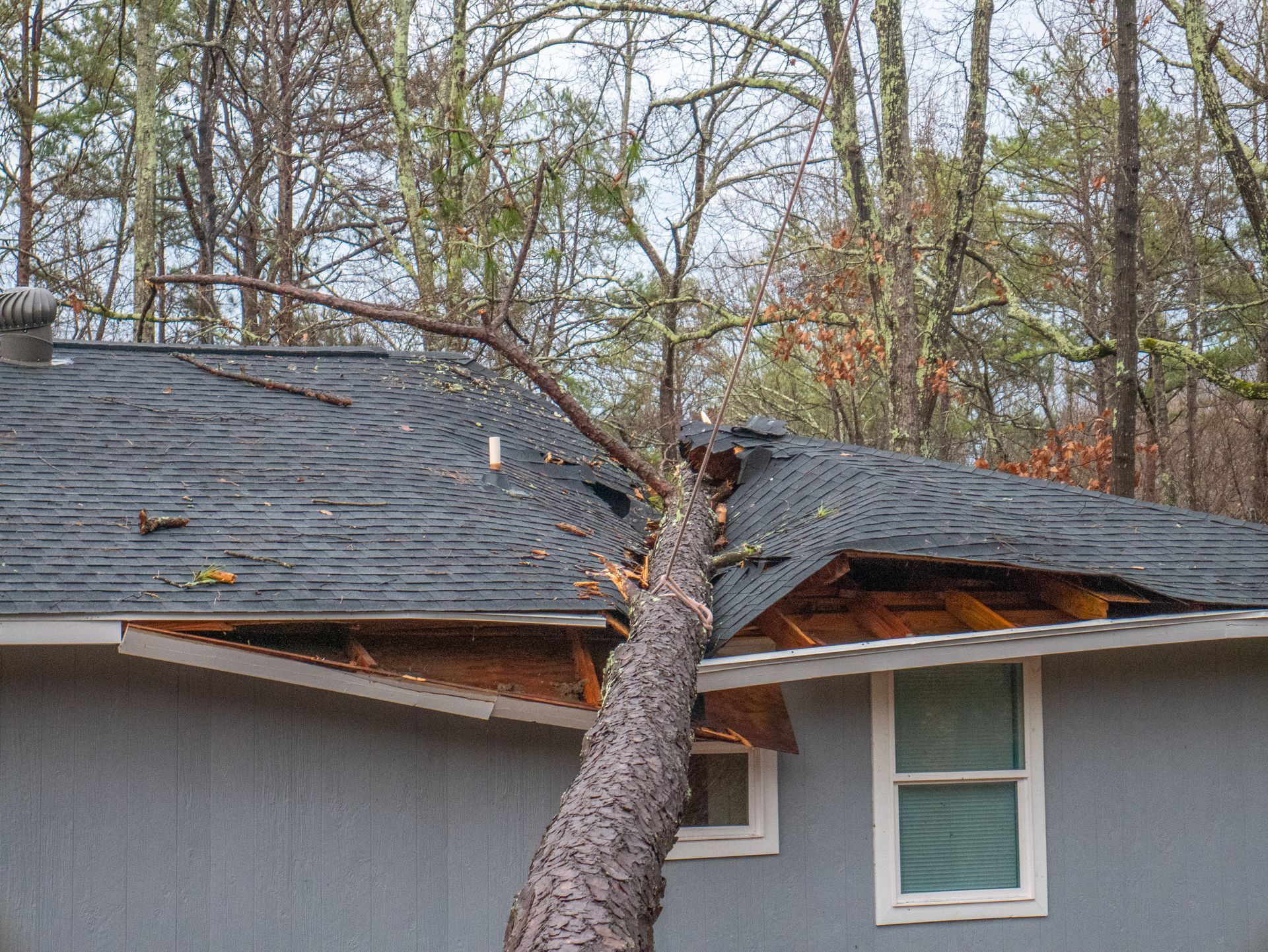
Before inspecting your home, make sure the storm has fully passed and it is safe to go outside. Avoid walking around your property during heavy rain, lightning, high winds, or active hail. Do not climb on your roof after a storm. Hail, rain, loose shingles, and damaged roof materials can make surfaces slippery and dangerous. Even if the damage looks minor from the ground, the roof may be unsafe.
If you notice downed power lines, broken glass, fallen trees, or major structural damage, stay away from those areas and call the appropriate emergency services.
Step 2: Check for Immediate Water Intrusion
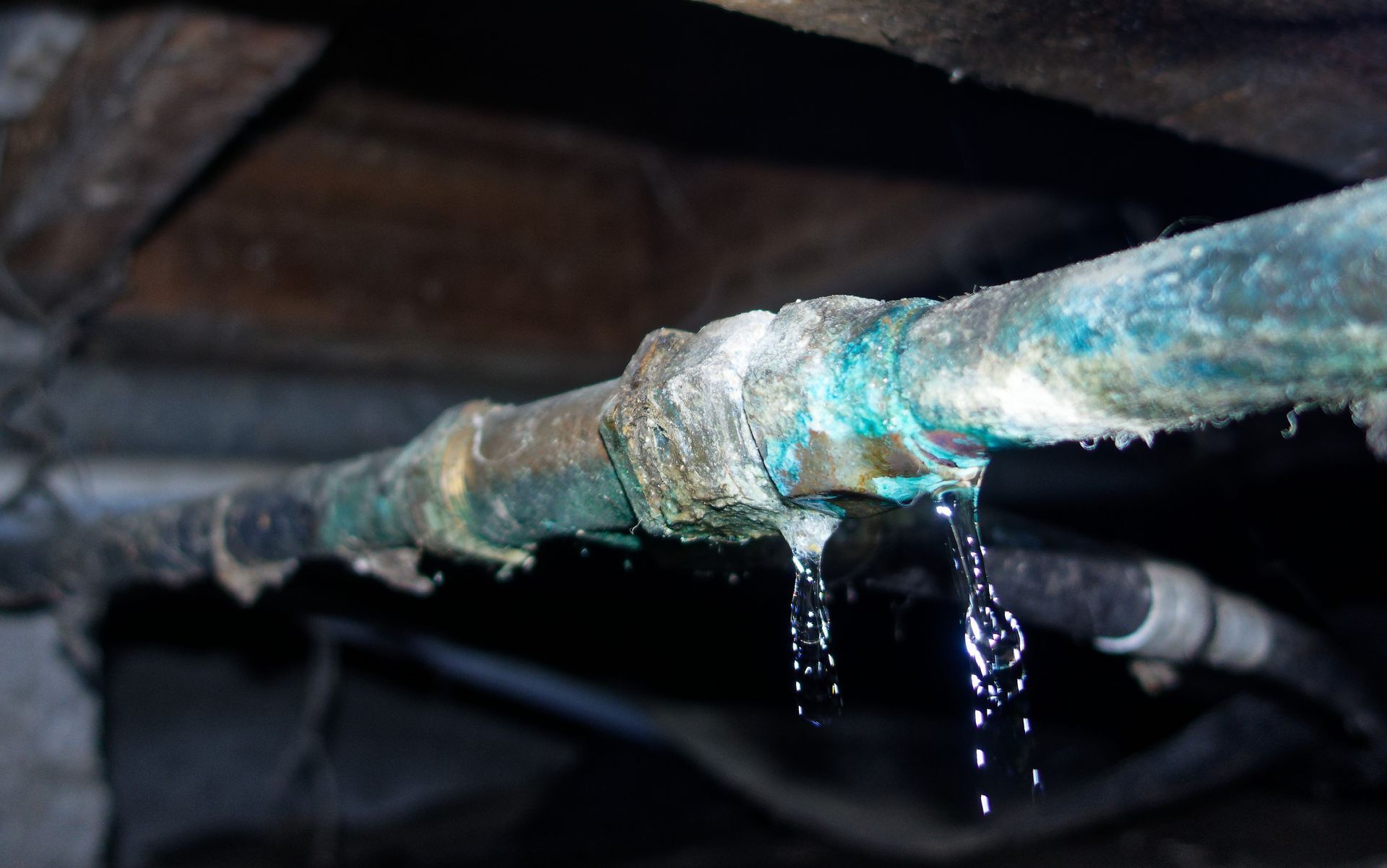
After hail damage, one of the biggest concerns is water getting into your home. Hail can crack, loosen, or puncture roofing materials, allowing rainwater to enter the attic, ceilings, walls, and insulation.
Start by checking inside your home for signs of leaks, including:
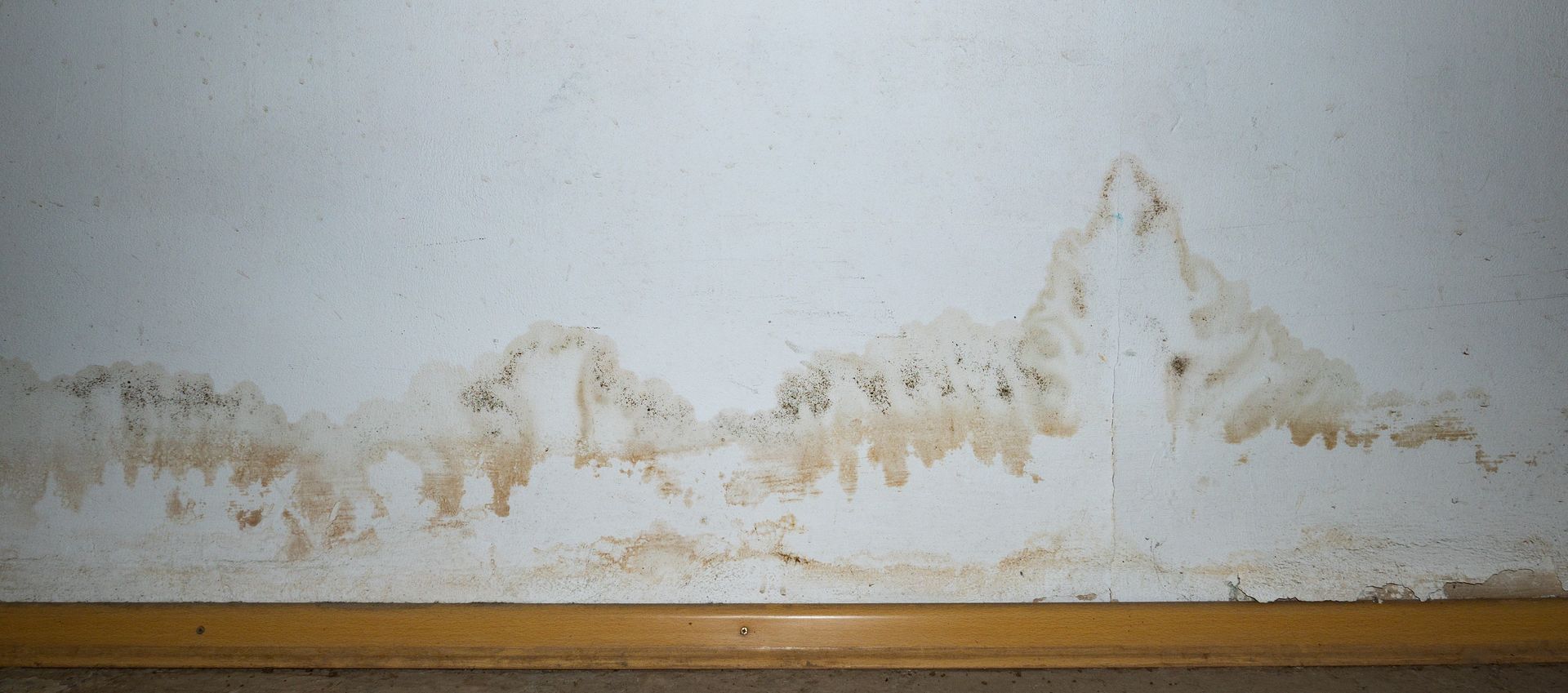
- Water stains on ceilings or walls
- Dripping water
- Wet insulation in the attic
- Damp carpet or flooring
- Musty odors
- Bubbling paint or drywall
- Water near windows or exterior doors
If water is actively coming in, place buckets or towels in the affected area and move furniture, electronics, rugs, and valuables away from the leak. The goal is to limit additional damage until a professional can inspect and stabilize the property.
Step 3: Walk Around the Exterior From the Ground
Once it is safe, inspect your property from the ground. You do not need to get on a ladder or climb on the roof to identify possible hail damage.
Look for visible signs such as:
- Dented gutters and downspouts
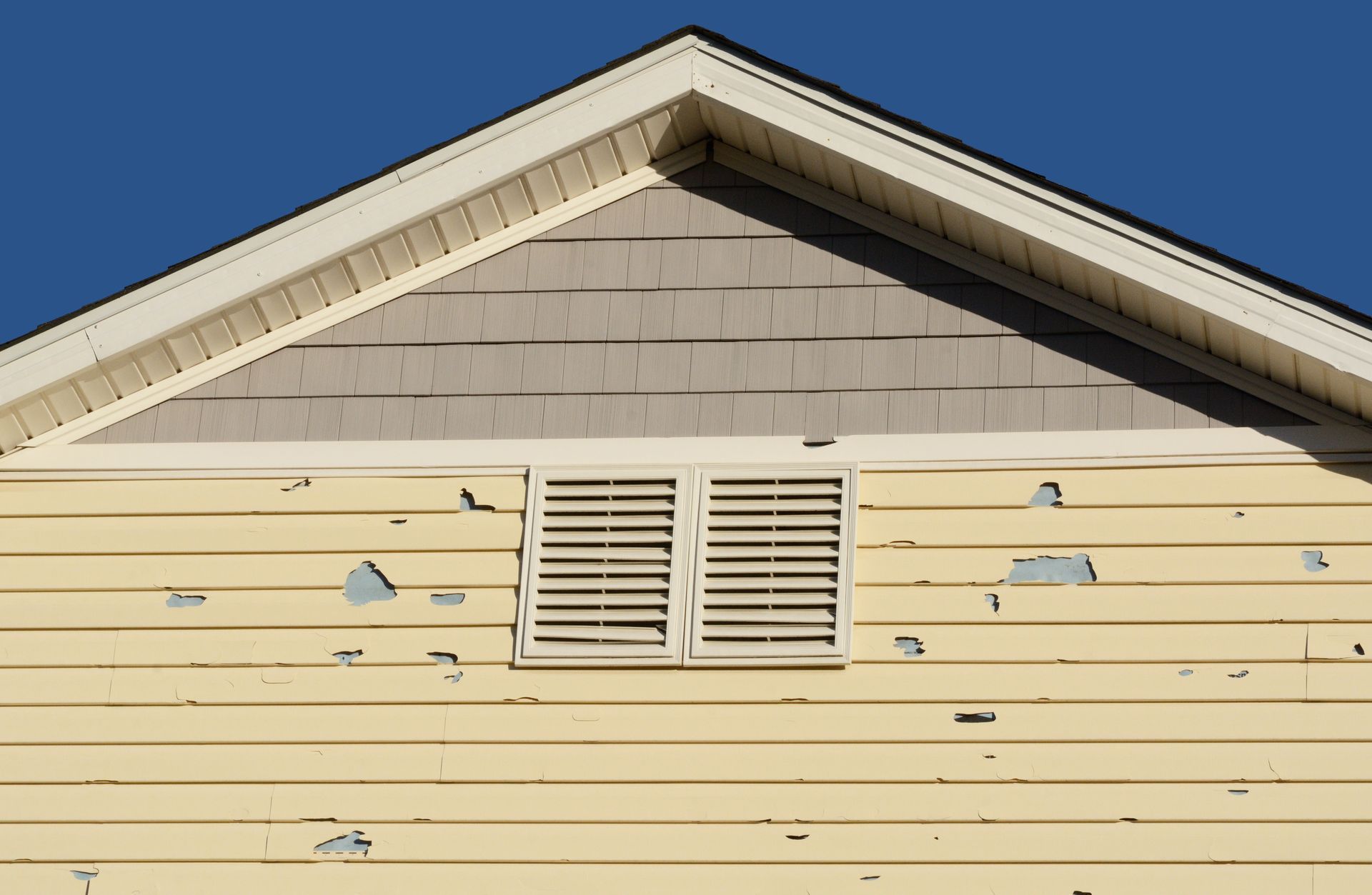
- Damaged siding
- Cracked or chipped paint
- Broken window screens
- Damaged shutters
- Dented garage doors
- Granules from shingles collecting near downspouts
- Pieces of shingles or roofing materials on the ground
- Damage to outdoor HVAC units
- Broken skylights or roof vents
Even if your roof looks fine from the ground, hail can cause bruising, granule loss, lifted shingles, or small cracks that may not be visible without a professional inspection.
Step 4: Take Photos and Videos Before Cleaning Up
Documentation is one of the most important things you can do after hail damage. Before moving debris, making repairs, or throwing anything away, take clear photos and videos of the damage.
Capture:
- Each side of the home
- Roofline and gutters
- Siding damage
- Window and screen damage
- Decks, patios, and outdoor structures
- Interior leaks or water stains
- Damaged personal belongings
- Hailstones, if still visible
- Fallen branches or debris
Take wide-angle photos to show the overall area and close-up photos to show the details. If possible, include a common object, such as a coin or ruler, next to hailstones or dents to show size and scale.
Step 5: Prevent Further Damage
Most homeowners insurance policies require property owners to take reasonable steps to prevent additional damage after a storm. This does not mean you need to make permanent repairs immediately, but you should try to protect the property from getting worse.
This may include:
- Covering broken windows
- Placing tarps over exposed areas
- Moving belongings away from leaks
- Drying wet areas when possible
- Removing small debris from walkways
- Keeping receipts for emergency materials or services
For roof damage, large leaks, or structural concerns, it is best to call a restoration professional. Temporary roof tarping, board-up services, and emergency mitigation can help protect your home while the insurance claim and repair process begins.
Step 6: Do Not Make Permanent Repairs Too Quickly
It may be tempting to fix the damage right away, especially if you are worried about leaks or curb appeal. However, making permanent repairs before the damage is documented and inspected can complicate the insurance claim process. Temporary repairs are usually appropriate when needed to protect your home. Permanent repairs should typically wait until the damage has been assessed, documented, and reviewed by the necessary professionals.
Keep all receipts, invoices, and photos related to any emergency work you have done.
Step 7: Contact a Professional Restoration Company
Hail damage often affects more than one part of a home. A roof may be damaged along with gutters, siding, windows, insulation, drywall, or interior finishes. That is why it helps to work with a company that understands both restoration and construction.
A professional inspection can help identify:
- Roof damage
- Water intrusion
- Siding and exterior damage
- Interior moisture concerns
- Structural issues
- Areas at risk for mold growth
- Repairs needed to restore the home properly
Flynn & Co. Restoration and Construction helps Northeast Ohio homeowners respond quickly after storm, hail, water, and property damage. Our team can assess the damage, help prevent further issues, and provide the restoration and reconstruction services needed to get your home back to normal.
Step 8: Notify Your Insurance Company
After documenting the damage and protecting your home from further harm, contact your insurance company to report the hail damage. They will explain your next steps, claim number, deductible, and inspection process.
When speaking with your insurance company, be prepared to provide:
- Date and approximate time of the storm
- Photos and videos of damage
- Description of what you noticed
- Any emergency steps you took
- Receipts for temporary repairs
- Contact information for your restoration contractor
Avoid guessing about the full extent of the damage. It is okay to say that you have visible damage and are having the property professionally inspected.
Step 9: Watch for Hidden Damage Over the Next Few Days
Some hail-related issues do not appear immediately. Water may enter slowly, especially if hail damaged shingles, flashing, vents, or roof penetrations.
In the days after the storm, keep an eye out for:
- New ceiling stains
- Musty smells
- Damp attic insulation
- Peeling paint
- Soft drywall
- Water spots around windows
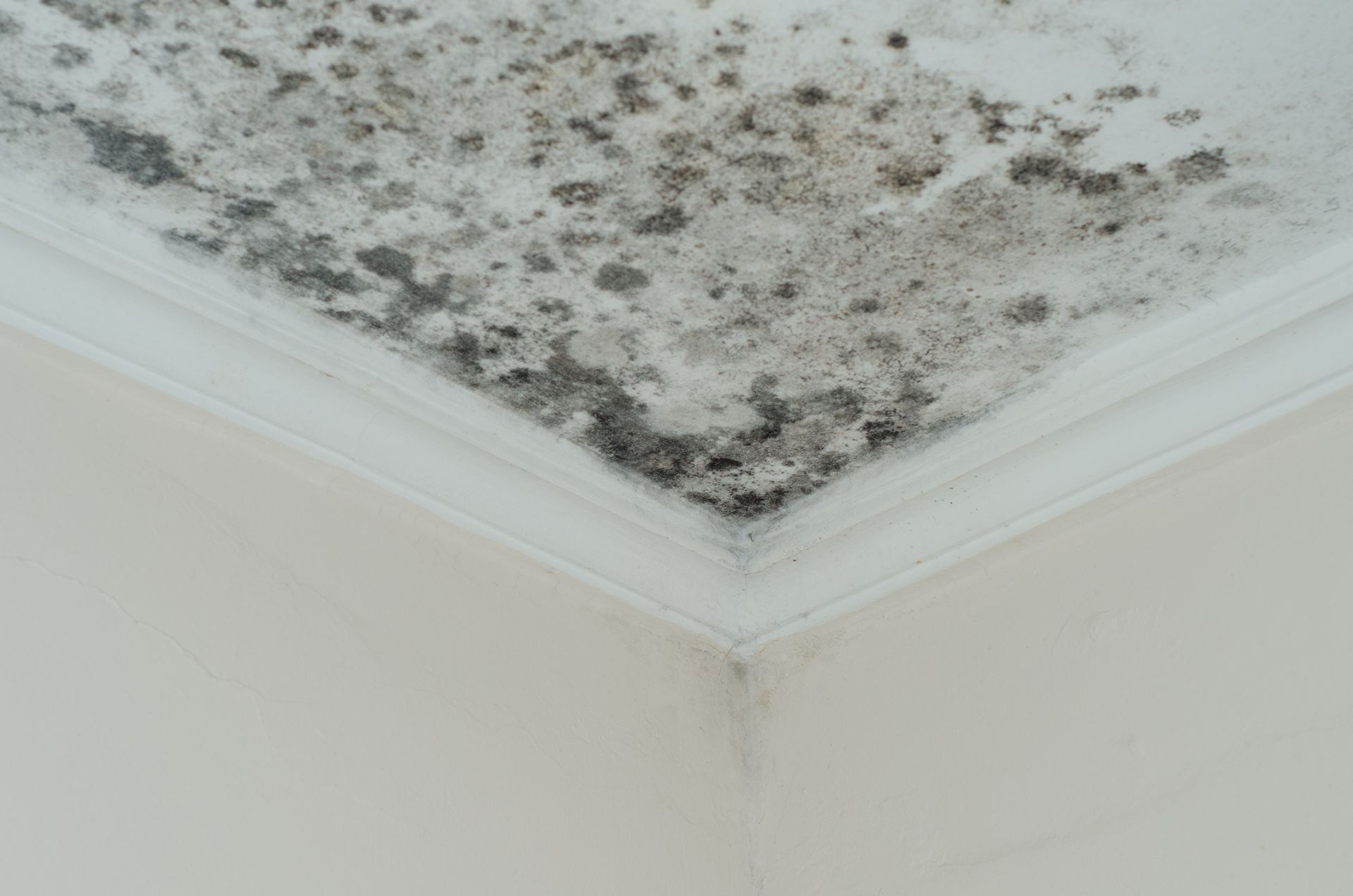
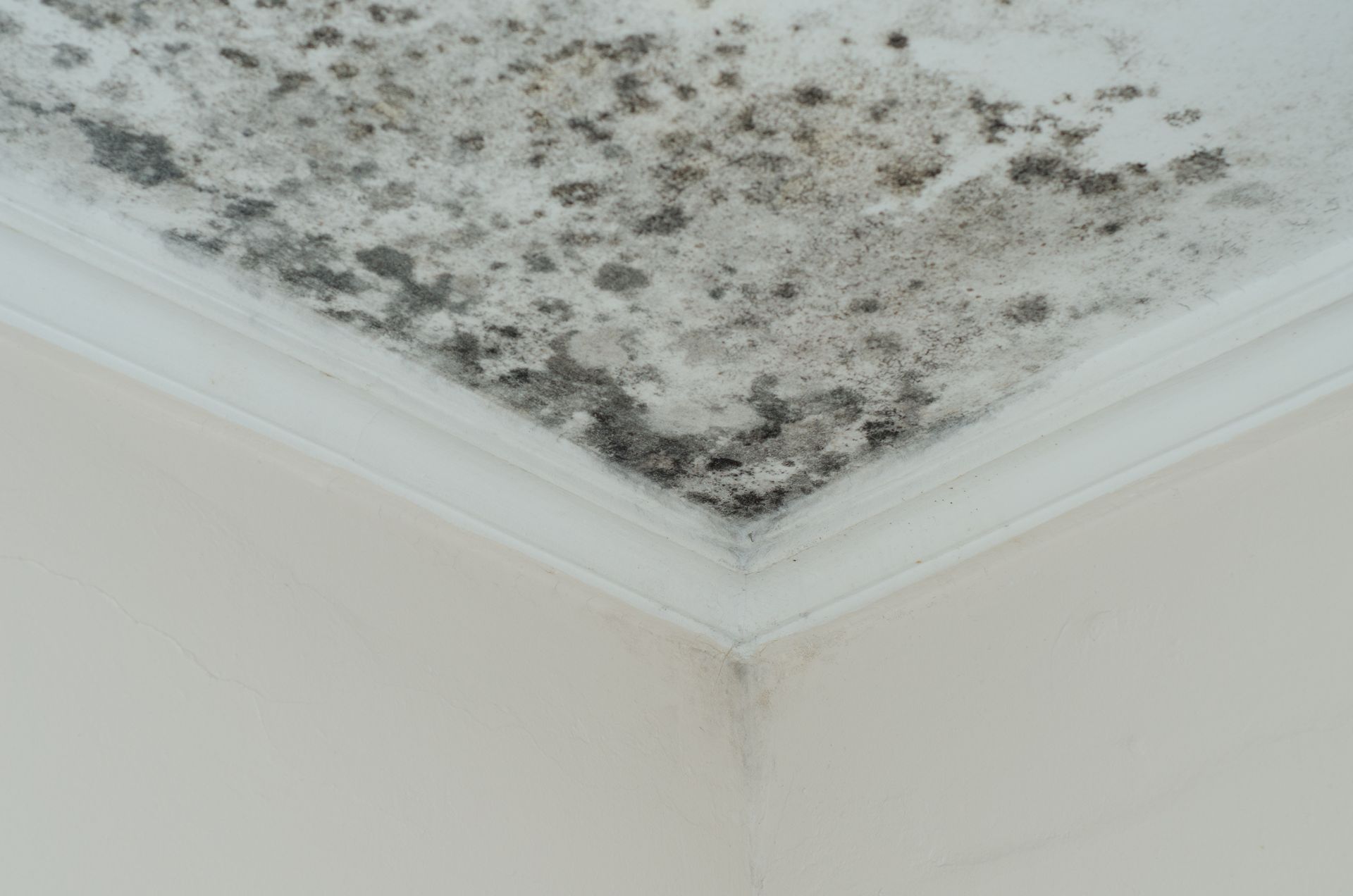
- Mold growth
- Shingle granules in gutters or downspouts
If you notice new signs of water damage, contact a restoration professional as soon as possible. Delaying repairs can lead to larger problems, including mold, structural damage, and more expensive reconstruction.
First 24 Hours After Hail Damage Checklist
Use this quick checklist after a hailstorm:
Immediately After the Storm
- Make sure everyone is safe
- Stay away from downed wires, broken glass, and unstable areas
- Do not climb on the roof
- Check for active leaks inside the home
Within the First Few Hours
- Move belongings away from water
- Place buckets or towels under leaks
- Take photos and videos of damage
- Inspect the exterior from the ground
- Look for roof, siding, gutter, window, and interior damage
Before the End of the First Day
- Make temporary repairs if needed to prevent further damage
- Save receipts for emergency materials or services
- Contact a restoration company for an inspection
- Notify your insurance company
- Keep monitoring your home for hidden water damage
Common Mistakes to Avoid After Hail Damage
After a hailstorm, homeowners often
- Climbing onto the roof yourself
- Waiting too long to check for leaks
- Throwing away damaged materials before taking photos
- Making permanent repairs before documentation
- Assuming small dents mean there is no serious damage
- Ignoring attic moisture
- Forgetting to save receipts
- Delaying a professional inspection
Hail damage can look cosmetic at first, but small roof or exterior issues can lead to water damage if they are not addressed.
Why Fast Action Matters After Hail Damage
The first 24 hours can make a major difference. Quick action helps protect your home, preserve evidence for the insurance claim, and reduce the chance of additional water damage.
In Northeast Ohio, hailstorms are often followed by rain, wind, humidity, and temperature swings. If hail has compromised your roof, siding, windows, or exterior materials, waiting too long can allow water to spread into areas that are harder and more expensive to repair.
A fast response can help prevent:
- Interior water damage
- Mold growth
- Damaged insulation
- Ceiling and drywall repairs
- Flooring damage
- Structural concerns
- Delayed insurance claim issues
Hail Damage Restoration in Northeast Ohio
If your home was damaged by hail, Flynn & Co. Restoration and Construction can help you take the next step. We provide property restoration, water damage restoration, storm damage repairs, and construction services for homeowners throughout Northeast Ohio.
From emergency protection to repair and reconstruction, our team helps homeowners restore their property after hail, wind, water, fire, and storm damage.
Need help after hail damage? Contact Flynn & Co. Restoration and Construction for a professional inspection and fast response.
FAQ: What to Do After Hail Damage