Your Insurance Claim After Water or Fire Damage: Tips for Homeowners in Northeast Ohio
What Northeast Ohio homeowners should know before filing, documenting, and restoring after a property damage claim
When water or fire damage hits your home, the restoration work is only part of the challenge. For many homeowners in Northeast Ohio, the insurance claim process feels just as stressful as the damage itself. Between emergency mitigation, documentation, adjuster visits, estimates, and repairs, it is easy to feel overwhelmed or worry about making the wrong move.
The good news is that a smoother claim process often starts with a few smart steps taken right away. Whether you are dealing with a flooded basement after heavy rain, frozen pipe damage during an Ohio winter, or smoke and fire damage from a kitchen or electrical fire, knowing how to approach your insurance claim can help protect your home and your finances.
Why Insurance Claims Can Get Complicated After Property Damage
Water and fire damage claims often involve more than one issue at a time. A burst pipe may damage drywall, flooring, insulation, furniture, and electrical systems. A house fire may leave behind structural damage, soot, smoke odor, and water damage from firefighting efforts. Insurance companies usually want clear documentation of what happened, what was affected, and what work is necessary to restore the property.
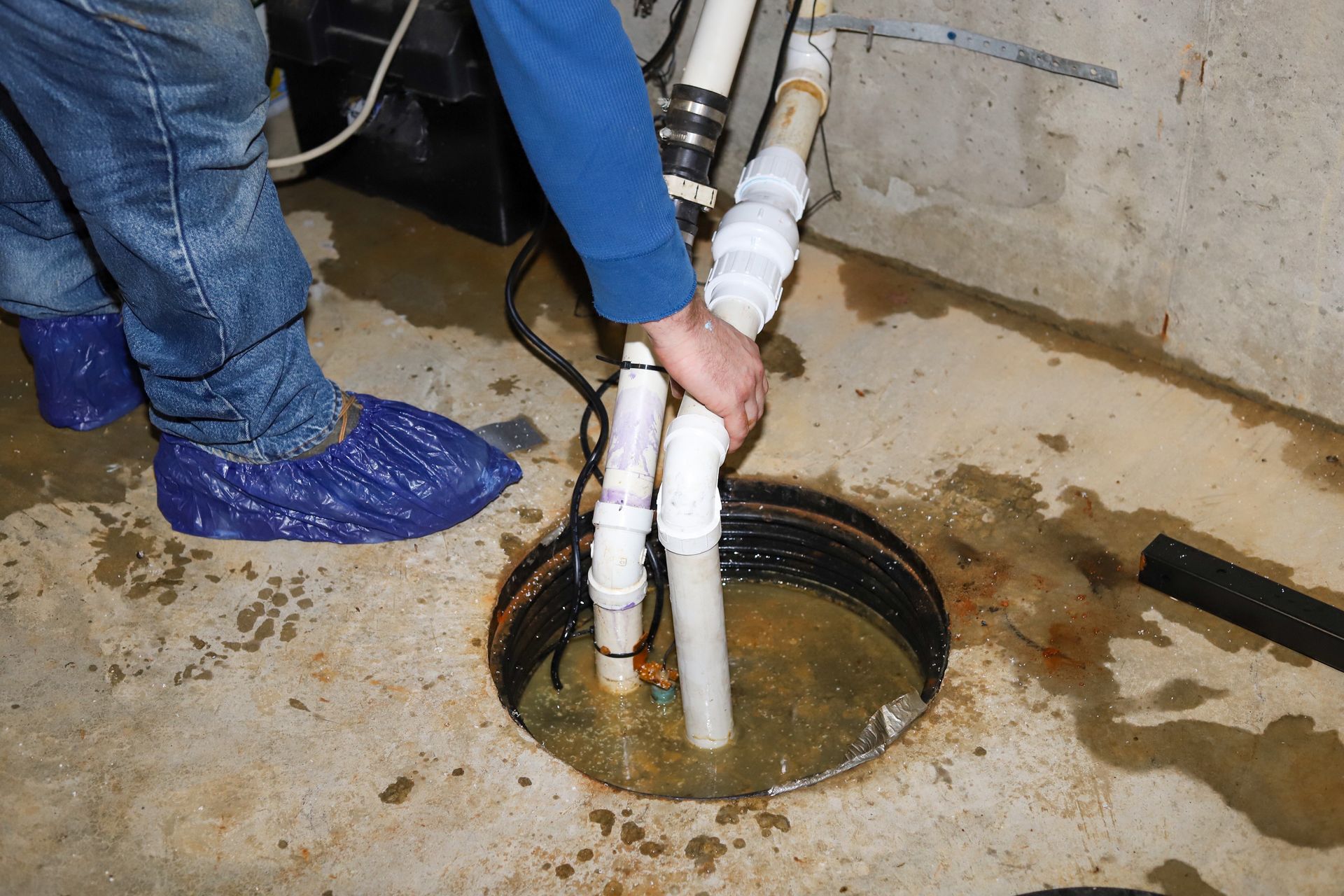
In Northeast Ohio, seasonal weather can make matters even more difficult. Frozen pipes, ice dams, storm-related roof leaks, sump pump failures, and older housing stock in communities like Hudson, Aurora, Twinsburg, Chagrin Falls, and Brecksville can all contribute to complicated claims with multiple repair categories.
That is why homeowners benefit from moving quickly, staying organized, and working with experienced restoration professionals who understand both damage mitigation and insurance-related documentation.
Step 1: Protect the Property From Further Damage
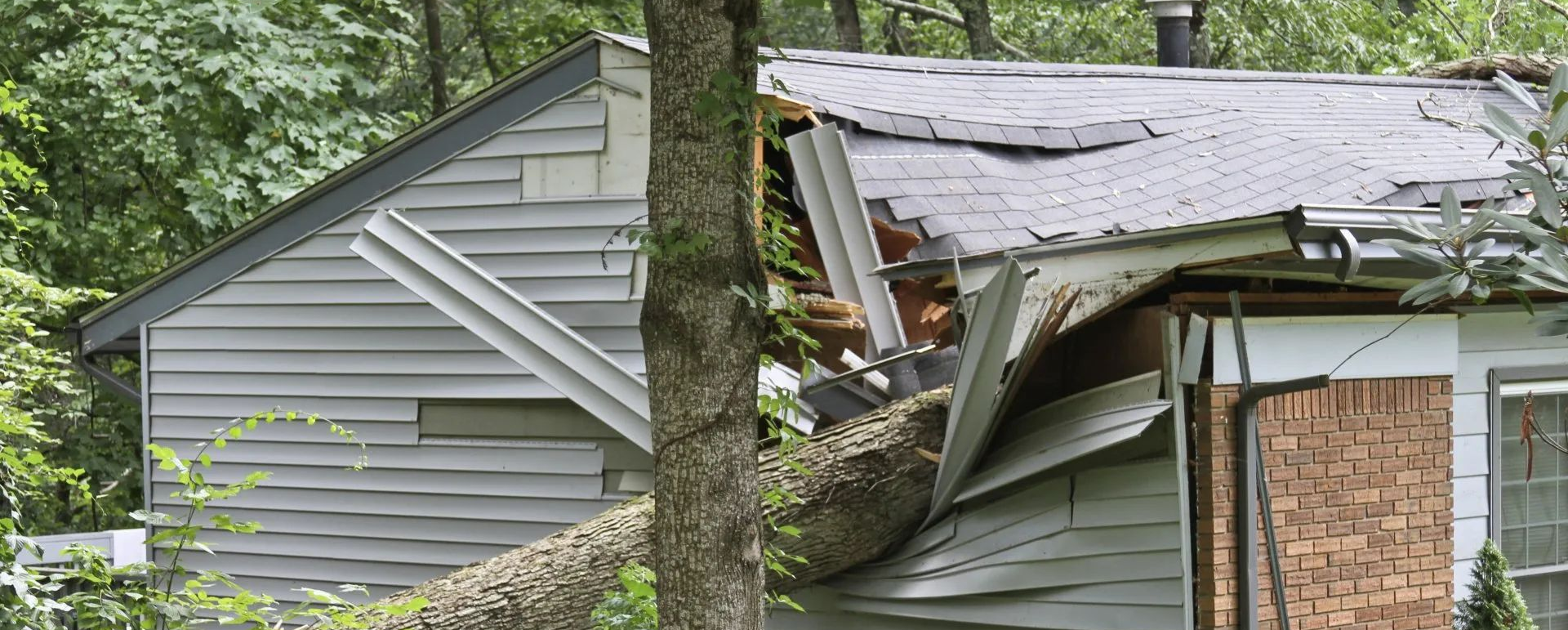
After the initial event, your first priority is safety. If the home has suffered major fire, electrical, or structural damage, do not go back inside until professionals say it is safe. For water damage, shut off the water source if possible and avoid areas with electrical hazards.
Most insurance policies require homeowners to take reasonable steps to prevent additional damage. That may include:
- Tarping a damaged roof
- Boarding up broken windows or doors
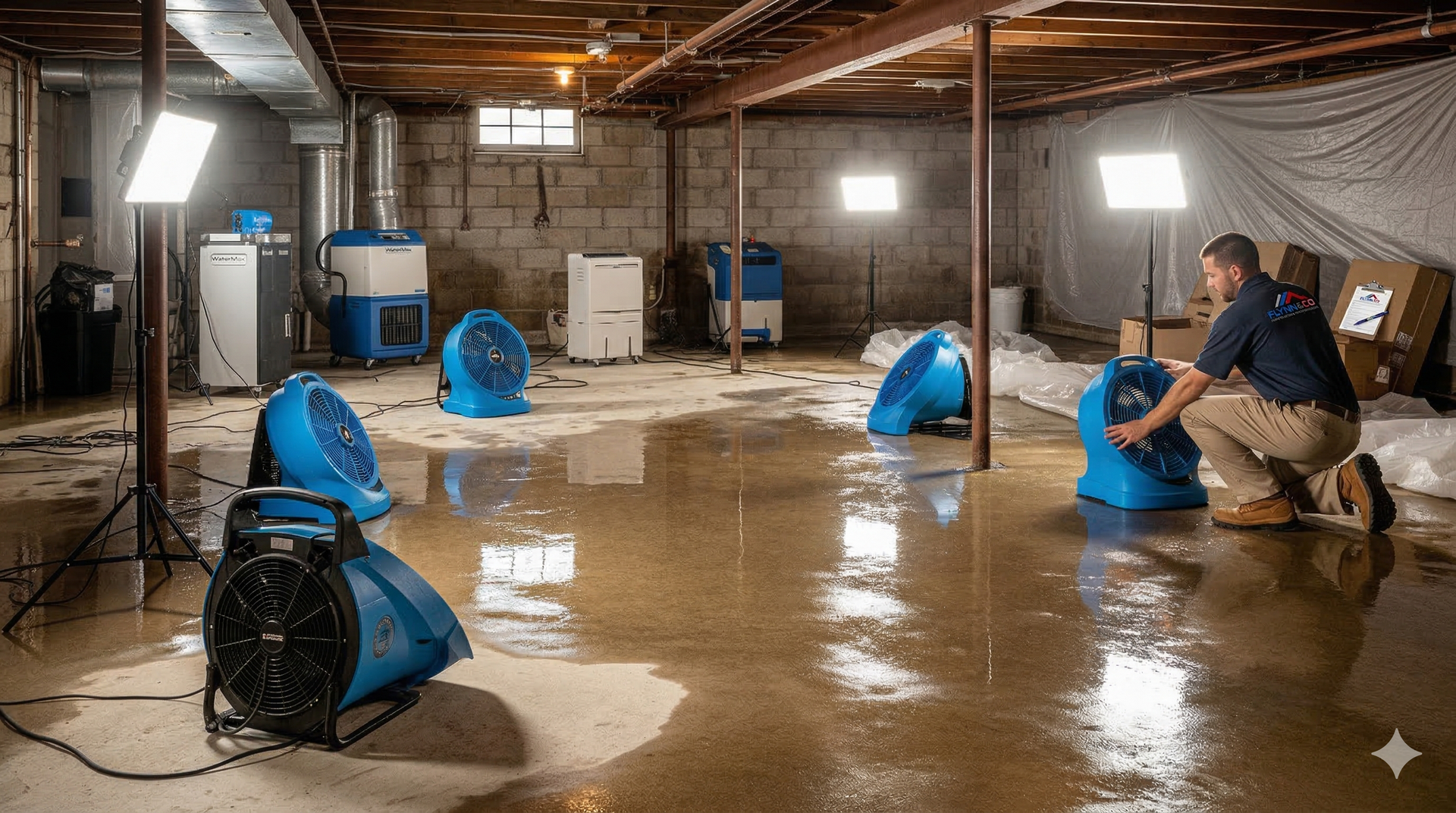
- Extracting standing water
- Drying affected areas
- Removing wet materials that could lead to mold growth
- Securing the property after a fire
Failing to act quickly can create bigger problems and may complicate your claim. Emergency mitigation is not just about cleanup. It also shows that you took responsible steps to protect the property.
Step 2: Document Everything Before Cleanup and Repairs Move Too Far
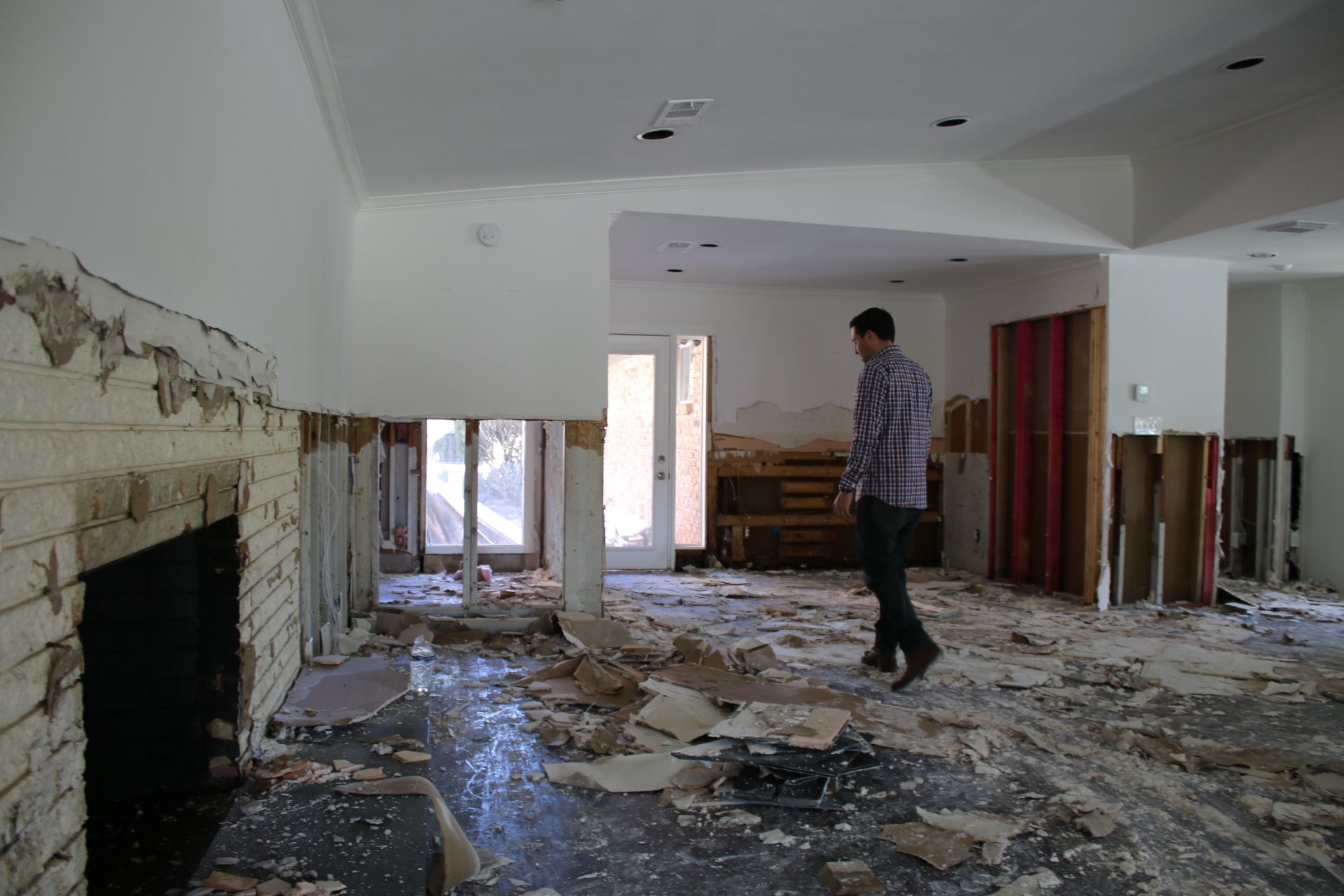
One of the most important things you can do is thoroughly document the damage. Before items are removed or repairs begin, take clear photos and videos of all affected areas. Capture wide views of rooms as well as close-ups of damaged materials and belongings.
Be sure to document:
- Water lines on walls or furniture
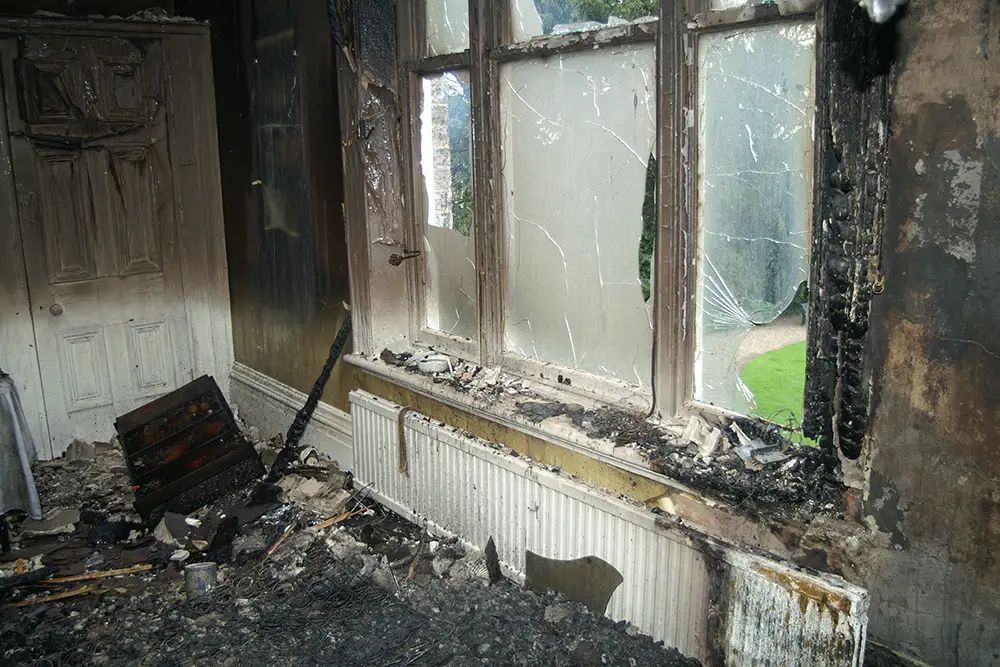
- Burned or charred materials
- Smoke and soot residue
- Damaged flooring, cabinets, drywall, and ceilings
- Appliance or plumbing failures if visible
- Personal property damage
It is also a good idea to make notes about when the damage happened, how it was discovered, and what emergency steps were taken. Keep receipts for hotel stays, emergency board-up, tarping, mitigation work, and other related costs if your policy may cover them.
The more organized your documentation is, the easier it is to support your claim.
Step 3: Contact Your Insurance Company Promptly
Once the situation is stable, report the loss to your insurance company as soon as possible. Be prepared to provide basic information such as:
- The date and approximate time of the loss
- The cause of the damage if known
- A general description of what was affected
- Whether emergency services or mitigation work have already started
When you file the claim, ask for the claim number and the name and contact information of the assigned adjuster. Keep a written record of every conversation, including dates, names, and what was discussed.
Prompt communication helps move the process forward and reduces the chance of delays.
Step 4: Understand the Difference Between Mitigation and Reconstruction
Many homeowners assume the insurance claim only covers obvious repairs, but there are usually two phases involved after a major loss.
The first phase is mitigation, which is the emergency work done to stop further damage. This can include water extraction, structural drying, smoke cleanup, debris removal, board-up, tarping, and odor control.
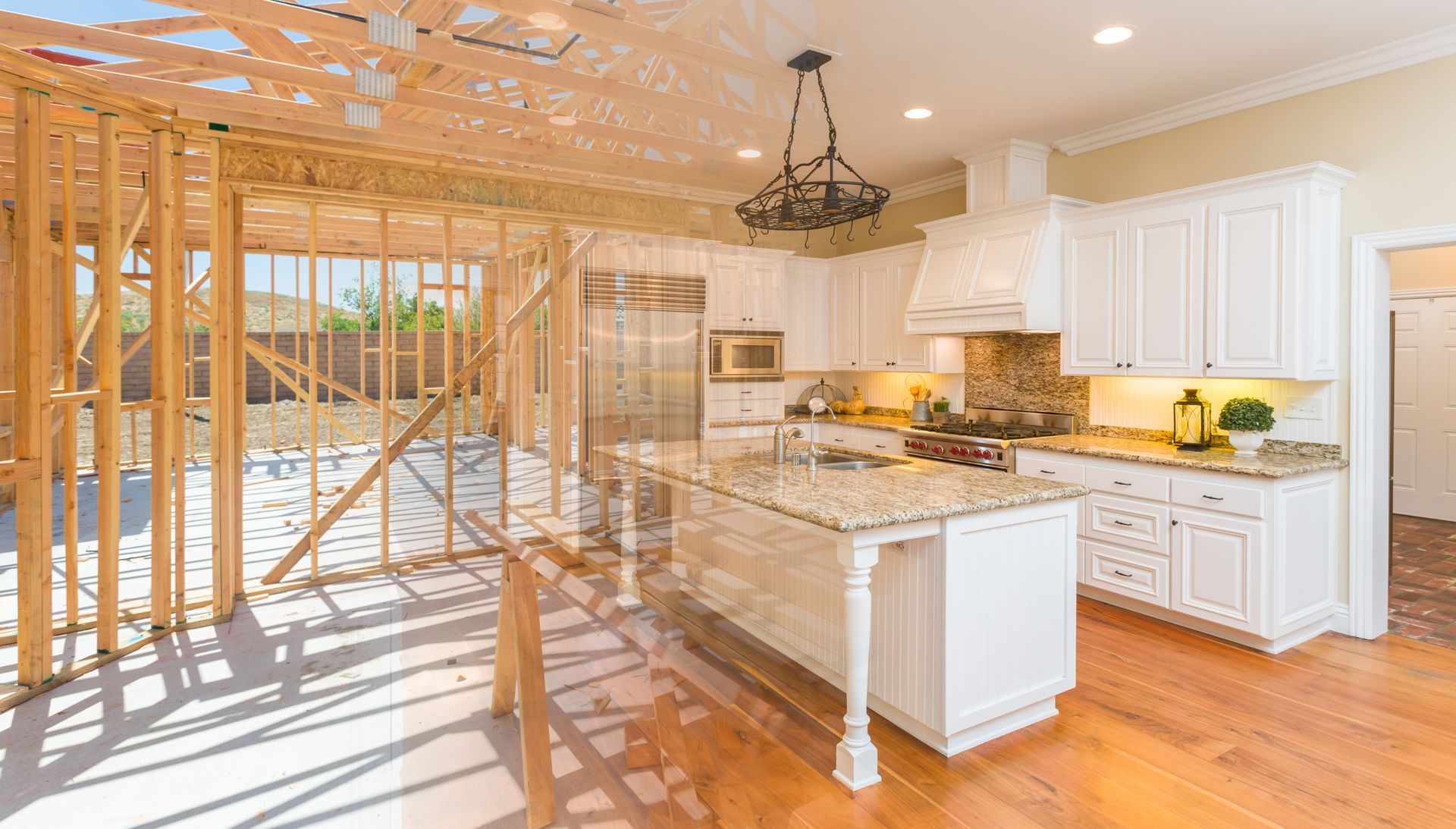
The second phase is reconstruction, which is the repair and rebuilding work needed to return the home to its pre-loss condition. This may include drywall replacement, flooring installation, painting, cabinetry, trim work, and more.
Understanding this distinction matters because both phases may involve separate scopes of work, approvals, and timelines. A restoration and construction company that handles both can help streamline the process and reduce miscommunication.
Step 5: Meet the Adjuster Prepared
The insurance adjuster will inspect the property to evaluate the damage and determine what the policy may cover. Before that visit, gather your photos, videos, receipts, contractor notes, and any emergency service records.
During the inspection:
- Walk through all affected areas carefully
- Point out hidden or less obvious damage
- Explain what happened and what steps were taken
- Share any professional findings from mitigation teams
- Ask questions if something is unclear
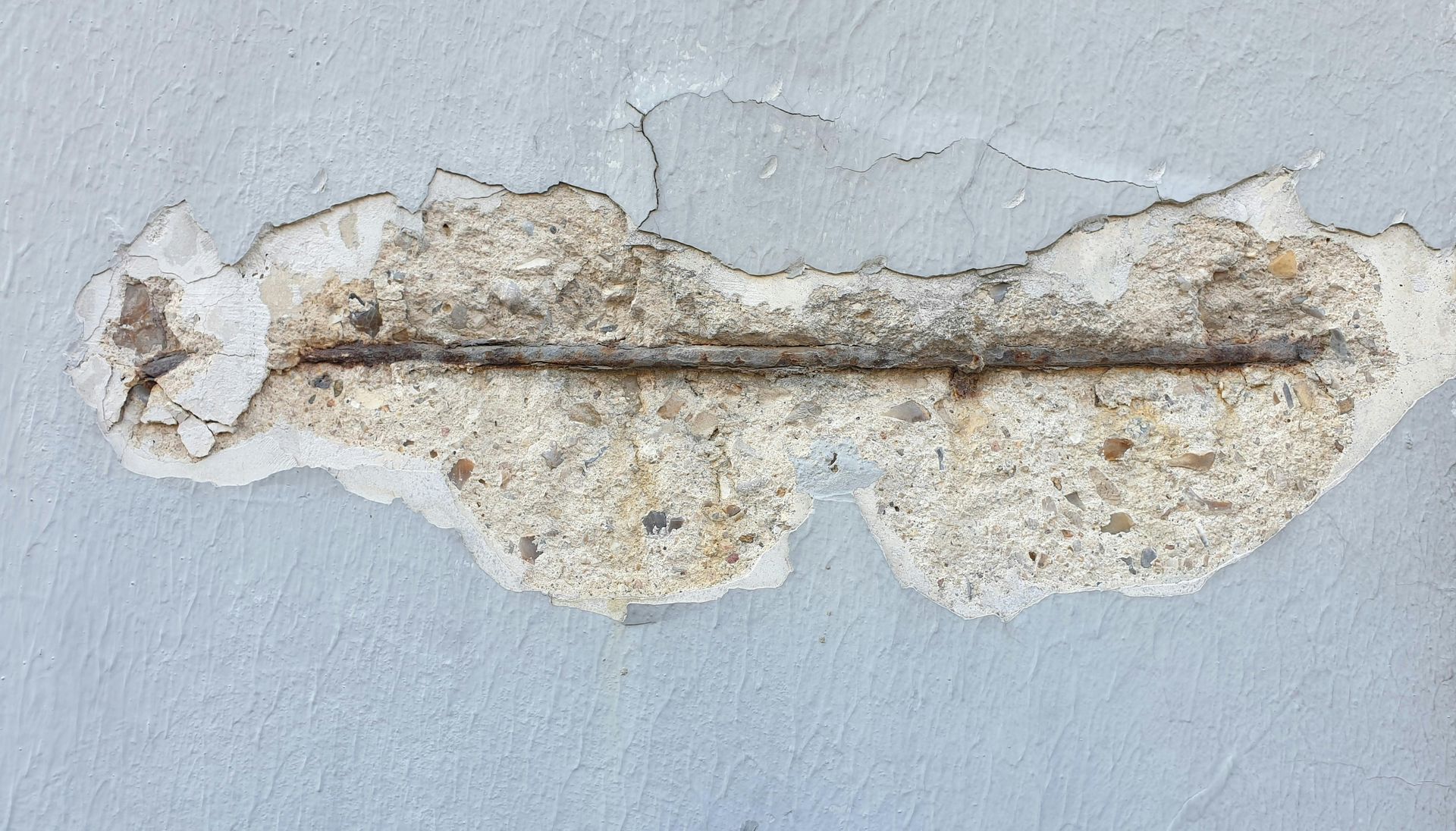
Do not assume every issue will be obvious during a quick walkthrough. Water can travel behind walls, under flooring, and into insulation. Fire damage can leave lingering smoke contamination in areas that may not look badly damaged at first glance. Good documentation and professional assessments can help support a more complete claim.
Step 6: Review Estimates and Scope of Work Carefully
After the inspection, the insurance company may provide an estimate or scope of repairs. Review it closely. Sometimes initial estimates do not include all affected materials, code-related upgrades, or hidden damage uncovered later.
This does not always mean the claim is being handled improperly. It may simply mean that some damage was not visible during the first inspection. Supplements are common in restoration projects, especially in water and fire losses.
Homeowners should look for:
- Missing rooms or damaged materials
- Incomplete demolition or drying needs
- Repairs that do not match the actual damage
- Flooring or cabinetry issues across connected spaces
- Paint or finish mismatches
- Smoke odor treatment needs after fire damage
A qualified restoration contractor can often help identify gaps and provide supporting documentation for additional claim approvals when necessary.
Step 7: Avoid Throwing Away Damaged Items Too Soon
It can be tempting to start clearing out everything immediately, especially after a fire or sewage-related water event. But unless a safety hazard requires immediate disposal, it is often best to keep damaged materials and belongings until they have been documented and reviewed.
If something must be discarded right away, photograph it thoroughly first. Make a list of what was removed and why. This applies to personal items as well as building materials.
Proof matters during a claim. Once something is gone, it can be much harder to show the extent of the loss.
Step 8: Know That Water and Fire Claims Often Overlap
After a fire, many homeowners are surprised to learn that water damage is often part of the restoration job too. Firefighting efforts can soak drywall, insulation, flooring, and personal property. Likewise, a water damage claim may also involve secondary problems like microbial growth, odor, or electrical issues.
This overlap is one reason why working with a company experienced in both water damage restoration and fire damage restoration can be so helpful. The claim may involve several categories of damage, and the documentation should reflect all of them.
Step 9: Keep Communication Organized From Start to Finish
Insurance claims often involve multiple people, including the adjuster, mitigation team, reconstruction contractor, and sometimes third-party inspectors or contents specialists. Miscommunication can slow everything down.
A simple way to stay organized is to keep one folder or digital file with:
- Claim number
- Adjuster contact information
- Photos and videos
- Estimates and invoices
- Emails and notes from phone calls
- Receipts for out-of-pocket expenses
- Repair schedules and approvals
The more organized you are, the easier it is to respond to questions and keep the project moving.
Common Mistakes Northeast Ohio Homeowners Should Avoid
When dealing with property damage, a few common mistakes can make the insurance process harder than it needs to be.
Waiting too long to start mitigation
Water damage gets worse fast. Delays can lead to swollen materials, warped floors, and mold growth. Fire damage residue also becomes harder to clean over time.
Providing incomplete documentation
Photos, notes, and receipts can make a major difference in claim support. The more detail you have, the better.
Assuming all contractors handle insurance-related restoration the same way
General repair contractors may not always be equipped for emergency mitigation, moisture documentation, smoke cleanup, or insurance scope support.
Not reading the scope carefully
A claim estimate is not always the final word. Hidden damage and supplements are common.
Throwing away proof of damage
Damaged materials and belongings should be documented before disposal whenever possible.
Why Local Experience Matters in Northeast Ohio
Homes in Northeast Ohio face a mix of seasonal and structural challenges that can affect both damage patterns and repair needs. Winter freezes, heavy rain, older basements, storm-related roof leaks, and regional building styles all play a role.
A local restoration company understands the kinds of losses homeowners in areas like Macedonia, Hudson, Aurora, Twinsburg, Beachwood, and Chagrin Falls commonly face. Just as important, they understand how to respond quickly, document damage thoroughly, and coordinate restoration and reconstruction in a way that supports a smoother claim process.
Final Thoughts
Dealing with water or fire damage is stressful enough without feeling lost in the insurance process. While every policy and claim is different, homeowners who act quickly, document thoroughly, stay organized, and work with experienced restoration professionals are usually in a stronger position from the start.
If your home has been damaged, the right team can help you address the emergency, document the loss, and move toward repairs with less confusion and fewer delays. A well-managed restoration project does not just protect your property. It can also make the insurance claim process far more manageable during an already difficult time.