The Hidden Signs of Water Damage in Older Northeast Ohio Homes
The Hidden Signs of Water Damage in Older Northeast Ohio Homes
Older homes are part of what makes Northeast Ohio communities like Hudson, Chagrin Falls, and Moreland Hills so beautiful. From historic homes near downtown Hudson to wooded properties in Moreland Hills and character-filled houses throughout Chagrin Falls, these homes often have craftsmanship, charm, and architectural details that newer homes simply cannot duplicate.
But older homes can also hide water damage in places homeowners do not see every day.
A small roof leak, aging plumbing line, poor drainage issue, or foundation seepage can go unnoticed for weeks, months, or even longer. By the time water damage becomes obvious, the problem may already involve drywall, flooring, insulation, framing, or mold growth. For homeowners in Northeast Ohio, especially those with older properties, knowing the subtle warning signs of water damage can help prevent more expensive restoration and construction repairs later.
Why Older Northeast Ohio Homes Are More Vulnerable to Water Damage
Homes in Hudson, Chagrin Falls, Moreland Hills, and nearby areas often have a mix of original construction, older building materials, past renovations, additions, and aging mechanical systems. Over time, these factors can make moisture problems harder to detect.
Older homes may have:
- Aging roofs or flashing
- Older windows and exterior trim
- Stone, block, or older poured foundations
- Outdated plumbing lines
- Finished basements added after the home was originally built
- Poor drainage around the foundation
- Multiple layers of flooring, drywall, or paneling that can hide moisture
- Additions where the original home and newer construction meet
Northeast Ohio weather also plays a major role. Heavy rain, melting snow, freeze-thaw cycles, ice dams, and humid summers can all create opportunities for water to enter the home.
1. Musty Odors That Do Not Go Away
One of the most common hidden signs of water damage is a persistent musty smell.
This odor is often most noticeable in:
- Basements
- Crawl spaces
- Closets
- Bathrooms
- Laundry areas
- Rooms with poor ventilation
- Finished lower levels
In older homes, musty smells are sometimes dismissed as “old house smell.” However, that odor may be caused by trapped moisture, damp building materials, or mold growth behind walls, under flooring, or inside ceilings.
If the smell gets stronger after heavy rain, snow melt, or humid weather, that is a strong sign that moisture may be entering the home somewhere.
2. Stains on Ceilings or Walls
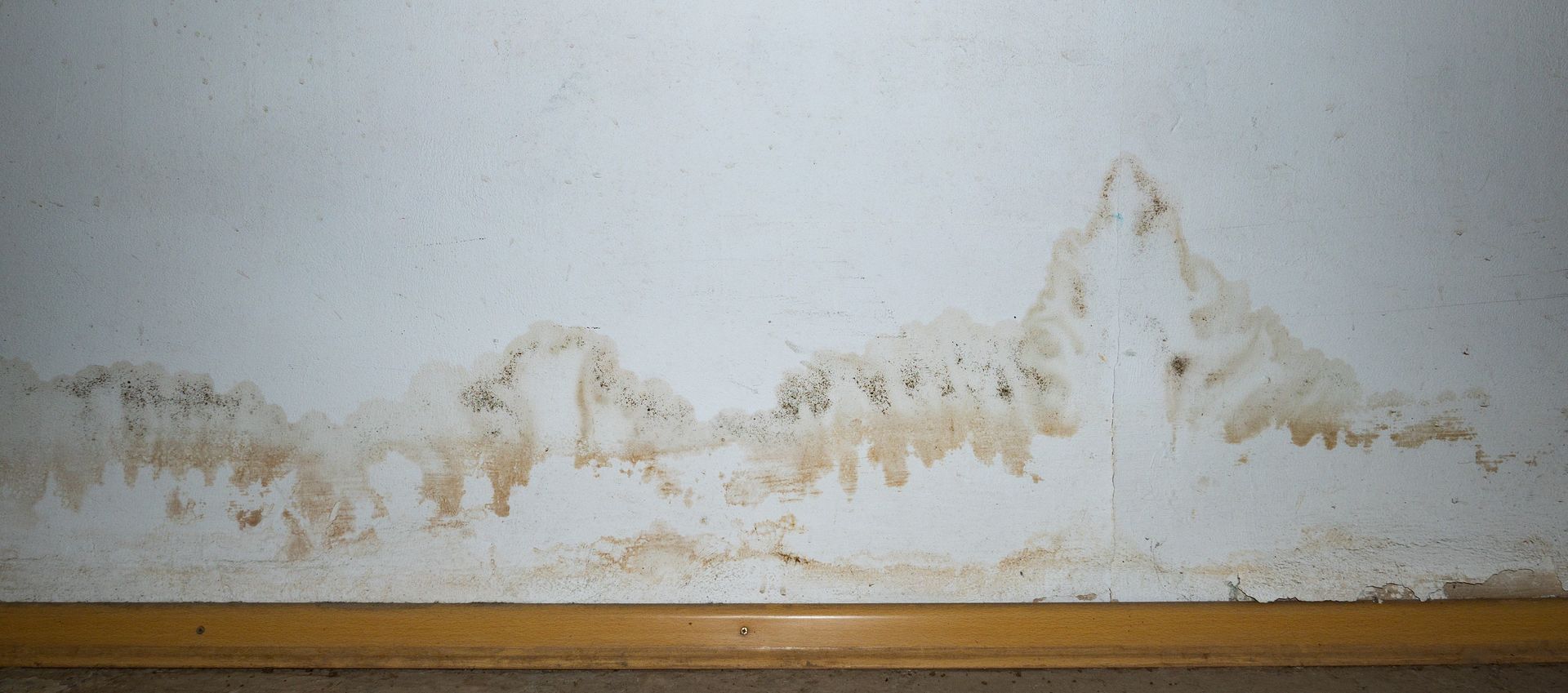
Water stains are often easier to spot, but in older homes they can still be overlooked or mistaken for old cosmetic issues.
Look for:
- Yellow or brown ceiling stains
- Dark streaks on walls
- Discoloration around windows
- Staining near chimneys
- Water marks below bathrooms
- Rings or patches on plaster walls
- Bubbling paint or wallpaper
In communities like Hudson and Chagrin Falls, many older homes have plaster walls and ceilings. Plaster may hide moisture differently than modern drywall, and damage can develop slowly before becoming obvious.
A small stain may point to a larger issue above or behind the surface, including a roof leak, plumbing leak, ice dam, or condensation problem.
3. Peeling Paint, Bubbling Walls, or Loose Wallpaper
Paint and wallpaper often show early signs of water damage before the wall itself looks seriously damaged.
Moisture behind the surface can cause:
- Peeling paint
- Bubbling paint
- Cracked paint
- Loose wallpaper seams
- Soft or uneven wall surfaces
- Blistering around windows or trim
This is especially important in older homes where walls may have been painted many times over the years. A fresh coat of paint can temporarily hide staining, but if moisture is still present, bubbling or peeling often returns.
If the same area keeps needing touch-ups, there may be a water issue behind it.
4. Soft, Warped, or Uneven Floors
Water damage does not always show up on walls or ceilings first. Sometimes the earliest clue is under your feet.
Watch for floors that feel:
- Spongy
- Soft
- Uneven
- Warped
- Buckled
- Cupped
- Slightly raised in certain areas
Hardwood floors in older Northeast Ohio homes can be especially vulnerable to slow moisture exposure. Water can cause boards to cup, separate, or discolor. In kitchens, bathrooms, laundry rooms, and entryways, soft flooring may point to leaks from appliances, plumbing, or exterior doors.
In finished basements, moisture may be trapped beneath carpet, vinyl plank, laminate, or subflooring.
5. Cracked or Deteriorating Basement Walls
Many older homes in Hudson, Chagrin Falls, and Moreland Hills have basements that were built long before modern waterproofing systems became common.
Signs of basement moisture problems may include:
- Cracks in foundation walls
- White chalky residue on masonry
- Damp concrete
- Peeling paint on basement walls
- Rust on metal supports or fixtures
- Water marks near the floor
- Musty carpet or stored items
- Bowed or crumbling wall sections
That white powdery substance on block, brick, or stone walls is often a sign that moisture is moving through the masonry and leaving mineral deposits behind.
Even if you do not see standing water, repeated moisture intrusion can damage finishes, weaken materials, and contribute to mold growth.
6. Window and Door Trim That Looks Swollen or Discolored
Older windows and exterior doors can be common entry points for water.
Look closely at trim, sills, and surrounding walls. Warning signs include:
- Swollen wood trim
- Soft window sills
- Paint cracking near windows
- Dark staining around frames
- Gaps in caulking
- Rot near exterior doors
- Condensation between panes
- Drafty or damp areas after storms
In older homes, original wood trim may absorb moisture slowly. By the time the damage is visible, water may have already affected the surrounding wall cavity.
This is especially important for homes with mature trees, shaded lots, or wooded settings where exterior materials may stay damp longer after rain.
7. Unexplained Increase in Humidity
If a room suddenly feels damp, humid, or clammy, water may be entering the home or collecting somewhere inside.
This can happen in:
- Basements
- Bathrooms
- Kitchens
- Laundry rooms
- Attics
- Crawl spaces
- Rooms above garages
- Finished lower levels
High humidity may come from foundation seepage, poor ventilation, hidden leaks, or moisture trapped behind walls. In Northeast Ohio, humid summer weather can make existing moisture problems worse.
If dehumidifiers are constantly filling up or certain rooms never seem to dry out, it may be time to investigate further.
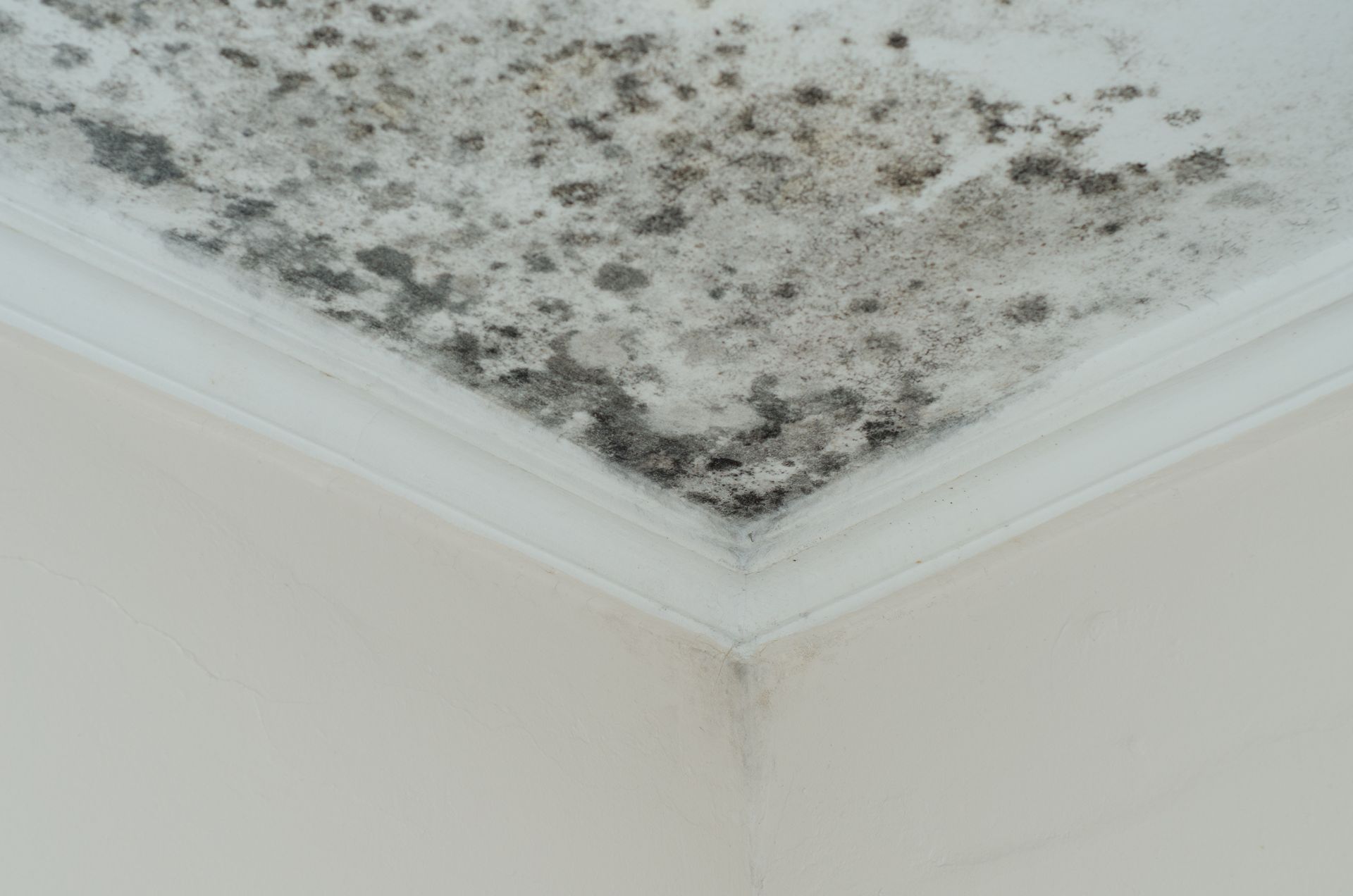
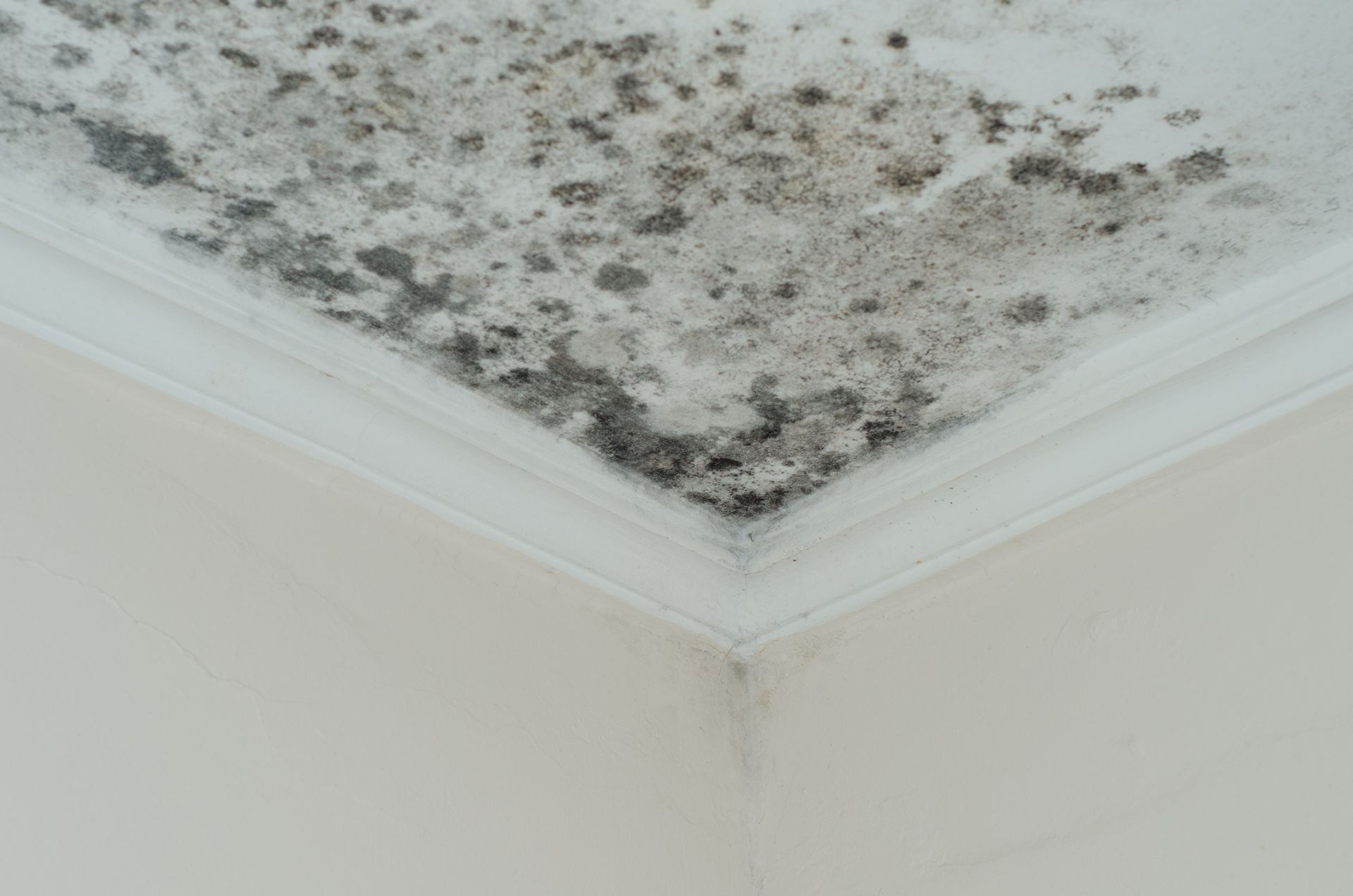
8. Mold or Mildew in Small, Isolated Areas
Visible mold is an obvious concern, but small patches of mildew can also point to a hidden water issue.
Check areas such as:
- Behind furniture
- Inside cabinets
- Around bathroom fixtures
- Near basement baseboards
- Around window frames
- Under sinks
- Around sump pump areas
- Behind appliances
In older homes, mold may grow behind paneling, inside wall cavities, under old flooring, or around previous repairs. Even small areas should not be ignored, especially if they keep returning after cleaning. The key question is not just “How do we clean this?” but “Where is the moisture coming from?”
9. Sagging Ceilings or Bowed Walls
A sagging ceiling or bowed wall can be a serious warning sign of water damage.
This may indicate that water has soaked into drywall, plaster, insulation, or structural materials. In older homes, ceiling damage can be especially concerning because water may travel from the roof, attic, bathroom, or plumbing line before appearing in a completely different area.
Do not poke, press, or cut into a sagging ceiling without knowing what is behind it. If water is trapped above, opening the area improperly can cause additional damage or create a safety hazard.
10. Previous Repairs That Keep Failing
Older homes often have a long history of maintenance, remodeling, and repair work. Sometimes a recurring issue is a sign that the original water problem was never fully solved.
Examples include:
- A ceiling stain that keeps coming back
- Basement paint that keeps peeling
- Caulk around windows that fails repeatedly
- Flooring that keeps warping
- Drywall patches that crack or discolor
- Mold that returns after cleaning
- A room that always smells musty
Cosmetic repairs may cover the symptom, but they do not stop the source of moisture. A professional restoration inspection can help determine whether there is hidden damage behind the surface.
Local Concerns for Hudson, Chagrin Falls, and Moreland Hills Homeowners
Hudson
Hudson has many established neighborhoods and older homes with basements, mature trees, and traditional architectural details. Water issues may develop around aging roofs, older foundations, window trim, and finished lower levels. Homes near wooded areas or properties with older drainage systems may be more prone to moisture collecting near the foundation.
Chagrin Falls
Chagrin Falls homes often have character, unique layouts, and older construction details. Sloped lots, mature landscaping, and older basements can make drainage and water management especially important. Homeowners should pay close attention to basement walls, lower-level moisture, roofline , and additions where newer and older construction meet.
Moreland Hills
Moreland Hills properties often feature larger lots, wooded settings, and custom homes, including older and renovated properties. Shade, trees, and natural drainage patterns can keep areas damp longer after storms.
Water damage may show up around foundations, windows, roof valleys, crawl spaces, and lower levels.
What To Do If You Suspect Hidden Water Damage
If you notice signs of hidden water damage, the first step is to avoid covering it up with paint, caulk, flooring, or drywall repairs before the source is identified.
A professional restoration company can help determine:
- Where the water is coming from
- How far the moisture has spread
- Whether materials can be dried or need replacement
- Whether mold may be present
- Whether structural repairs are needed
- What steps can help prevent the issue from returning
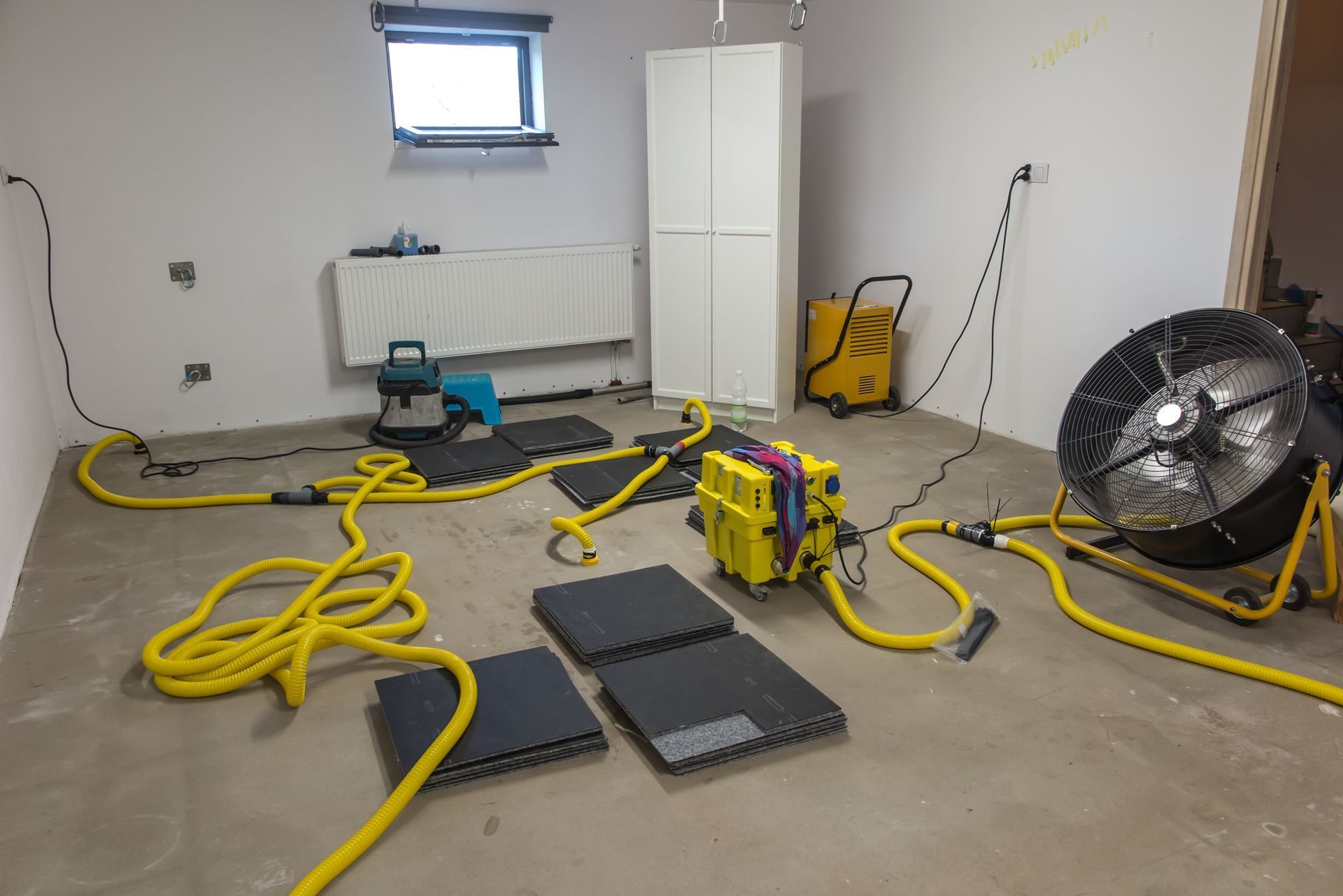
Water damage restoration is not just about removing visible water. It is about finding hidden moisture, drying affected areas properly, repairing damaged materials, and protecting the home from future problems.
Why Fast Action Matters
Hidden water damage rarely improves on its own. In older homes, moisture can spread into materials that are difficult to access, including plaster, insulation, subflooring, framing, and foundation areas.
Waiting too long can lead to:
- More expensive repairs
- Mold growth
- Damaged flooring
- Compromised drywall or plaster
- Wood rot
- Structural concerns
- Lower indoor air quality
- Problems during home inspections or resale
The sooner water damage is identified, the more options homeowners usually have for repair and restoration.
Trust Flynn & Co. for Water Damage Restoration in Northeast Ohio
Flynn & Co. Restoration and Construction helps homeowners throughout Northeast Ohio identify, repair, and restore damage caused by water, fire, storms, and other property issues.
For older homes in Hudson, Chagrin Falls, Moreland Hills, Macedonia, Twinsburg, Aurora, Streetsboro, Beachwood, Brecksville, Broadview Heights, and surrounding communities, our team understands that water damage is not always obvious at first glance. Whether you are dealing with basement moisture, ceiling stains, hidden leaks, storm damage, or a water-damaged finished space, Flynn & Co. can help restore your home with careful attention to both the visible damage and the underlying cause. If you suspect hidden water damage in your home, contact Flynn & Co. Restoration and Construction for help before the problem becomes more serious.
FAQ: Hidden Water Damage in Older Northeast Ohio Homes
What are the first signs of hidden water damage in an older home?
Common early signs include musty odors, ceiling stains, peeling paint, warped flooring, damp basement walls, and swelling around window or door trim. In older homes, these signs may be subtle and easy to mistake for normal wear and tear.
Why do older homes in Northeast Ohio often have water damage issues?
Older homes may have aging roofs, older foundations, outdated plumbing, original windows, or previous renovations that hide moisture problems. Northeast Ohio’s rain, snow, humidity, and freeze-thaw cycles can also make water intrusion more likely.
Is a musty smell always a sign of water damage?
Not always, but a persistent musty odor often means moisture is present somewhere. If the smell is strongest in the basement, crawl space, bathroom, or after heavy rain, it should be investigated.
Can water damage be hidden behind plaster walls?
Yes. Many older homes have plaster walls, which can hide moisture until staining, cracking, bubbling, or deterioration appears. Water can also travel behind walls before showing up in a visible area.
Should I paint over a water stain if it is dry?
No, not until the source of the water has been identified and repaired. Painting over a stain may temporarily improve the appearance, but the damage can return if the leak or moisture problem is still active.
How do I know if basement moisture is serious?
Basement moisture should be taken seriously if you notice damp walls, recurring odors, water stains, mold, peeling paint, white residue on masonry, or wet flooring. Even without standing water, repeated moisture can damage materials over time.
Can hidden water damage lead to mold?
Yes. If moisture remains trapped in building materials, mold can begin to grow. This is especially common behind walls, under flooring, inside cabinets, in basements, and around poorly ventilated areas.
Who should I call for suspected water damage in Hudson, Chagrin Falls, or Moreland Hills?
A professional restoration company like Flynn & Co. Restoration and Construction can inspect the damage, locate hidden moisture, address affected materials, and help restore the home properly.
Related Services
Restoration and Construction Services for Northeast Ohio Property Owners:
When water, fire, storms, mold, or structural damage affects your property, Flynn & Co. is ready to help. Our experienced team provides complete restoration and construction services for homes and businesses throughout Northeast Ohio.
Water Damage Restoration
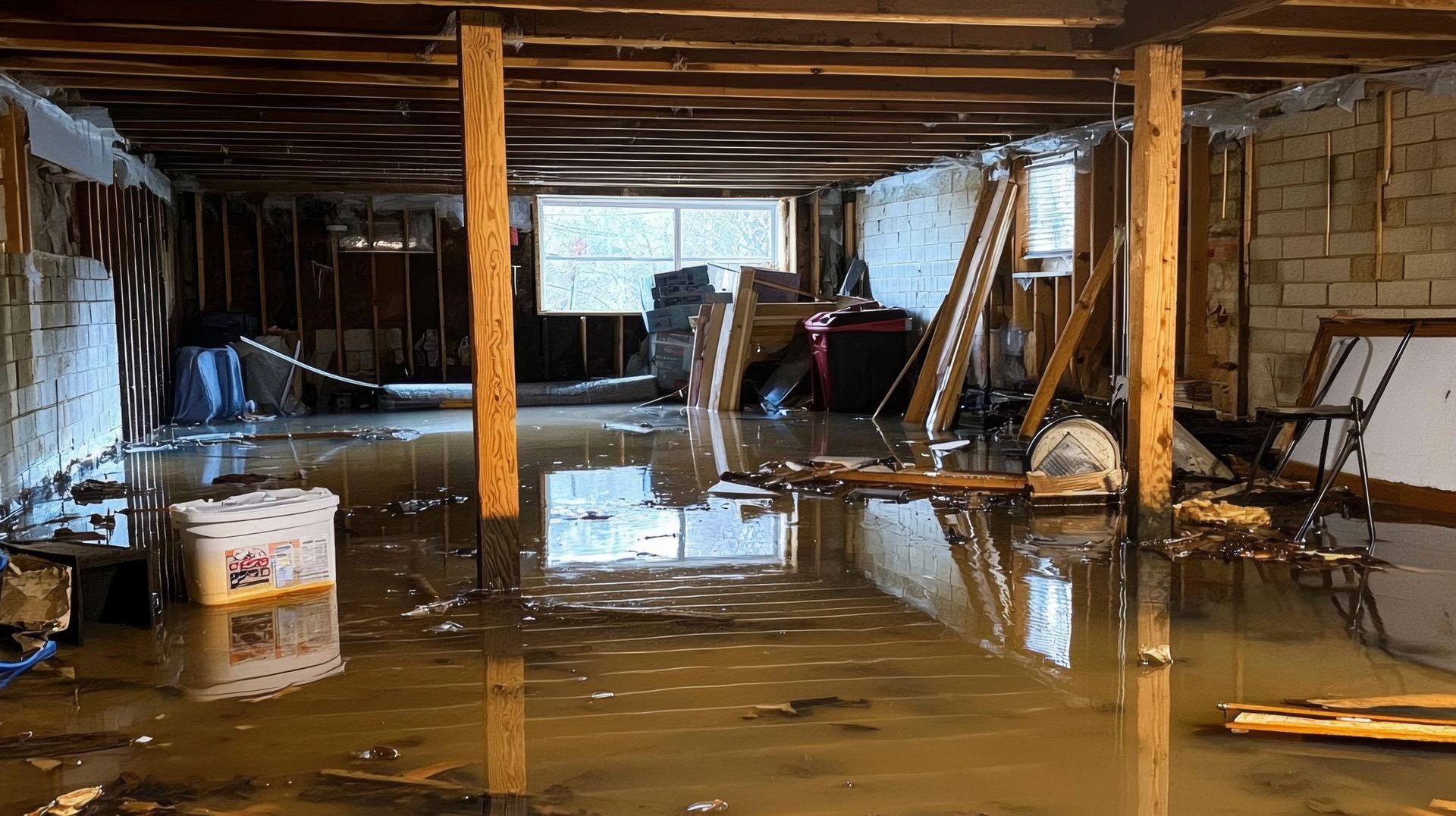
From plumbing leaks and appliance failures to flooded basements, we locate the source of the water, remove moisture, dry affected materials, and repair the damage.
Fire and Smoke Damage Restoration
We help property owners recover after a fire with cleanup, smoke and odor removal, damage restoration, and reconstruction services.
Our team identifies affected areas, safely removes mold-contaminated materials, addresses excess moisture, and helps restore a healthier indoor environment.
Storm Damage Restoration
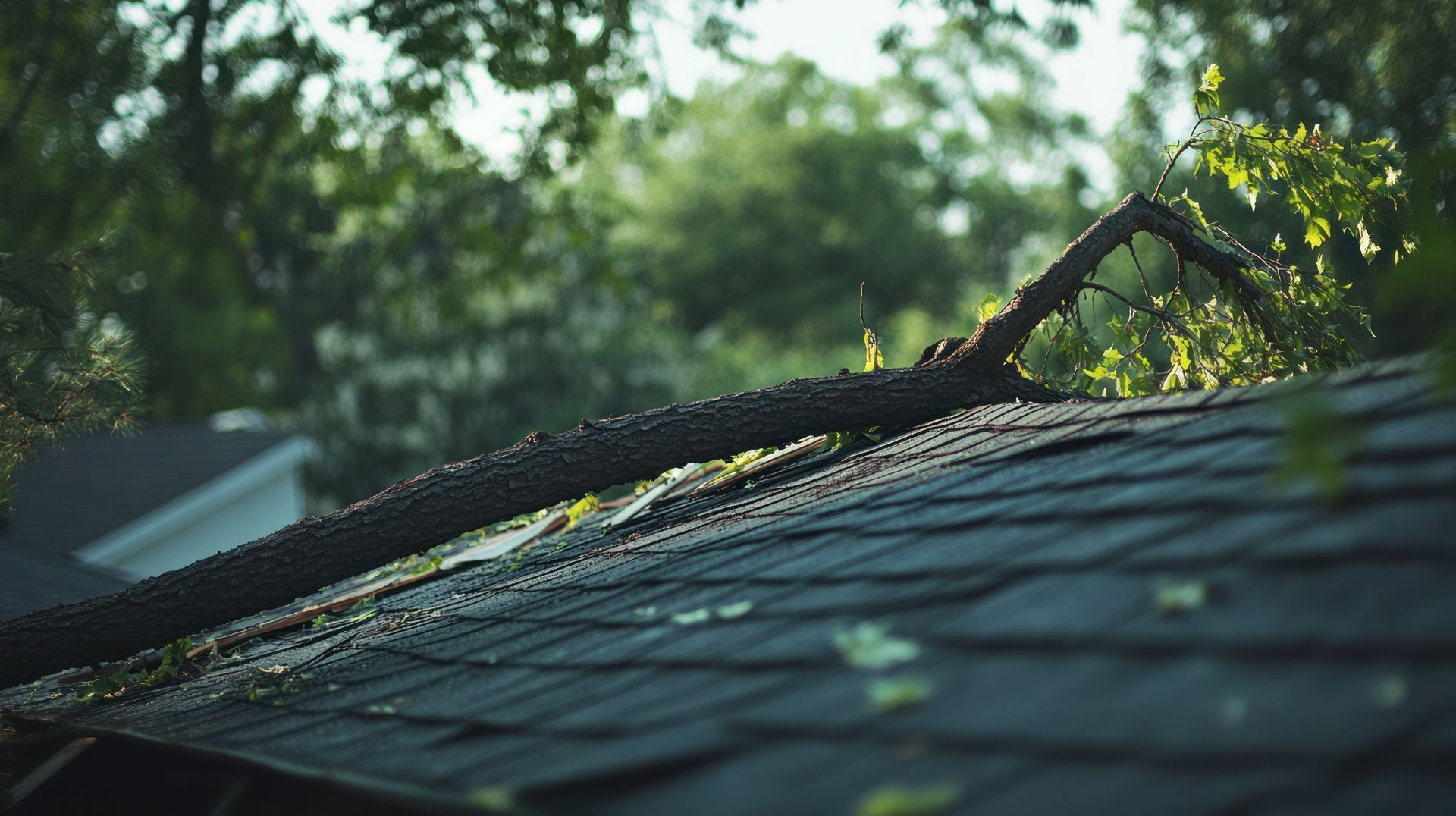
When severe weather damages your roof, siding, interior, or other parts of your property, we provide prompt repairs and complete restoration assistance.
Remodeling and Construction
Flynn & Co. also provides professional remodeling, reconstruction, and general construction services for homeowners ready to repair or improve their property.
Need Help Restoring Your Northeast Ohio Property?
Whether you are dealing with water, fire, smoke, mold, or storm damage—or planning a remodeling project—Flynn & Co. can help you determine the right next step. Contact our experienced team to schedule an assessment for your home or business.