Why Northeast Ohio Basements Are at Higher Risk
Northeast Ohio homes deal with several conditions that can make sump pump failure more damaging. Clay-heavy soil can hold water near the foundation. Older homes may have aging drain tile or outdated waterproofing systems. Freeze-thaw cycles can shift soil and create drainage problems. Spring rain and snowmelt can also combine to overload a sump system.
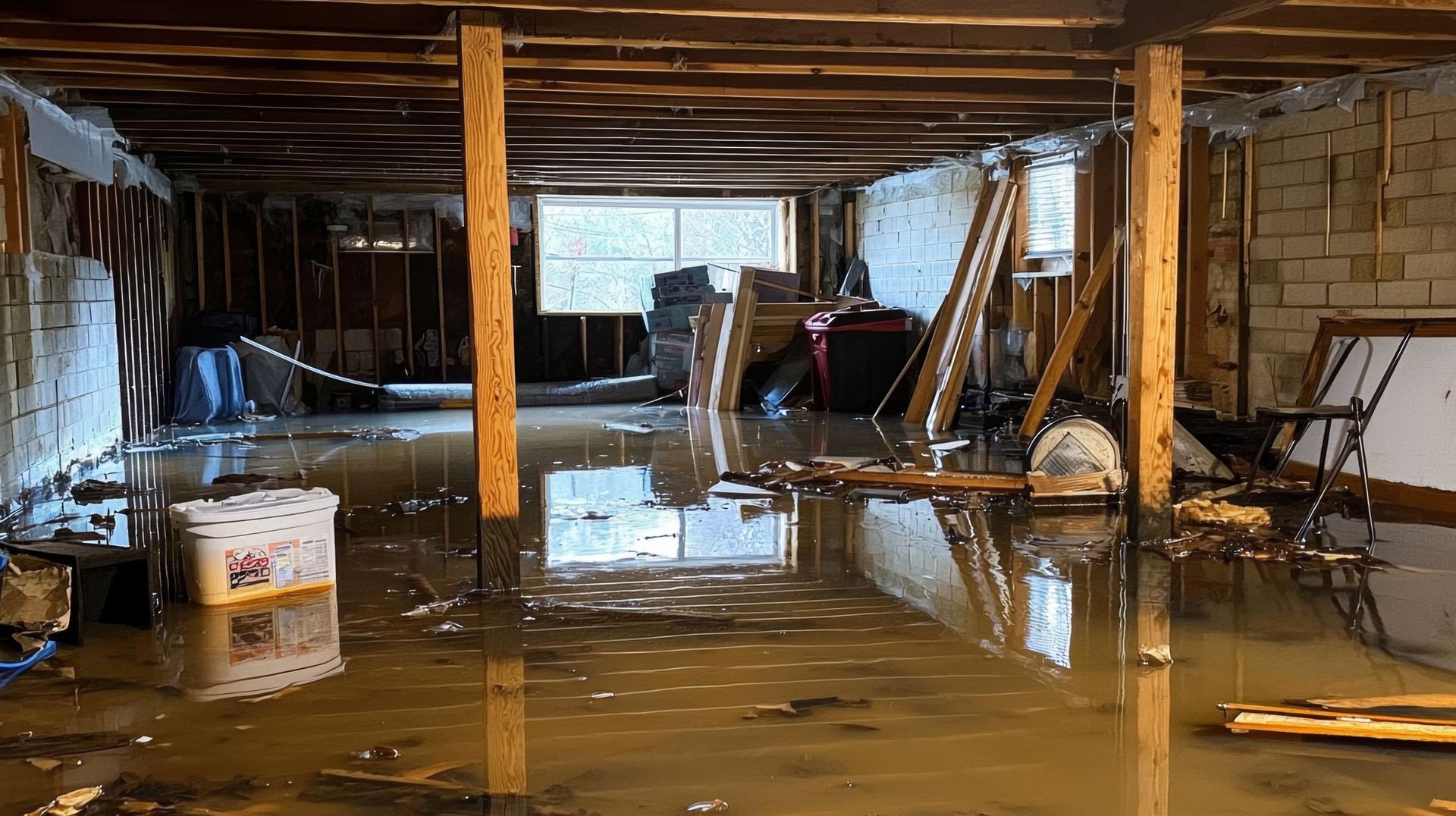
In areas like Hudson, Chagrin Falls, Moreland Hills, Brecksville, and Aurora, many homes have finished or partially finished basements. When flooding occurs, the damage may include flooring, trim, insulation, drywall, furniture, electronics, and stored personal items.
Signs Your Sump Pump May Be Failing
Homeowners should not wait until water is on the basement floor to check the sump pump. Common warning signs include:
- The pump runs constantly or turns on and off rapidly.
- The pump makes grinding, rattling, or humming noises.
- Water remains in the pit even after the pump runs.
- The float switch gets stuck or does not move freely.
- The discharge line is frozen, clogged, disconnected, or draining too close to the home.
- The pump is more than several years old and has not been inspected.
- If any of these signs are present, the system may not be ready for the next major storm.
What to Do If Your Basement Floods After a Sump Pump Failure
The first step is safety. Do not walk into standing water if there is any chance it may be in contact with electrical outlets, appliances, cords, or the electrical panel. Once it is safe, stop the source of water if possible and document the damage with photos and videos.
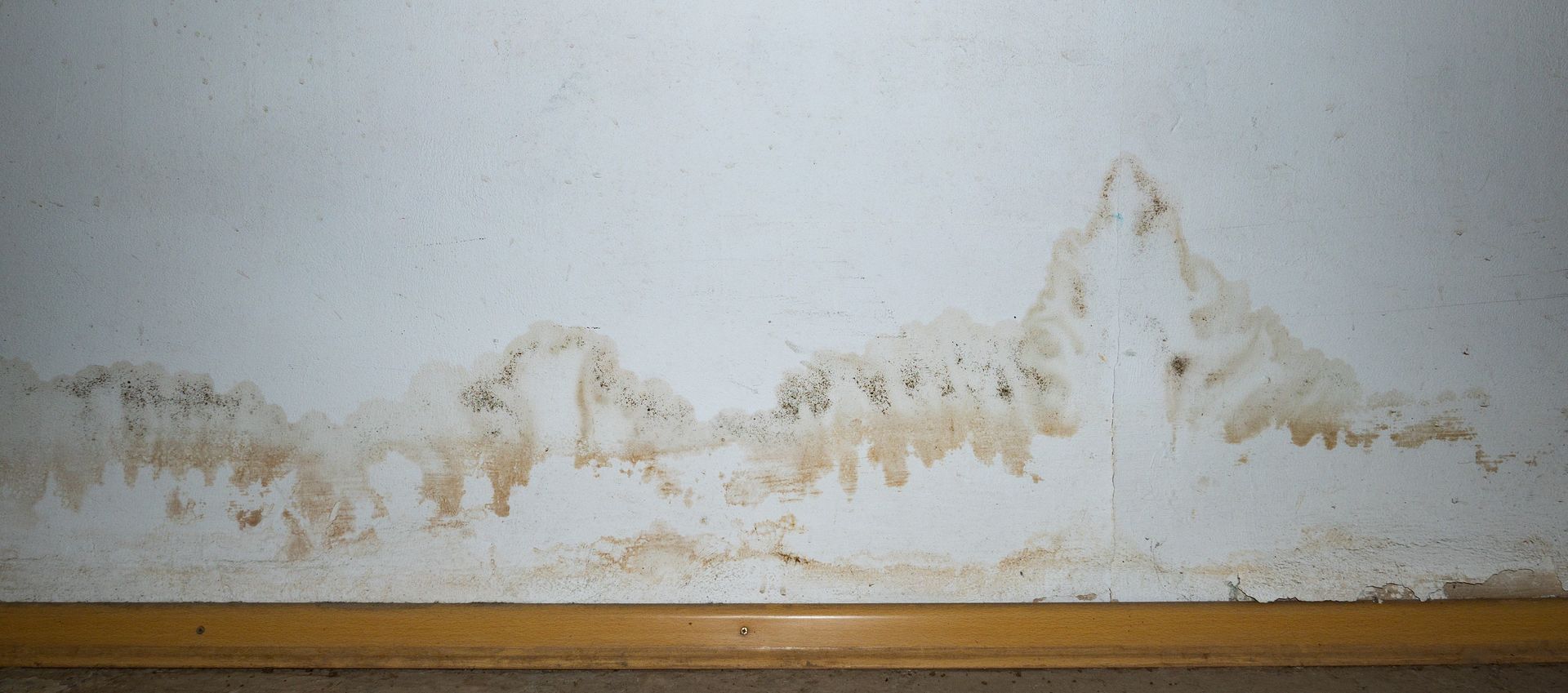
After that, contact a professional water damage restoration company. Basement flooding requires more than removing visible water. Moisture can hide behind walls, under flooring, inside insulation, and around baseboards. If the basement is not dried properly, mold can begin to develop and cause additional damage.
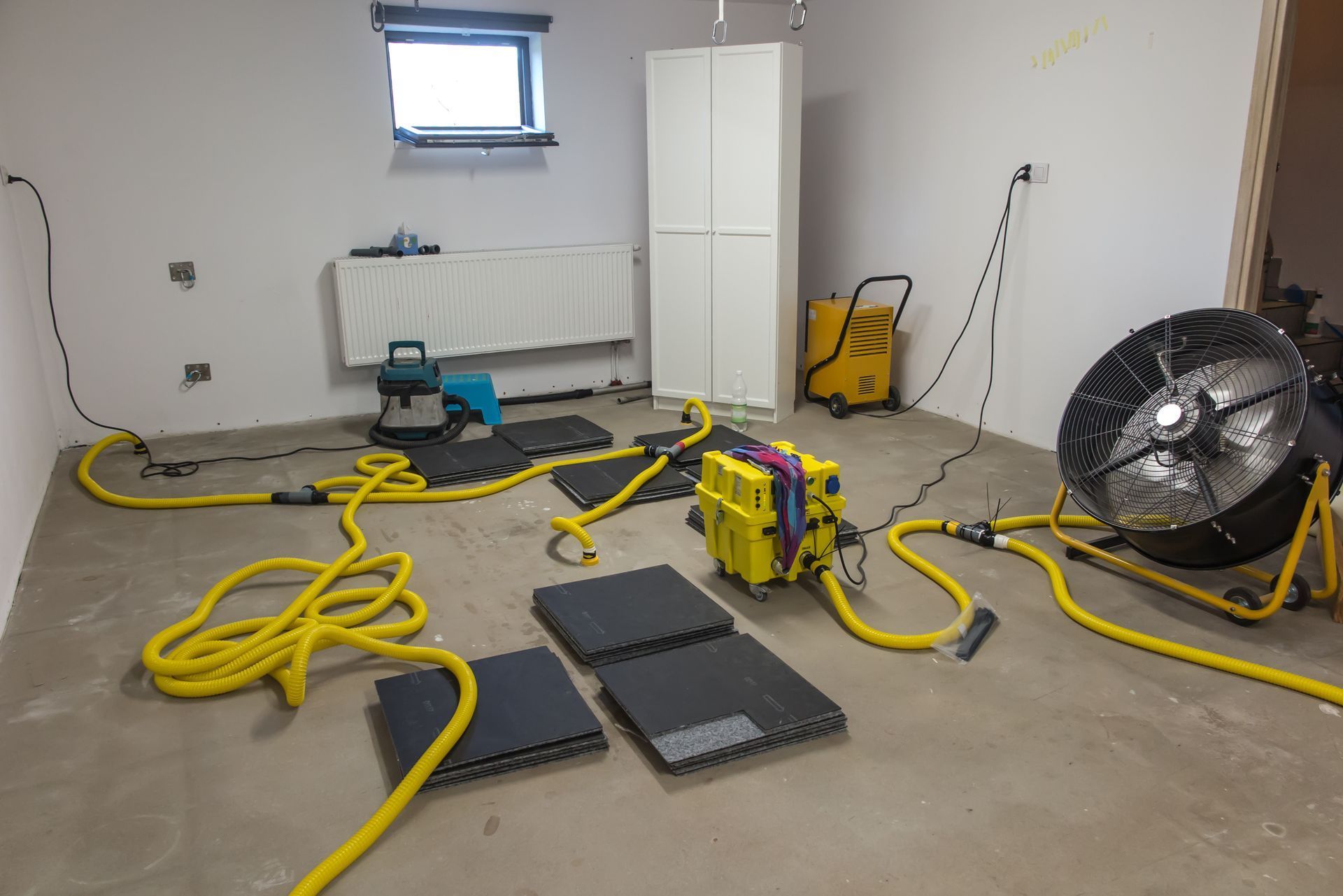
A professional restoration team can extract water, remove damaged materials, dry the structure, monitor moisture levels, and help restore the basement safely.
How to Help Prevent Sump Pump-Related Flooding
The best time to check a sump pump is before heavy rain is in the forecast. Homeowners can reduce risk by testing the pump regularly, keeping the pit clean, checking the discharge line, and making sure water drains away from the foundation.
A backup pump is also important in Northeast Ohio, where storms can knock out power. A battery backup can keep the system working when the primary pump loses electricity. For homes with finished basements, this added protection can help prevent thousands of dollars in water damage.
When to Call a Water Damage Restoration Company
Call a restoration professional if your basement has standing water, wet carpet, soaked drywall, a sewage backup concern, musty odors, or visible signs of mold. You should also call if you are unsure how far the moisture has spread.
Even a small amount of water can move into hidden areas. Fast cleanup and drying can help protect your home, reduce the chance of mold growth, and prevent more expensive repairs.
Final Thoughts
Sump pump failures are one of the most common causes of basement flooding in Northeast Ohio. Because storms, snowmelt, and saturated soil can overwhelm a home quickly, prevention and fast response matter.
If your sump pump fails or your basement floods, Flynn & Co. Restoration and Construction can help with water removal, drying, cleanup, and repairs throughout Northeast Ohio, including Macedonia, Aurora, Hudson, Twinsburg, Streetsboro,
Chagrin Falls,
Brecksville, Broadview Heights, Beachwood, and nearby communities