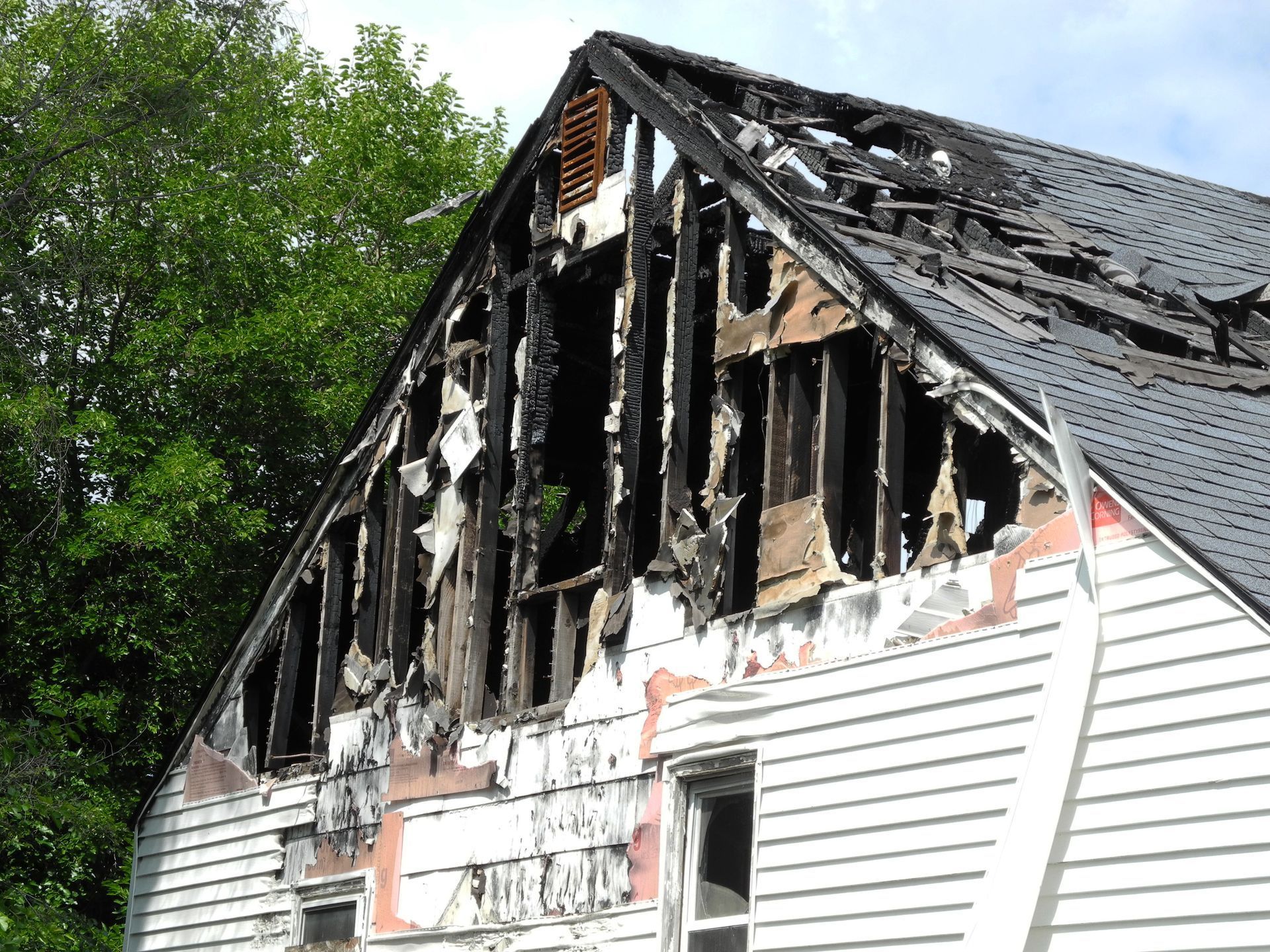
House fires can happen quickly, but many of the most common causes are preventable with the right habits, maintenance, and awareness. For homeowners in Northeast Ohio, fire risk often changes with the season. Winter heating, holiday cooking, older electrical systems, fireplaces, dryers, and storm-related power outages can all create hazards inside the home.
National fire data consistently shows that most home fires and fire-related injuries are connected to a few major causes: cooking, heating equipment, electrical issues, smoking materials, and intentional fires. Cooking remains one of the leading causes of residential fires, while heating equipment becomes especially important during cold-weather months.
For homeowners in Macedonia, Aurora, Hudson, Twinsburg, Chagrin Falls, Brecksville, Broadview Heights, Beachwood, Streetsboro, and surrounding Northeast Ohio communities, understanding these risks can help protect your home and your family.
1. Cooking Fires
Cooking is one of the most common causes of house fires. The U.S. Fire Administration reports that cooking accounted for 51% of residential building fires in its 2017–2019 data set, making it the leading cause of residential building fires nationwide.
Most kitchen fires start when food, oil, grease, paper towels, packaging, oven mitts, or other combustible materials get too close to heat. Unattended cooking is especially dangerous because a small flare-up can spread before anyone notices.
Common cooking fire risks include:
- Leaving the stove unattended
- Frying with oil or grease at high heat
- Placing towels, paper, or packaging near burners
- Forgetting food in the oven
- Wearing loose sleeves while cooking
- Allowing children or pets too close to the stove
This risk often increases during holidays, family gatherings, and busy weeknights when multiple things are happening at once.
How to reduce the risk:
Stay in the kitchen while frying, grilling, boiling, or broiling. Keep flammable items away from the stove, clean grease buildup regularly, and keep a properly rated fire extinguisher nearby. If a grease fire starts, never use water. Turn off the heat if it is safe to do so and cover the pan with a lid.
2. Heating Equipment Fires
Northeast Ohio winters make heating safety especially important. Furnaces, fireplaces, wood stoves, space heaters, and chimneys all need proper use and maintenance. The U.S. Fire Administration identifies heating fires as the second leading cause of residential building fires, and portable heater fires are especially dangerous because they account for a large share of fatal heating fires despite representing a small percentage of heating fire incidents.
In Northeast Ohio homes, heating fire risks often come from:
- Space heaters placed too close to curtains, bedding, furniture, or clothing
- Fireplaces or chimneys with creosote buildup
- Furnaces that have not been serviced
- Wood stoves used without proper clearance
- Extension cords used with portable heaters
- Using an oven to heat the home
Ohio’s State Fire Marshal also emphasizes keeping flammable items at least three feet away from fireplaces, wood stoves, and other heat sources.
How to reduce the risk:
Have furnaces, fireplaces, and chimneys inspected regularly. Plug space heaters directly into wall outlets, not extension cords or power strips. Keep anything that can burn at least three feet away from heating equipment, and turn portable heaters off before leaving the room or going to sleep.
3. Electrical Fires
Electrical fires can start behind walls, in overloaded outlets, around damaged wiring, or from aging panels and circuits. This can be a concern in older Northeast Ohio homes, especially properties with outdated electrical systems, frequent tripped breakers, flickering lights, or heavy use of extension cords.
The NFPA lists electrical distribution and lighting equipment among the major causes of home fires and fire casualties.
Warning signs of electrical fire hazards include:
- Warm or discolored outlets
- Burning smells near switches or outlets
- Flickering lights
- Breakers that trip repeatedly
- Buzzing outlets or switches
- Extension cords used as permanent wiring
- Too many devices plugged into one outlet
How to reduce the risk:
Avoid overloading outlets, replace damaged cords, and do not run cords under rugs or furniture. If you notice recurring electrical problems, call a licensed electrician. After a storm, power surge, or water intrusion, have affected electrical areas inspected before using them again.
4. Clothes Dryer Fires
Dryers are another common household fire risk, especially when lint builds up inside the lint trap, vent hose, or exterior vent. Lint is highly flammable, and a dryer that cannot vent properly can overheat.
Dryer fire risks include:
- Not cleaning the lint trap
- Clogged or crushed dryer vents
- Long vent runs with poor airflow
- Plastic or foil-style vent hoses
- Drying items with oils, chemicals, or flammable residue
- Running the dryer while away from home
How to reduce the risk:
Clean the lint trap after every load. Check the outside dryer vent to make sure air is flowing. Have the dryer vent professionally cleaned if clothes take longer than usual to dry, the laundry room feels hot, or you notice a burning smell.
5. Candles and Open Flames
Candles, fireplaces, matches, lighters, and other open flames can create major fire damage when left unattended. Candles are especially risky when placed near curtains, holiday decorations, bedding, paper, or furniture.
In Northeast Ohio, candle use often increases during winter, holidays, storms, and power outages. While candles may seem harmless, they can ignite nearby materials quickly.
How to reduce the risk:
Use flameless candles when possible. If using real candles, keep them on stable, nonflammable surfaces and blow them out before leaving the room. Keep matches and lighters away from children.
6. Smoking Materials
Smoking materials are responsible for a smaller percentage of home fires than cooking, but they are a serious cause of fatal fires. The U.S. Fire Administration notes that smoking-related fires accounted for only 2% of residential building fires in older report data, but they were a leading cause of civilian fire deaths.
Smoking-related fires often start when cigarettes, cigars, ashes, or embers come into contact with furniture, bedding, trash, mulch, leaves, or deck materials.
How to reduce the risk:
Smoke outside whenever possible. Use deep, sturdy ashtrays and fully extinguish smoking materials before throwing them away. Never smoke in bed or when tired, drowsy, or using medical oxygen.
7. Grills, Fire Pits, and Outdoor Flames
House fires do not always start inside the home. Grills, fire pits, bonfires, and outdoor cooking equipment can spread flames to decks, siding, fences, garages, or nearby vegetation.
This is especially important in neighborhoods where homes are close together or where grills are used on decks, patios, or near attached garages.
How to reduce the risk:
Keep grills and fire pits away from siding, deck railings, overhangs, dry leaves, and outdoor furniture. Never place hot ashes in plastic trash cans. Use a metal container with a lid and keep ashes outside, away from the home.
8. Storms, Power Outages, and Generator Mistakes
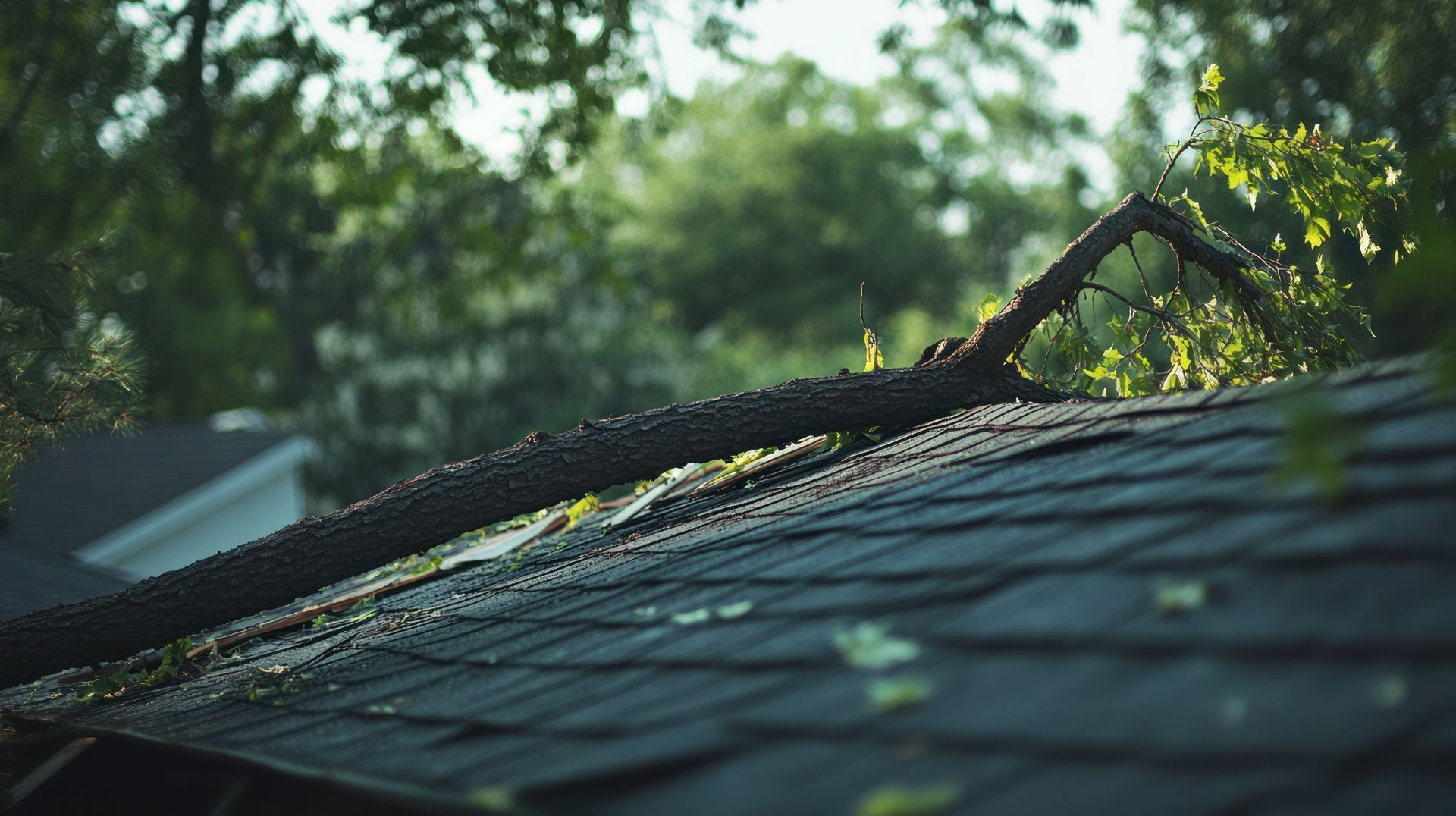
Northeast Ohio storms can create fire risks even after the weather has passed. Power outages, downed lines, lightning, damaged electrical systems, and improper generator use can all lead to hazards.
Common storm-related fire risks include:
- Running generators too close to the home
- Using indoor extension cords outdoors
- Overloading power strips
- Using candles during outages
- Turning appliances back on after a surge
- Water-damaged electrical outlets or panels
How to reduce the risk:
Use flashlights instead of candles during outages. Keep generators outdoors and away from windows, doors, and vents. Do not use electrical systems that may have been exposed to water until they have been inspected.
Fire Prevention Checklist for Northeast Ohio Homeowners
Use this quick checklist to reduce common fire risks around your home:
- Test smoke alarms monthly.
- Replace smoke alarms that are 10 years old or older.
- Install smoke alarms on every level of the home and near sleeping areas.
- Keep a fire extinguisher in the kitchen.
- Clean dryer lint after every load.
- Schedule chimney and furnace inspections.
- Keep space heaters at least three feet from anything flammable.
- Do not overload outlets or power strips.
- Keep candles away from curtains, bedding, and decorations.
- Review a family fire escape plan.
- Keep exits, stairways, and basement doors clear.
- Store gasoline, paint, and flammable liquids safely.
Working smoke alarms are one of the most important safety measures in any home. According to NFPA research, the risk of dying in a home fire is cut by 60% when working smoke alarms are present.
What to Do After a House Fire
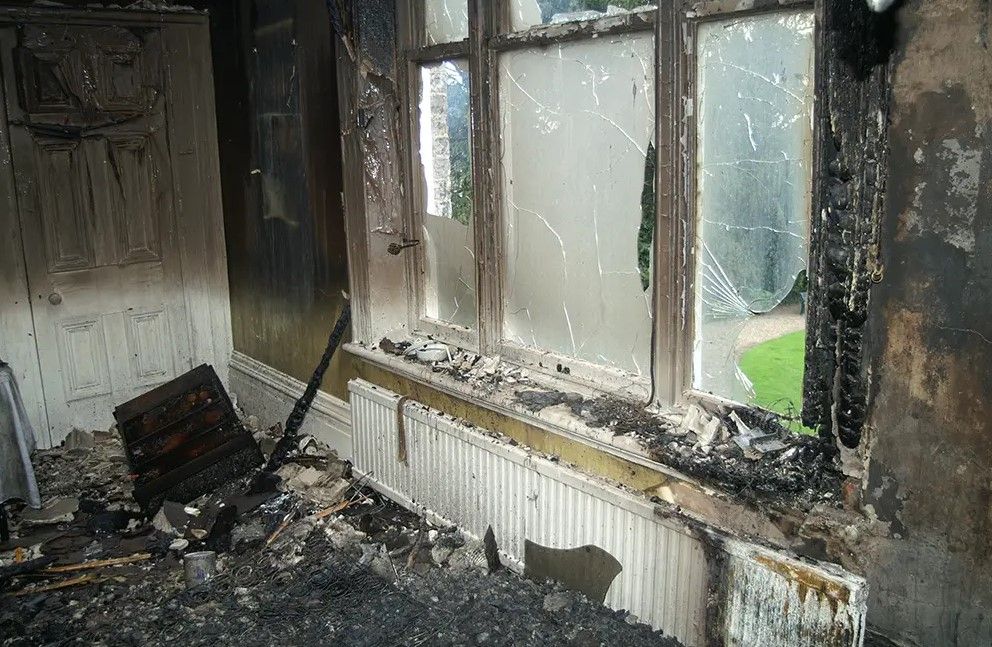
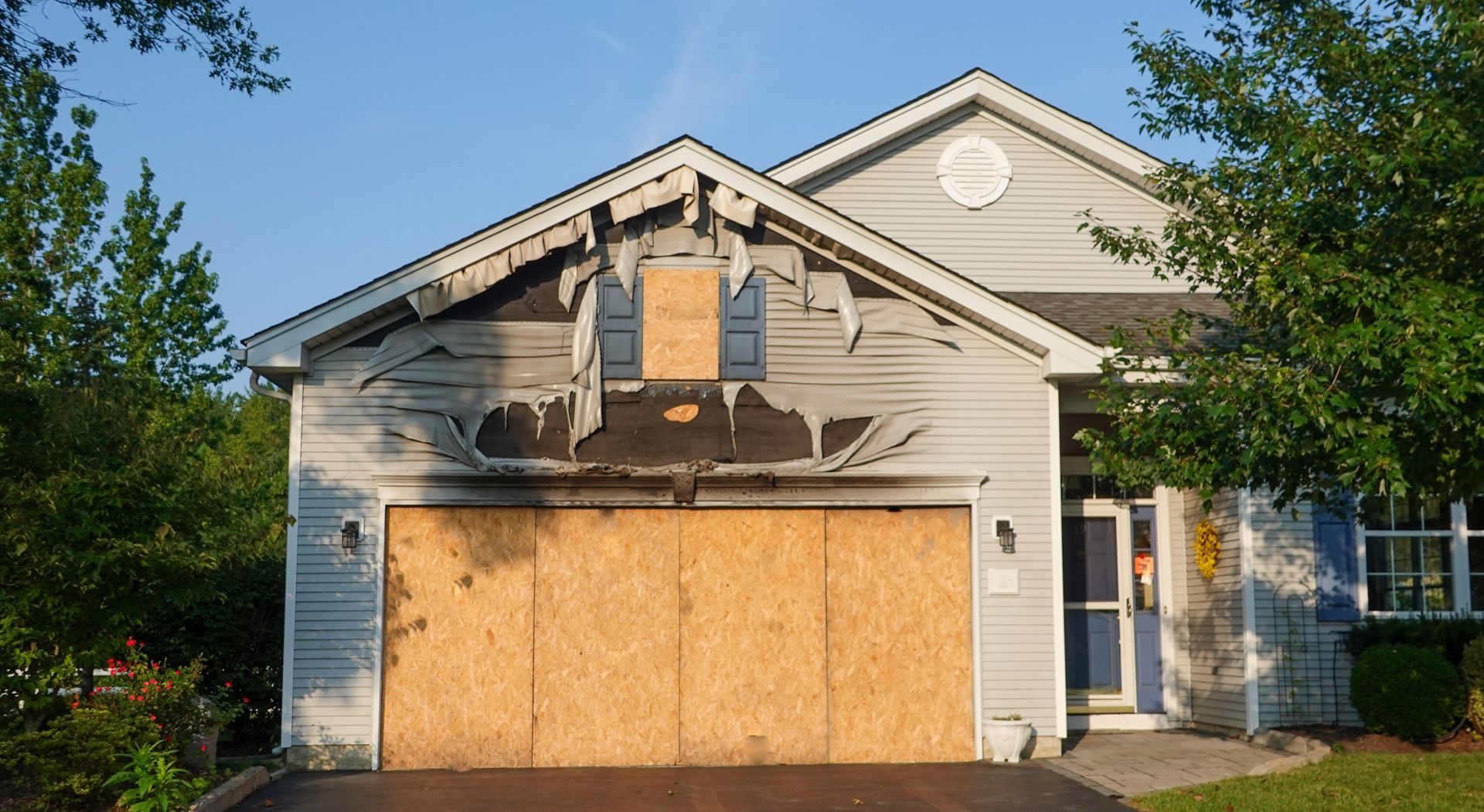
Even a small house fire can leave behind smoke, soot, odor, water damage from firefighting efforts, damaged drywall, compromised materials, and hidden moisture. After the fire department clears the property, avoid touching damaged surfaces or attempting deep cleanup on your own.
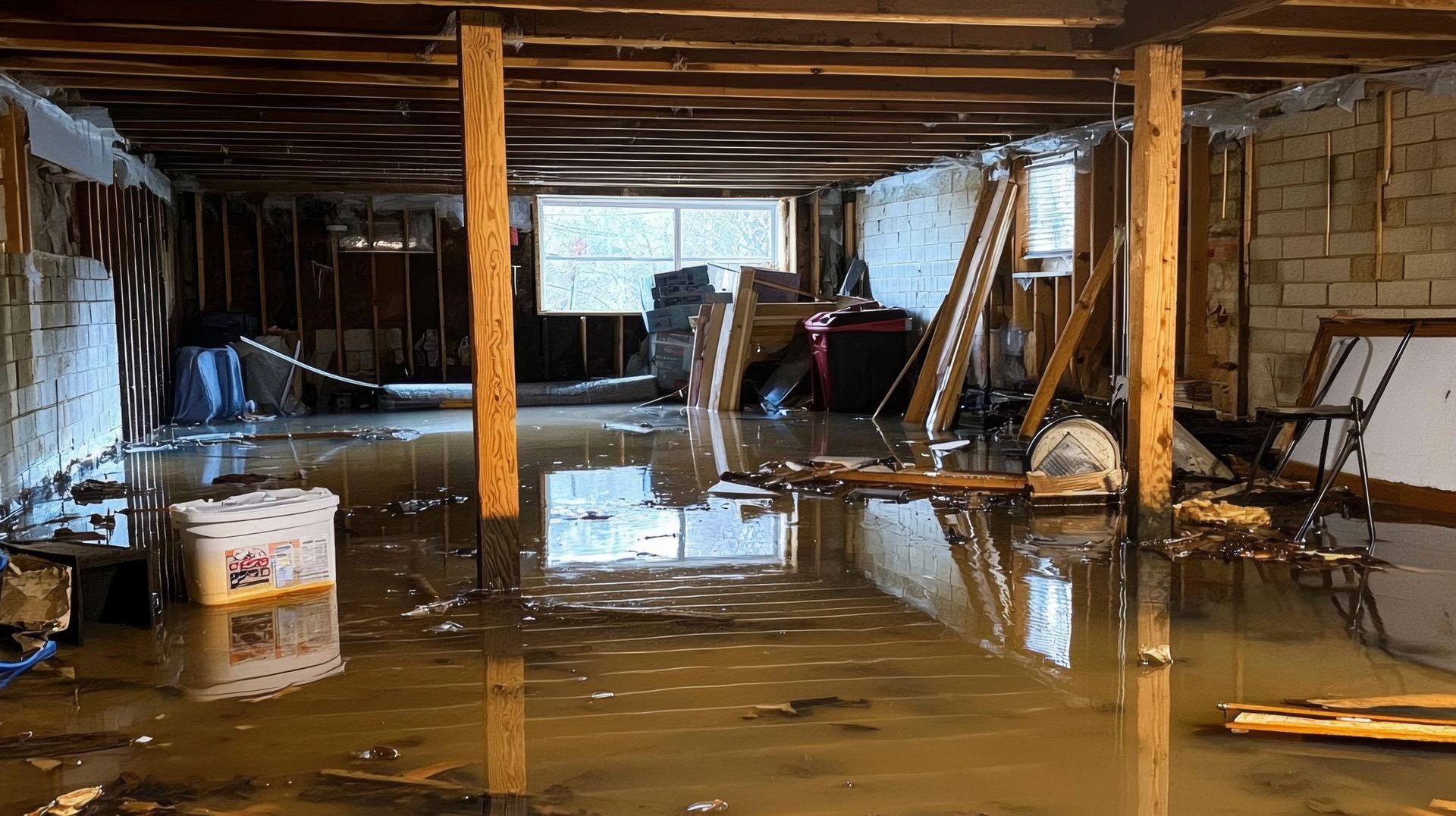
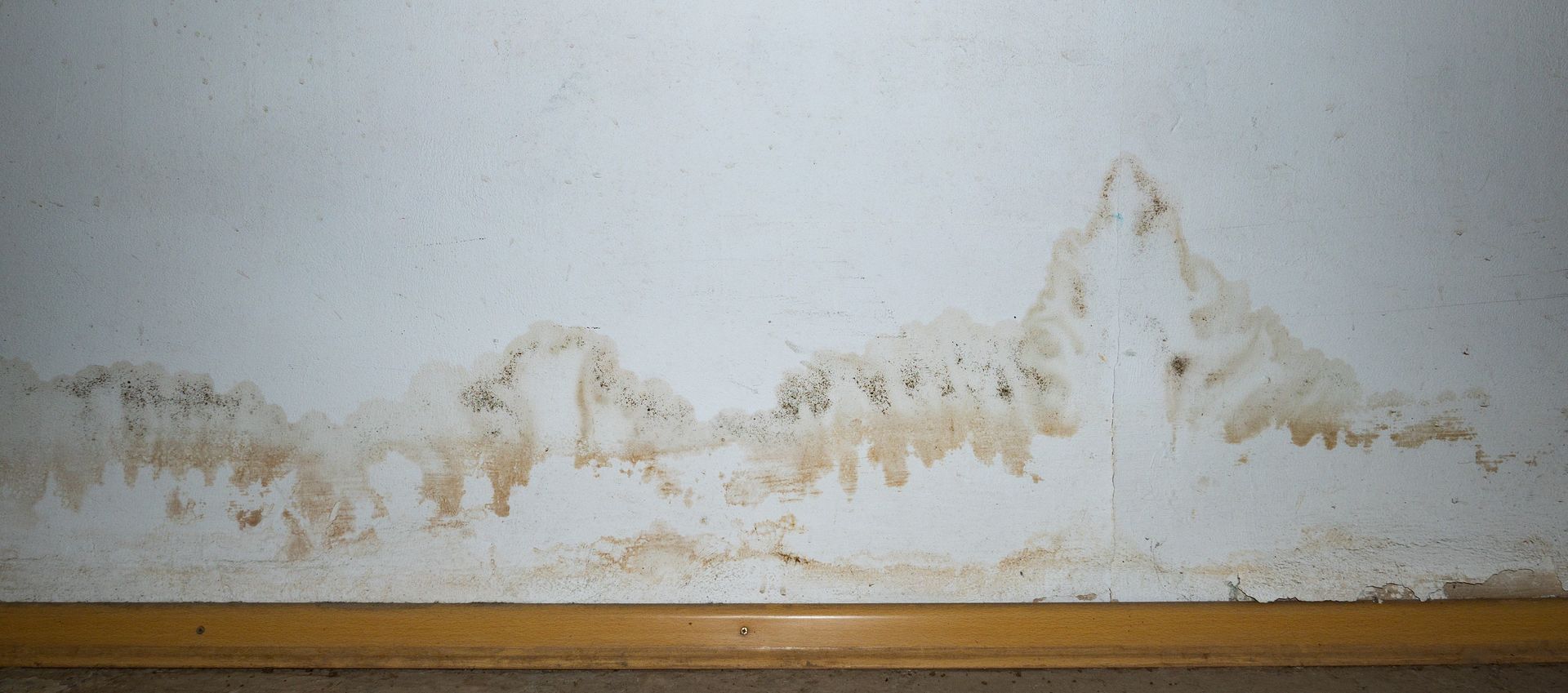
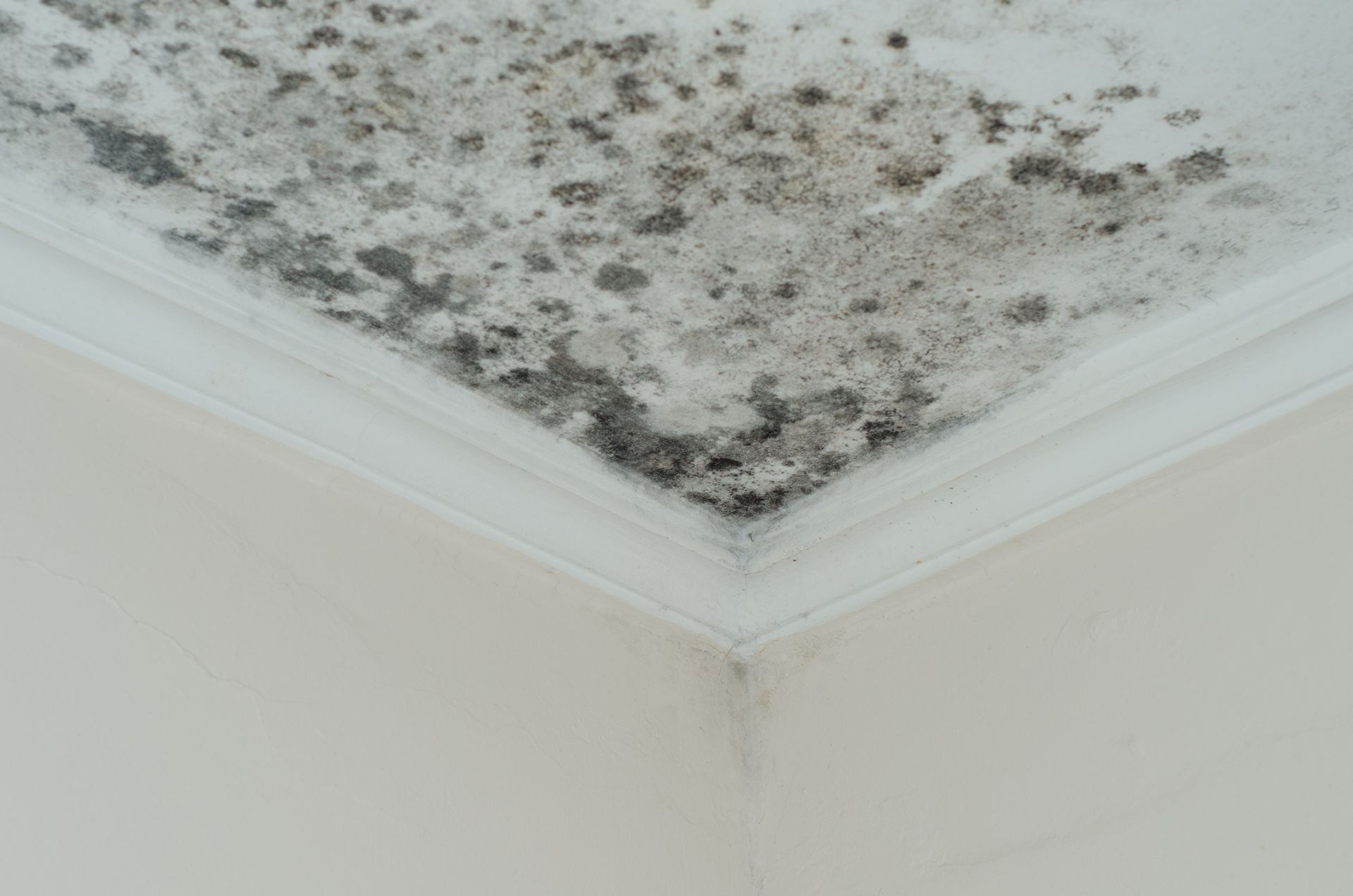
Smoke and soot can spread far beyond the area where the fire started. HVAC systems, insulation, cabinets, flooring, ceilings, and personal belongings may all be affected. Water used to extinguish the fire can also create secondary issues, including staining, swelling, and mold growth if not addressed quickly.
A professional fire damage restoration company can help with:
- Emergency board-up and property protection
- Smoke and soot cleanup
- Odor removal
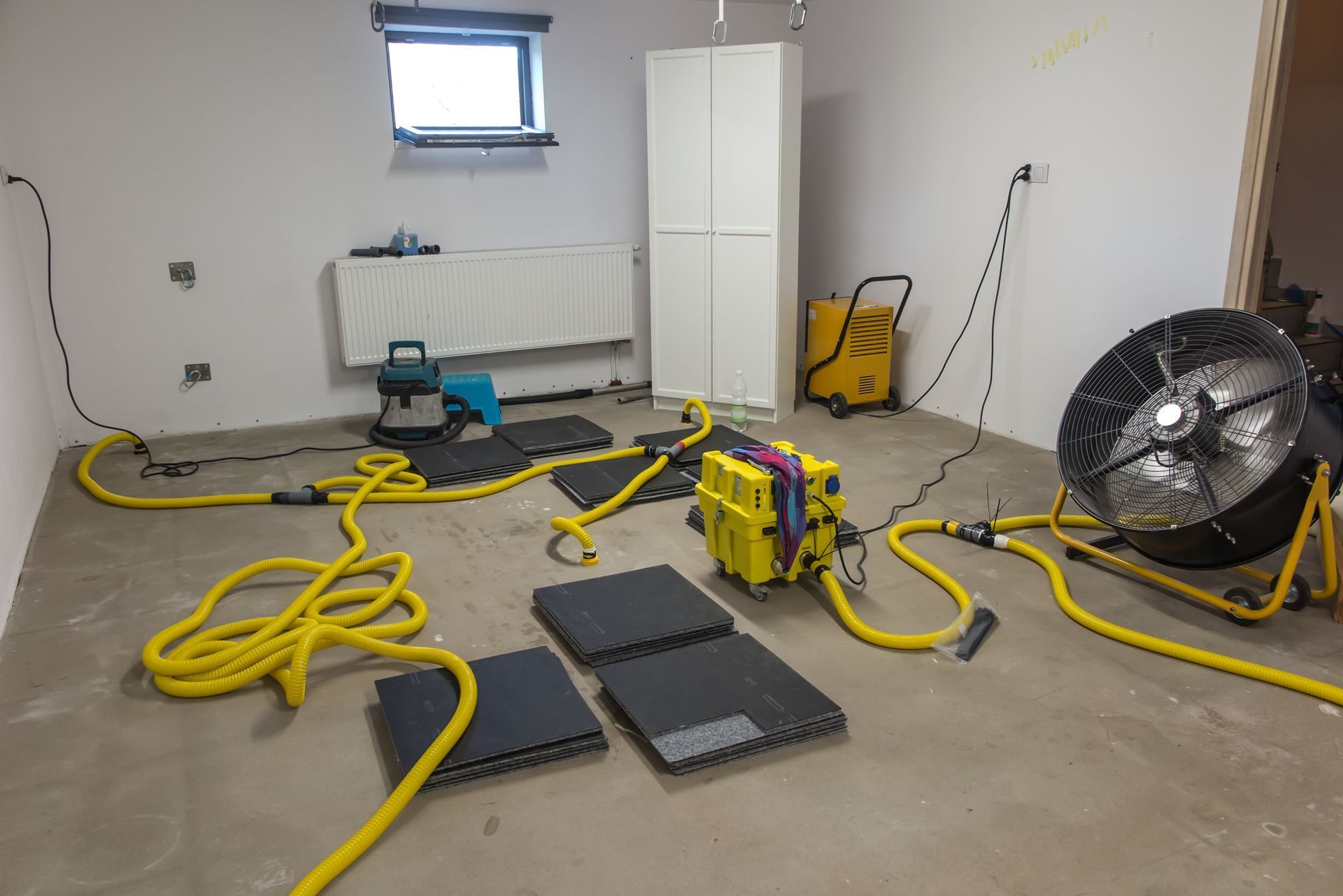
- Water extraction and drying
- Structural cleaning
- Contents cleaning
- Demolition and reconstruction
- Insurance documentation support
Fire Damage Restoration in Northeast Ohio
If your home has been damaged by fire, smoke, soot, or firefighting water, Flynn & Co. Restoration and Construction can help restore your property safely and efficiently. Our team provides fire damage restoration, water damage cleanup, and construction services for homeowners throughout Northeast Ohio, including Macedonia, Aurora, Hudson, Twinsburg, Chagrin Falls, Streetsboro, Brecksville, Broadview Heights, Beachwood, and nearby communities.
From emergency cleanup to reconstruction, we help homeowners move from damage control to recovery with a clear plan and professional support.