
How to Document Storm Damage Before Repairs in Moreland Hills

Flynn & Co. • October 1, 2026

Good storm-damage documentation shows what happened, what areas were affected, and what emergency work was needed to protect the property. It should capture the original condition without delaying tarping, board-up, water removal, or other reasonable steps that prevent additional damage.

For Moreland Hills homeowners, a simple system of wide photos, close details, written notes, receipts, and contractor records can make a complicated restoration project easier to track from the first inspection through final repairs.

Safety Comes Before Photographs

Do not approach downed power lines, unstable trees, standing water near electricity, broken gas lines, or visibly shifting structures. Leave the property and call emergency services or the appropriate utility when any of these conditions may be present.

Photographs are valuable, but no image is worth climbing onto a storm-damaged roof or entering an unsafe room. Use ground-level views and camera zoom until qualified professionals have cleared the area.

Start With Wide Exterior Photos

Photograph every side of the home, even when damage appears limited to one elevation. Wide images establish the overall condition and show how fallen trees, debris, roof areas, siding, windows, gutters, and drainage features relate to each other.

Then take closer images of missing shingles, damaged flashing, lifted siding, broken glass, impacted trim, fallen limbs, and openings. Photograph the ground below the damage as well, including displaced materials or debris that may help explain what happened.

Document Interior Damage Room by Room

Begin at the entry to each affected room with a wide photo, then move closer to individual stains, wet materials, damaged contents, and debris. Photograph ceilings, walls, floors, windows, closets, cabinets, and the level below an exterior opening.

A slow video walkthrough can show the path between rooms and preserve details that still photos miss. Narrate the date, room name, and what you observe without speculating about the cause.

Capture Details That Establish Scale

Close photos should be sharp enough to show cracks, punctures, staining, dents, and material separation. Include a ruler or familiar object for scale only when it is safe and will not disturb the damage.

Photograph labels, model numbers, serial numbers, and product markings on damaged appliances, equipment, roofing materials, windows, and personal property. These details can be difficult to recover after debris is removed.

Create a Written Storm Timeline

Record when the storm occurred, when the damage was discovered, who was present, and what immediate steps were taken. Add the time of calls to emergency services, utilities, the insurer, tree services, and restoration contractors.

Continue the timeline during the project. Note inspections, temporary repairs, equipment placement, material removal, approvals, selections, contractor visits, and major communication. A short factual entry is more useful than relying on memory weeks later.

Inventory Damaged Personal Property

Work room by room and list each damaged item with its description, brand, model, approximate age, and condition when available. Photograph the item in place, then capture labels or serial numbers before it is moved.

Do not discard damaged belongings until they have been documented and you understand any insurer requirements, unless they create an immediate health or safety problem. If disposal is necessary, photograph the items and keep a record of what was removed and why.

Document Emergency Protection and Mitigation

Photograph conditions before and after tarping, board-up, tree removal, extraction, temporary shoring, and structural drying. Save proposals, work authorizations, invoices, drying records, and receipts for emergency materials.

Flynn & Co. provides storm damage restoration that can include emergency protection, damage assessment, cleanup, and coordination of repairs. The contractor’s records help show what was found and what was done to prevent additional loss.

Do Not Delay Reasonable Emergency Work

Waiting for perfect documentation while rain enters the home can increase the damage. Take the photos and video that are safely available, notify the insurer promptly, and move forward with necessary protection.

If water has entered the building, water damage restoration in Moreland Hills may need to begin before the full permanent repair scope is known. Extraction and drying records can document the affected area as mitigation progresses.

Keep Receipts and Communication Together

Save receipts for emergency work, temporary lodging, storage, tarps, board-up, tree removal, and other storm-related expenses. Keep estimates, invoices, change orders, and selection documents in the same project folder.

After phone calls, write down the date, the person’s name, and the main points discussed. Confirm important decisions in writing when possible. The insurer and policy determine coverage, but organized records reduce confusion about project history.

Record Hidden Damage as It Is Discovered

Storm damage is often concealed behind roofing, siding, drywall, insulation, or flooring. When a contractor uncovers wet sheathing, damaged framing, or additional smoke or water conditions, pause long enough to photograph and describe the finding.

Do not allow new finishes to cover unexpected damage before the scope is updated. Flynn & Co. can coordinate repairs and reconstruction while maintaining a continuous record from emergency mitigation through completion.

A Simple File System for Storm Records

  • 01 Original condition: exterior, interior, video, and property inventory
  • 02 Emergency work: tarping, board-up, tree removal, extraction, and drying
  • 03 Insurance communication: claim information, emails, letters, and adjuster notes
  • 04 Estimates and scope: proposals, revisions, change documentation, and selections
  • 05 Receipts and invoices: temporary expenses, contractor billing, and payment records
  • 06 Repairs: progress photos, inspections, warranties, and final completion documents

Rename files with the date, location, and subject so they remain searchable. Back up the folder in a second secure location rather than keeping the only copy on a storm-damaged phone or computer.

Frequently Asked Questions

Should I wait for an adjuster before installing a tarp?

Do not delay reasonable emergency protection when waiting would allow more damage. Photograph the original condition when practical, notify the insurer promptly, and save all receipts and contractor records.

How many storm-damage photos should I take?

Take enough to show the overall property, every affected area, and important close details. More organized, relevant photos are better than many unlabeled images of the same spot.

Can a restoration contractor decide what insurance covers?

No. The insurer and policy determine coverage. A restoration contractor documents conditions, explains the required work, and provides project records.

What should I do if hidden damage appears later?

Photograph and describe it immediately, then notify the appropriate contractor and insurance contact before it is covered or permanently repaired. The scope may need to be updated.

Get Help Documenting and Restoring Storm Damage

If a storm has damaged your Moreland Hills home, begin with safety, document what you can, and prevent additional loss. Call (330) 432-7414 or contact Flynn & Co. for an assessment and restoration plan.

Related Services

Restoration and Construction Services for Northeast Ohio Property Owners:


When water, fire, storms, mold, or structural damage affects your property, Flynn & Co. is ready to help. Our experienced team provides complete restoration and construction services for homes and businesses throughout Northeast Ohio.


Water Damage Restoration
From plumbing leaks and appliance failures to flooded basements, we locate the source of the water, remove moisture, dry affected materials, and repair the damage.


Fire and Smoke Damage Restoration
We help property owners recover after a fire with cleanup, smoke and odor removal, damage restoration, and reconstruction services.


Mold Remediation

 Our team identifies affected areas, safely removes mold-contaminated materials, addresses excess moisture, and helps restore a healthier indoor environment.


Storm Damage Restoration
When severe weather damages your roof, siding, interior, or other parts of your property, we provide prompt repairs and complete restoration assistance.


Remodeling and Construction
Flynn & Co. also provides professional remodeling, reconstruction, and general construction services for homeowners ready to repair or improve their property.

Need Help Restoring Your Northeast Ohio Property?

Whether you are dealing with water, fire, smoke, mold, or storm damage—or planning a remodeling project—Flynn & Co. can help you determine the right next step. Contact our experienced team to schedule an assessment for your home or business.

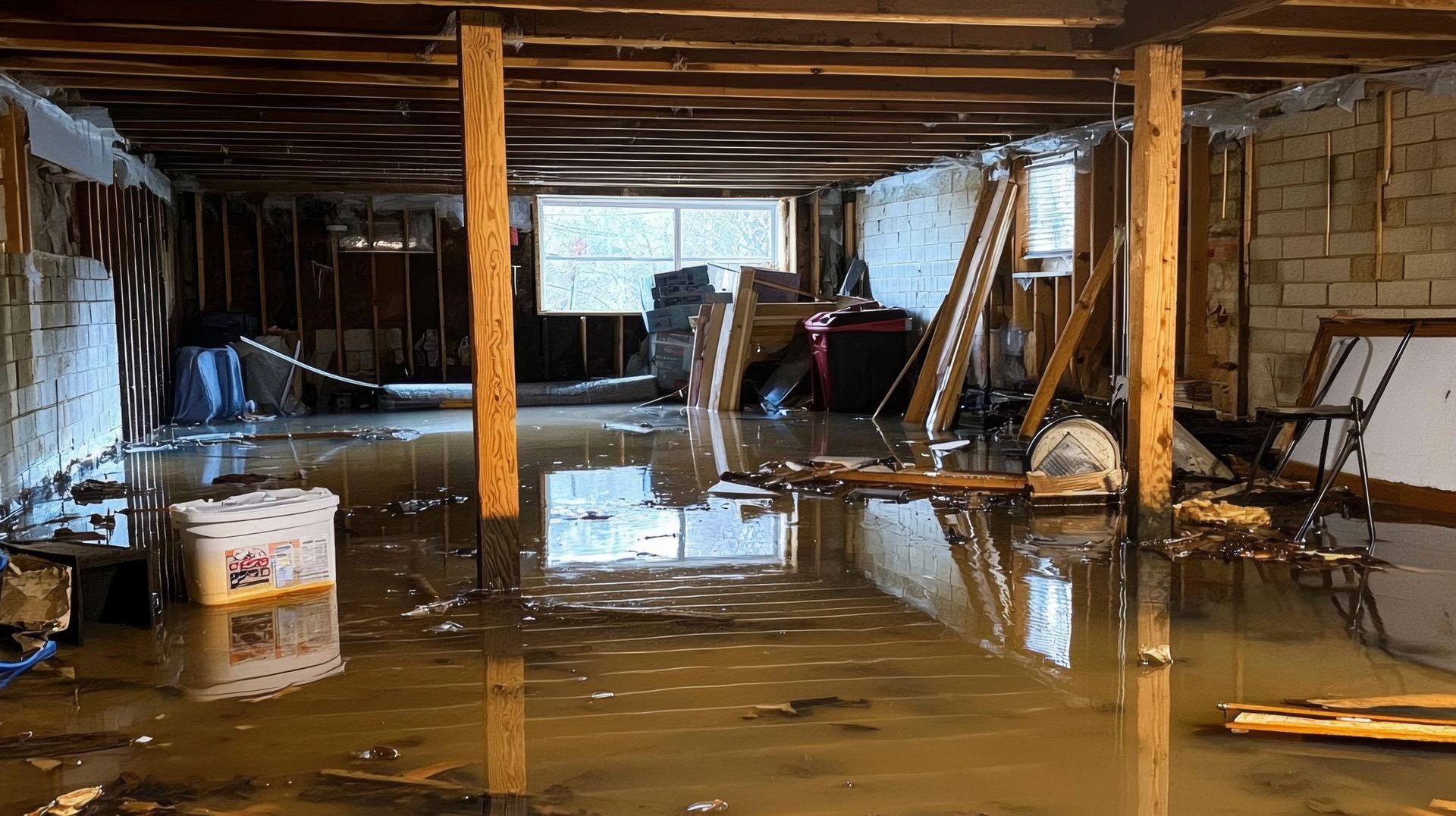
Flooded basement with murky water, support posts, and stored furniture and items partially submerged
By Flynn & Co. • September 24, 2026
Intense Northeast Ohio storms can overwhelm drainage systems and reveal weak points around Bedford foundations.
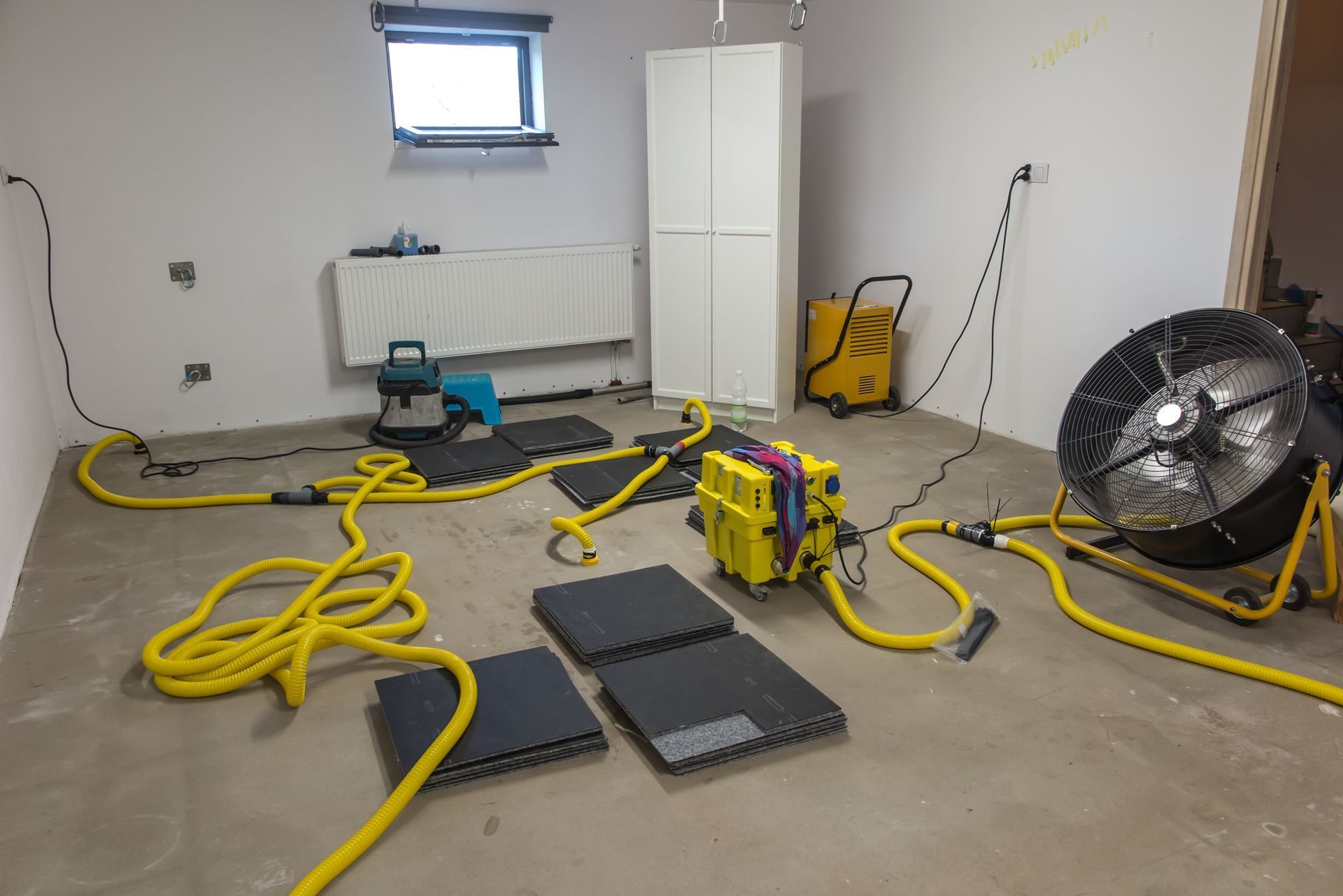
Workshop with yellow hoses, floor tools, cabinets, and a large fan in a bare room.
By Flynn & Co. • September 17, 2026
Water cleanup is only the first phase when drywall, insulation, flooring, cabinets, or framing cannot be restored.
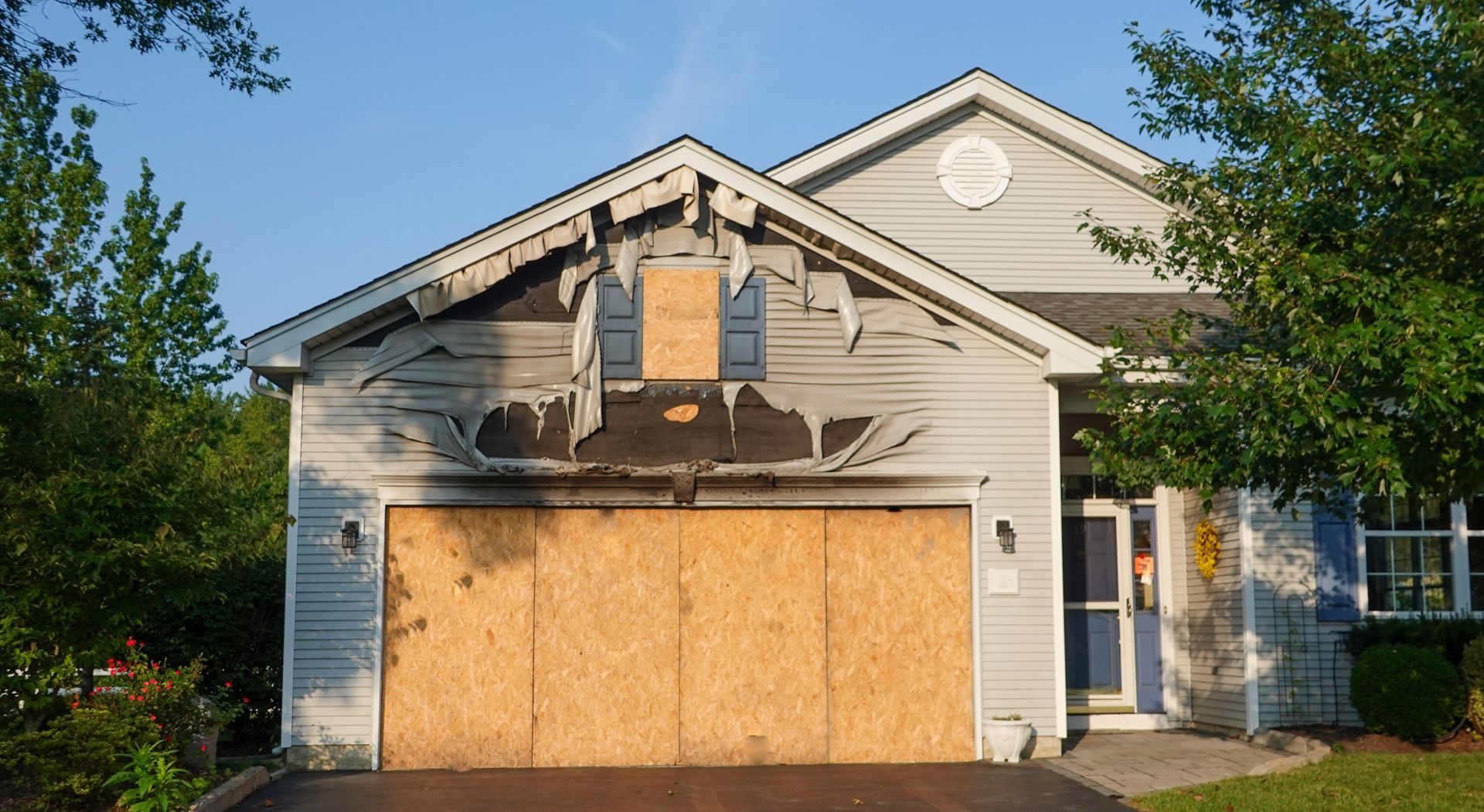
House with boarded-up garage door and damaged upper facade in a suburban neighborhood
By Flynn & Co. • September 10, 2026
A garage fire can affect much more than the room where it began, especially when the garage is attached to the home.
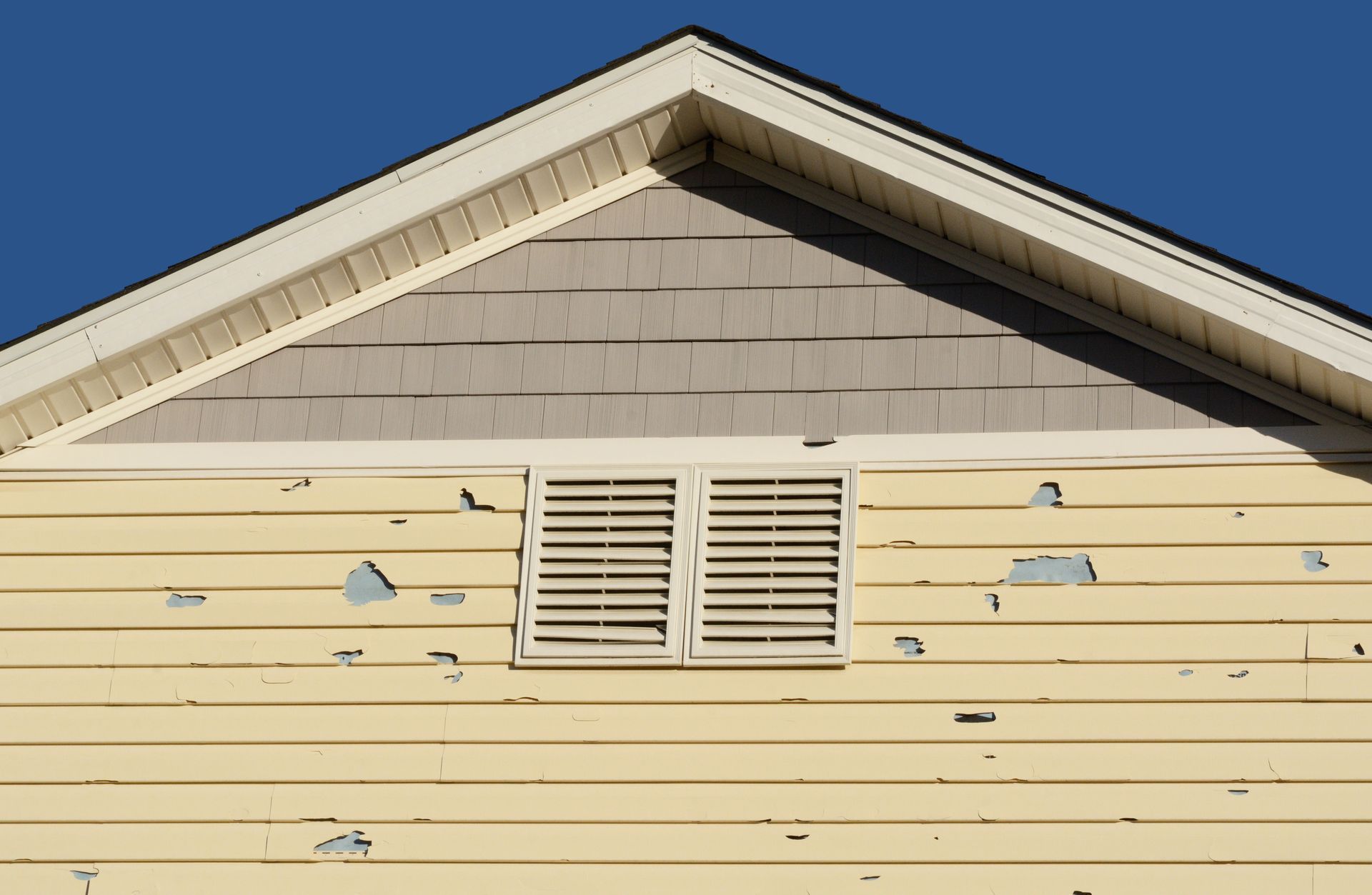
Weathered beige house gable with louvered vent under a clear blue sky
By Flynn & Co. • September 3, 2026
Wind can loosen siding, open seams, damage trim, and expose the wall assembly to rain.
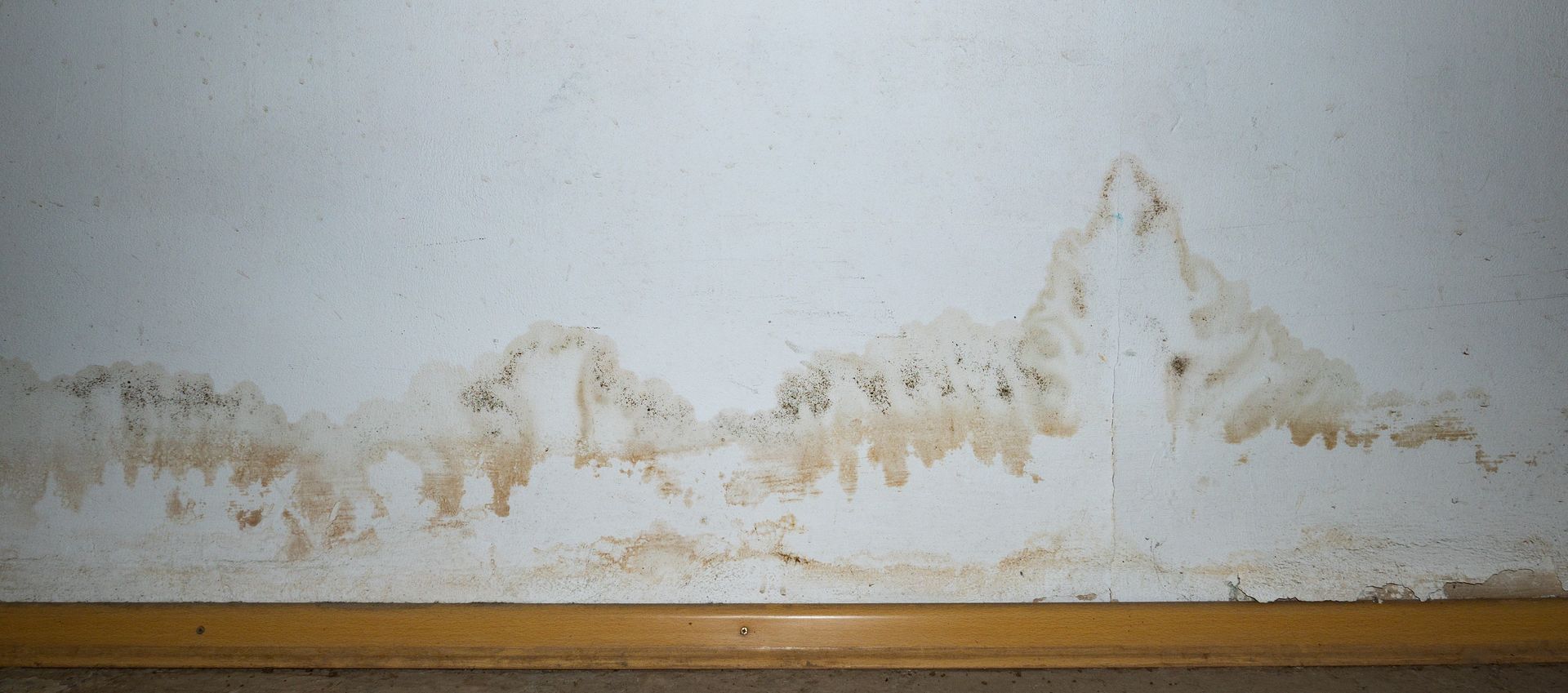
Peeling and water-damaged white wall above a wooden baseboard.
By Flynn & Co. • August 27, 2026
Washing machines, dishwashers, refrigerators, and water heaters can release water slowly or all at once.
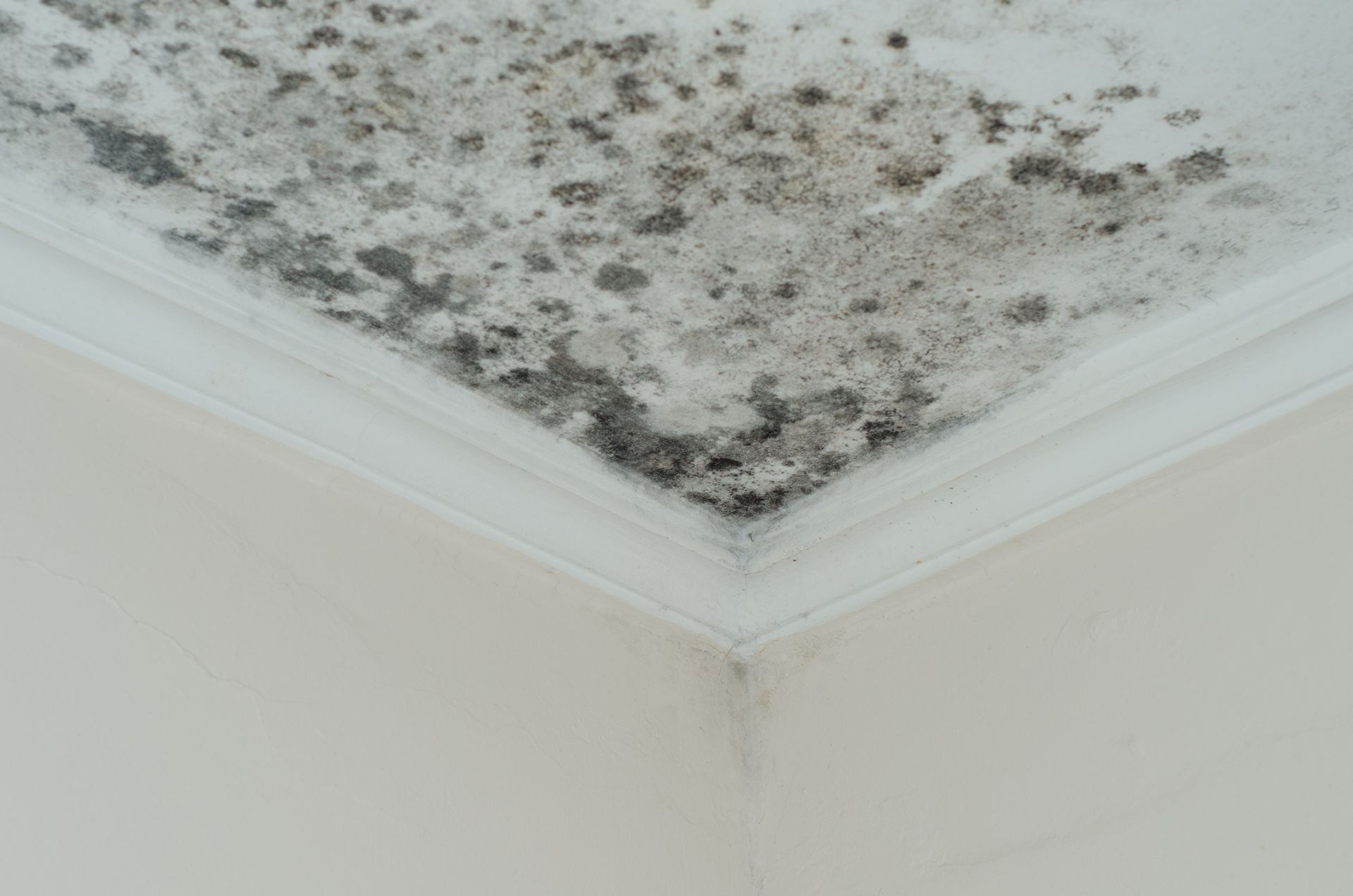
Ceiling corner with black mold and water damage on white paint
By Flynn & Co. • August 20, 2026
High summer humidity can support mold when moisture collects on cool surfaces or remains trapped in building materials.
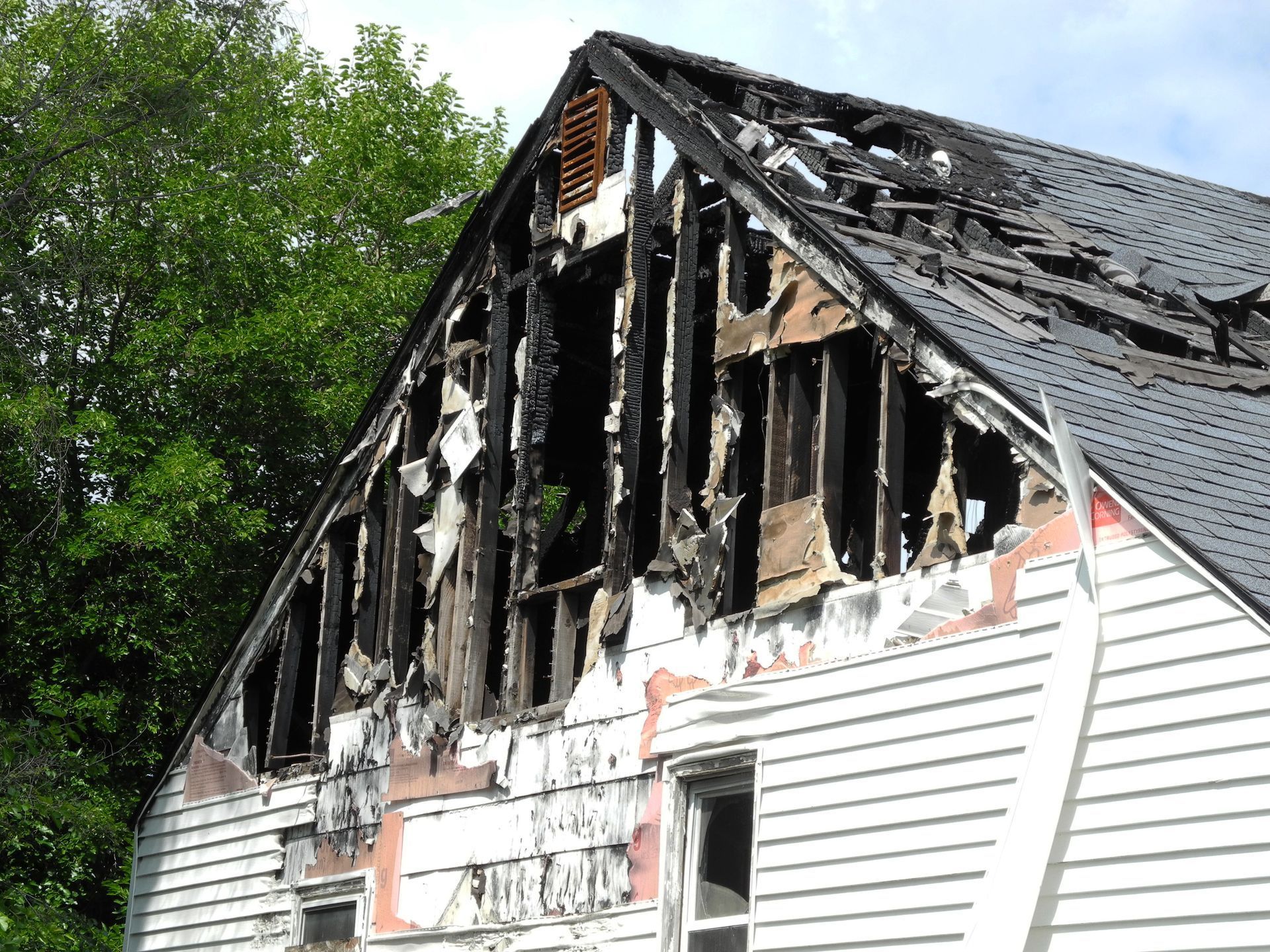
Charred house exterior with burned roof and damaged white siding after a fire
By Flynn & Co. • August 13, 2026
Kitchen fires can send smoke through cabinets, HVAC pathways, hallways, and adjoining rooms even when flames remain near the stove.
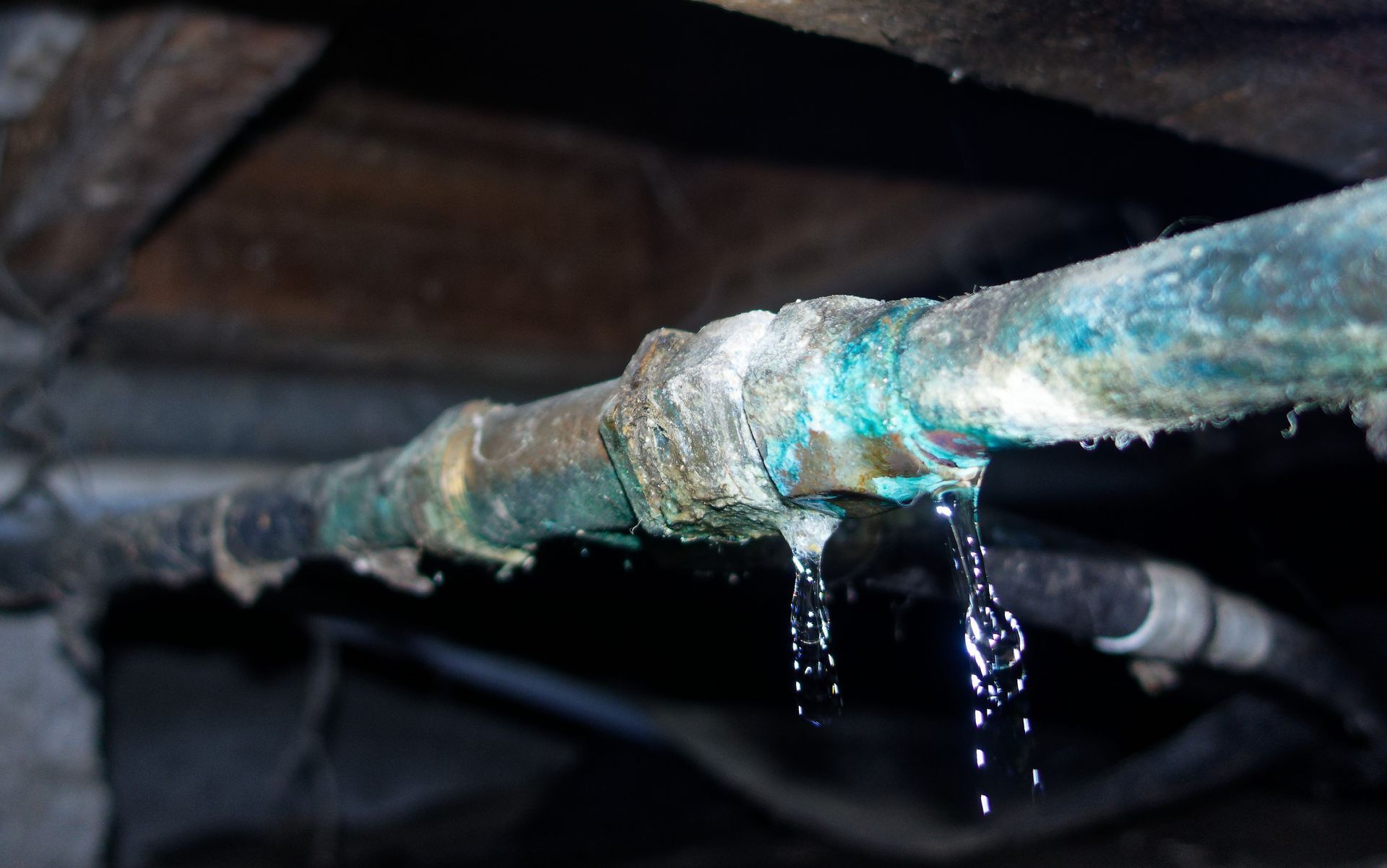
Leaking corroded pipe with water dripping in a dark crawl space
By Flynn & Co. • August 6, 2026
Northeast Ohio freezes can turn exposed or poorly insulated plumbing into a major water-loss risk.
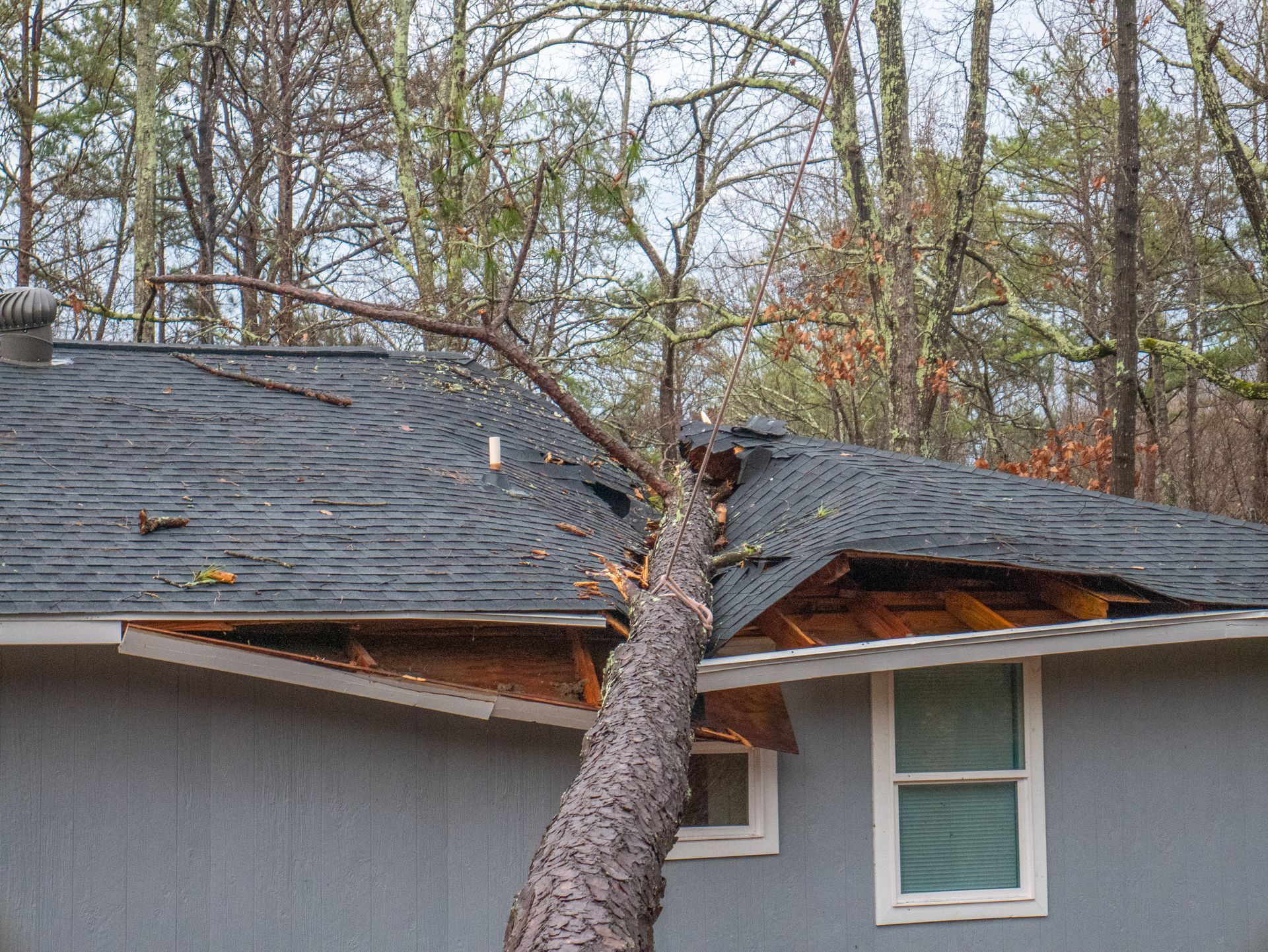
A fallen tree has crushed the roof of a gray house in a wooded area.
By Flynn & Co. • July 30, 2026
A fallen tree can damage roofing, framing, siding, windows, utilities, and interior finishes in seconds.
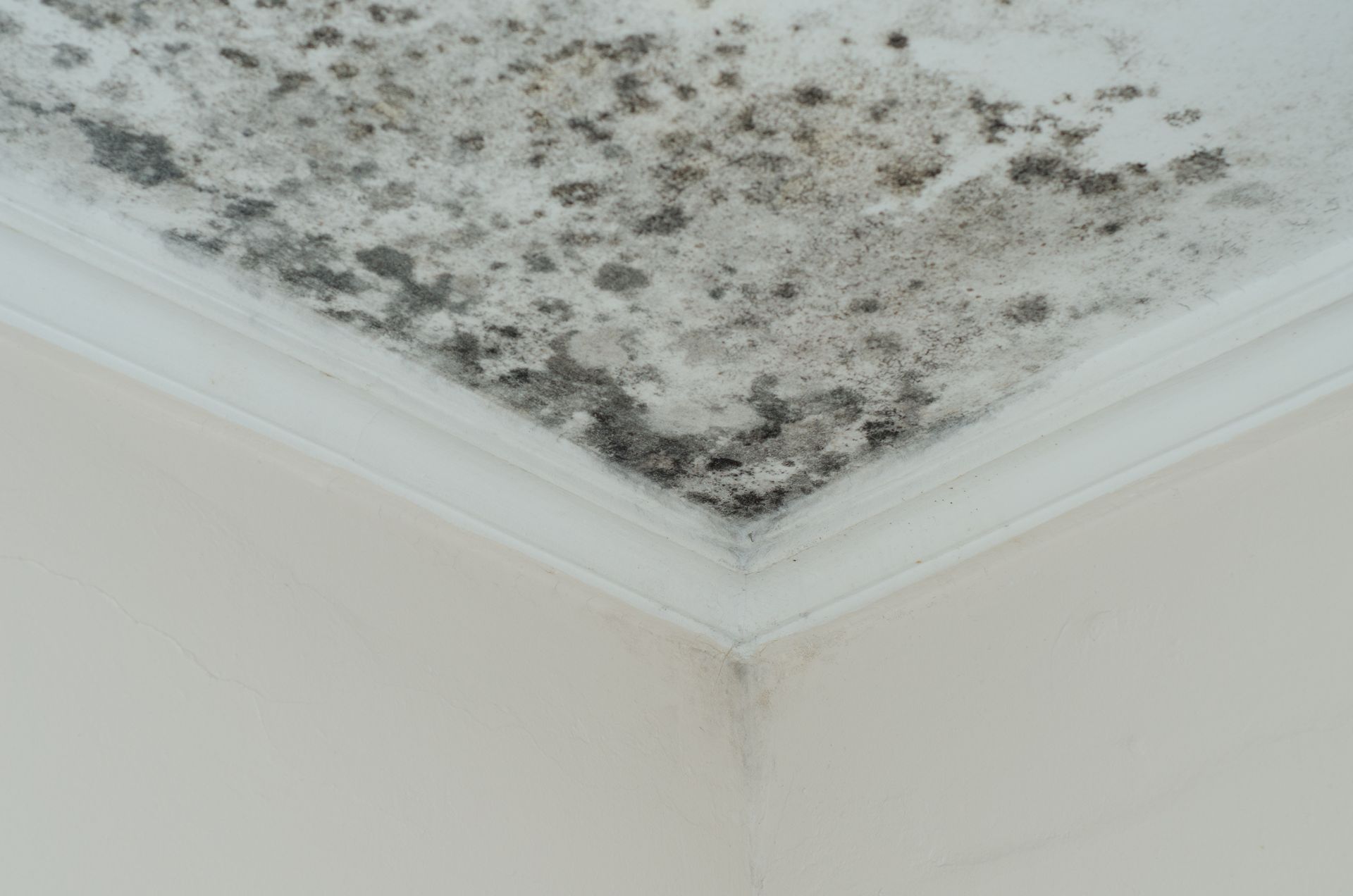
Mold and water damage on a white ceiling corner near the molding
By Flynn & Co. • July 24, 2026
A musty odor after rain often points to foundation seepage, high humidity, drainage trouble, a sump-pump problem, or hidden wet materials. Here is how to find the source before the damage spreads.