
Garage Fire Damage: What Solon Homeowners Often Overlook

Flynn & Co. • September 10, 2026

A garage fire can affect far more than vehicles and stored belongings. In an attached garage, heat and smoke may travel through shared walls, attic spaces, doors, wiring openings, and HVAC pathways into the living area. Water and foam used during suppression can spread beneath the fire area and damage materials that never burned.

Solon homeowners should wait for official clearance, document the entire property, and arrange a coordinated fire, smoke, water, and structural assessment. Focusing only on the visibly burned corner can leave important hazards and odors unaddressed.

Why Garage Fires Create Complicated Damage

Garages often contain vehicles, fuel, oil, paint, cleaners, plastics, lawn equipment, batteries, and other materials that create different smoke residues when burned. These residues can be oily, acidic, corrosive, or difficult to remove from porous surfaces.

Fire can also damage overhead doors, springs, tracks, electrical panels, gas lines, plumbing, and structural framing. The presence of compressed cylinders, chemicals, or vehicle batteries may require specialized handling before ordinary cleanup begins.

Do Not Enter Until the Property Is Cleared

Wait for the fire department or appropriate authority to approve entry. A garage roof, ceiling, or wall can be unstable after heat exposure even when it has not collapsed. Utilities may remain unsafe, and debris can contain sharp metal, broken glass, and hazardous residue.

Do not start a vehicle, operate the garage door, reset breakers, or reconnect equipment. Keep children and pets away, and avoid moving containers or debris until they have been evaluated.

Smoke Can Reach Attached Living Areas

The door between a garage and a home helps slow smoke movement, but gaps, penetrations, and attic connections can still allow contamination to spread. Smoke may enter a mudroom, kitchen, bedroom above the garage, or common attic without leaving heavy visible soot.

Inspect living spaces for odor, fine residue, discoloration around vents, and deposits inside cabinets or closets. HVAC operation should be evaluated before the system is run because fans can redistribute particles to rooms that were previously less affected.

Structural Damage Is Not Always Obvious

Heat can char framing, weaken engineered wood, deform metal connectors, and damage roof sheathing. A wall may remain standing while concealed studs, headers, joists, or trusses have lost capacity.

A qualified assessment determines what can remain, what requires further evaluation, and what must be removed. Temporary shoring or board-up may be needed before debris removal and detailed inspection can continue.

Utilities and Fire-Separation Features Need Inspection

Electrical wiring, outlets, panels, garage-door equipment, gas lines, plumbing, and mechanical systems can be damaged by heat or water. Do not assume they are safe because they still appear intact.

The wall and door between an attached garage and living space are important protective assemblies. Damaged drywall, penetrations, seals, and doors may need to be rebuilt to current requirements as part of the reconstruction plan.

Contents and Vehicles Require Careful Documentation

Photograph vehicles, tools, equipment, stored household items, and shelving before anything is moved when it is safe to do so. Record brand, model, serial number, age, and condition when available. Do not discard containers or labels needed to identify damaged products.

Some hard-surface items may be cleanable, while porous materials can absorb smoke and odor. Electronics, power tools, sporting equipment, and vehicle components may require specialist evaluation rather than ordinary surface cleaning.

Firefighting Water Can Damage the Home

Suppression water may soak drywall, insulation, framing, storage, and the ceiling of a finished room below or beside the garage. Water can also carry soot into cracks and porous materials, creating dark staining and persistent odor.

Flynn & Co. provides water extraction and drying as part of a complete loss assessment. Moisture readings help define the affected area and confirm that materials are dry before reconstruction.

Professional Fire and Smoke Cleanup

The restoration process usually begins with stabilization, debris control, documentation, and separation of salvageable contents. Cleaning methods are selected for the type of soot and the affected material, followed by odor treatment after the source residue has been removed.

Flynn & Co. provides fire and smoke damage restoration for Solon homes, including cleaning, odor control, contents coordination, and evaluation of related water damage.

Rebuilding an Attached Garage

Reconstruction may include framing, roof components, sheathing, siding, overhead doors, insulation, drywall, electrical work, paint, and finish repairs in adjoining rooms. The scope should address both direct fire damage and concealed smoke or water conditions found during removal.

Flynn & Co. can coordinate garage reconstruction after mitigation, keeping the emergency findings, drying records, and repair documentation together from start to finish.

What Solon Homeowners Often Overlook

  • Smoke residue in the attic or room above the garage
  • Wet insulation and drywall from suppression water
  • Heat-damaged wiring, plumbing, and door hardware
  • Soot inside cabinets, tools, and mechanical equipment
  • Damage to the wall and door separating the garage from the home
  • Odor absorbed into unfinished wood, concrete dust, and stored fabrics

A complete inspection should follow the path of heat, smoke, and water rather than stopping at the visible burn area.

Frequently Asked Questions

Can smoke enter the house if the connecting door was closed?

Yes. A closed door can slow movement, but smoke may pass through gaps, attic spaces, and wall or ceiling penetrations. Adjoining rooms should still be inspected for residue and odor.

Should I move garage contents outside?

Only after clearance and documentation. Moving soot-covered items can spread residue, and some containers, batteries, or chemicals may require special handling.

Does a garage fire usually require structural drying?

Often it does. Firefighting water can soak framing, insulation, drywall, and nearby rooms even when the flames did not reach those materials.

Can one company clean and rebuild the garage?

Yes. Flynn & Co. can coordinate emergency stabilization, smoke and water cleanup, contents work, and reconstruction under one restoration plan.

Get Help After a Garage Fire in Solon

If fire, smoke, soot, or suppression water has affected your garage or attached home, wait for clearance and avoid disturbing debris. Call (330) 432-7414 or contact Flynn & Co. for an assessment.

Related Services

Restoration and Construction Services for Northeast Ohio Property Owners:


When water, fire, storms, mold, or structural damage affects your property, Flynn & Co. is ready to help. Our experienced team provides complete restoration and construction services for homes and businesses throughout Northeast Ohio.


Water Damage Restoration
From plumbing leaks and appliance failures to flooded basements, we locate the source of the water, remove moisture, dry affected materials, and repair the damage.


Fire and Smoke Damage Restoration
We help property owners recover after a fire with cleanup, smoke and odor removal, damage restoration, and reconstruction services.


Mold Remediation

 Our team identifies affected areas, safely removes mold-contaminated materials, addresses excess moisture, and helps restore a healthier indoor environment.


Storm Damage Restoration
When severe weather damages your roof, siding, interior, or other parts of your property, we provide prompt repairs and complete restoration assistance.


Remodeling and Construction
Flynn & Co. also provides professional remodeling, reconstruction, and general construction services for homeowners ready to repair or improve their property.

Need Help Restoring Your Northeast Ohio Property?

Whether you are dealing with water, fire, smoke, mold, or storm damage—or planning a remodeling project—Flynn & Co. can help you determine the right next step. Contact our experienced team to schedule an assessment for your home or business.

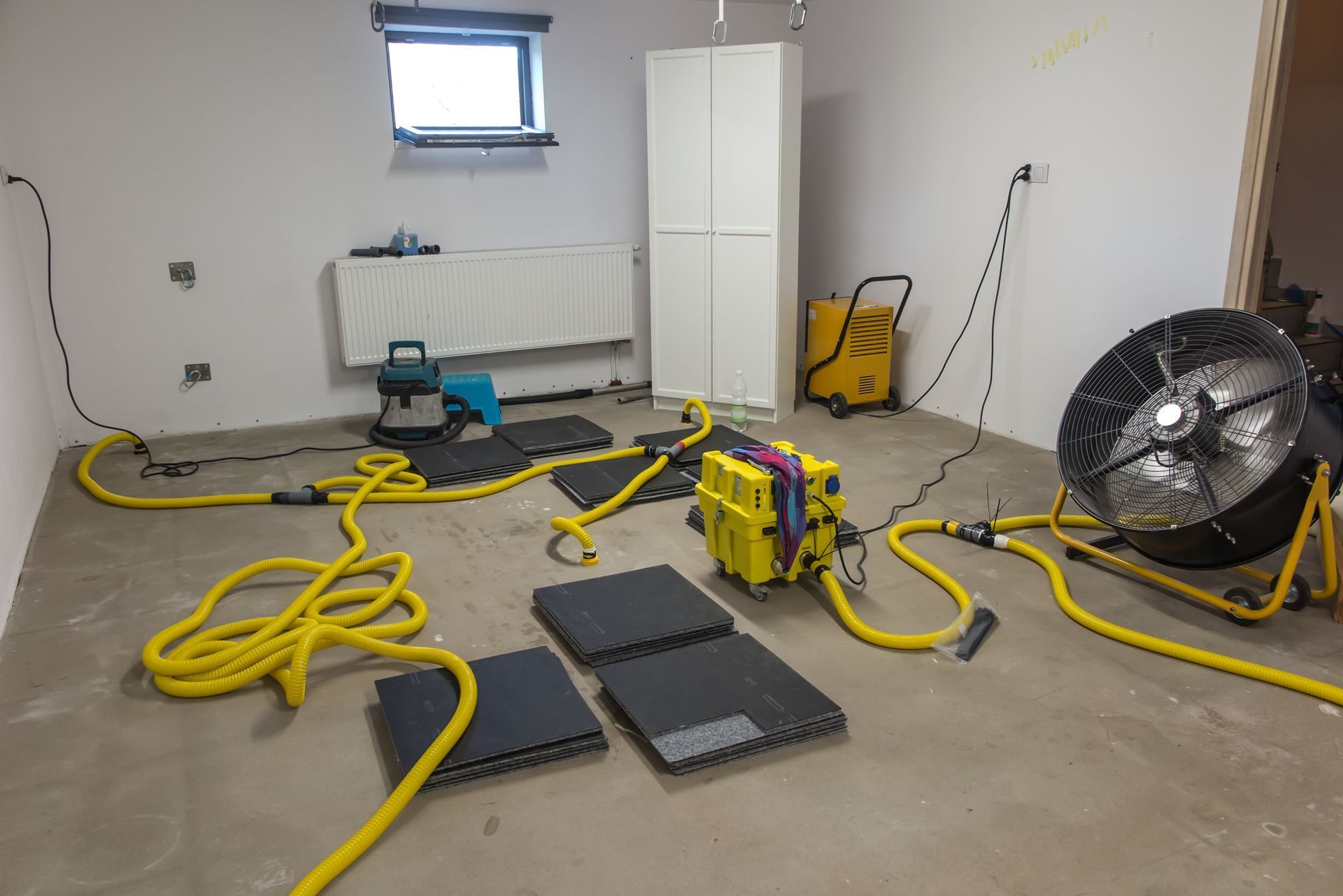
Workshop with yellow hoses, floor tools, cabinets, and a large fan in a bare room.
By Flynn & Co. September 17, 2026
Water cleanup is only the first phase when drywall, insulation, flooring, cabinets, or framing cannot be restored.
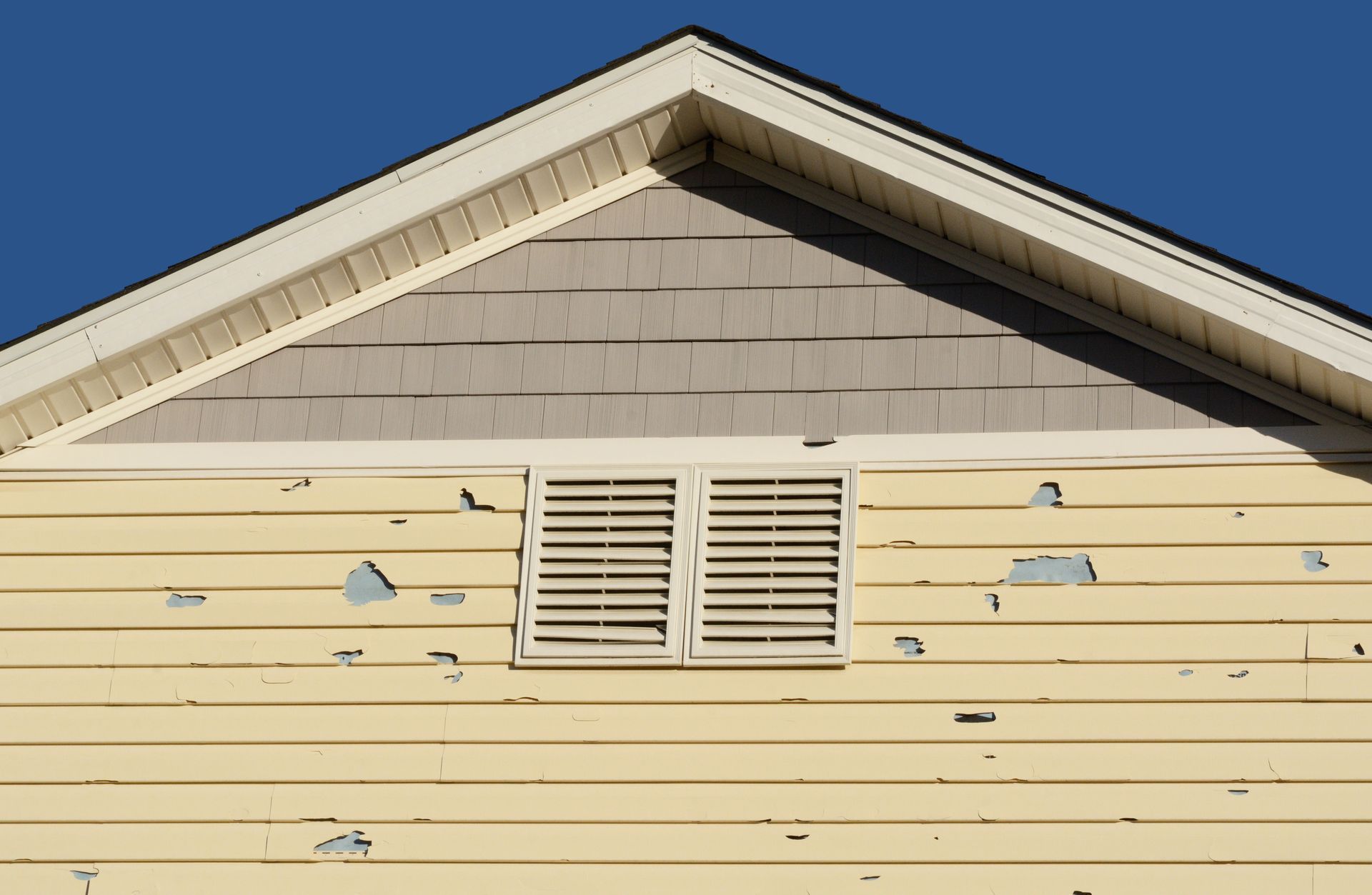
Weathered beige house gable with louvered vent under a clear blue sky
By Flynn & Co. September 3, 2026
Wind can loosen siding, open seams, damage trim, and expose the wall assembly to rain.
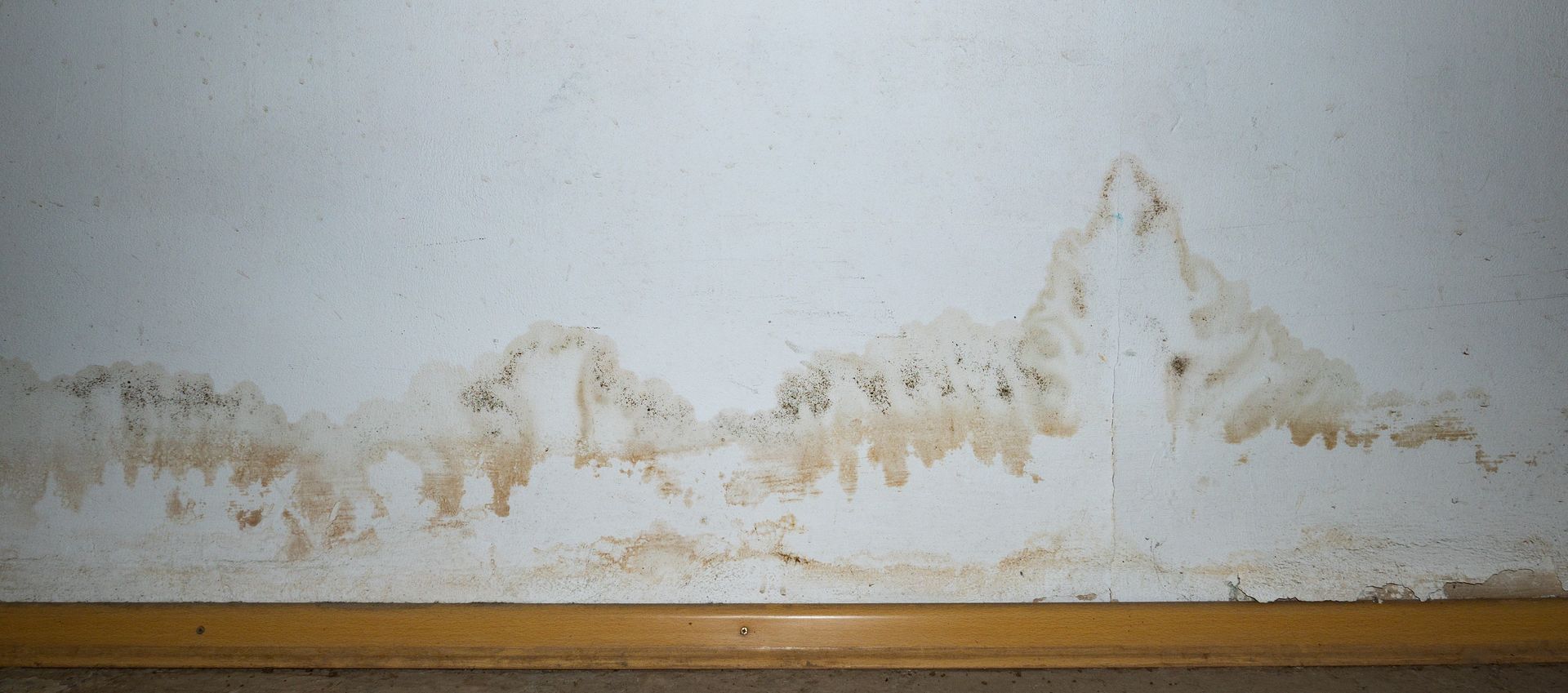
Peeling and water-damaged white wall above a wooden baseboard.
By Flynn & Co. August 27, 2026
Washing machines, dishwashers, refrigerators, and water heaters can release water slowly or all at once.
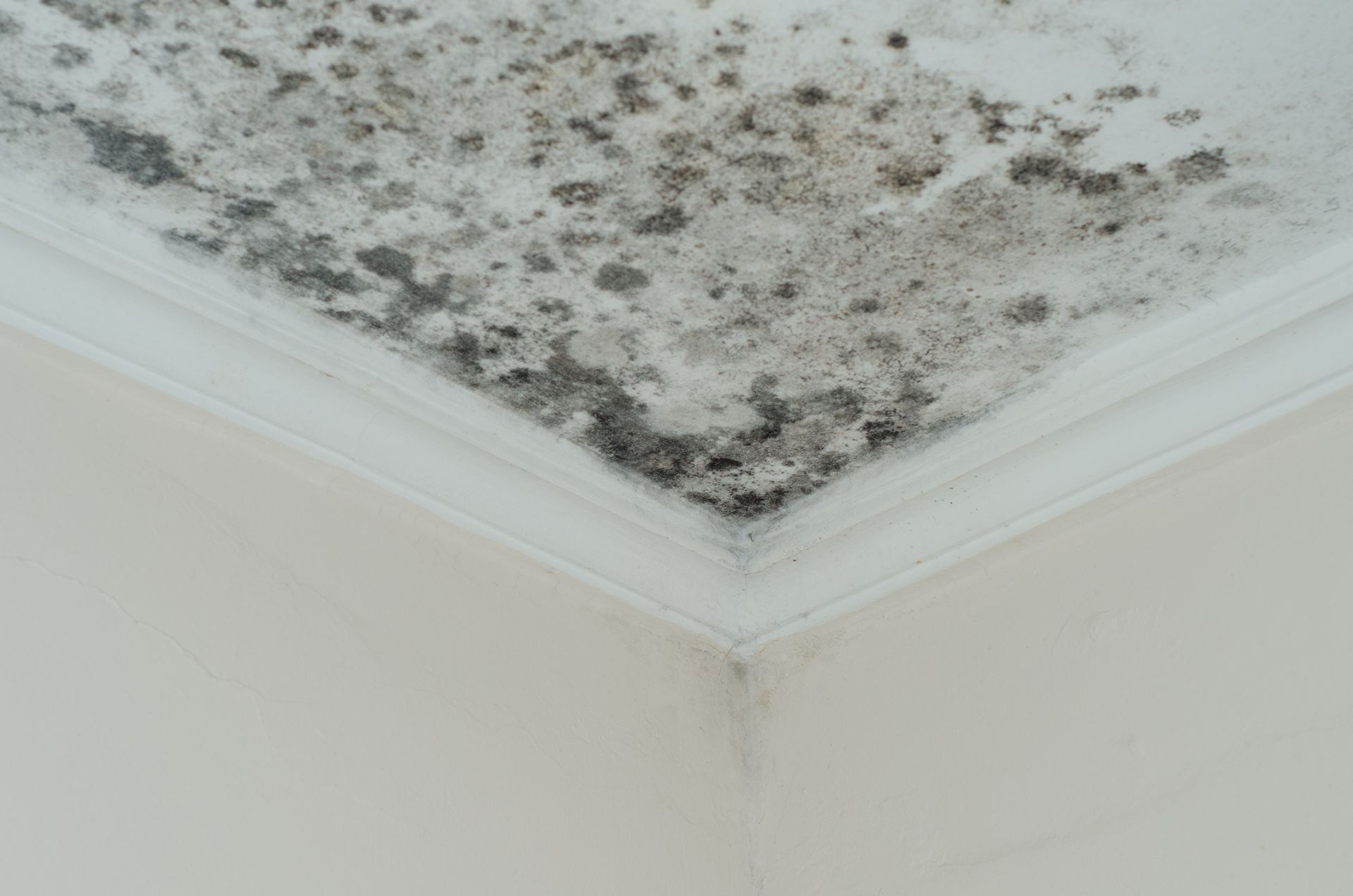
Ceiling corner with black mold and water damage on white paint
By Flynn & Co. August 20, 2026
High summer humidity can support mold when moisture collects on cool surfaces or remains trapped in building materials.
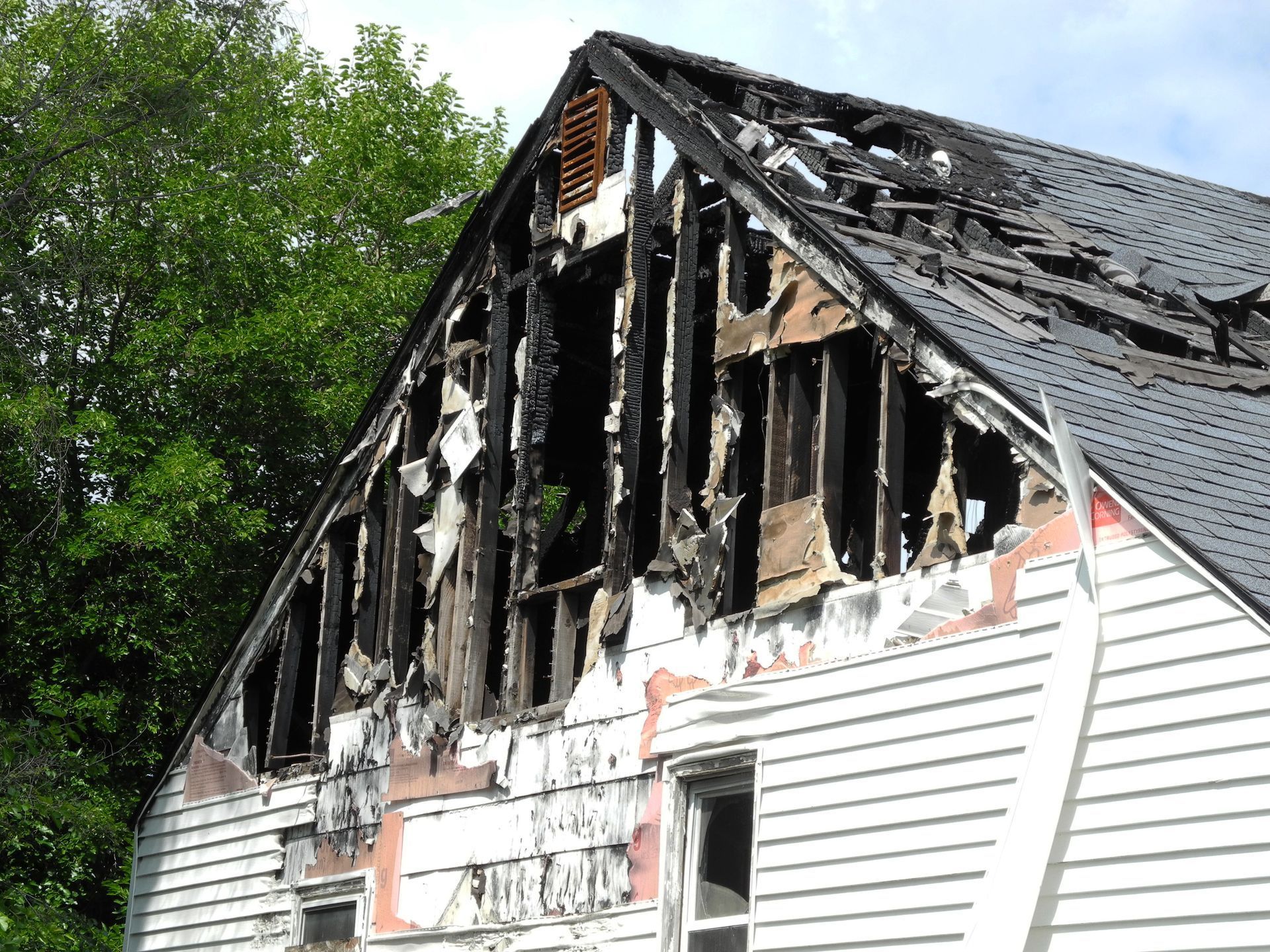
Charred house exterior with burned roof and damaged white siding after a fire
By Flynn & Co. August 13, 2026
Kitchen fires can send smoke through cabinets, HVAC pathways, hallways, and adjoining rooms even when flames remain near the stove.
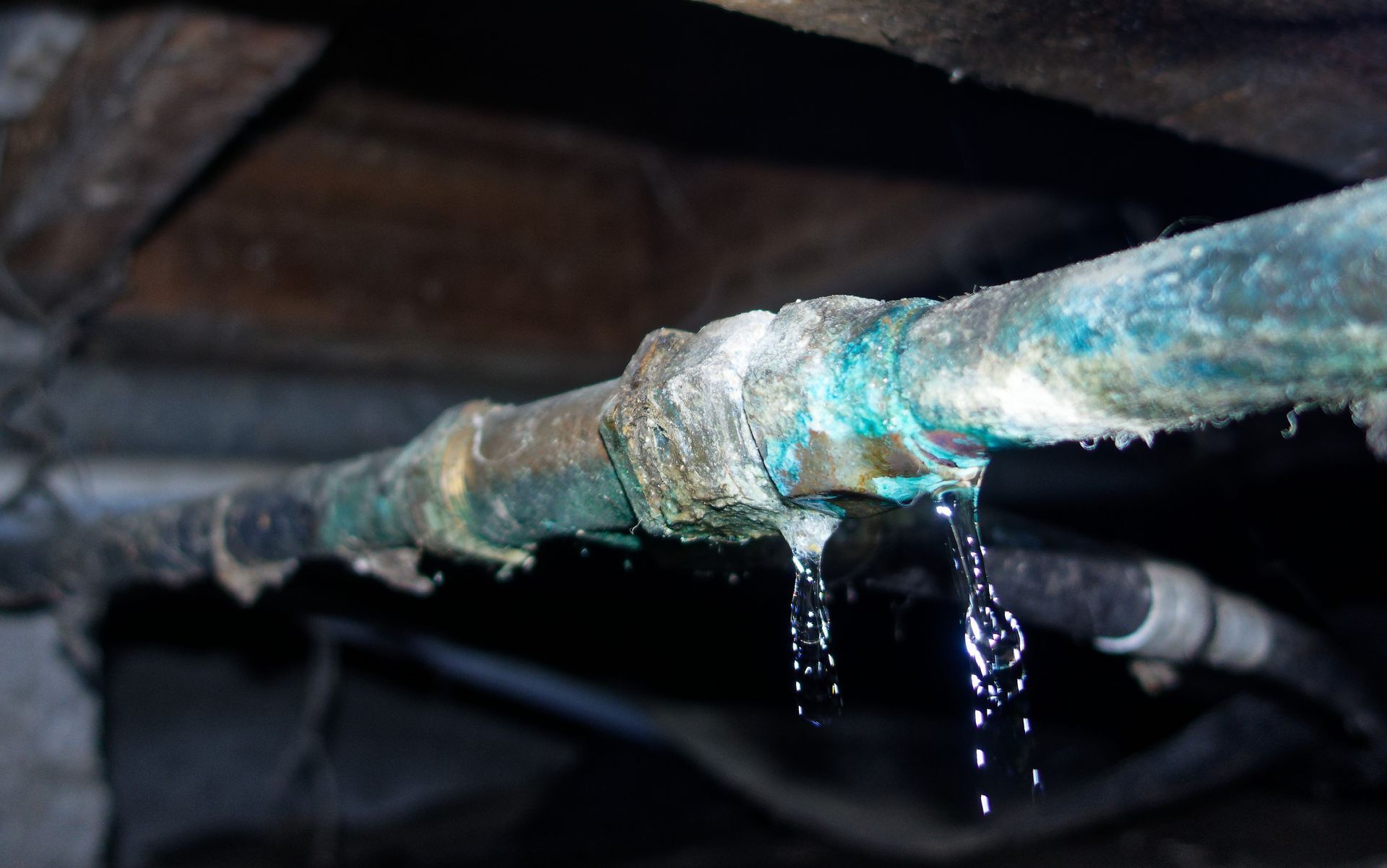
Leaking corroded pipe with water dripping in a dark crawl space
By Flynn & Co. August 6, 2026
Northeast Ohio freezes can turn exposed or poorly insulated plumbing into a major water-loss risk.
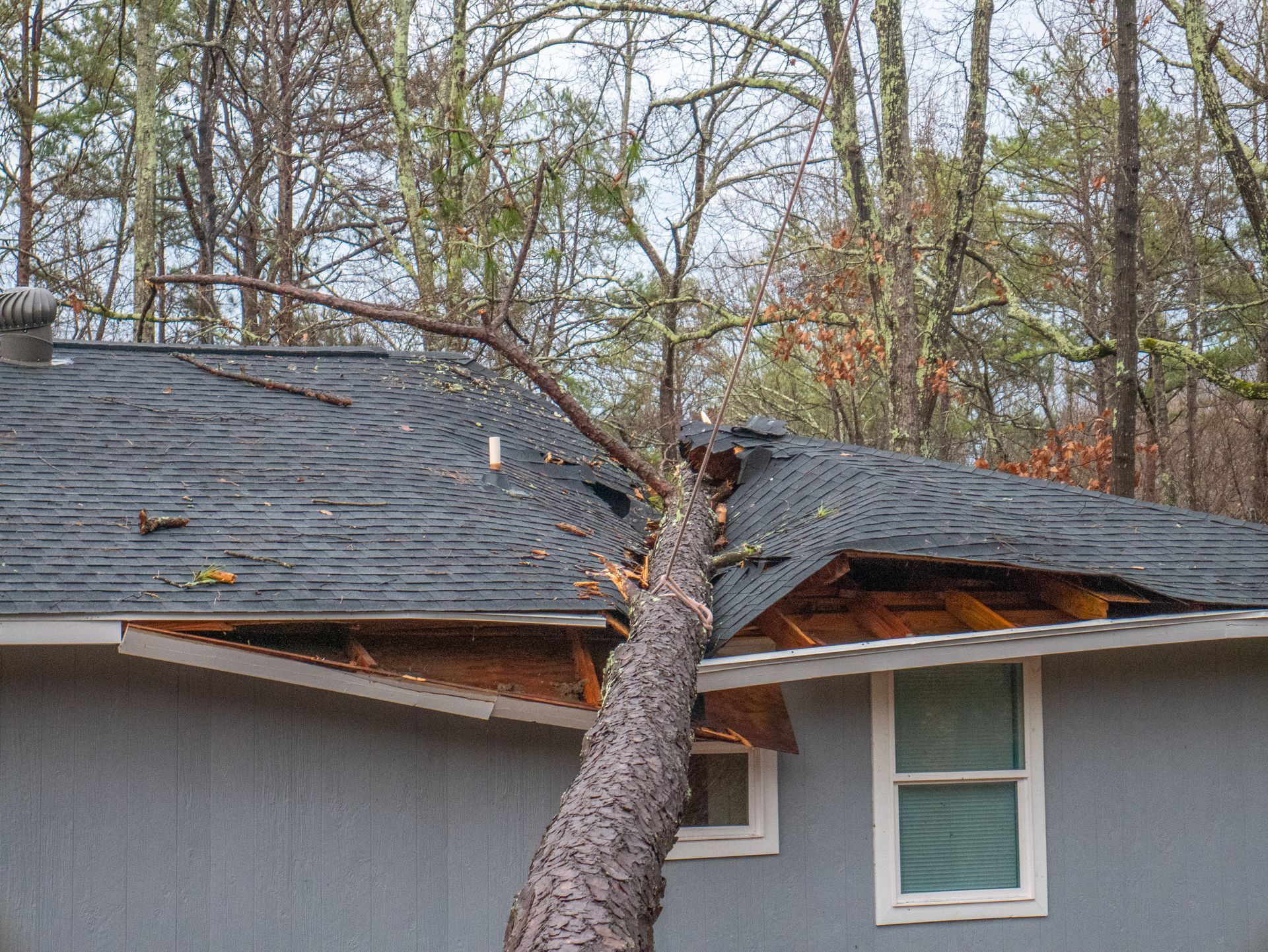
A fallen tree has crushed the roof of a gray house in a wooded area.
By Flynn & Co. July 30, 2026
A fallen tree can damage roofing, framing, siding, windows, utilities, and interior finishes in seconds.
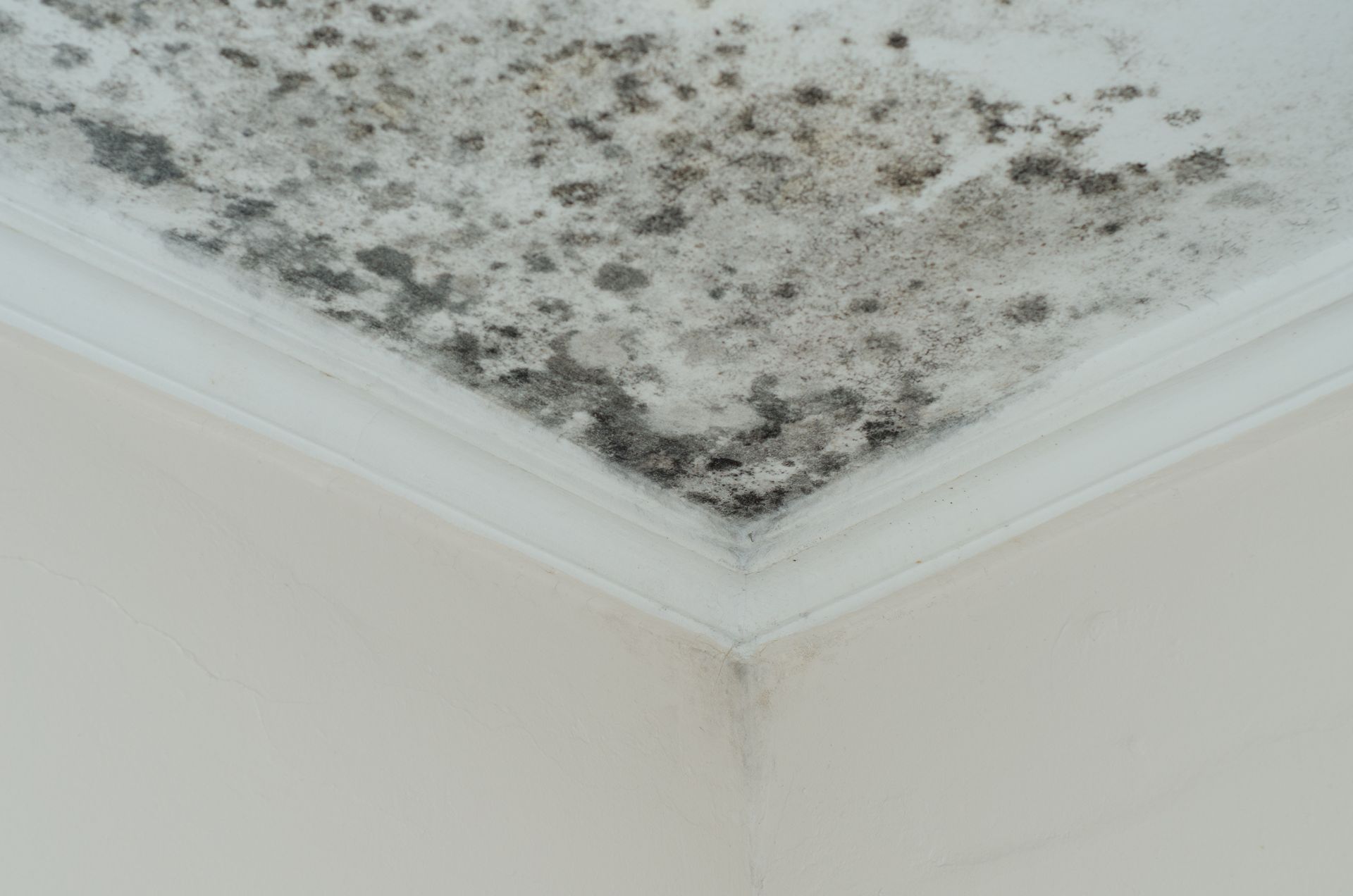
Mold and water damage on a white ceiling corner near the molding
By Flynn & Co. July 24, 2026
A musty odor after rain often points to foundation seepage, high humidity, drainage trouble, a sump-pump problem, or hidden wet materials. Here is how to find the source before the damage spreads.
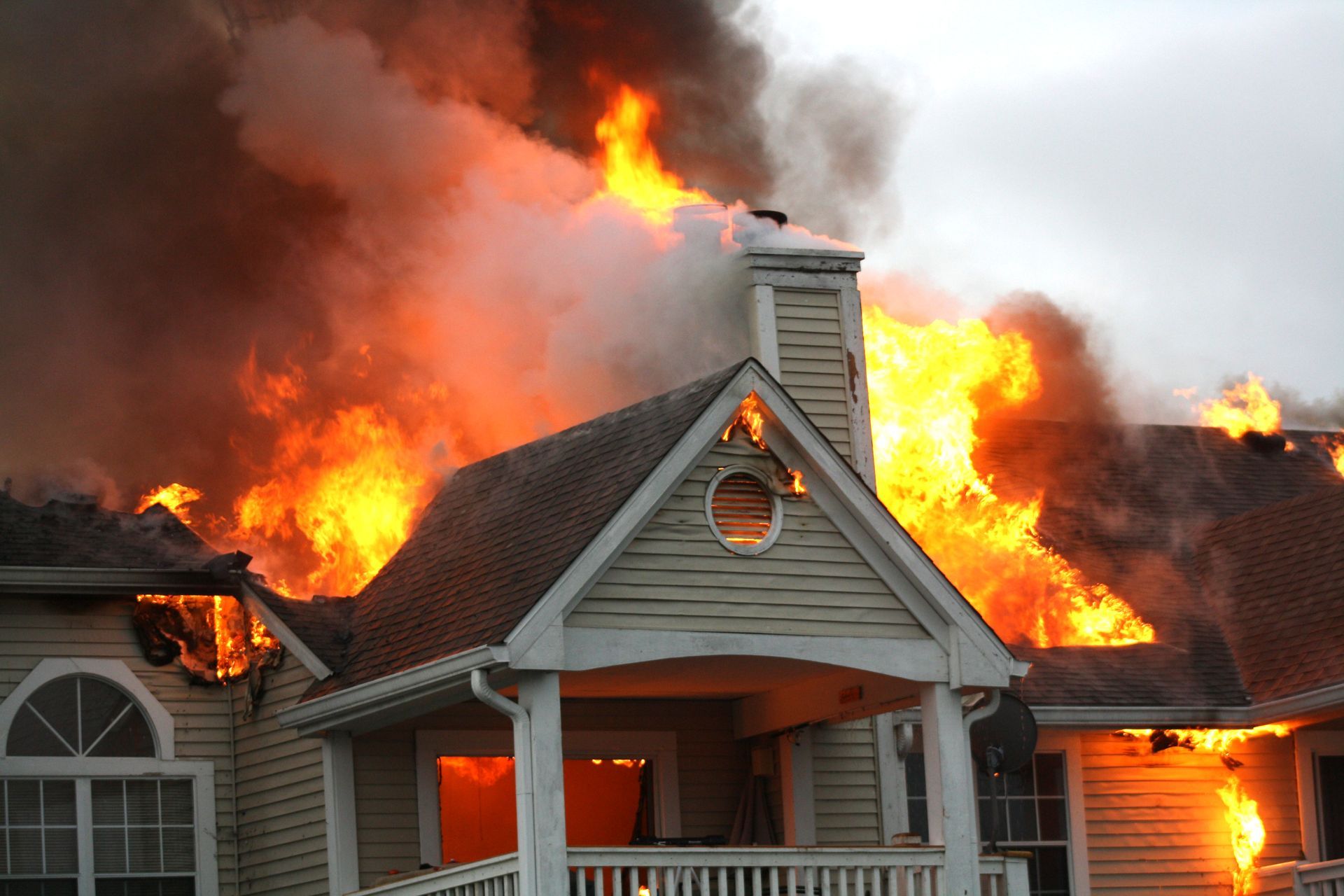
House engulfed in flames with thick smoke pouring from the roof and windows
July 8, 2026
Learn the most common causes of house fires in Northeast Ohio homes, including cooking, heating, electrical issues, dryers, and storm-related risks.
June 3, 2026
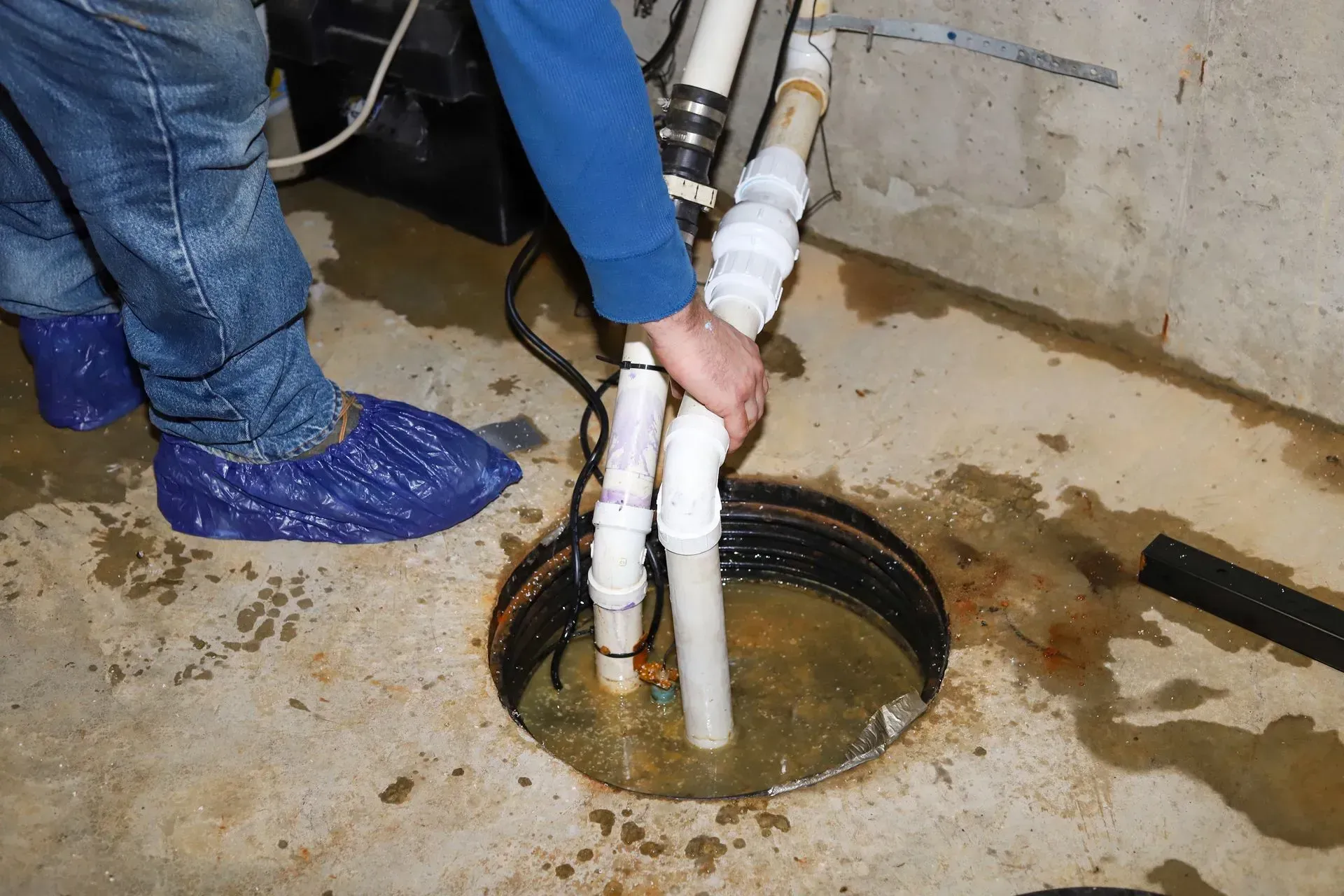
In Northeast Ohio, basements are especially vulnerable to water intrusion because of heavy rain, melting snow, saturated soil, aging drainage systems, and sudden spring or summer storms. For many homeowners in communities like Macedonia, Hudson, Twinsburg, Aurora, Streetsboro, Chagrin Falls, and surrounding areas, the