
Why Bedford Basements Flood During Heavy Summer Rain

Flynn & Co. • September 24, 2026

Heavy summer rain can flood a Bedford basement even when the home has stayed dry during ordinary storms. Intense rainfall may overwhelm gutters, downspouts, yard drainage, sump systems, storm sewers, and soil that is already saturated. Water then looks for the easiest path through foundation cracks, wall-floor joints, window wells, drains, and utility openings.

The correct solution depends on where the water came from. Pumping out the basement without identifying the source may leave the home vulnerable to the next downpour.

Why Short, Intense Storms Cause Problems

A slow rain gives soil and drainage systems more time to move water away. During a high-intensity storm, roof runoff and surface water can reach the foundation faster than the ground, gutters, or pipes can handle it.

If the soil is already wet from earlier rain, groundwater pressure increases around the basement. Small openings that remain dry most of the year can then begin to seep or flow.

Gutters, Downspouts, and Grading

Clogged gutters can overflow directly beside the foundation. Short, disconnected, or crushed downspouts may deposit roof water in the same area. Settled soil and hardscaping that slopes toward the house can then direct that water to basement walls or window wells.

After the storm, look for washed-out mulch, standing water, gutter overflow marks, eroded soil, and damp foundation areas. These exterior clues can help explain why one section of the basement became wet.

Groundwater Pressure and Sump Pump Problems

Perimeter drains are designed to collect water near the foundation and direct it to a sump pit or other outlet. When the pump loses power, the float sticks, the discharge line clogs, or the system is undersized, water can rise quickly.

A pump that runs constantly, cycles rapidly, makes unusual noise, or leaves the pit unusually full may need service. Backup power is especially important because the heaviest rain can arrive with a storm-related outage.

Foundation Cracks and Wall-Floor Joints

Water can enter through cracks, porous masonry, utility penetrations, or the joint where the foundation wall meets the floor. White mineral deposits, peeling paint, darkened concrete, and repeated dampness along the wall base are common warning signs.

Not every crack is the same, and sealing an interior surface may not correct the water pressure outside. The drainage and foundation conditions should be evaluated together before choosing a repair.

Basement Windows and Window Wells

Leaves, debris, clogged drains, and low well walls can allow rainwater to collect against a basement window. Failed seals or a window not designed to hold that pressure may then leak suddenly.

Check whether each well drains, remains clear, and extends high enough above the surrounding grade. Covers may reduce direct rainfall and debris, but they should not interfere with required emergency egress.

Sewer and Drain Backups Require Extra Caution

Water rising from a floor drain, toilet, or plumbing fixture may contain sewage or other contamination. Keep people and pets away, avoid direct contact, and do not use household fans that could spread contaminated droplets or particles.

Contaminated losses require different cleaning, removal, and disposal procedures than clean rainwater. A restoration professional should evaluate the source before cleanup begins.

How to Identify the Likely Water Source

  • Water at one wall after gutter overflow: investigate downspouts, grading, cracks, and window wells.
  • Water around the sump pit: check pump operation, power, float movement, and discharge.
  • Seepage along several wall-floor joints: groundwater pressure or perimeter drainage may be involved.
  • Water rising from a drain: treat it as potentially contaminated until the source is confirmed.
  • A wet ceiling or pipe area: a plumbing or appliance leak may have coincided with the storm.

More than one source can contribute to the same flood. Heavy rain may overload a sump system at the same time a downspout is depositing water near a foundation crack.

What to Do When the Basement Is Flooded

  1. Stay out if electricity may be involved. Do not enter standing water near outlets, appliances, cords, or the electrical panel.
  2. Avoid contaminated water. Keep children and pets away and wait for professional guidance when sewage is possible.
  3. Stop the source when safe. Correct a plumbing leak or pump issue only if it can be reached without entering a hazard.
  4. Photograph the water level and affected areas. Document walls, floors, contents, equipment, and the suspected entry point.
  5. Begin extraction and drying promptly. Water can spread beneath flooring and into walls long after the rain stops.

Why Professional Drying Matters

Basement water can wick into drywall, insulation, wood framing, stairs, cabinets, and stored materials. Carpet padding and floating floors may hold moisture underneath even when the surface looks dry.

Flynn & Co. provides water damage restoration in Bedford, including water removal, moisture assessment, controlled drying, and documentation. Broader basement water extraction and drying may also include removal of materials that cannot be safely restored.

Preventing the Next Heavy-Rain Flood

Prevention should match the source. The solution may involve cleaning gutters, extending downspouts, correcting grading, servicing or upgrading the sump system, improving window wells, repairing plumbing, or evaluating foundation and drainage conditions.

After wet materials are removed, inspect for persistent odor or discoloration. If damp conditions have supported growth, mold remediation may be needed before new finishes are installed.

Frequently Asked Questions

Can I use a shop vacuum to remove basement water?

Only when electrical conditions are safe and the water is known to be clean. A shop vacuum is not appropriate for sewage, unknown contamination, or deep water near electrical equipment.

Does flooded carpet always need to be removed?

The water source, exposure time, padding, subfloor, and material condition determine whether carpet can be restored. Contaminated water and prolonged saturation make removal more likely.

How long does structural drying take?

Drying time varies with the materials, water volume, temperature, humidity, air movement, and access to cavities. Moisture readings provide a better answer than a fixed number of days.

Will a dehumidifier prevent basement flooding?

No. A dehumidifier controls moisture in the air but does not stop surface water, foundation seepage, a drain backup, or sump pump failure.

Get Help With Basement Flooding in Bedford

If heavy rain has left water in your basement, avoid electrical and contamination hazards and document the condition. Call (330) 432-7414 or contact Flynn & Co. for extraction, drying, cleanup, and repairs.

Related Services

Restoration and Construction Services for Northeast Ohio Property Owners:


When water, fire, storms, mold, or structural damage affects your property, Flynn & Co. is ready to help. Our experienced team provides complete restoration and construction services for homes and businesses throughout Northeast Ohio.


Water Damage Restoration
From plumbing leaks and appliance failures to flooded basements, we locate the source of the water, remove moisture, dry affected materials, and repair the damage.


Fire and Smoke Damage Restoration
We help property owners recover after a fire with cleanup, smoke and odor removal, damage restoration, and reconstruction services.


Mold Remediation

 Our team identifies affected areas, safely removes mold-contaminated materials, addresses excess moisture, and helps restore a healthier indoor environment.


Storm Damage Restoration
When severe weather damages your roof, siding, interior, or other parts of your property, we provide prompt repairs and complete restoration assistance.


Remodeling and Construction
Flynn & Co. also provides professional remodeling, reconstruction, and general construction services for homeowners ready to repair or improve their property.

Need Help Restoring Your Northeast Ohio Property?

Whether you are dealing with water, fire, smoke, mold, or storm damage—or planning a remodeling project—Flynn & Co. can help you determine the right next step. Contact our experienced team to schedule an assessment for your home or business.

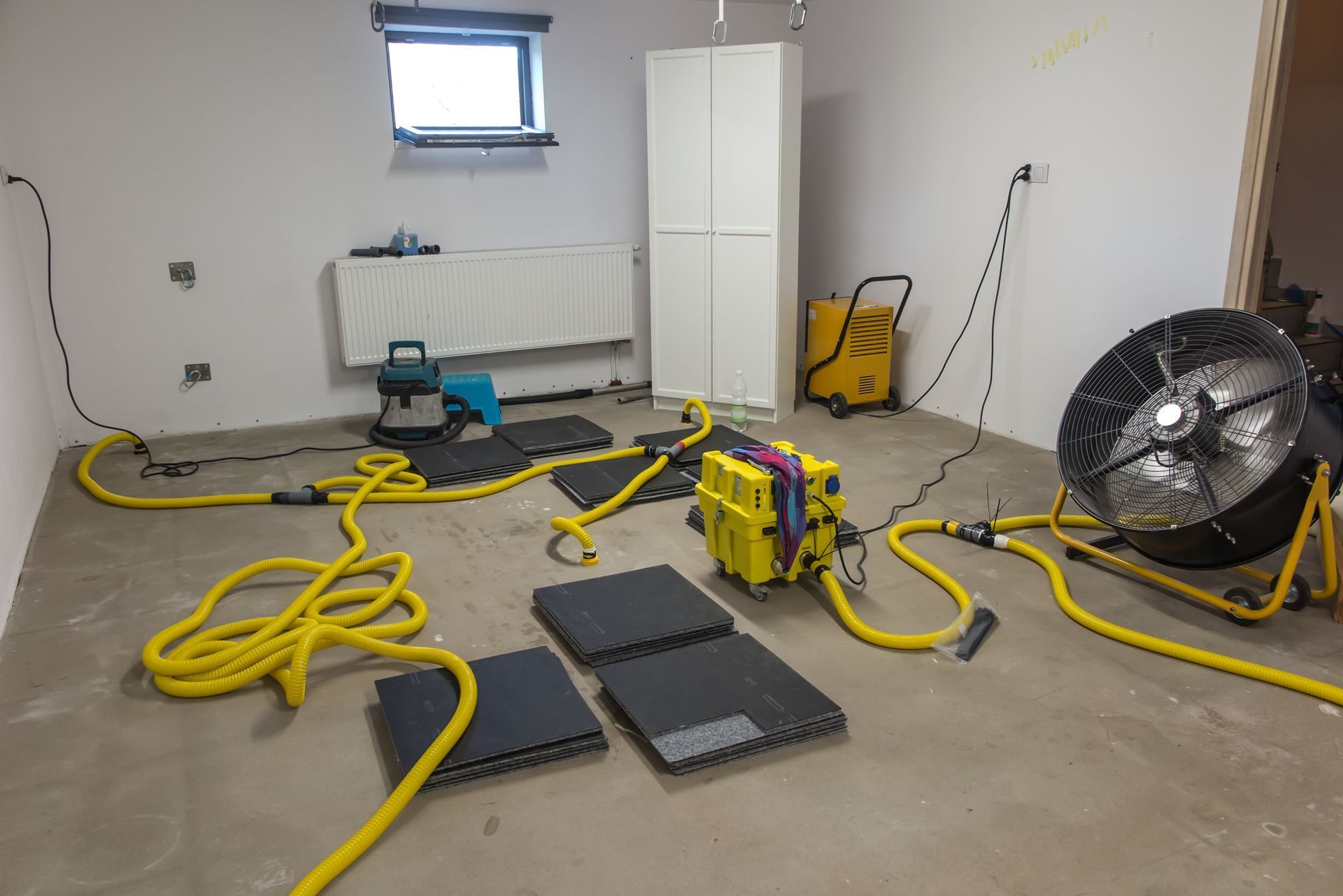
Workshop with yellow hoses, floor tools, cabinets, and a large fan in a bare room.
By Flynn & Co. • September 17, 2026
Water cleanup is only the first phase when drywall, insulation, flooring, cabinets, or framing cannot be restored.
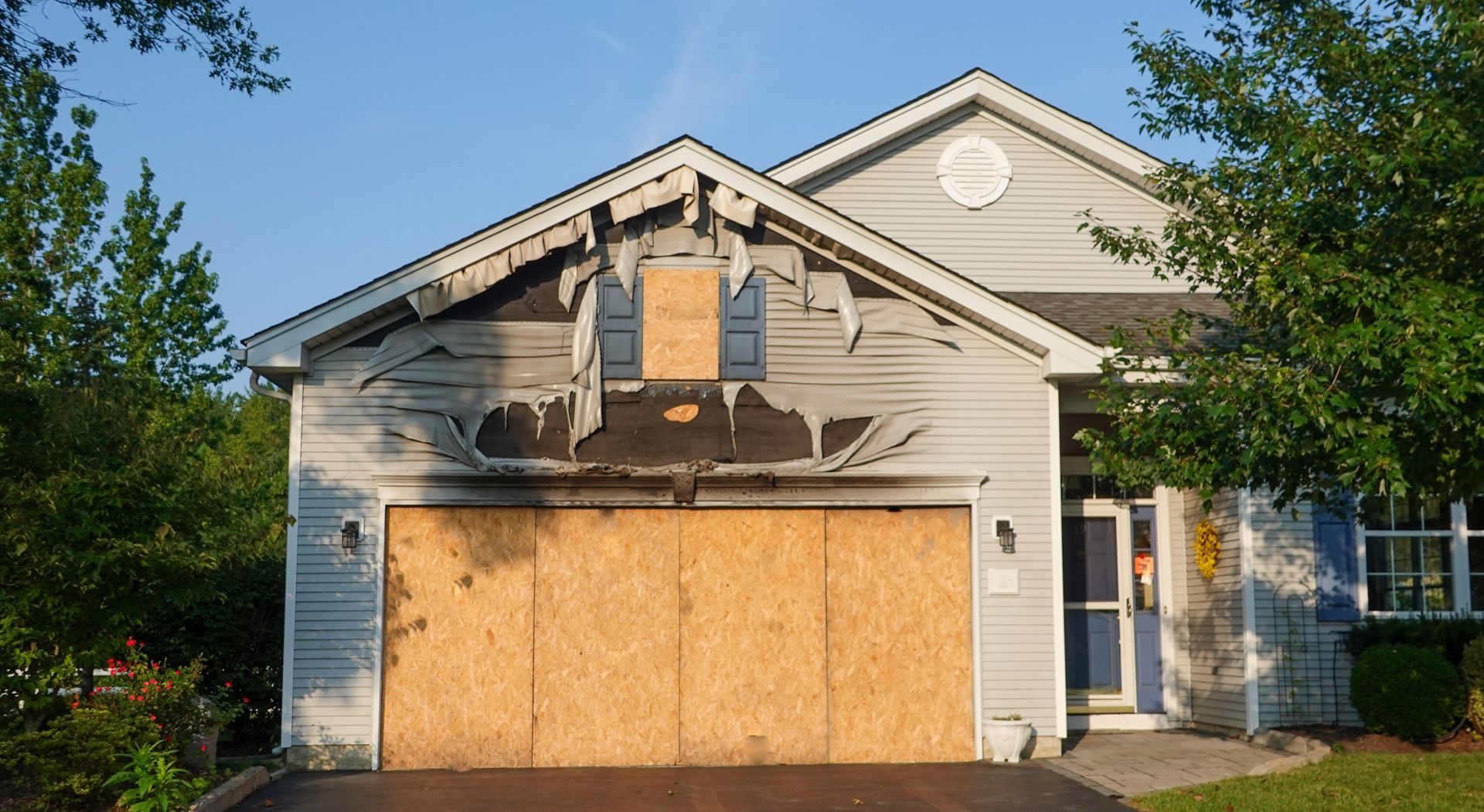
House with boarded-up garage door and damaged upper facade in a suburban neighborhood
By Flynn & Co. • September 10, 2026
A garage fire can affect much more than the room where it began, especially when the garage is attached to the home.
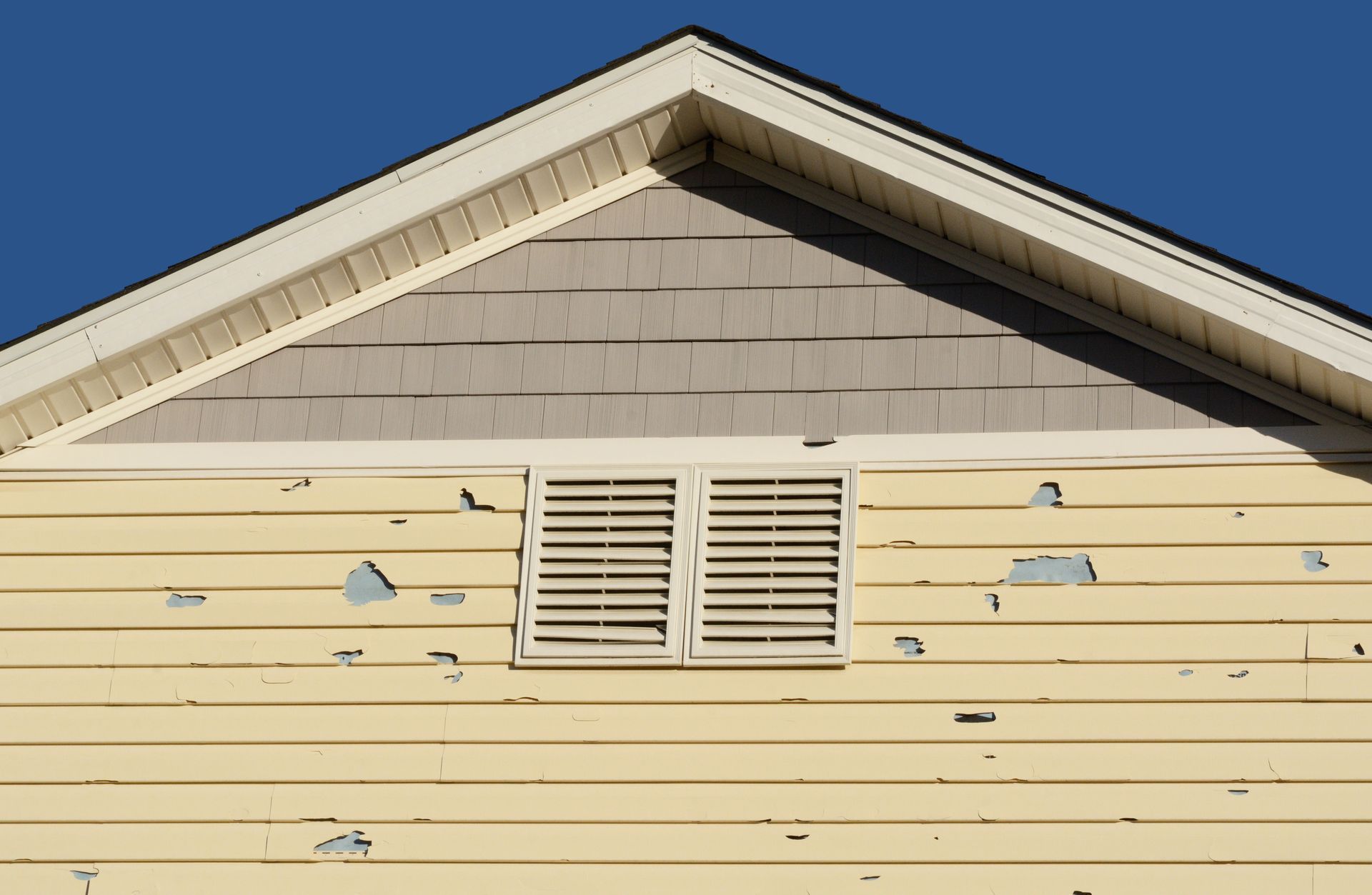
Weathered beige house gable with louvered vent under a clear blue sky
By Flynn & Co. • September 3, 2026
Wind can loosen siding, open seams, damage trim, and expose the wall assembly to rain.
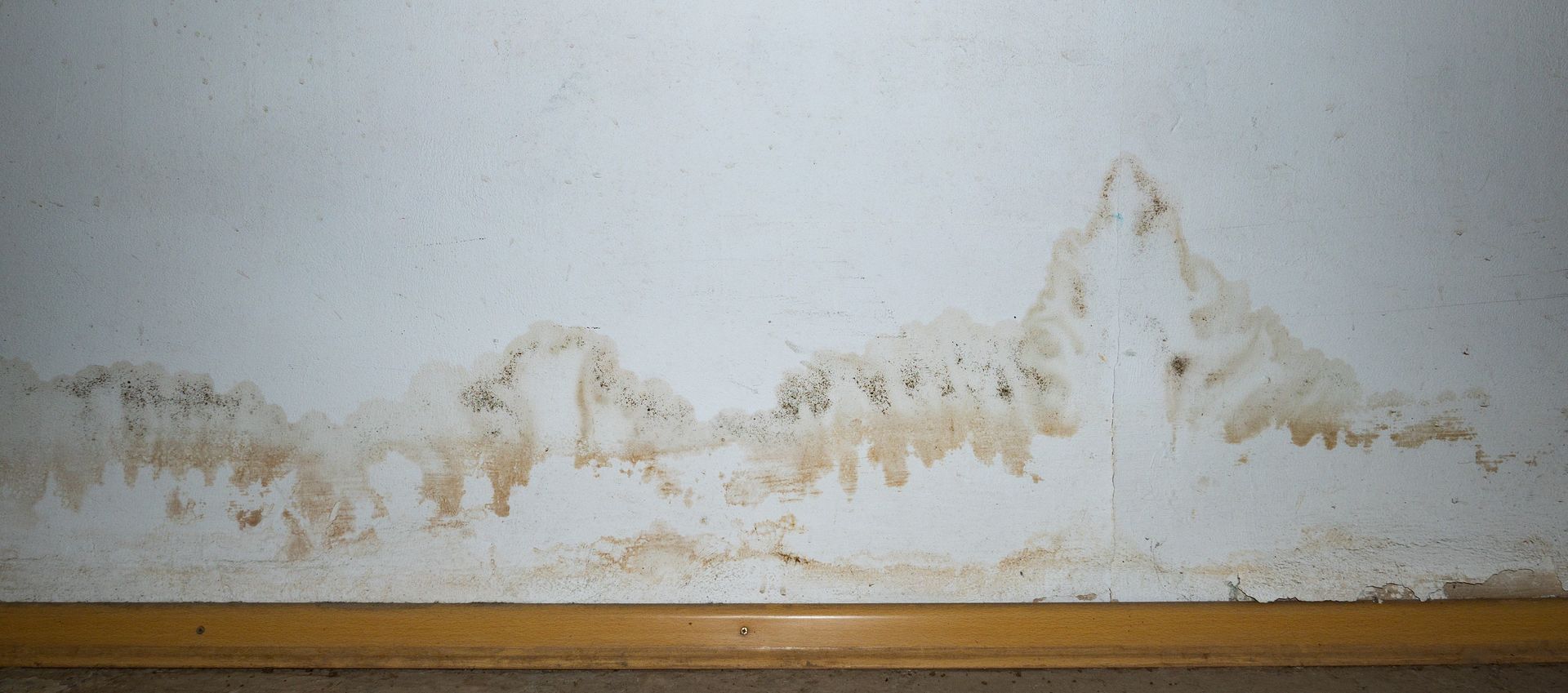
Peeling and water-damaged white wall above a wooden baseboard.
By Flynn & Co. • August 27, 2026
Washing machines, dishwashers, refrigerators, and water heaters can release water slowly or all at once.
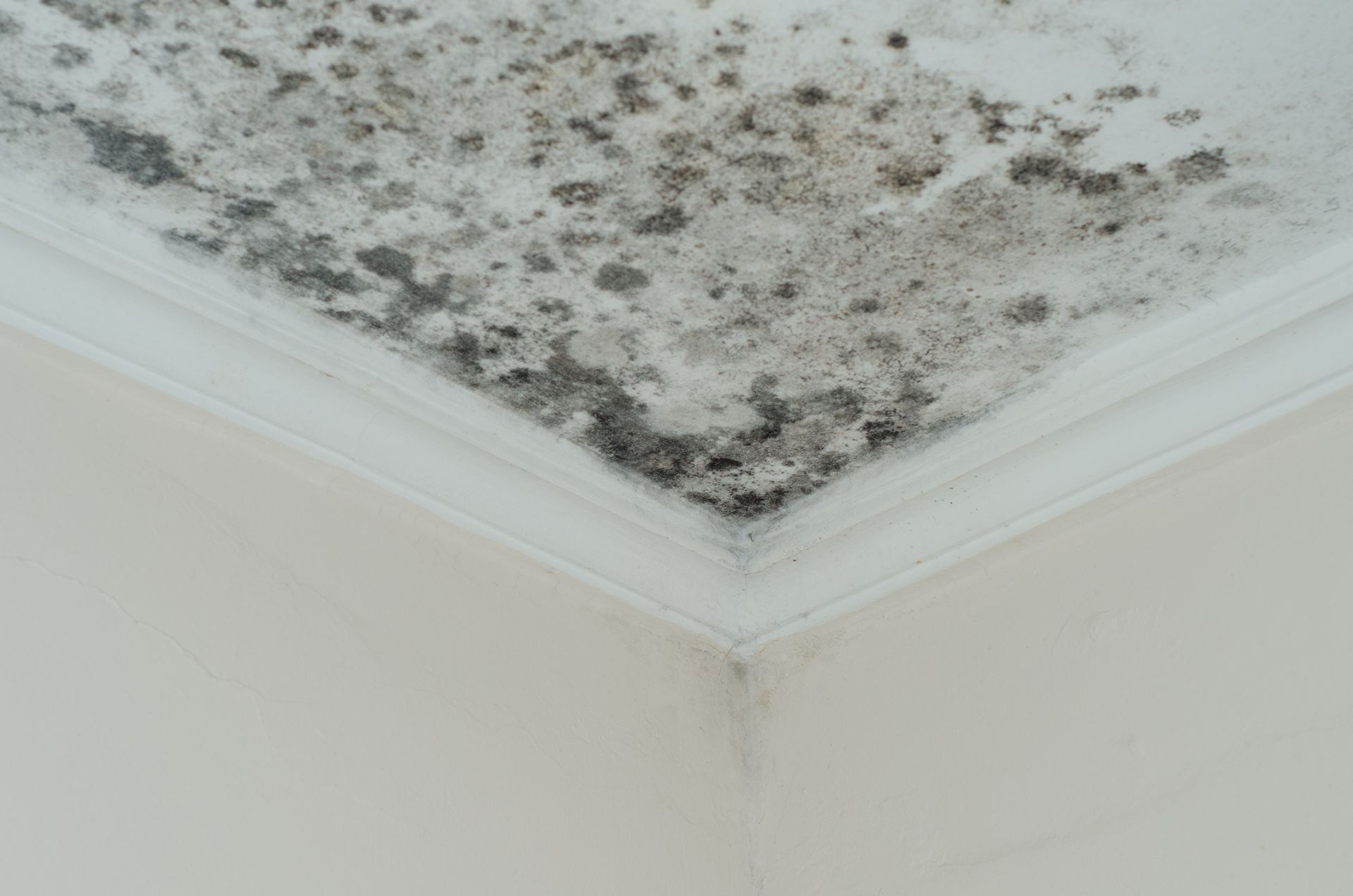
Ceiling corner with black mold and water damage on white paint
By Flynn & Co. • August 20, 2026
High summer humidity can support mold when moisture collects on cool surfaces or remains trapped in building materials.
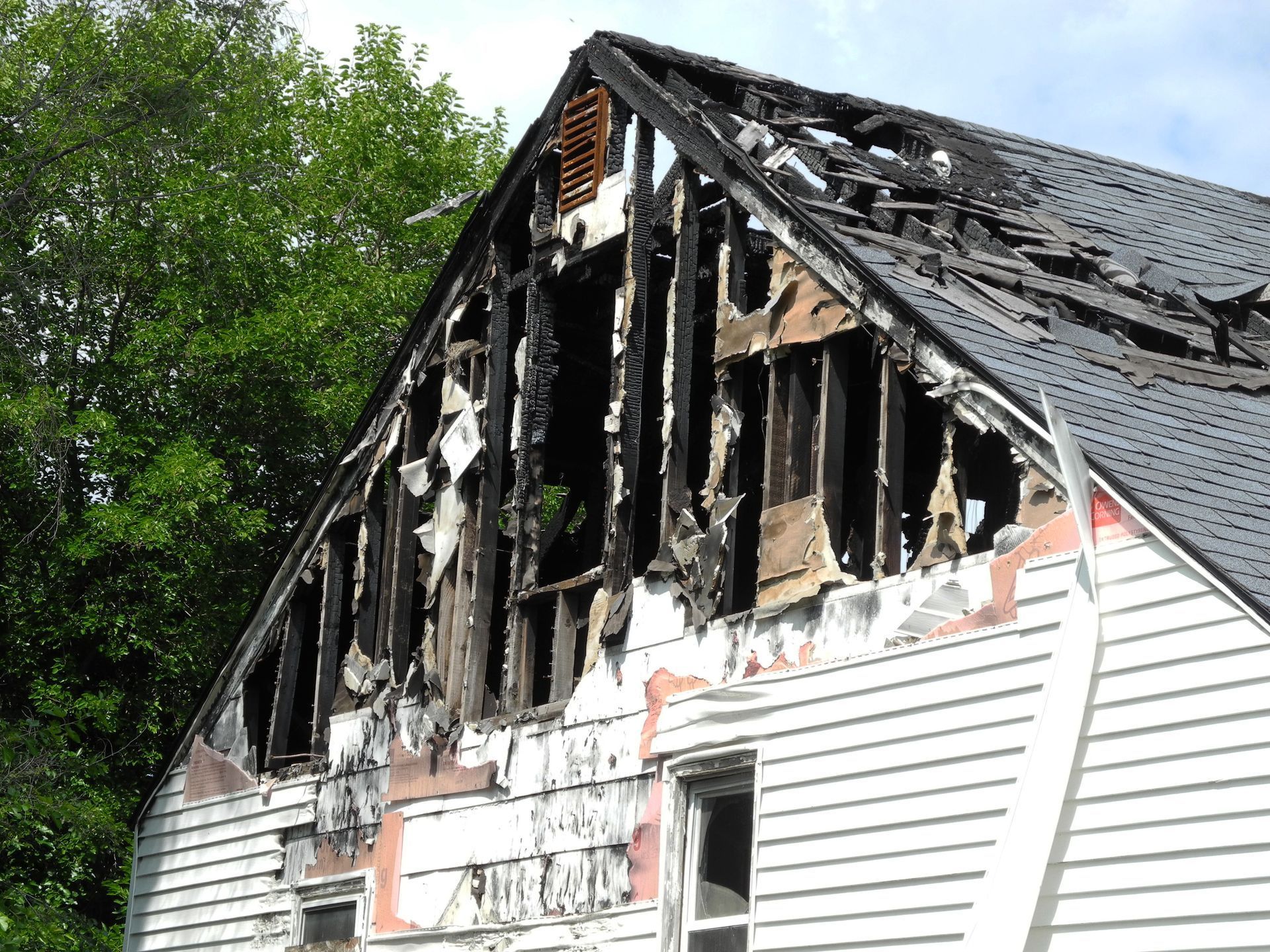
Charred house exterior with burned roof and damaged white siding after a fire
By Flynn & Co. • August 13, 2026
Kitchen fires can send smoke through cabinets, HVAC pathways, hallways, and adjoining rooms even when flames remain near the stove.
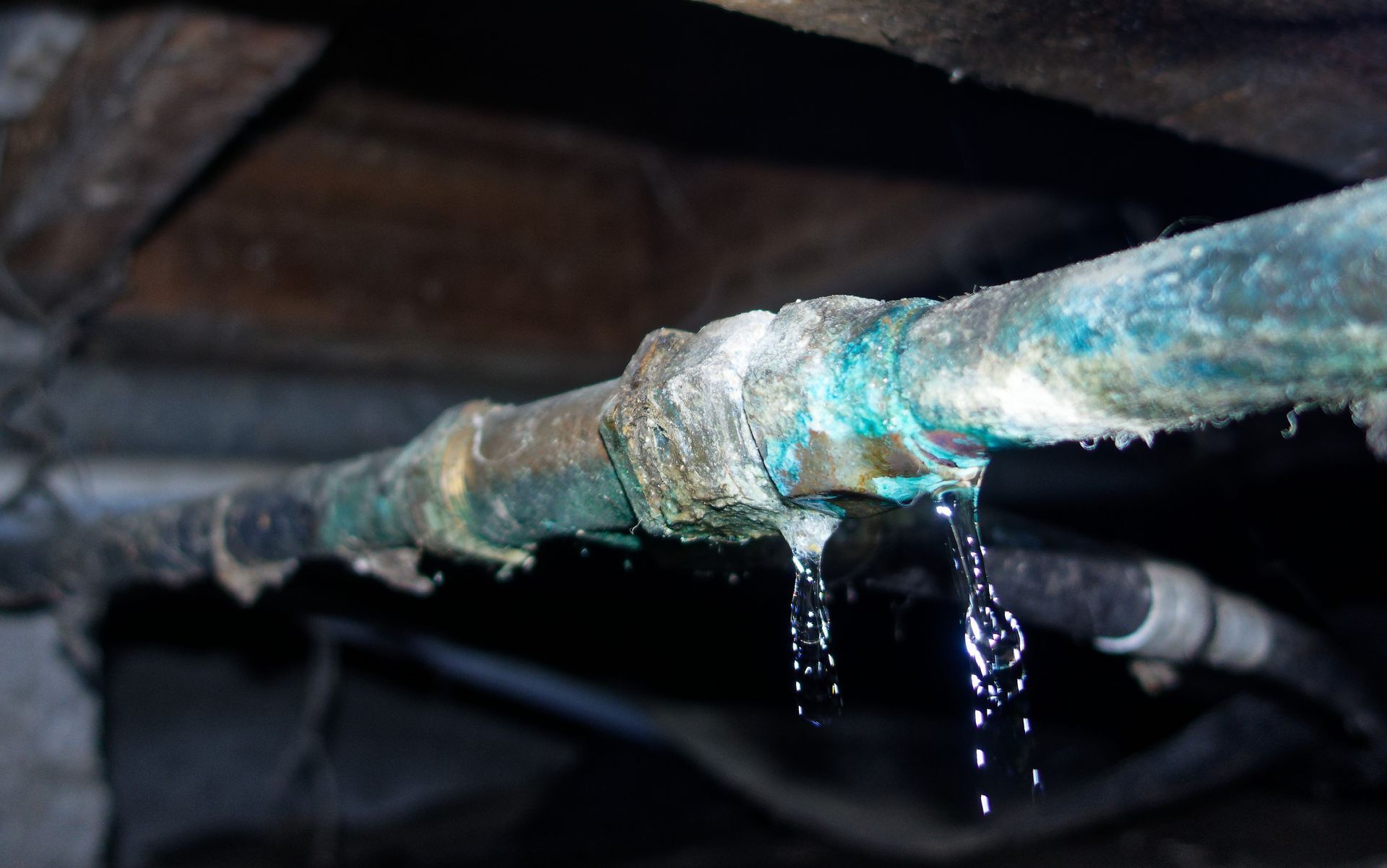
Leaking corroded pipe with water dripping in a dark crawl space
By Flynn & Co. • August 6, 2026
Northeast Ohio freezes can turn exposed or poorly insulated plumbing into a major water-loss risk.

A fallen tree has crushed the roof of a gray house in a wooded area.
By Flynn & Co. • July 30, 2026
A fallen tree can damage roofing, framing, siding, windows, utilities, and interior finishes in seconds.
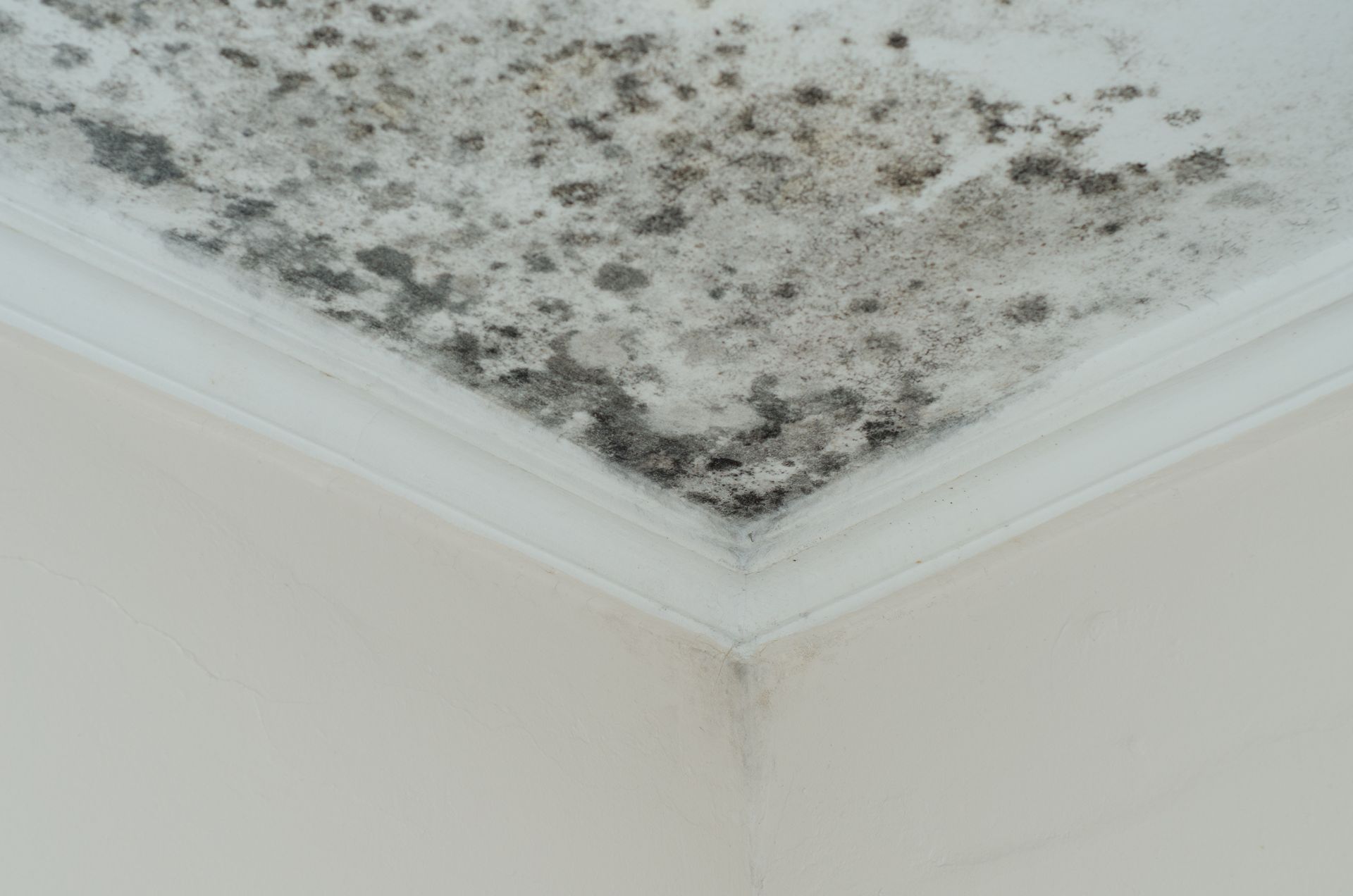
Mold and water damage on a white ceiling corner near the molding
By Flynn & Co. • July 24, 2026
A musty odor after rain often points to foundation seepage, high humidity, drainage trouble, a sump-pump problem, or hidden wet materials. Here is how to find the source before the damage spreads.

House engulfed in flames with thick smoke pouring from the roof and windows
July 8, 2026
Learn the most common causes of house fires in Northeast Ohio homes, including cooking, heating, electrical issues, dryers, and storm-related risks.