
What to Do When an Upstairs Bathroom Leak Damages the Ceiling Below in Northfield

Flynn & Co. • October 29, 2026

An upstairs bathroom leak can damage more than the floor around the fixture. Water may run beneath tile, follow plumbing openings, soak the subfloor, and collect in the ceiling or wall below before a stain appears. For Northfield homeowners, the safest response is to stop the source, keep people away from a sagging or wet ceiling, document the damage, and begin moisture assessment promptly.

Even a small supply-line, toilet, tub, or shower leak can affect drywall, insulation, framing, flooring, electrical components, and finishes in more than one room. The visible stain is often only the edge of the wet area.

Stop the Water and Protect the Area First

Shut off the fixture valve if you can reach it safely. If the leak continues or the source is unclear, use the home’s main water shutoff. Do not stand beneath a ceiling that is bulging, cracking, or shedding material, and keep children and pets out of the room.

If water is near a ceiling light, exhaust fan, outlet, or other electrical component, avoid touching the fixture or operating nearby switches. Turn off the affected circuit only if the electrical panel is dry and you can reach it without entering the wet area. Call an electrician or emergency professional when electrical safety is uncertain.

Do not puncture a bulging ceiling or remove saturated drywall without understanding what is above it. Stored water, wet insulation, and loose material can fall suddenly, and the ceiling may contain wiring or plumbing.

How Water Travels From an Upstairs Bathroom

Water rarely falls in a straight line. It can move along joists, pipes, fasteners, seams, and the back of drywall before becoming visible. A ceiling stain several feet from the bathroom fixture may still be connected to the original leak.

Tile and vinyl can also hide water beneath the finished surface. Caulk, grout, and flooring may look intact while moisture spreads through the underlayment or subfloor. In older Northeast Ohio homes, small gaps around plumbing penetrations can provide a direct path into the ceiling cavity below.

Common Sources of Upstairs Bathroom Leaks

Toilet Supply Lines and Tank Connections

A loose connector, deteriorated supply line, leaking shutoff valve, or tank-bowl connection can release water each time the toilet is used or continuously. Check for moisture behind the toilet and around the base, but do not assume water at the base always means the wax seal has failed.

Toilet Overflows and Failed Seals

An overflow may introduce contaminated water that requires more cautious handling than a clean supply-line leak. A failed wax ring can allow water to enter the floor assembly during flushing without leaving a large puddle on the bathroom floor.

Tub and Shower Plumbing

Leaks may originate at the drain, overflow assembly, supply valve, shower arm, door track, or plumbing behind the wall. Water that appears only while someone showers may point to a different source than water that continues while the fixtures are unused.

Sink Supply and Drain Connections

Cabinet contents can hide a slow drip until the cabinet base, wall, or floor is already wet. Check supply hoses, shutoff valves, the faucet body, trap, and drain connections.

What to Do During the First Hour

  1. Stop the source. Turn off the fixture valve or main water supply and stop using the affected bathroom.
  2. Protect people. Keep everyone away from wet electrical fixtures and any ceiling that is sagging or unstable.
  3. Photograph the condition. Capture the bathroom, the room below, visible water, ceiling stains, damaged contents, and the suspected source before cleanup changes the scene.
  4. Move unaffected belongings. Relocate furniture and other dry items without entering an unsafe area.
  5. Call the appropriate professional. A plumber may need to repair the source, while a restoration team evaluates how far the moisture traveled.
  6. Notify the insurer when appropriate. Ask what documentation is needed and keep a record of calls, emergency work, receipts, and photos.

Why Surface Drying Is Often Not Enough

Wiping up the bathroom floor and placing a fan in the room may not address water beneath tile, inside a ceiling cavity, or behind painted drywall. Wet insulation slows evaporation, and moisture can remain against wood framing long after the visible surface feels dry.

Flynn & Co. provides water damage restoration in Northfield that can include moisture mapping, controlled removal of unsalvageable materials, air movement, dehumidification, and monitoring. The goal is to confirm what is wet and document progress toward a dry condition before repairs begin.

How a Ceiling and Floor Assembly Are Evaluated

Moisture Mapping

Moisture meters and thermal imaging can help identify patterns that are not obvious from the stain alone. These tools support the inspection, but findings should be confirmed with direct readings and knowledge of the building assembly.

Access to Hidden Areas

Small, controlled openings may be needed to inspect wet insulation, framing, subflooring, or the underside of the bathroom floor. The amount of removal depends on the water source, duration, material condition, and whether contamination is present.

Drying and Monitoring

Air movers and dehumidifiers are placed to promote evaporation and remove moisture from the air. Readings are taken during the process so equipment is adjusted based on conditions rather than a fixed number of days.

Can the Ceiling Dry in Place?

Sometimes. Drywall may be dried when the water is relatively clean, the material remains structurally sound, insulation does not trap moisture, and access allows effective drying. Replacement is more likely when the drywall is sagging, crumbling, contaminated, delaminated, or unable to dry within the assembly.

Wet batt insulation often needs to be removed so the cavity can be inspected and dried. Textured or painted ceilings may also require repair beyond the visible stain to produce an even finish.

Watch for Mold and Persistent Odors

Mold risk increases when porous materials remain damp. Warning signs include a musty odor, new discoloration, recurring stains, swollen trim, peeling paint, or moisture readings that do not return to an acceptable range.

If microbial growth is found, Flynn & Co. can evaluate the need for mold remediation before the ceiling or floor assembly is closed. Painting over a stain or replacing drywall without correcting moisture inside the cavity can allow the problem to return.

Document the Damage for an Insurance Claim

Coverage depends on the source, timing, policy language, exclusions, deductibles, and maintenance history. Sudden and accidental water damage may be treated differently from a long-term leak, so record when the problem was discovered and what steps were taken to limit additional damage.

  • Take wide photos showing the bathroom and affected room below.
  • Take close photos of the source, stains, wet materials, and damaged belongings.
  • Keep plumbing invoices, restoration records, moisture readings, and repair estimates.
  • Save removed parts when practical until the insurer says they are no longer needed.
  • Track temporary expenses and every conversation related to the loss.

Repair the Leak Before Reconstruction

Drying and cosmetic repair should not begin with an active leak. The failed supply line, drain, seal, valve, or fixture must be repaired and tested first. Once the affected materials are clean and dry enough for rebuilding, Flynn & Co. can coordinate repairs and reconstruction for drywall, ceilings, flooring, trim, paint, and other damaged finishes.

A coordinated repair plan helps prevent gaps between plumbing work, structural drying, material replacement, and finish matching. It also creates a clearer record of what was emergency mitigation and what was permanent repair.

How to Reduce the Chance of Another Bathroom Leak

  • Replace aging or corroded supply lines and shutoff valves.
  • Repair loose toilets, deteriorated caulk, and damaged grout promptly.
  • Check beneath sinks and behind toilets for slow drips.
  • Do not ignore recurring ceiling stains, even if they dry between uses.
  • Use exhaust ventilation to control routine bathroom humidity.
  • Know where the fixture shutoffs and main water valve are located.
  • Consider leak sensors near toilets, vanities, and other vulnerable fixtures.

Frequently Asked Questions

Should I call a plumber or a restoration company first?

If water is actively flowing, stop the source and call a plumber when a fixture or pipe needs repair. A restoration company evaluates and dries the affected building materials. Many losses require both services.

Does a ceiling stain mean the drywall must be replaced?

Not always. The decision depends on the water category, how long the material was wet, whether it remains sound, what is inside the cavity, and whether the assembly can be dried and verified.

Can I use a household fan to dry the ceiling?

A fan may move air across the painted surface but may not reach wet insulation, framing, or the back of the drywall. Avoid fans when contaminated water or suspected mold is present because airflow can spread contaminants.

How quickly can mold develop after a bathroom leak?

There is no single guaranteed timeline, but damp porous materials should be addressed promptly. Temperature, humidity, material type, and the amount of water all affect microbial growth.

Will insurance cover an upstairs bathroom leak?

Coverage varies by policy and cause of loss. Sudden damage may be handled differently from repeated seepage or deferred maintenance. Report the facts accurately and ask the insurer to explain the applicable coverage.

Get Help With Bathroom Leak Damage in Northfield

If water from an upstairs bathroom has reached the ceiling or walls below, Flynn & Co. can help locate affected materials, dry the structure, document the loss, and complete repairs. Call (330) 432-7414 or contact Flynn & Co. to request an assessment.

Related Services

Restoration and Construction Services for Northeast Ohio Property Owners:


When water, fire, storms, mold, or structural damage affects your property, Flynn & Co. is ready to help. Our experienced team provides complete restoration and construction services for homes and businesses throughout Northeast Ohio.


Water Damage Restoration
From plumbing leaks and appliance failures to flooded basements, we locate the source of the water, remove moisture, dry affected materials, and repair the damage.


Fire and Smoke Damage Restoration
We help property owners recover after a fire with cleanup, smoke and odor removal, damage restoration, and reconstruction services.


Mold Remediation

 Our team identifies affected areas, safely removes mold-contaminated materials, addresses excess moisture, and helps restore a healthier indoor environment.


Storm Damage Restoration
When severe weather damages your roof, siding, interior, or other parts of your property, we provide prompt repairs and complete restoration assistance.


Remodeling and Construction
Flynn & Co. also provides professional remodeling, reconstruction, and general construction services for homeowners ready to repair or improve their property.

Need Help Restoring Your Northeast Ohio Property?

Whether you are dealing with water, fire, smoke, mold, or storm damage—or planning a remodeling project—Flynn & Co. can help you determine the right next step. Contact our experienced team to schedule an assessment for your home or business.

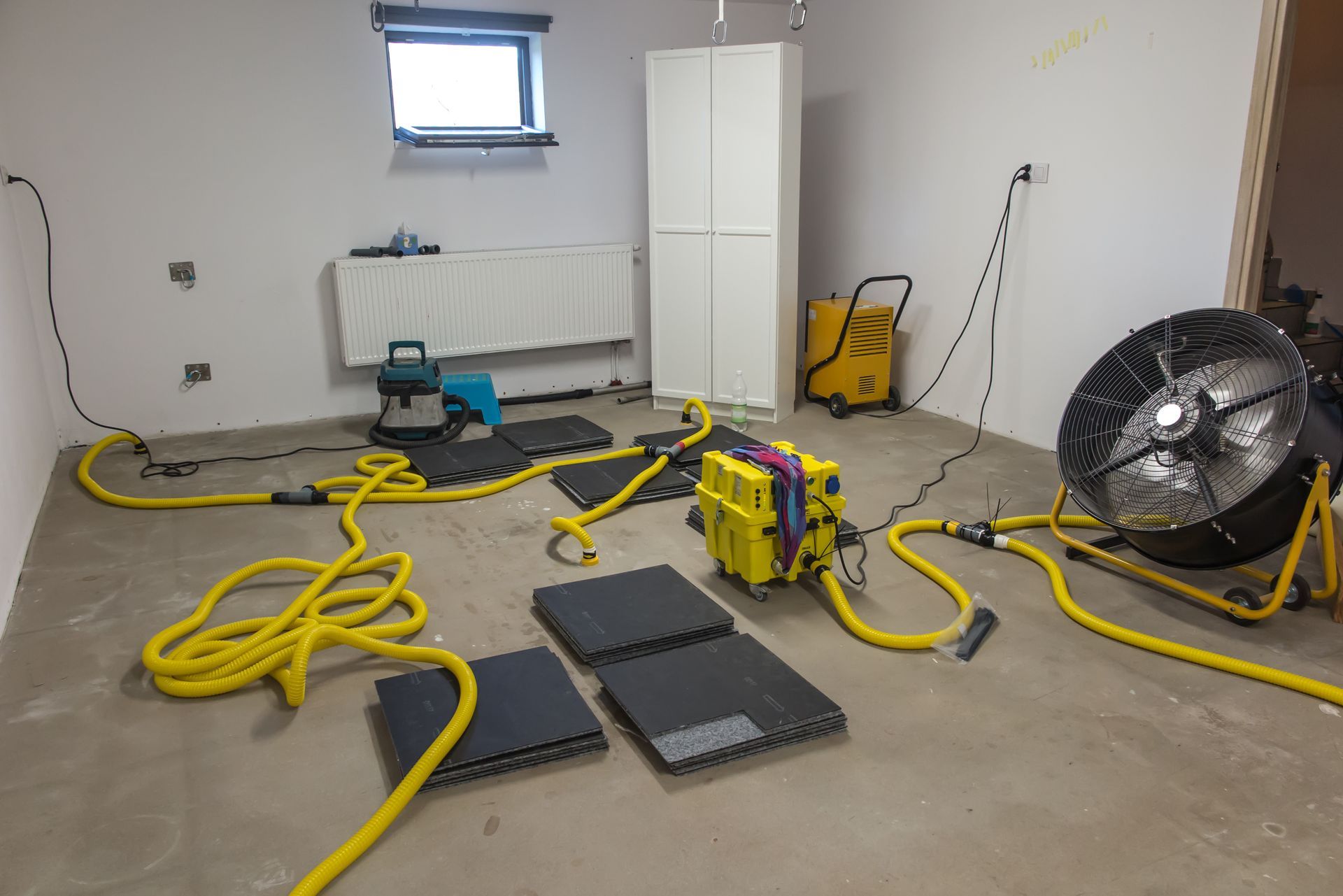
Workshop floor with yellow hoses, tools, a fan, and a white cabinet against a bare wall.
By Flynn & Co. • October 22, 2026
Water-damage reconstruction can be a practical time to improve a room, but drying and covered repairs must be clearly separated from owner-selected upgrades.
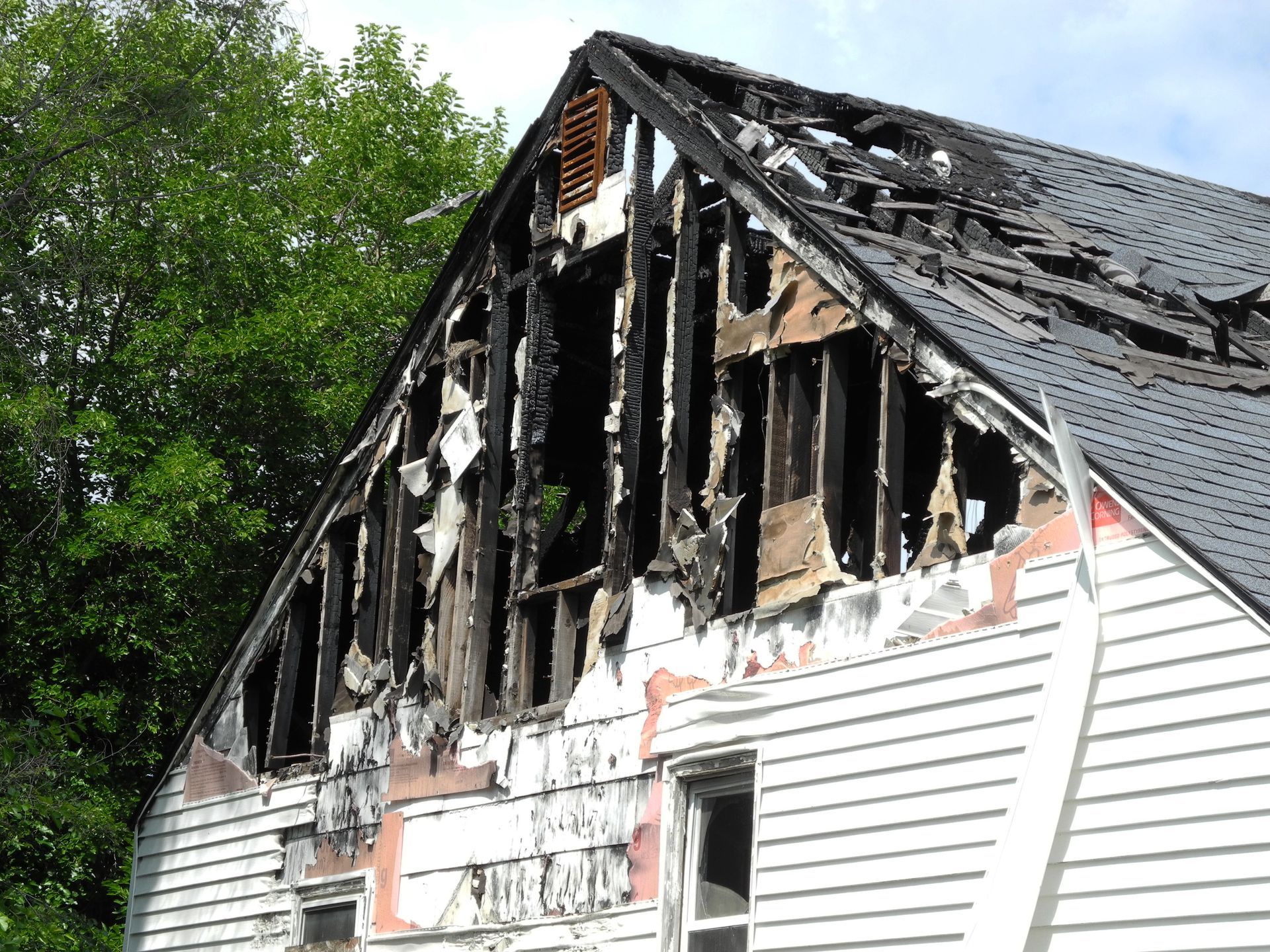
Burned, partially collapsed house with charred roof and white siding beside trees
By Flynn & Co. • October 15, 2026
Smoke odor can return when a furnace moves residue trapped in ducts, filters, insulation, or porous finishes. Learn how to identify the source and restore healthy indoor conditions.
By Flynn & Co. • October 8, 2026
Hidden mold can develop behind drywall, beneath flooring, and inside insulation after water damage. Learn the warning signs and safest next steps for Brecksville homes.
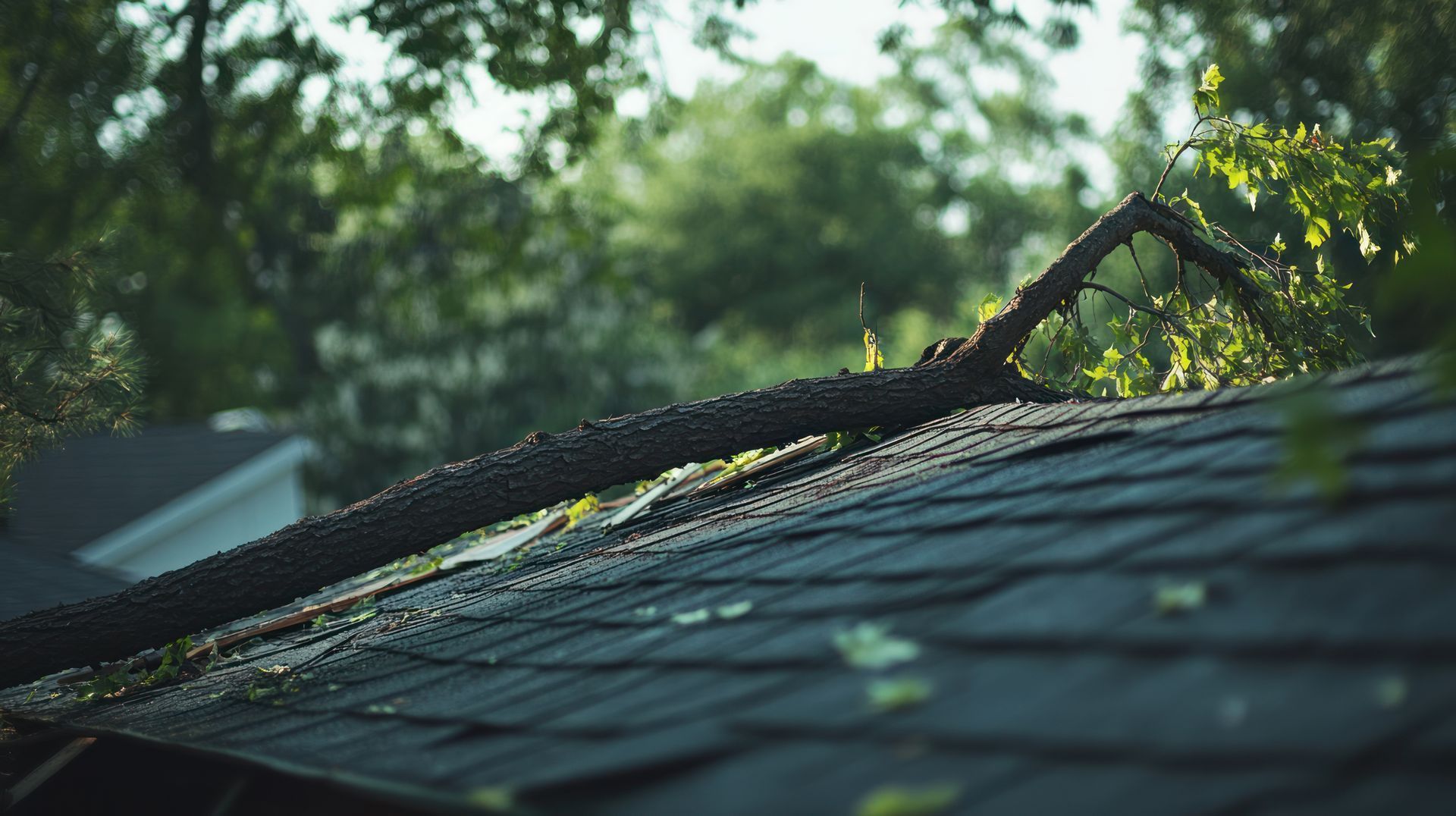
tree limb fallen on a dark shingled roof in sunlight, with green trees blurred in the background
By Flynn & Co. • October 1, 2026
Good documentation captures the condition immediately after a storm while still allowing urgent work that protects the property.
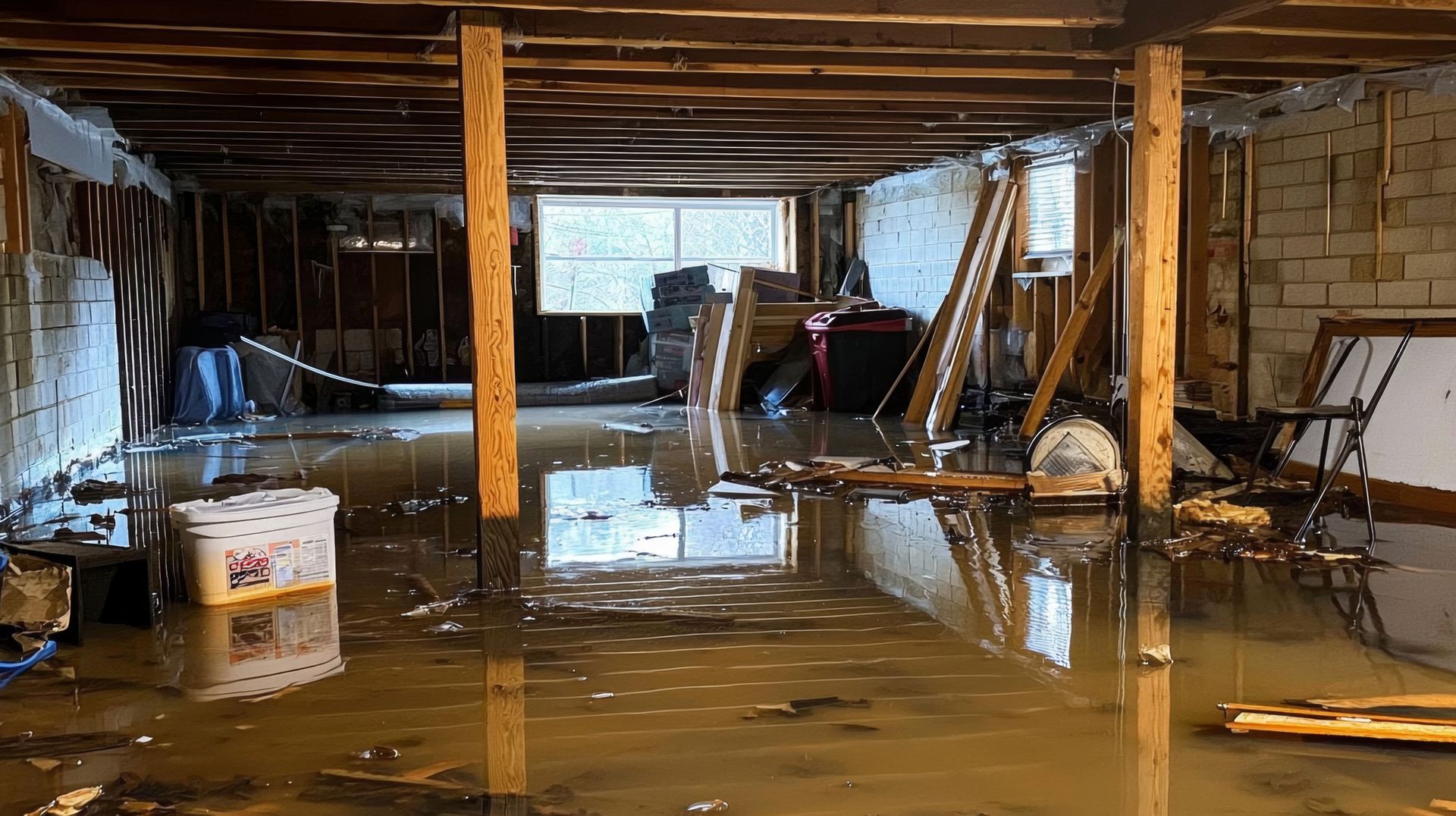
Flooded basement with murky water, support posts, and stored furniture and items partially submerged
By Flynn & Co. • September 24, 2026
Intense Northeast Ohio storms can overwhelm drainage systems and reveal weak points around Bedford foundations.
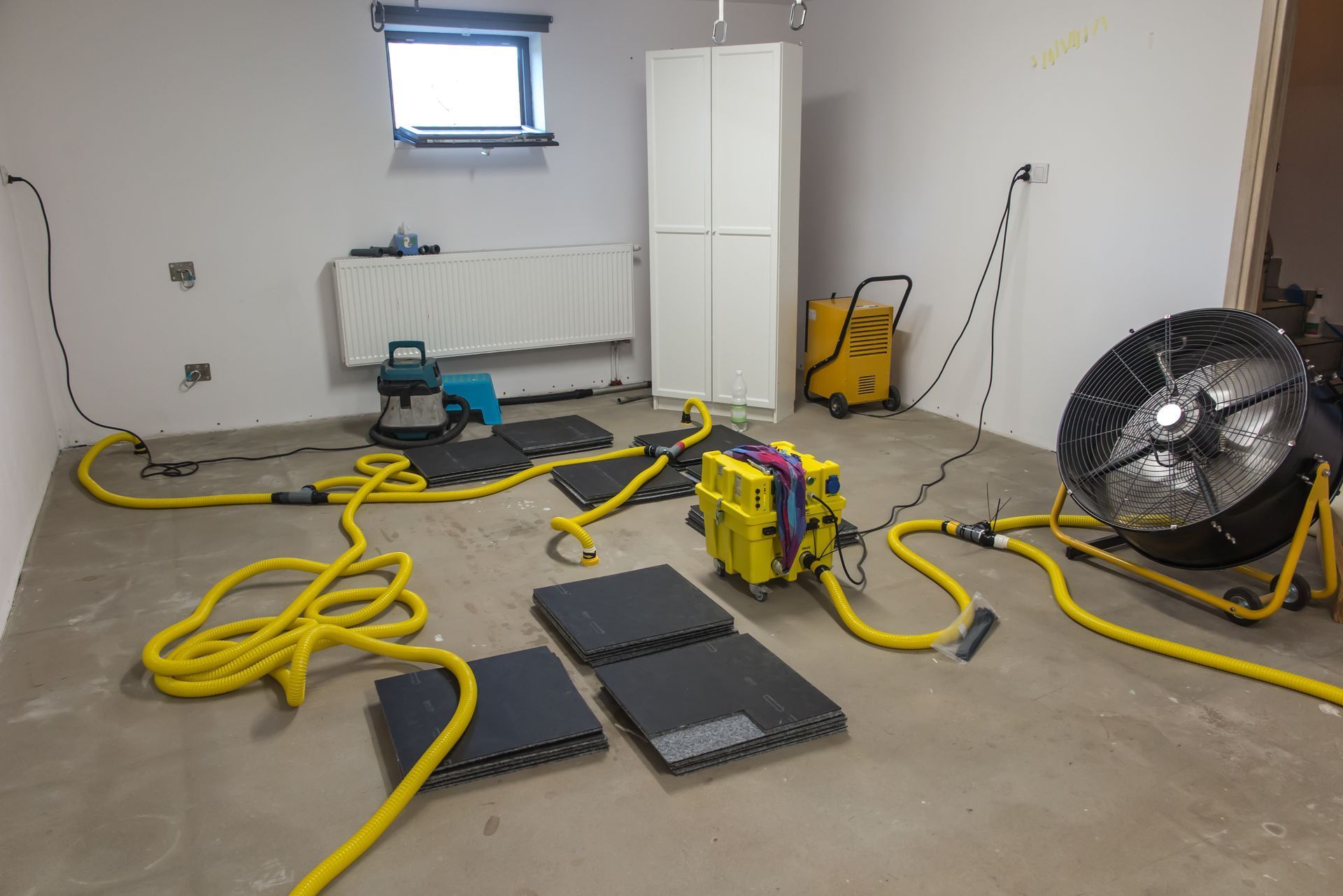
Workshop with yellow hoses, floor tools, cabinets, and a large fan in a bare room.
By Flynn & Co. • September 17, 2026
Water cleanup is only the first phase when drywall, insulation, flooring, cabinets, or framing cannot be restored.
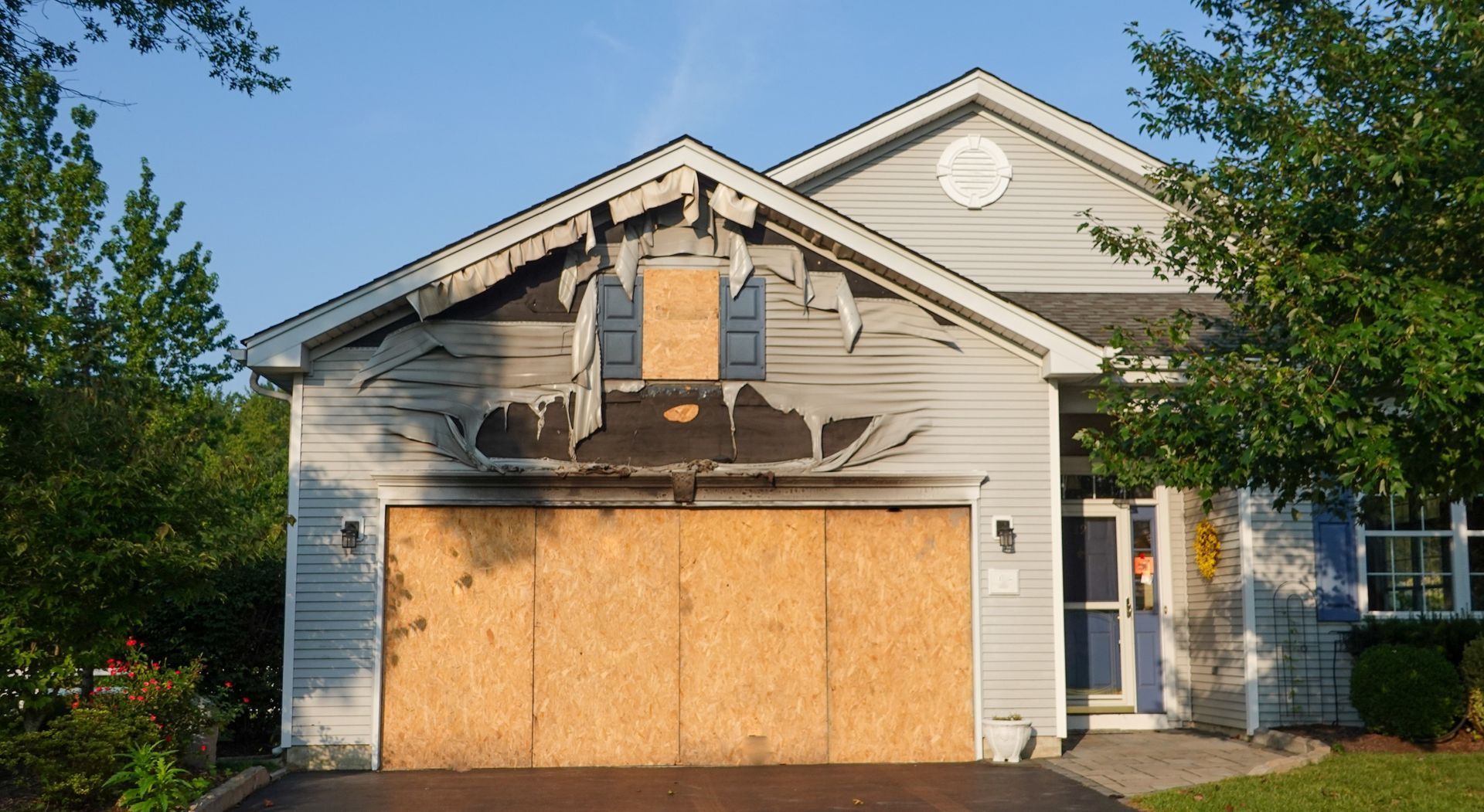
House with boarded-up garage door and damaged upper facade in a suburban neighborhood
By Flynn & Co. • September 10, 2026
A garage fire can affect much more than the room where it began, especially when the garage is attached to the home.
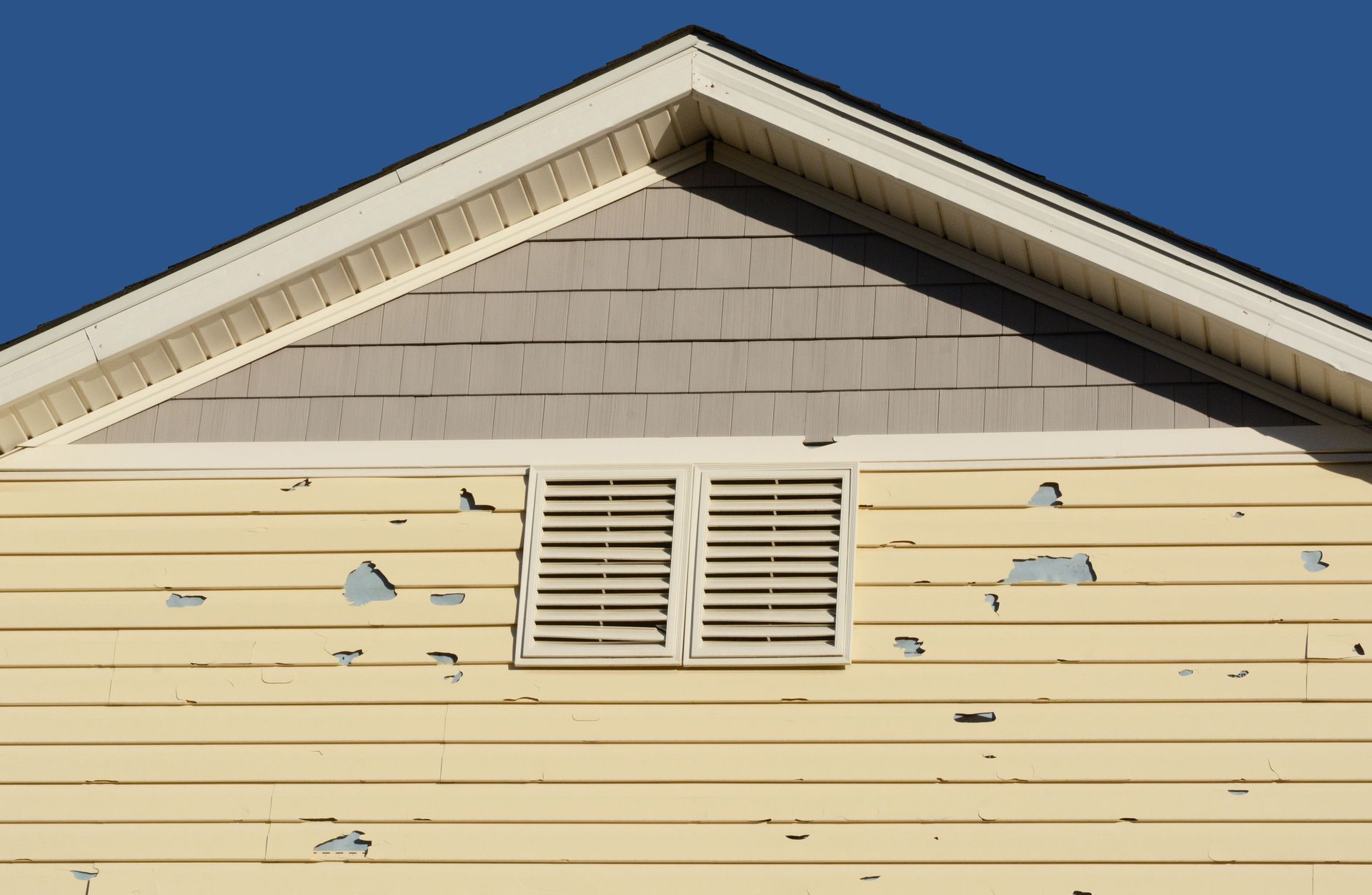
Weathered beige house gable with louvered vent under a clear blue sky
By Flynn & Co. • September 3, 2026
Wind can loosen siding, open seams, damage trim, and expose the wall assembly to rain.
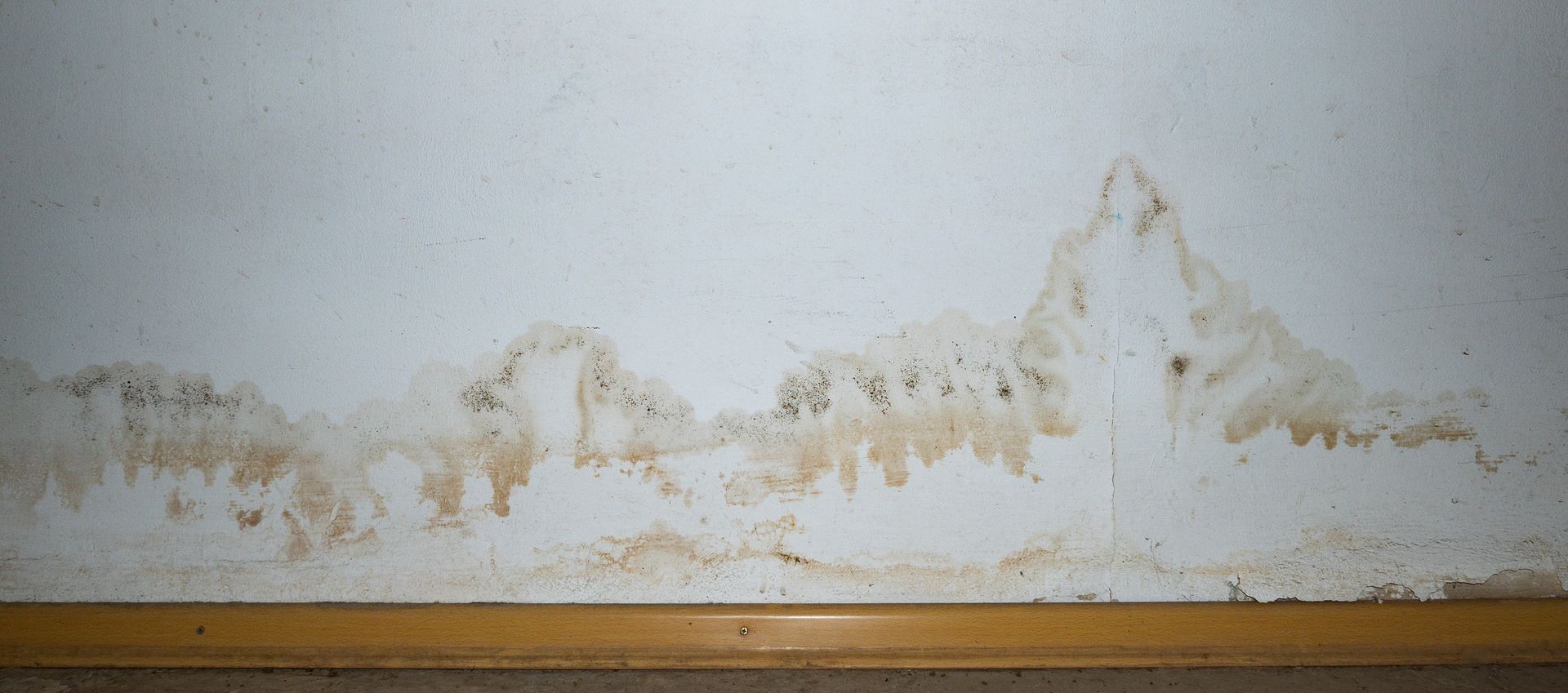
Peeling and water-damaged white wall above a wooden baseboard.
By Flynn & Co. • August 27, 2026
Washing machines, dishwashers, refrigerators, and water heaters can release water slowly or all at once.
Ceiling corner with black mold and water damage on white paint
By Flynn & Co. • August 20, 2026
High summer humidity can support mold when moisture collects on cool surfaces or remains trapped in building materials.