
Why Smoke Odors Return When the Furnace Runs in Hudson Homes

Flynn & Co. • October 15, 2026

Smoke damage can remain in a home even after the flames are extinguished and the visible soot is cleaned. In Hudson homes, smoke particles can settle inside return-air cavities, ductwork, filters, insulation, and porous finishes. When the heating system starts running more often in fall, those trapped residues may circulate again and make an odor seem to return.

A recurring smoke smell is a sign to investigate the source instead of masking it with fragrance or paint. The right response depends on where the fire occurred, what burned, how the HVAC system operated during the event, and which materials absorbed smoke.

Why Smoke Odors Can Return Weeks Later

Fire creates a complex mixture of soot, oils, gases, and microscopic particles. Hot smoke moves toward cooler areas and can travel through doorways, wall openings, plumbing penetrations, and air-handling pathways. Even a small fire can affect rooms that never had visible flames.

Humidity and temperature changes can also make absorbed odors more noticeable. When a furnace warms contaminated dust or porous material, odor-causing compounds may be released into the air again.

How HVAC Systems Spread Smoke Residue

If the blower was operating during or shortly after a fire, return ducts may have pulled smoke into the system. Residue can collect on filters, registers, blower components, coils, duct liners, and nearby framing. Running the system before it is evaluated may redistribute particles into cleaned rooms.

Flynn & Co. provides fire and smoke damage restoration for Northeast Ohio properties, including inspection, containment, soot removal, odor treatment, and coordination of necessary repairs.

Signs the Odor Is Connected to the HVAC System

  • The smell becomes stronger when the furnace or fan starts.
  • Odor is most noticeable near supply registers or return grilles.
  • Previously cleaned rooms begin smelling smoky again.
  • Dark dust or residue appears around vents.
  • The filter becomes discolored unusually quickly.

These signs do not prove that every duct requires cleaning. They indicate that the system and surrounding materials should be evaluated before deciding on the appropriate scope.

What Should Be Inspected After a Fire

Filters and Air-Handling Components

Filters should be replaced as part of the response, but a new filter alone cannot remove residue already deposited on the blower, coil, cabinet, or nearby surfaces.

Supply and Return Pathways

Metal ducts may be cleanable, while porous duct liner or flex duct can be more difficult to restore after heavy contamination. Inspection findings should guide whether cleaning, sealing, or replacement is appropriate.

Insulation and Building Cavities

Smoke can enter wall and ceiling cavities through gaps around wiring, recessed lights, framing, and registers. Contaminated insulation may continue releasing odor even when visible surfaces look clean.

Porous Interior Materials

Carpet, upholstery, unfinished wood, drywall paper, and cabinetry can absorb smoke. Cleaning methods must match the material and the type of residue.

Why Household Deodorizers Are Not Enough

Air fresheners, scented sprays, and ozone-producing consumer devices do not remove soot. Some products merely cover odors, while improper treatment can create additional indoor-air concerns or set oily residues into materials.

Professional odor control begins with source removal: clean or remove contaminated material first, then use an appropriate deodorization method for remaining odor. Sealing or repainting should occur only after surfaces are properly cleaned and prepared.

Steps Hudson Homeowners Should Take

  1. Limit HVAC operation when practical. If the system may be contaminated, ask a qualified professional whether it should remain off.
  2. Document the conditions. Photograph soot, damaged contents, registers, filters, and affected rooms before cleanup.
  3. Avoid dry wiping soot. Incorrect cleaning can smear residue or drive it deeper into porous surfaces.
  4. Request a restoration assessment. The inspection should consider the fire source, affected materials, and air movement.
  5. Keep service records. Save photographs, cleaning logs, equipment findings, invoices, and repair estimates for insurance documentation.

For a coordinated local response, Flynn & Co. offers fire and smoke damage restoration in Hudson.

Cleaning, Odor Control, and Reconstruction

A complete restoration plan may include debris removal, HEPA vacuuming, specialized surface cleaning, contents evaluation, HVAC coordination, deodorization, and verification. Materials that cannot be adequately cleaned may need controlled removal.

When drywall, insulation, trim, flooring, or cabinetry must be replaced, Flynn & Co. can continue the project through repairs and reconstruction. Keeping mitigation and rebuilding within one plan can reduce delays and help document why each repair is necessary.

Insurance Documentation for Smoke Damage

Smoke damage is not always obvious in photographs, so written records matter. Note when odors occur, which rooms are affected, whether the HVAC system was operating, and what professional testing or cleaning is recommended. Do not discard damaged items until the insurer or adjuster provides direction, unless they create an immediate safety concern.

Frequently Asked Questions

Can smoke odor stay in ductwork after a small fire?

Yes. Smoke can enter return pathways and settle on HVAC components or duct surfaces even when the fire is limited to one room.

Should every duct system be cleaned after a fire?

No. The decision should be based on inspection, the type and amount of residue, the duct materials, and whether the system operated during the fire.

Will replacing the furnace filter remove the smell?

A new filter is important, but it will not remove residue already deposited elsewhere in the system or building.

Can walls be painted to seal smoke odor?

Only after soot and residue are properly cleaned. Painting over contamination can trap odor and lead to poor adhesion or staining.

Get Help With Smoke Odors in Your Hudson Home

If smoke odor returns when your furnace runs, call (330) 432-7414 or contact Flynn & Co. to request an assessment.

Related Services

Restoration and Construction Services for Northeast Ohio Property Owners:


When water, fire, storms, mold, or structural damage affects your property, Flynn & Co. is ready to help. Our experienced team provides complete restoration and construction services for homes and businesses throughout Northeast Ohio.


Water Damage Restoration
From plumbing leaks and appliance failures to flooded basements, we locate the source of the water, remove moisture, dry affected materials, and repair the damage.


Fire and Smoke Damage Restoration
We help property owners recover after a fire with cleanup, smoke and odor removal, damage restoration, and reconstruction services.


Mold Remediation

 Our team identifies affected areas, safely removes mold-contaminated materials, addresses excess moisture, and helps restore a healthier indoor environment.


Storm Damage Restoration
When severe weather damages your roof, siding, interior, or other parts of your property, we provide prompt repairs and complete restoration assistance.


Remodeling and Construction
Flynn & Co. also provides professional remodeling, reconstruction, and general construction services for homeowners ready to repair or improve their property.

Need Help Restoring Your Northeast Ohio Property?

Whether you are dealing with water, fire, smoke, mold, or storm damage—or planning a remodeling project—Flynn & Co. can help you determine the right next step. Contact our experienced team to schedule an assessment for your home or business.

By Flynn & Co. • October 8, 2026
Hidden mold can develop behind drywall, beneath flooring, and inside insulation after water damage. Learn the warning signs and safest next steps for Brecksville homes.
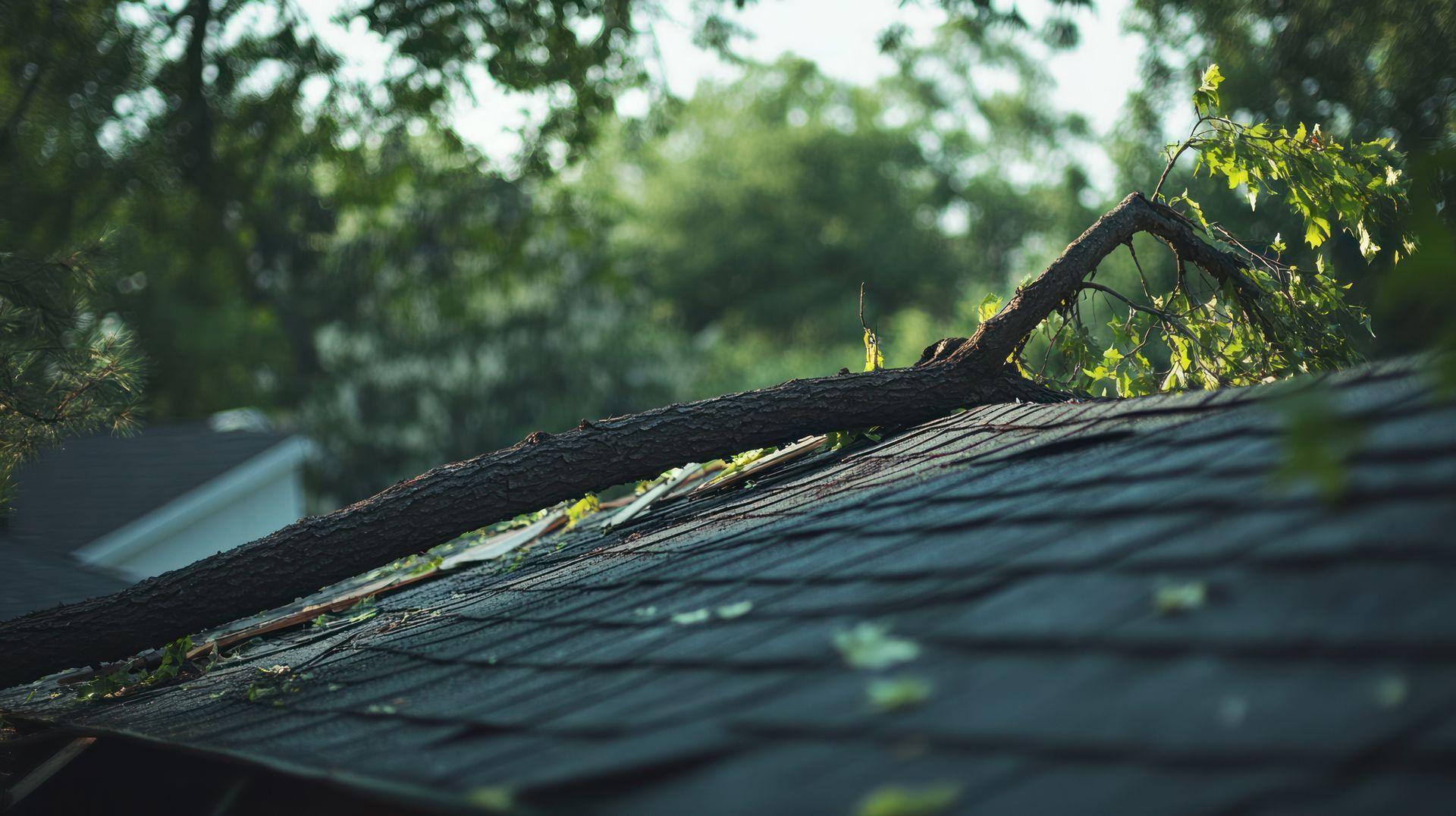
tree limb fallen on a dark shingled roof in sunlight, with green trees blurred in the background
By Flynn & Co. • October 1, 2026
Good documentation captures the condition immediately after a storm while still allowing urgent work that protects the property.
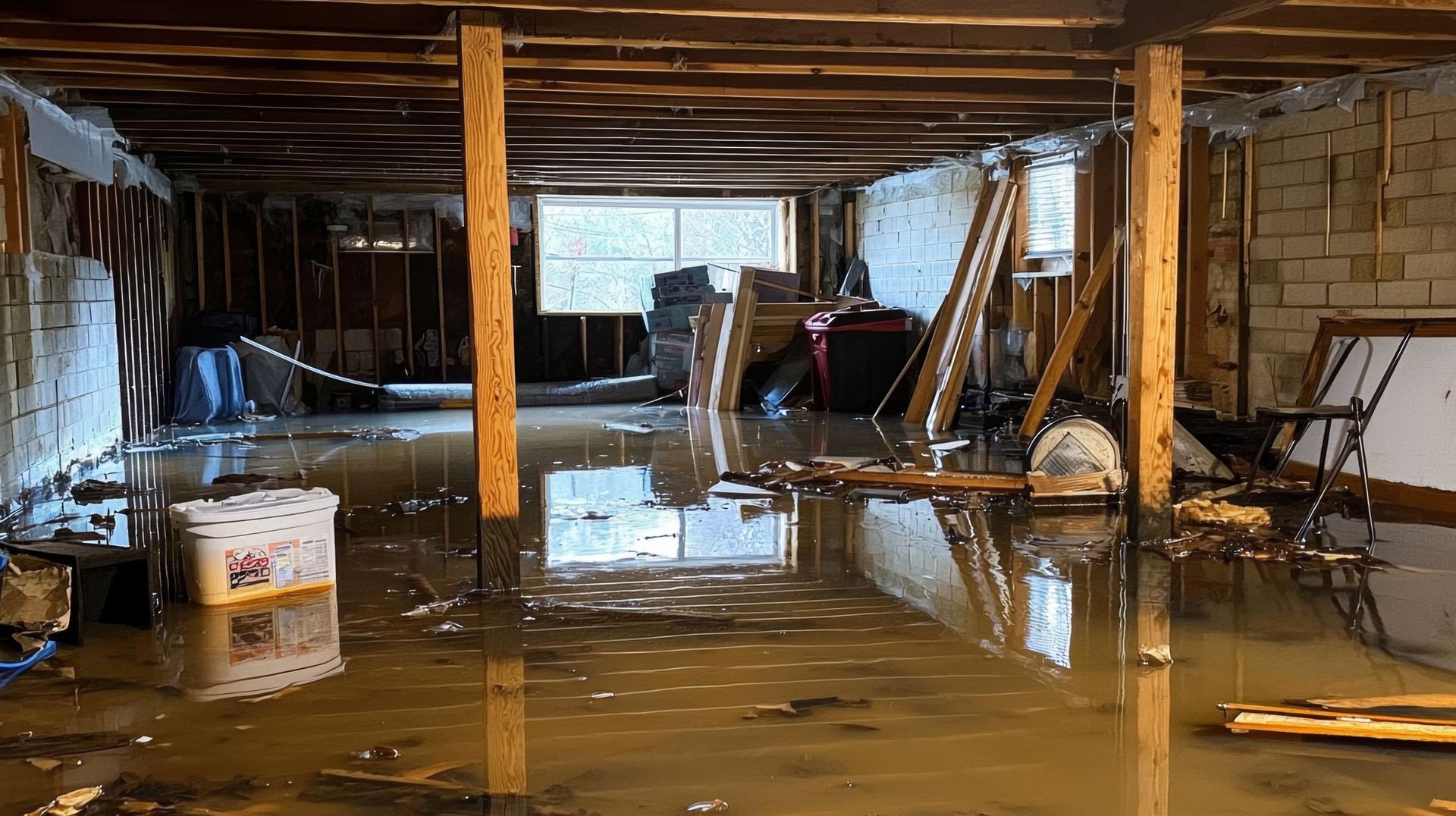
Flooded basement with murky water, support posts, and stored furniture and items partially submerged
By Flynn & Co. • September 24, 2026
Intense Northeast Ohio storms can overwhelm drainage systems and reveal weak points around Bedford foundations.
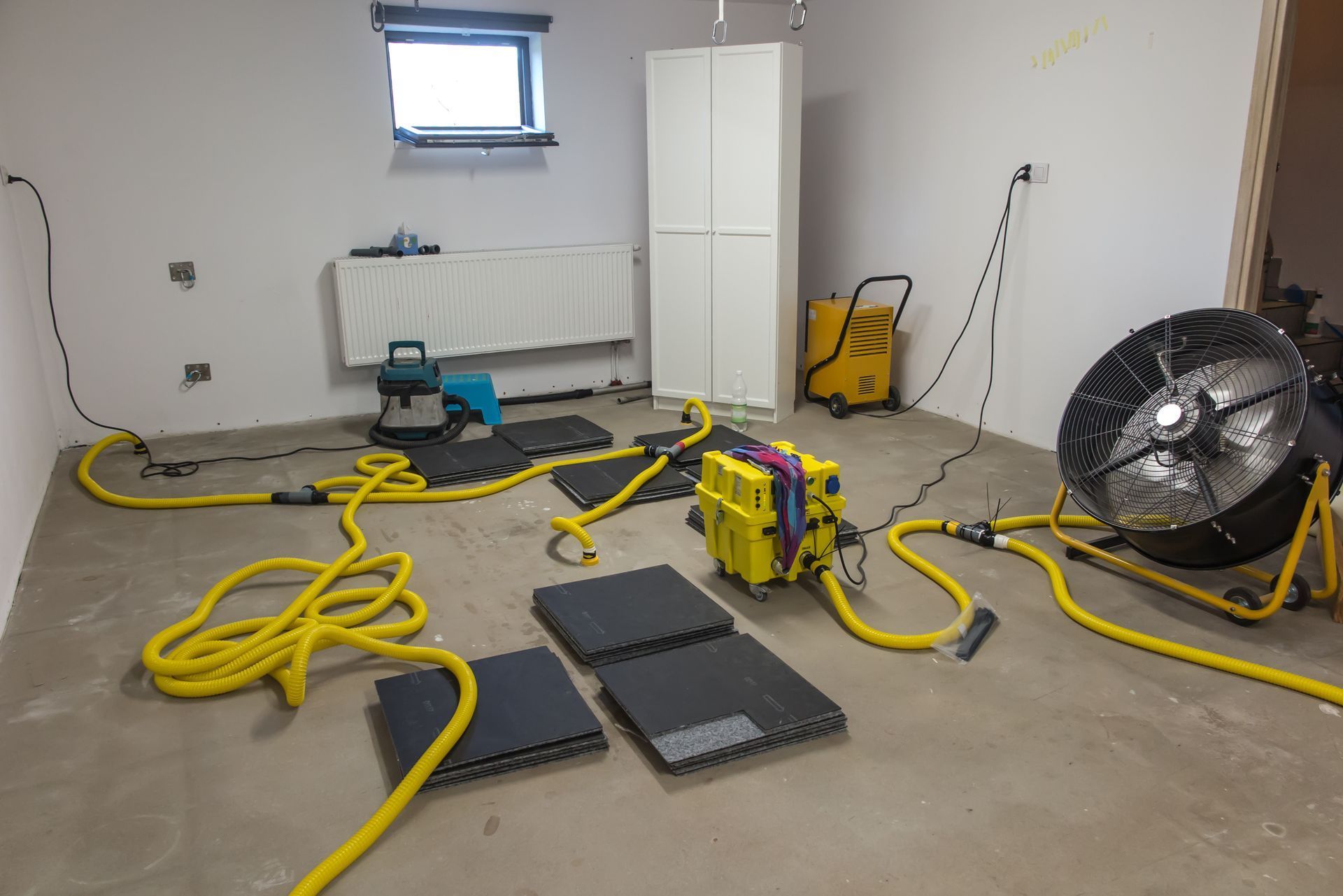
Workshop with yellow hoses, floor tools, cabinets, and a large fan in a bare room.
By Flynn & Co. • September 17, 2026
Water cleanup is only the first phase when drywall, insulation, flooring, cabinets, or framing cannot be restored.
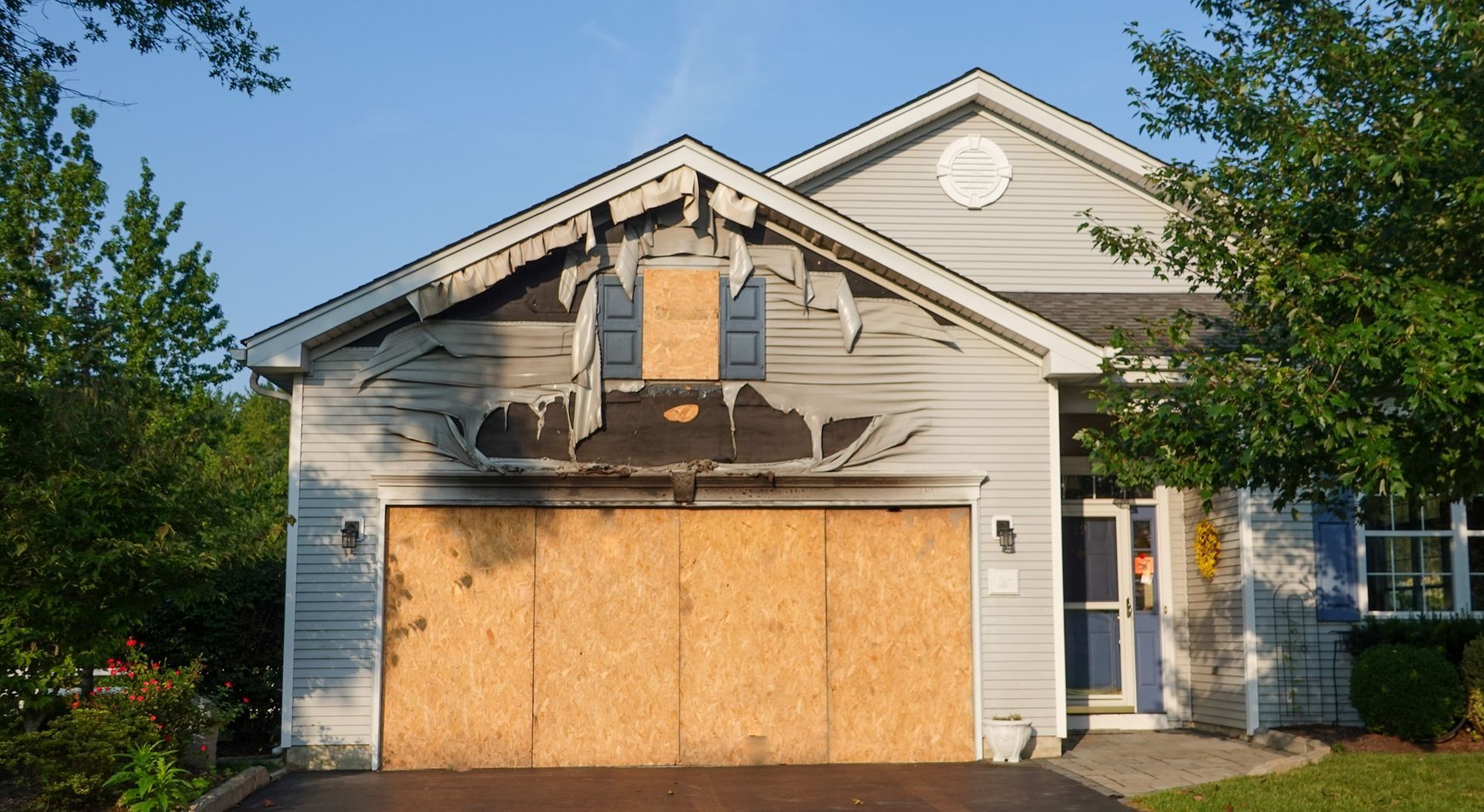
House with boarded-up garage door and damaged upper facade in a suburban neighborhood
By Flynn & Co. • September 10, 2026
A garage fire can affect much more than the room where it began, especially when the garage is attached to the home.
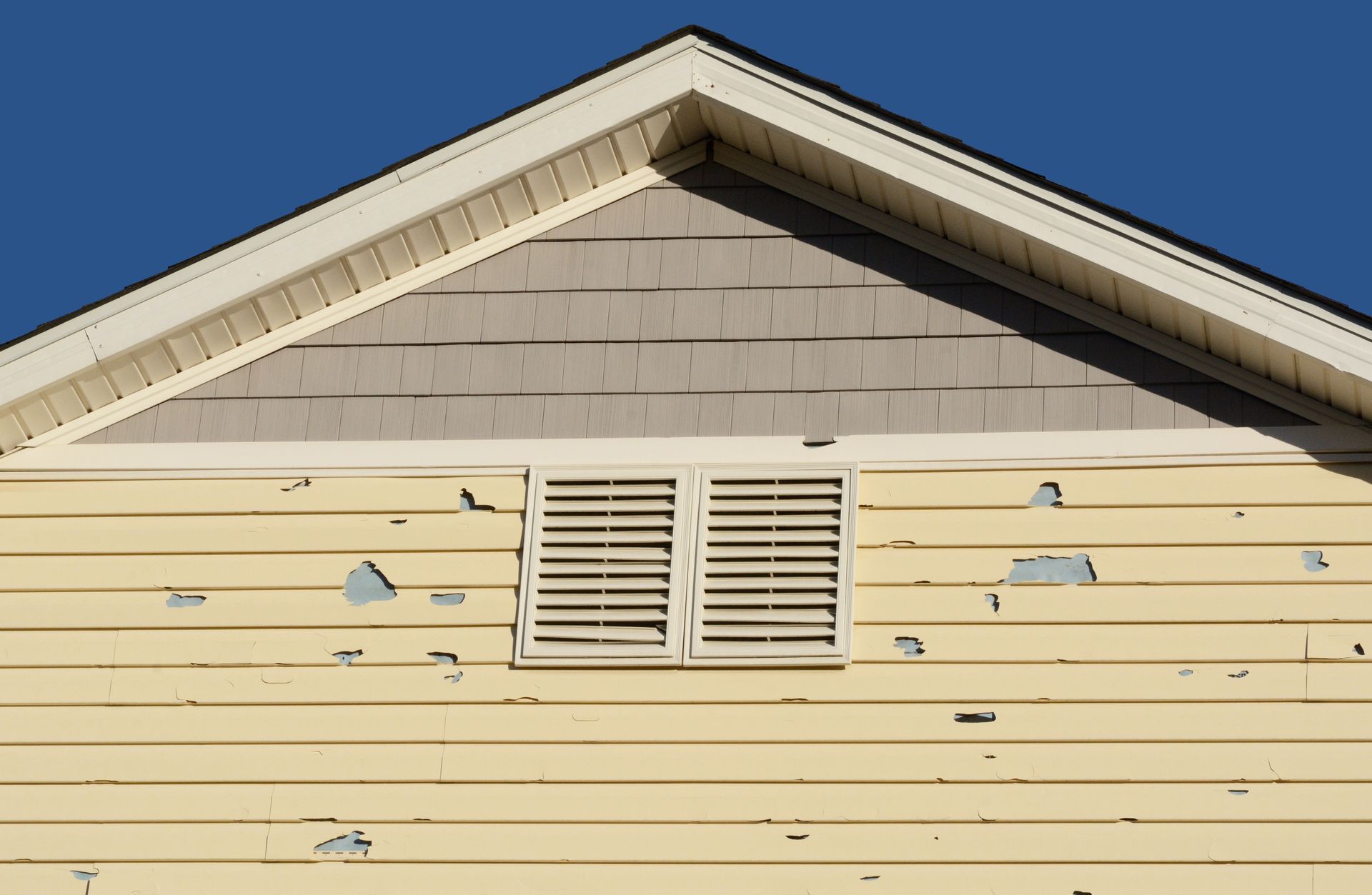
Weathered beige house gable with louvered vent under a clear blue sky
By Flynn & Co. • September 3, 2026
Wind can loosen siding, open seams, damage trim, and expose the wall assembly to rain.
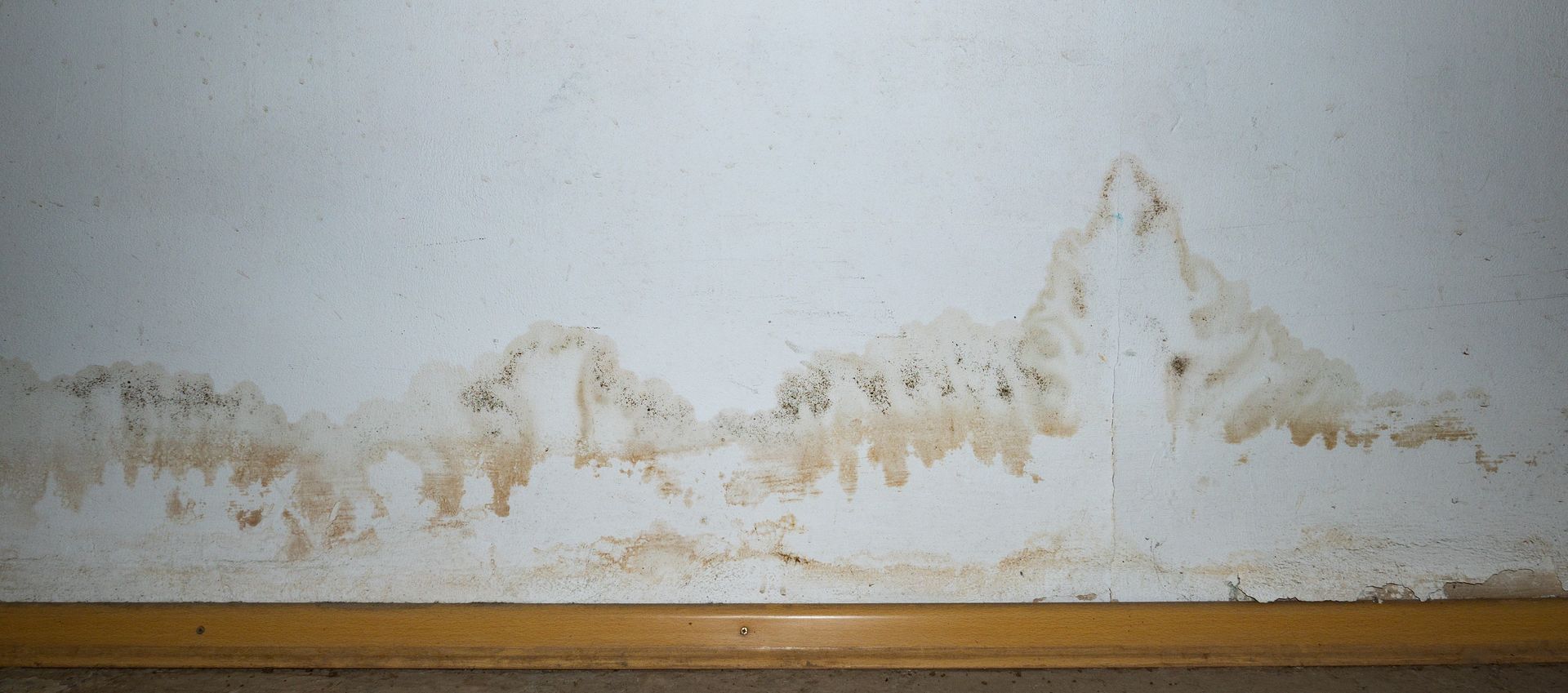
Peeling and water-damaged white wall above a wooden baseboard.
By Flynn & Co. • August 27, 2026
Washing machines, dishwashers, refrigerators, and water heaters can release water slowly or all at once.
Ceiling corner with black mold and water damage on white paint
By Flynn & Co. • August 20, 2026
High summer humidity can support mold when moisture collects on cool surfaces or remains trapped in building materials.
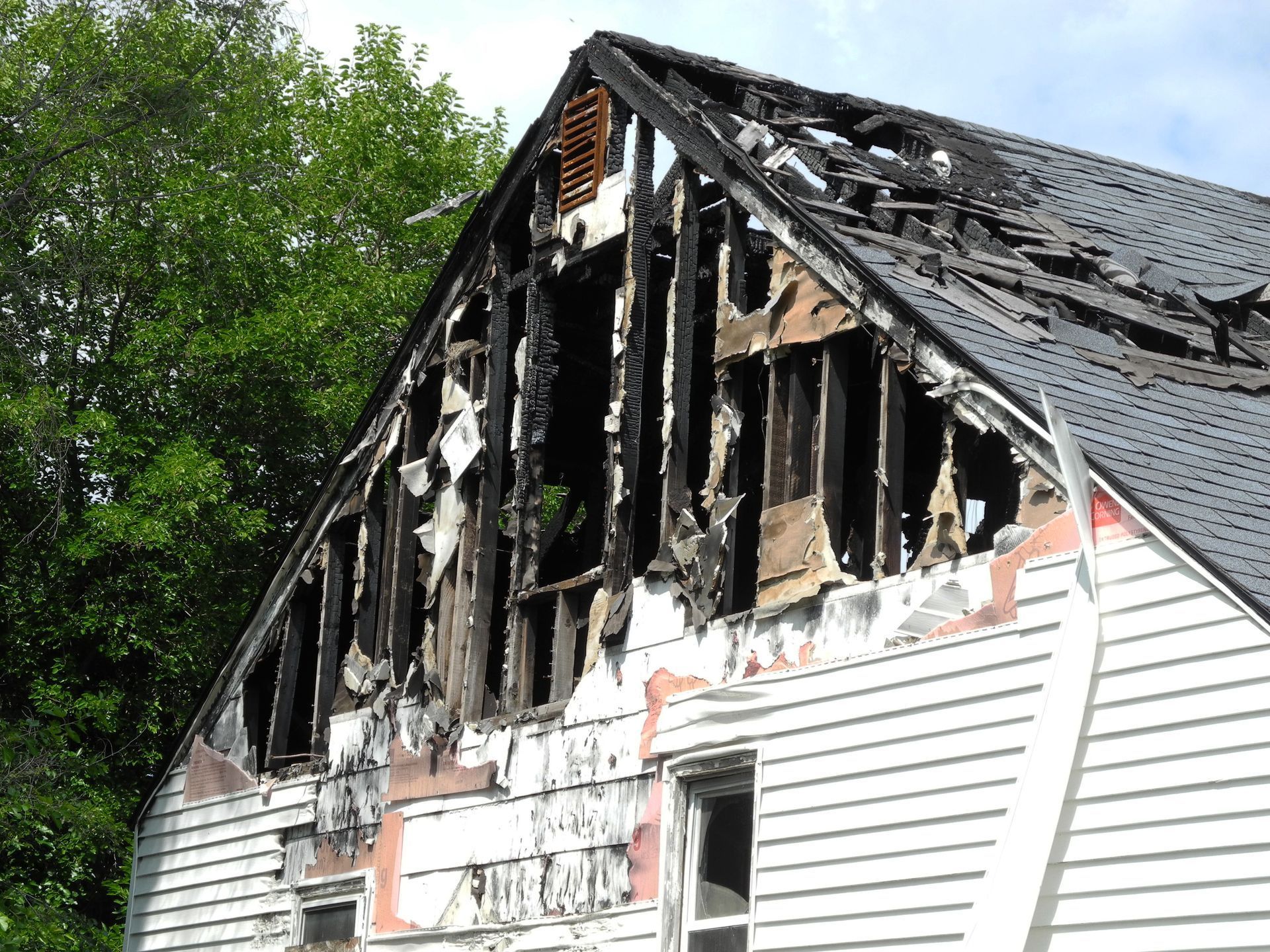
Charred house exterior with burned roof and damaged white siding after a fire
By Flynn & Co. • August 13, 2026
Kitchen fires can send smoke through cabinets, HVAC pathways, hallways, and adjoining rooms even when flames remain near the stove.
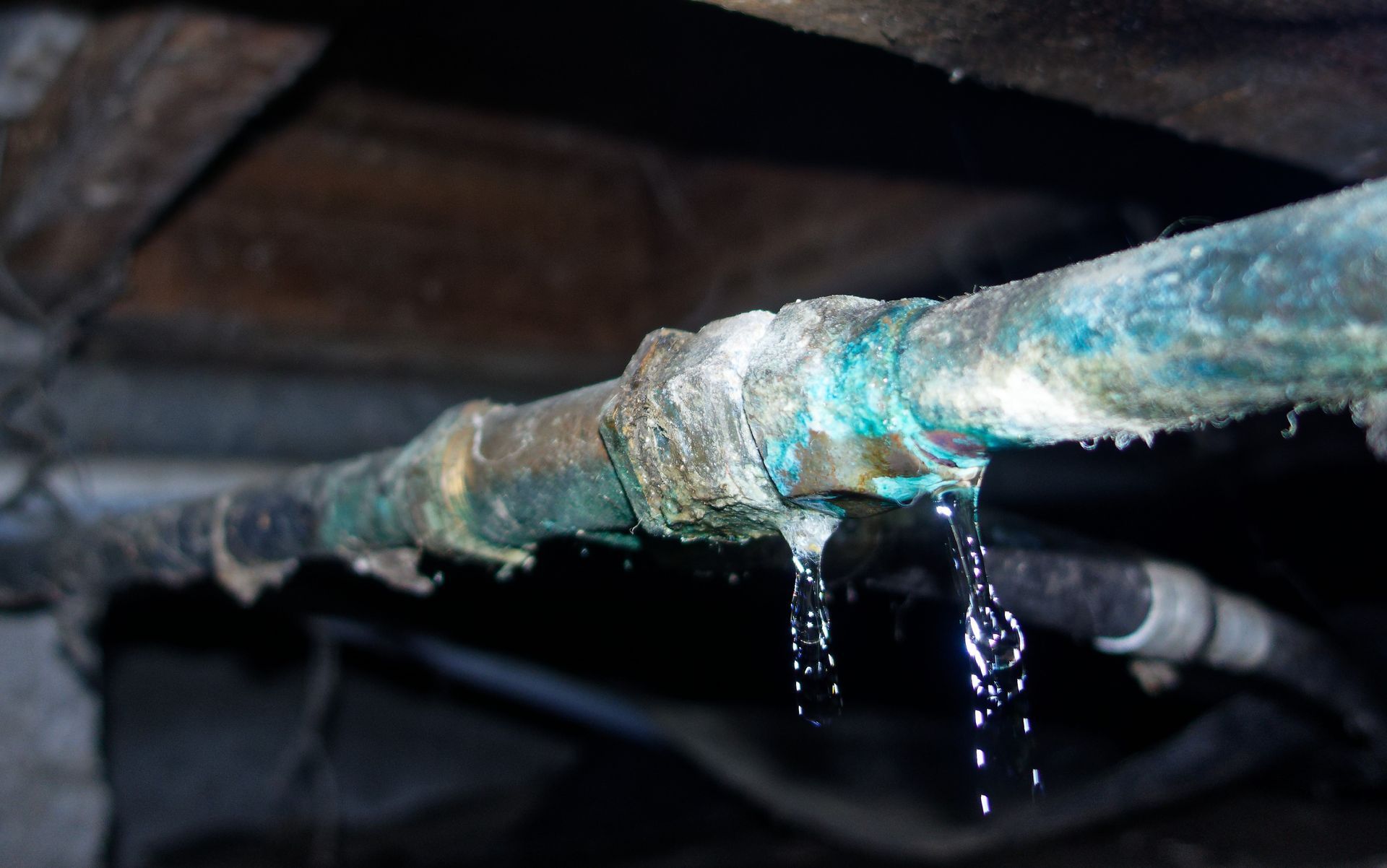
Leaking corroded pipe with water dripping in a dark crawl space
By Flynn & Co. • August 6, 2026
Northeast Ohio freezes can turn exposed or poorly insulated plumbing into a major water-loss risk.