How to Spot Wind-Damaged Siding After an Aurora, Ohio Storm
Wind-damaged siding is not always obvious from the street. A panel can remain attached while its locking edge has separated, fasteners have loosened, or a crack has opened around a corner, window, or trim board. Once the wall assembly is exposed, wind-driven rain can reach sheathing, insulation, and interior finishes.
After an Aurora storm, homeowners should inspect the property from the ground, document anything unusual, and look inside for signs that water has already entered. Avoid ladders and close contact with unstable panels until conditions are dry and safe.
How Wind Damages Siding
Wind creates pressure on one side of a home and suction on another. Gusts can lift panel edges, pull fasteners through attachment slots, separate seams, and loosen trim. Debris can also strike the wall and cause cracks, punctures, dents, or broken corners.
Damage often concentrates near rooflines, corners, gable ends, windows, doors, utility penetrations, and large open exposures. Homes near trees may also have scratches or impact damage from branches that moved against the siding.
Inspect the Exterior Safely From the Ground
Walk around the home only after lightning, strong winds, and falling-debris hazards have passed. Use binoculars or a camera zoom to examine upper walls rather than climbing a wet ladder. Stay away from downed power lines, hanging branches, broken glass, and visibly unstable materials.
- Missing panels or sections that appear out of alignment
- Lifted lower edges, open seams, or separated corner trim
- Cracks, holes, dents, or chipped finishes
- Loose soffit, fascia, shutters, vents, or light fixtures
- Exposed building wrap, sheathing, or insulation
- Pieces of siding or trim on the ground
Compare each side of the home because the strongest damage may be limited to the wall that faced the wind or received debris impact.
Signs of Damage by Siding Type
Vinyl Siding
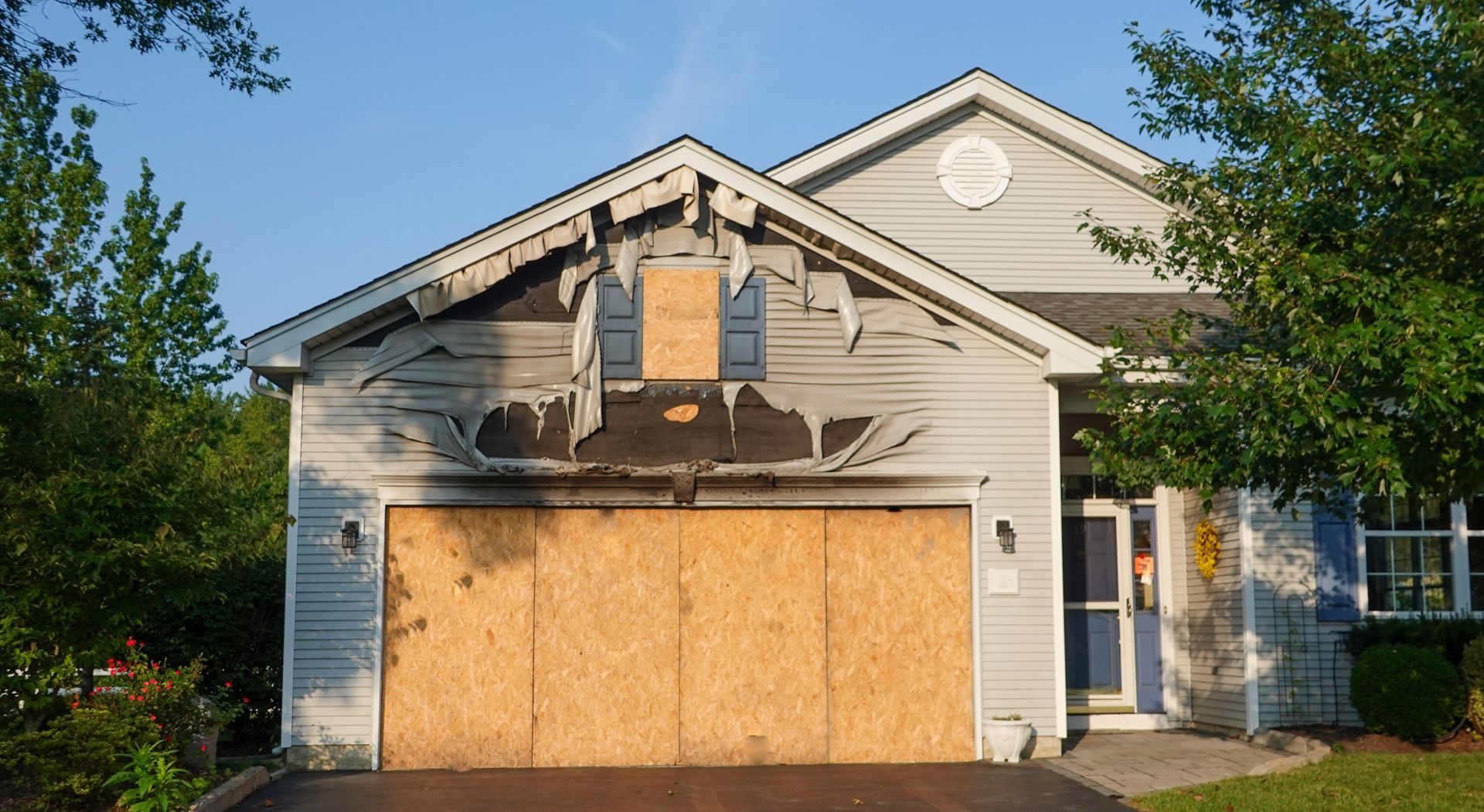
Vinyl panels may crack, bend, unlock, or pull away from fasteners. A panel can look intact from a distance while its edge moves in the wind or leaves a narrow opening at a seam.
Aluminum or Metal Siding
Metal siding often shows dents, creases, scratches, or bent trim after debris impact. Damage to the finish can expose the material to corrosion, and distorted panels may no longer shed water correctly.
Fiber Cement, Wood, and Engineered Siding
These materials may split, chip, loosen, or open at joints. Look closely at paint breaks, caulked transitions, and areas where a board has shifted away from the wall.
Check Inside for Water and Air Leaks
Exterior siding is part of a larger wall system. When wind opens seams or damages flashing, rain may reach the weather barrier and find a path around windows, doors, outlets, and framing.
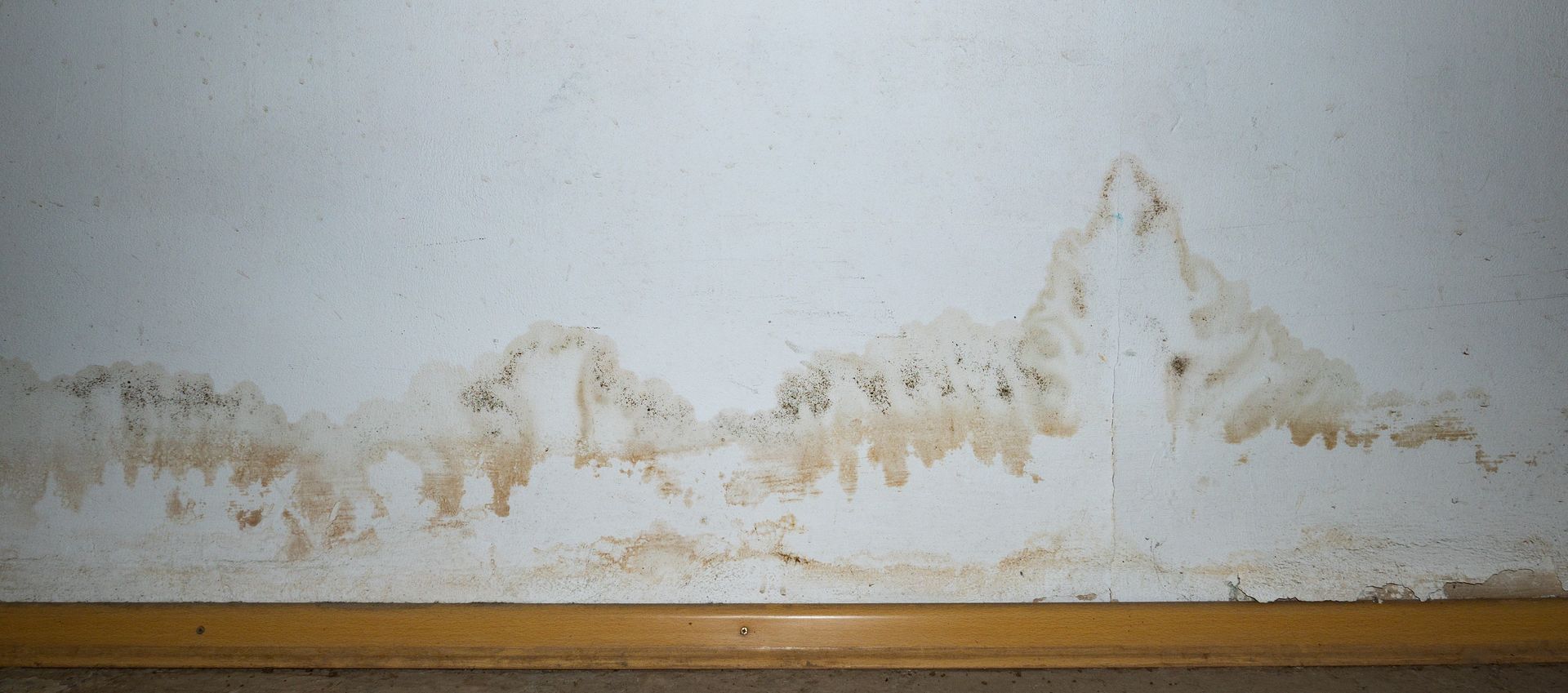
Inspect storm-facing rooms for fresh stains, damp trim, soft drywall, bubbling paint, musty odors, or new drafts. Check the basement rim-joist area and the level below damaged windows as well. A small interior stain may indicate a larger wet area inside the wall.
Why Hidden Moisture Matters
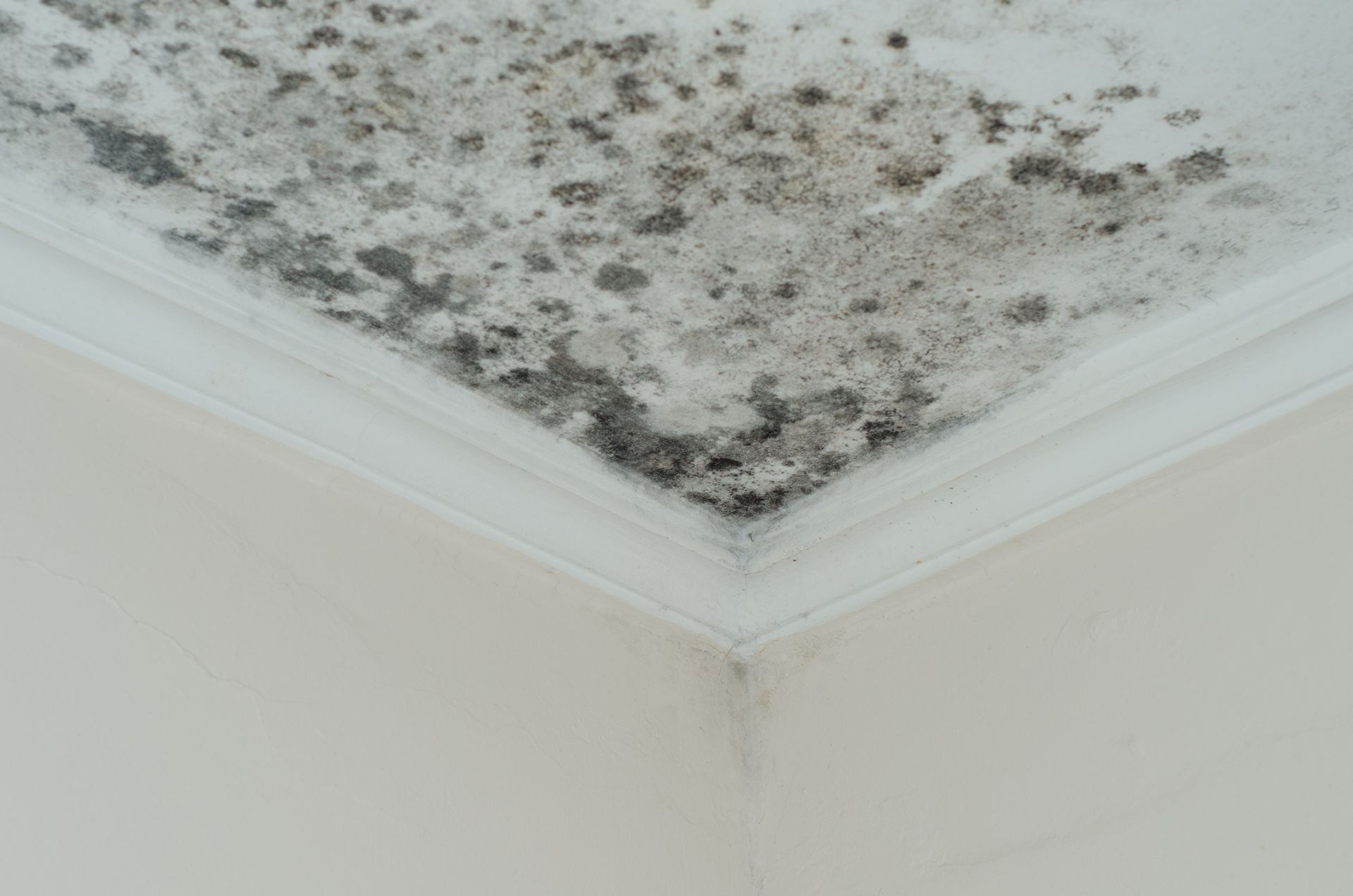
Water behind siding can wet sheathing and insulation without immediately appearing indoors. If the wall cannot dry, wood products may swell or deteriorate, insulation can lose performance, and mold may develop on damp porous surfaces.
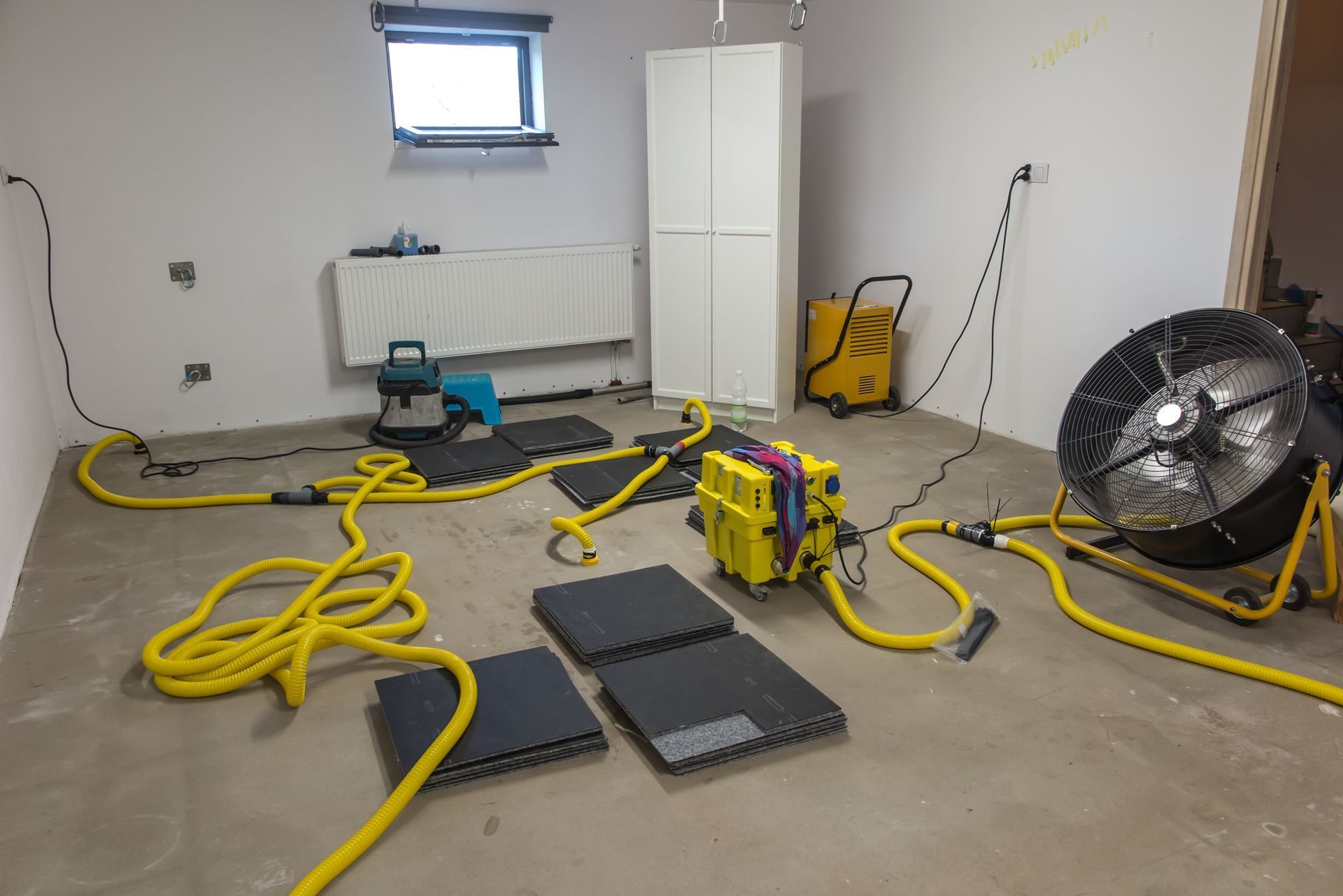
When interior moisture is suspected, Flynn & Co. can provide water damage restoration in Aurora, including moisture assessment, controlled drying, and removal of materials that cannot be restored.
Document Storm Damage Before Repairs
Take a wide photo of every side of the home, then capture closer images of damaged panels, trim, windows, and debris. Photograph the direction of fallen branches and any interior staining. Include a familiar object or measuring tape for scale only when you can do so safely.
Record the storm date, when the damage was noticed, and any temporary protection installed. Save contractor reports, weather information, estimates, receipts, and communication with the insurer. The carrier decides coverage, but a clear visual timeline helps explain the condition before repairs changed it.
Temporary Protection Should Not Cause More Damage
Loose panels should be secured by someone familiar with the siding system. Nailing through the face, forcing panels together, or applying the wrong tape or sealant can damage reusable material and trap water.
Flynn & Co. provides storm damage restoration that can include emergency weather protection, evaluation of related water damage, and coordination of exterior and interior work.
Repair or Replace the Siding?
Isolated damage may be repairable when matching panels are available and the surrounding system remains secure. Broader replacement may be appropriate when many panels are loose, the material is brittle, weather barriers are damaged, or an acceptable match cannot be found.
A complete inspection should also consider trim, flashing, soffits, fascia, windows, and wall sheathing. Flynn & Co. can coordinate exterior and interior repairs after the wall is protected and any wet materials are dry.
Frequently Asked Questions
Can wind damage siding without removing a panel?
Yes. Fasteners can loosen, locks can disengage, and cracks can form while the panel remains on the wall. Movement, open seams, or a new rattle during wind may indicate hidden attachment damage.
Should I inspect the inside of my home?
Yes. Look for staining, soft drywall, damp trim, peeling paint, drafts, and musty odors on storm-facing walls and around windows or doors.
Why would a contractor test moisture after siding damage?
Testing can locate water behind finishes where an exterior visual inspection cannot reach. It also helps confirm whether drying is needed before the wall is closed or repaired.
Can siding repairs wait?
Exposed sheathing, open seams, and unstable panels should receive prompt attention. Temporary protection can reduce additional water entry while the permanent repair scope is determined.
Get Help With Wind-Damaged Siding in Aurora
If a storm has loosened siding or allowed water into your home, document the damage and keep away from unstable materials. Call (330) 432-7414 or contact Flynn & Co. to request an assessment.
Related Services
Restoration and Construction Services for Northeast Ohio Property Owners:
When water, fire, storms, mold, or structural damage affects your property, Flynn & Co. is ready to help. Our experienced team provides complete restoration and construction services for homes and businesses throughout Northeast Ohio.
Water Damage Restoration
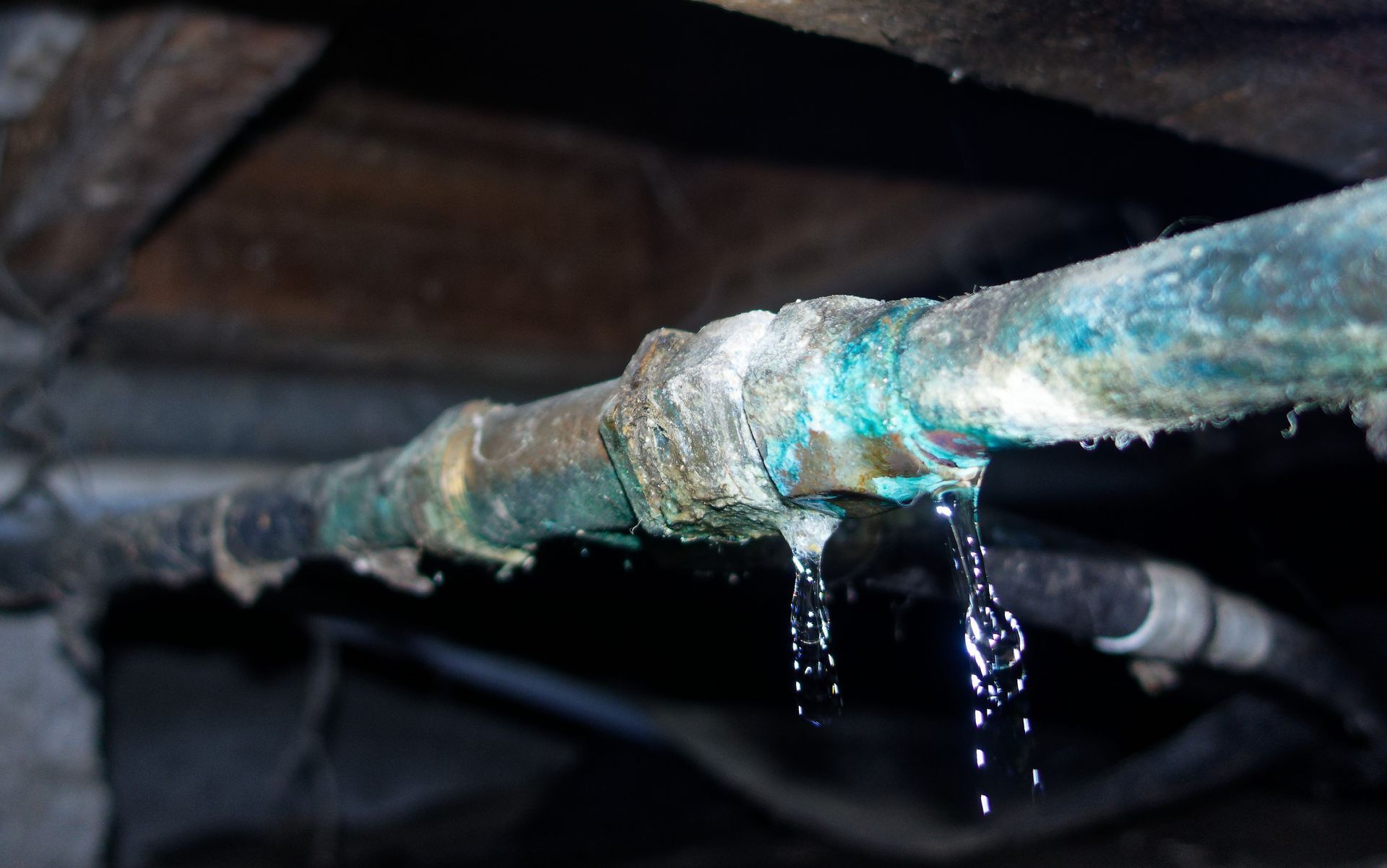
From plumbing leaks and appliance failures to flooded basements, we locate the source of the water, remove moisture, dry affected materials, and repair the damage.
Fire and Smoke Damage Restoration
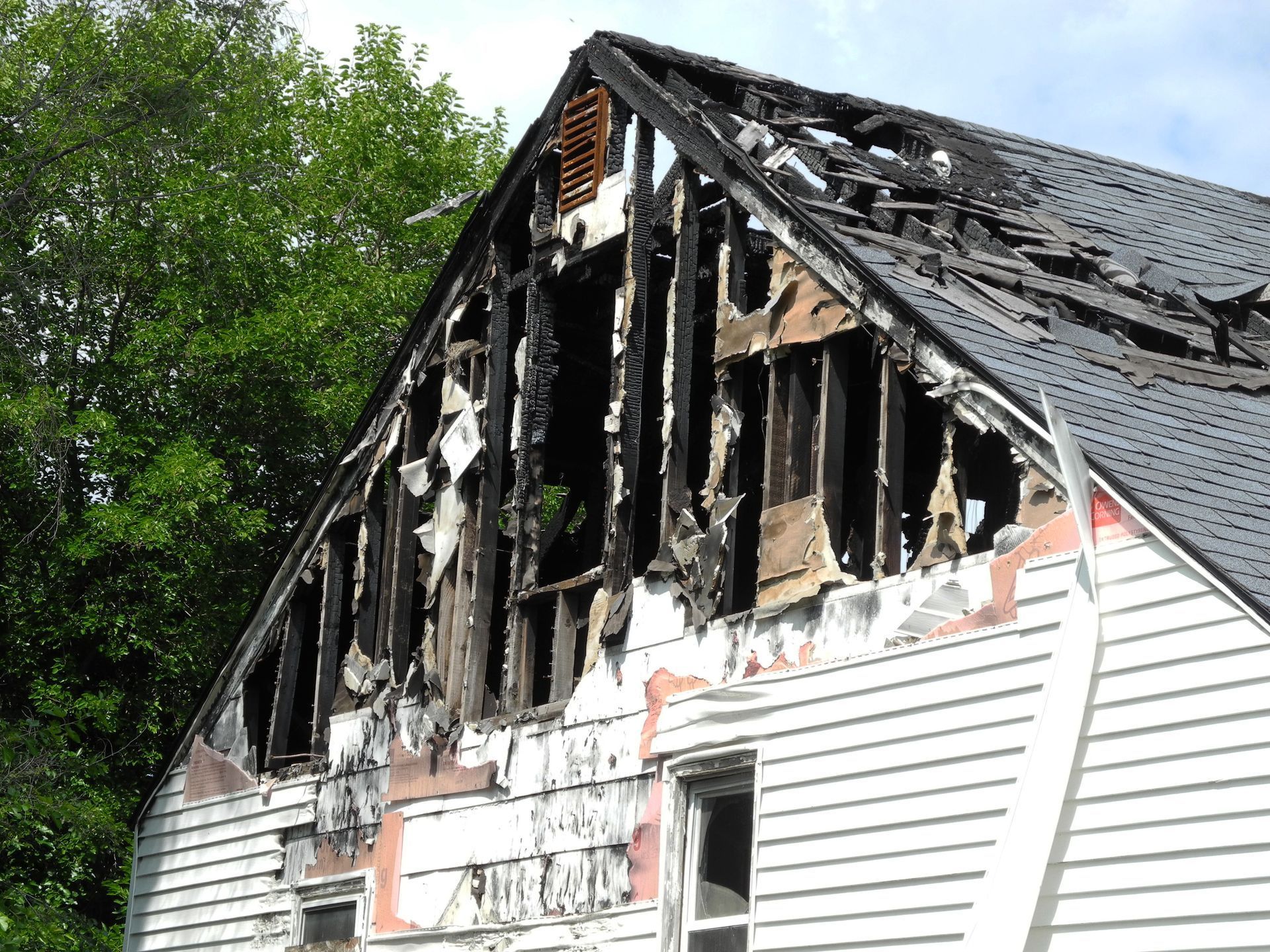
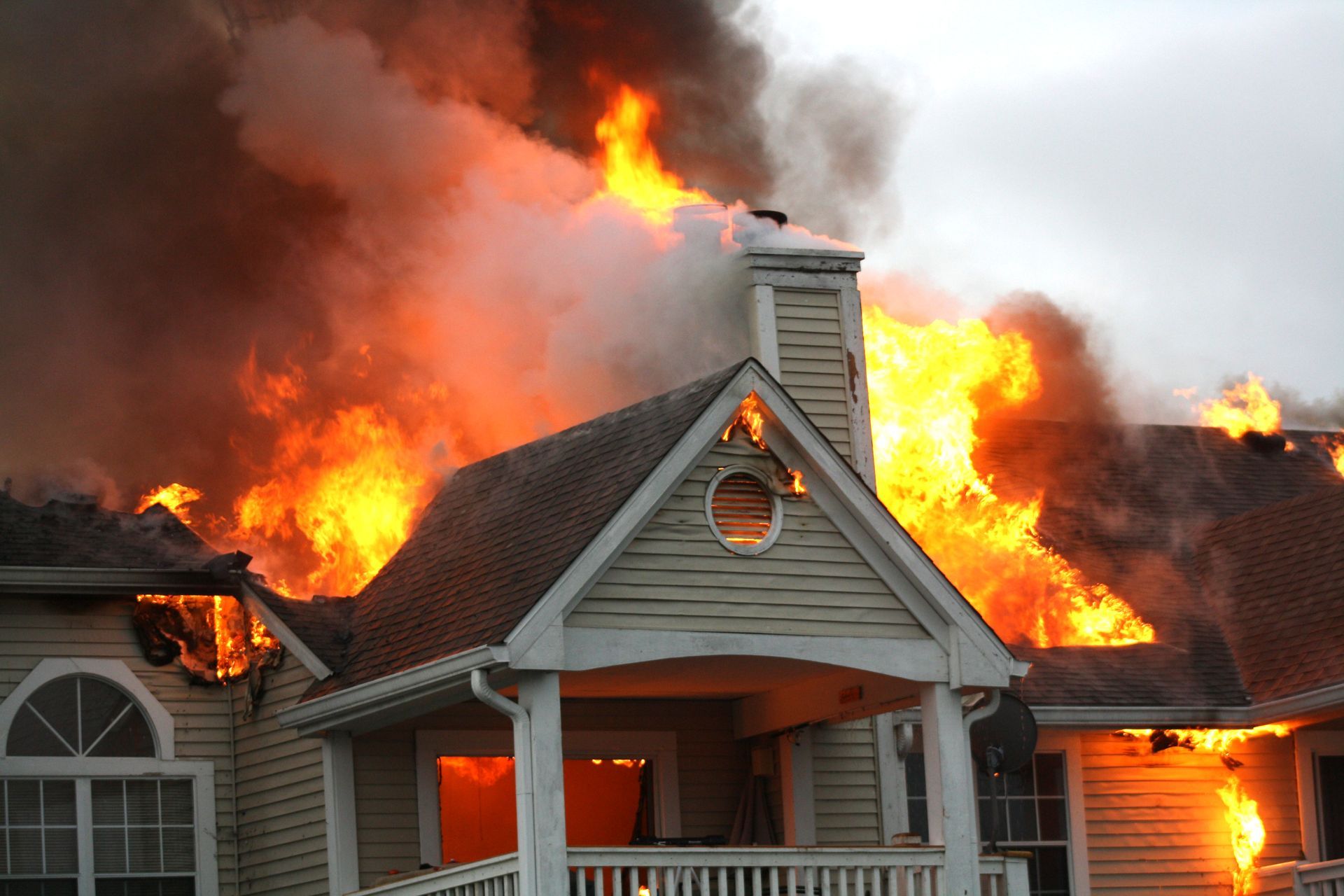
We help property owners recover after a fire with cleanup, smoke and odor removal, damage restoration, and reconstruction services.
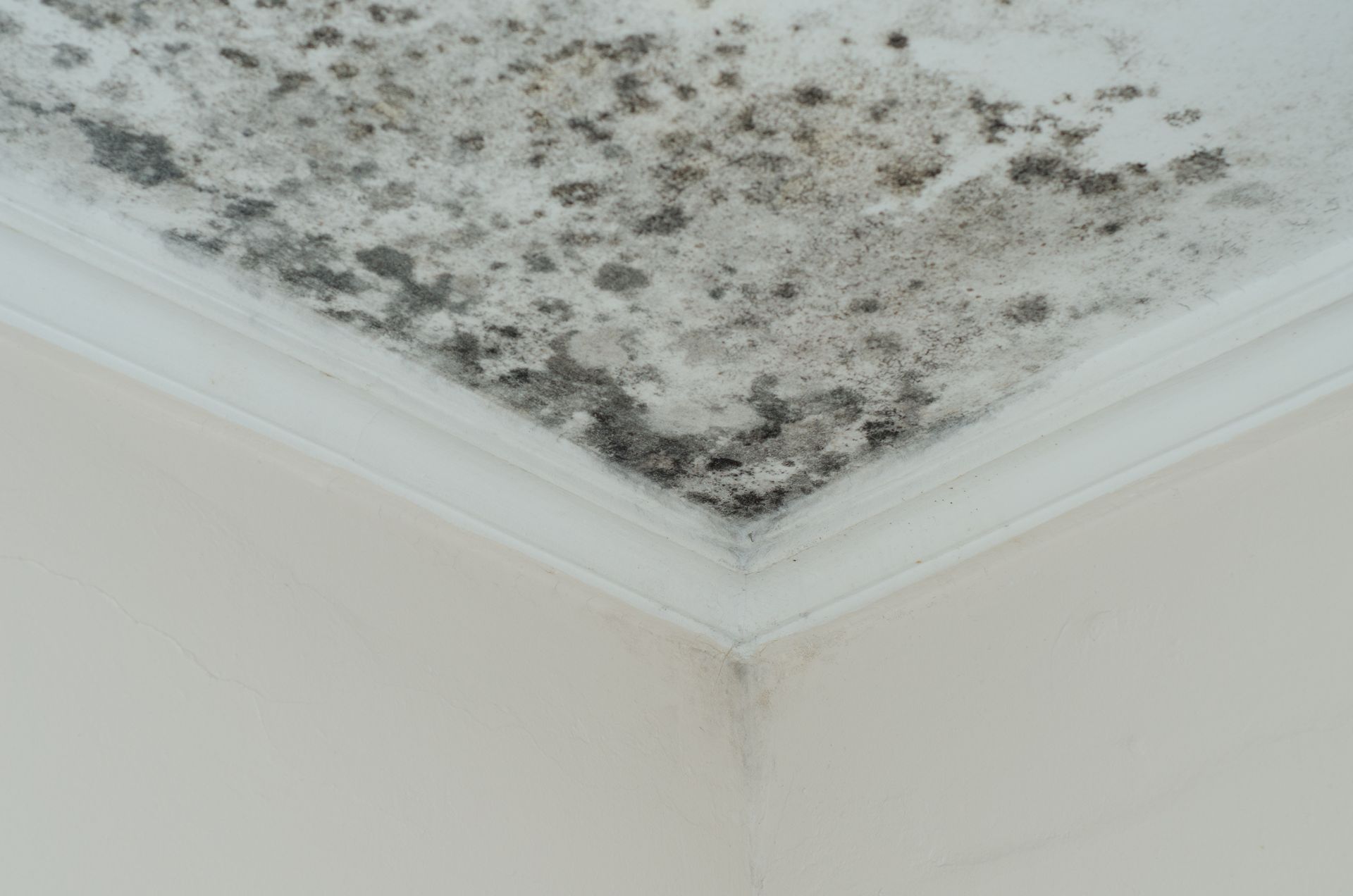
Our team identifies affected areas, safely removes mold-contaminated materials, addresses excess moisture, and helps restore a healthier indoor environment.
Storm Damage Restoration
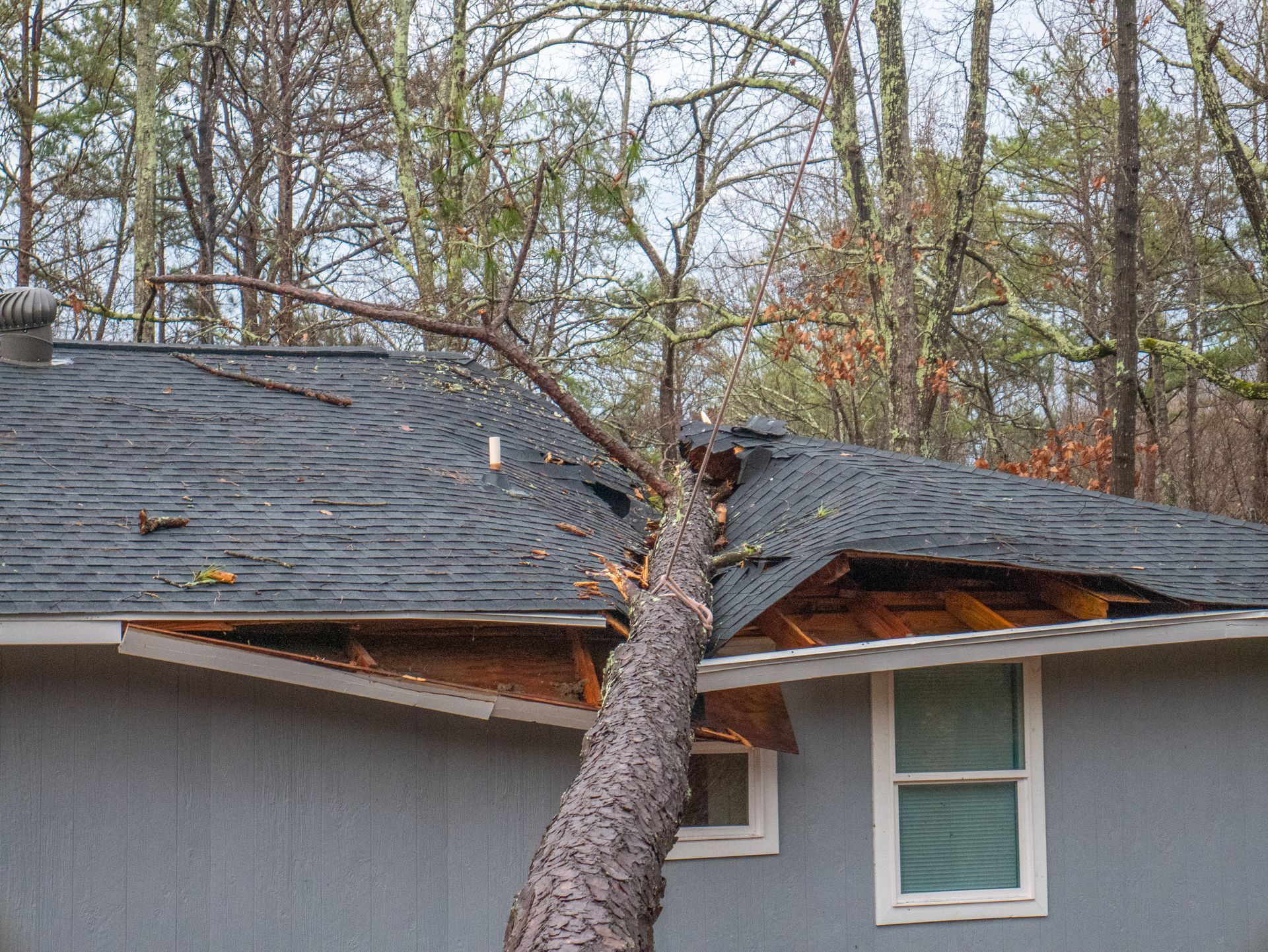
When severe weather damages your roof, siding, interior, or other parts of your property, we provide prompt repairs and complete restoration assistance.
Remodeling and Construction
Flynn & Co. also provides professional remodeling, reconstruction, and general construction services for homeowners ready to repair or improve their property.
Need Help Restoring Your Northeast Ohio Property?
Whether you are dealing with water, fire, smoke, mold, or storm damage—or planning a remodeling project—Flynn & Co. can help you determine the right next step. Contact our experienced team to schedule an assessment for your home or business.