Can You Remodel While Repairing Water Damage in a Macedonia Home?
Repairing a home after water damage often creates an opportunity to improve the space, but restoration and remodeling have to happen in the right order. For Macedonia homeowners, the first priorities are stopping the water source, removing materials that cannot be saved, drying the structure, and documenting the loss. Once those steps are complete, planned upgrades can sometimes be incorporated into the reconstruction phase.
The key is to separate insurance-covered restoration work from owner-selected improvements. A clear scope, documented drying results, and written change orders help keep the project moving without confusing necessary repairs with optional remodeling.
When Remodeling During Reconstruction Makes Sense
Water damage may require removal of drywall, insulation, flooring, cabinets, trim, or other finishes. If a room is already open for necessary repairs, it may be practical to update its layout, materials, lighting, storage, or finishes before everything is rebuilt.
This can reduce duplicate demolition and avoid disturbing newly completed work later. It may also make sense when a damaged material is discontinued, when matching an older finish is difficult, or when the repair affects most of a room.
Restoration Must Come Before Improvements
Remodeling should not begin while the source is active or materials remain wet. Covering damp framing, subflooring, or wall cavities can trap moisture and contribute to odors, material failure, or mold growth.
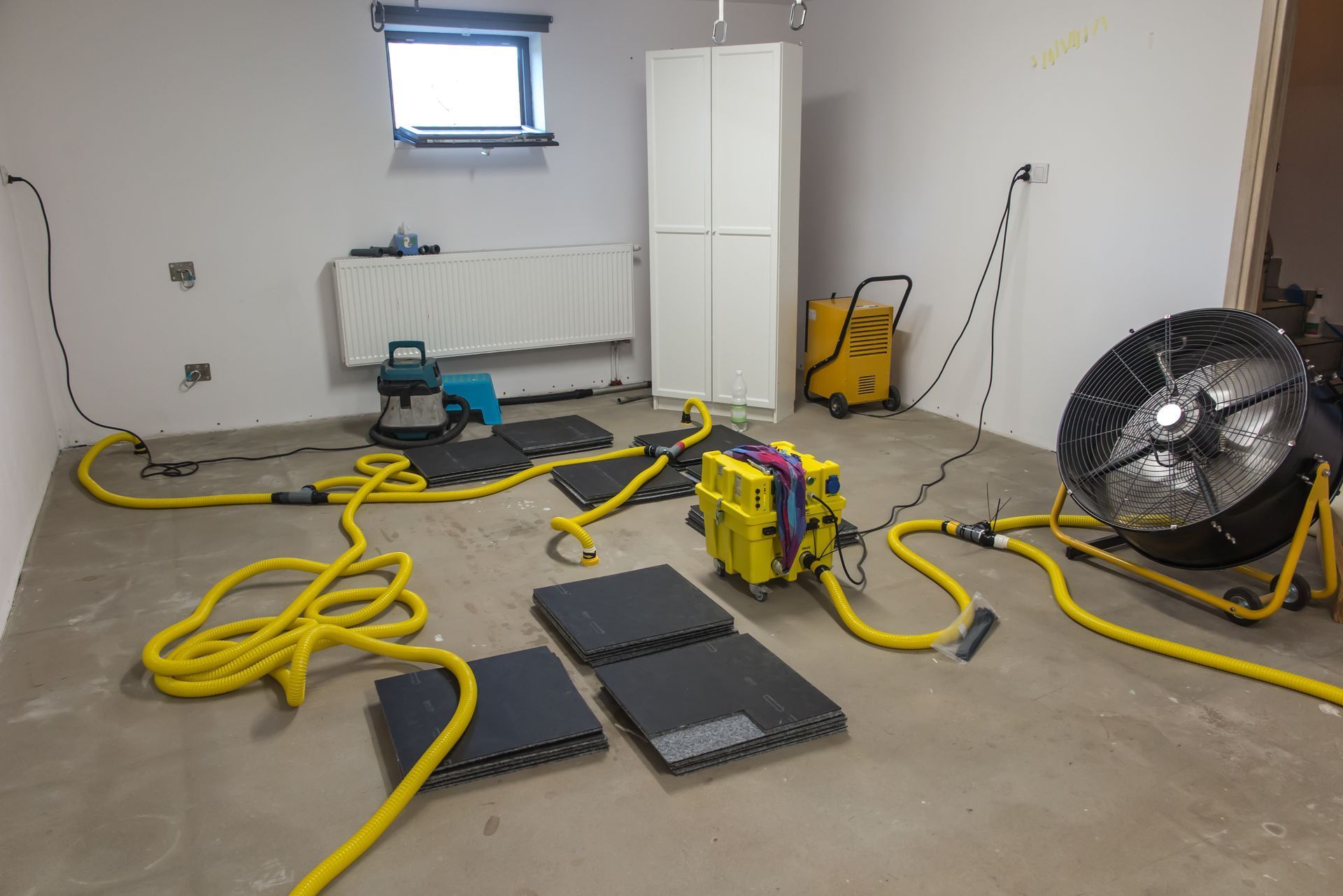
The restoration sequence typically starts with emergency protection, water extraction, controlled demolition, cleaning, and structural drying. Flynn & Co. provides water damage restoration in Macedonia to help identify affected materials, establish drying goals, and prepare the property for safe repairs.
How the Scope Is Divided
Necessary Restoration Work
This portion returns damaged areas to their pre-loss condition. Depending on the loss and policy, it may include removing unsalvageable materials, drying the building, replacing comparable drywall or flooring, painting repaired surfaces, and reinstalling trim or fixtures.
Owner-Selected Upgrades
Upgrades go beyond restoring what was there before. Examples include premium flooring, custom cabinetry, a redesigned bathroom, additional lighting, upgraded trim, moving a nonstructural wall, or changing a basement layout.
Code-Required Work
Some repairs trigger current building, electrical, plumbing, or energy-code requirements. These items are not simply cosmetic upgrades. They should be identified separately so the homeowner, contractor, insurer, and local officials understand why the work is required.
What Insurance May and May Not Cover
Coverage depends on the cause of loss, the policy, exclusions, deductibles, and endorsements. Insurance generally evaluates the reasonable cost to repair covered damage with materials of similar kind and quality. It usually does not pay for voluntary upgrades beyond that baseline.
For example, if covered water damage ruins a standard laminate floor, the repair allowance may be based on a comparable replacement. A homeowner can often choose a higher-cost product, but the price difference and any related labor may become an out-of-pocket upgrade.
Keep the restoration estimate, upgrade selections, allowances, invoices, and change orders separate. This creates a cleaner record for the claim and helps prevent questions about which costs resulted from the loss.
Plan the Project Before Reconstruction Starts
- Confirm the water source is repaired. A failed supply line, appliance, drain, roof opening, or foundation problem must be addressed before finishes return.
- Document the damaged condition. Photograph rooms, materials, contents, and demolition before work changes the scene.
- Reach the drying goal. Moisture readings should show that affected structural materials are ready for reconstruction.
- Finalize the covered repair scope. Identify what is being replaced and the assumptions behind quantities, finishes, and labor.
- Choose upgrades early. Layout changes and long-lead materials can affect permits, scheduling, and trade coordination.
- Use written change orders. Each upgrade should describe the added work, price, schedule impact, and payment responsibility.
Questions to Ask Before Combining Restoration and Remodeling
Will the Upgrade Delay the Repair?
Custom cabinets, specialty flooring, windows, or fixtures can have long lead times. Decide whether the home can remain partially unfinished or whether temporary solutions are needed.
Does the Change Require a Permit?
Structural changes and many electrical, plumbing, and mechanical alterations may require permits or inspections. Confirm requirements before demolition goes beyond the approved restoration scope.
Could the Change Affect Other Rooms?
Moving walls, changing cabinetry, or replacing only part of a continuous floor can expand the project. The contractor should identify transitions, tie-ins, and finish-matching issues before work begins.
Who Is Responsible for the Added Cost?
Upgrade pricing should show credits for covered materials when applicable and the homeowner’s additional cost. Written approval protects everyone from misunderstandings.
Why One Coordinated Reconstruction Plan Helps
A restoration project involves moisture control, demolition, estimating, trade scheduling, material selection, inspections, and finish work. When those pieces are managed separately, gaps can occur between mitigation and rebuilding.
Flynn & Co. provides repairs and reconstruction after property damage. A coordinated plan helps carry documented conditions and repair requirements from the drying phase into framing, drywall, flooring, cabinetry, painting, and final completion.
Watch for Hidden Moisture Before Closing Walls
Visible surfaces may dry before insulation, wall cavities, sill plates, subflooring, or the underside of cabinets. If water remained trapped or the loss was discovered late, the repair plan may need controlled removal and a closer assessment.
When microbial growth is present, professional mold remediation may be needed before reconstruction. Closing a wall over unresolved moisture or contamination can turn a repair project into a recurring problem.
Practical Upgrade Ideas During Water-Damage Repairs
- Use water-resistant flooring in a basement, laundry room, or utility area.
- Improve access to shutoff valves, cleanouts, sump equipment, or plumbing connections.
- Add storage or revise cabinet layouts while walls and floors are already open.
- Upgrade lighting and electrical placement when permitted work is already planned.
- Choose removable access panels near equipment that may need future service.
- Improve transitions between repaired rooms and adjoining undamaged finishes.
Materials marketed as water resistant are not waterproof, and no finish replaces proper drainage, plumbing maintenance, humidity control, or leak detection. Select improvements based on how the room is used and the most likely future risks.
Frequently Asked Questions
Can insurance money be applied toward a remodeling upgrade?
A homeowner may be able to apply the covered repair allowance toward a different selection, but voluntary cost increases are usually the homeowner’s responsibility. Confirm the approach with the insurer and contractor.
Should remodeling decisions wait until demolition is complete?
Initial planning can begin earlier, but final choices are often easier after demolition reveals the structure and the full repair scope.
Can reconstruction start as soon as standing water is removed?
Not necessarily. Affected materials should be cleaned as needed and documented as dry enough for reconstruction before walls, floors, or cabinets are closed.
Is it better to use the same company for mitigation and reconstruction?
A coordinated team can reduce handoff gaps and keep documentation consistent, although homeowners should still review scope, pricing, responsibilities, and insurance requirements.
Plan Water-Damage Repairs and Improvements Together
If your Macedonia home needs repairs after a leak or flood, Flynn & Co. can help coordinate drying, documentation, reconstruction, and practical upgrades. Call (330) 432-7414 or contact Flynn & Co. to request an assessment.
Related Services
Restoration and Construction Services for Northeast Ohio Property Owners:
When water, fire, storms, mold, or structural damage affects your property, Flynn & Co. is ready to help. Our experienced team provides complete restoration and construction services for homes and businesses throughout Northeast Ohio.
Water Damage Restoration
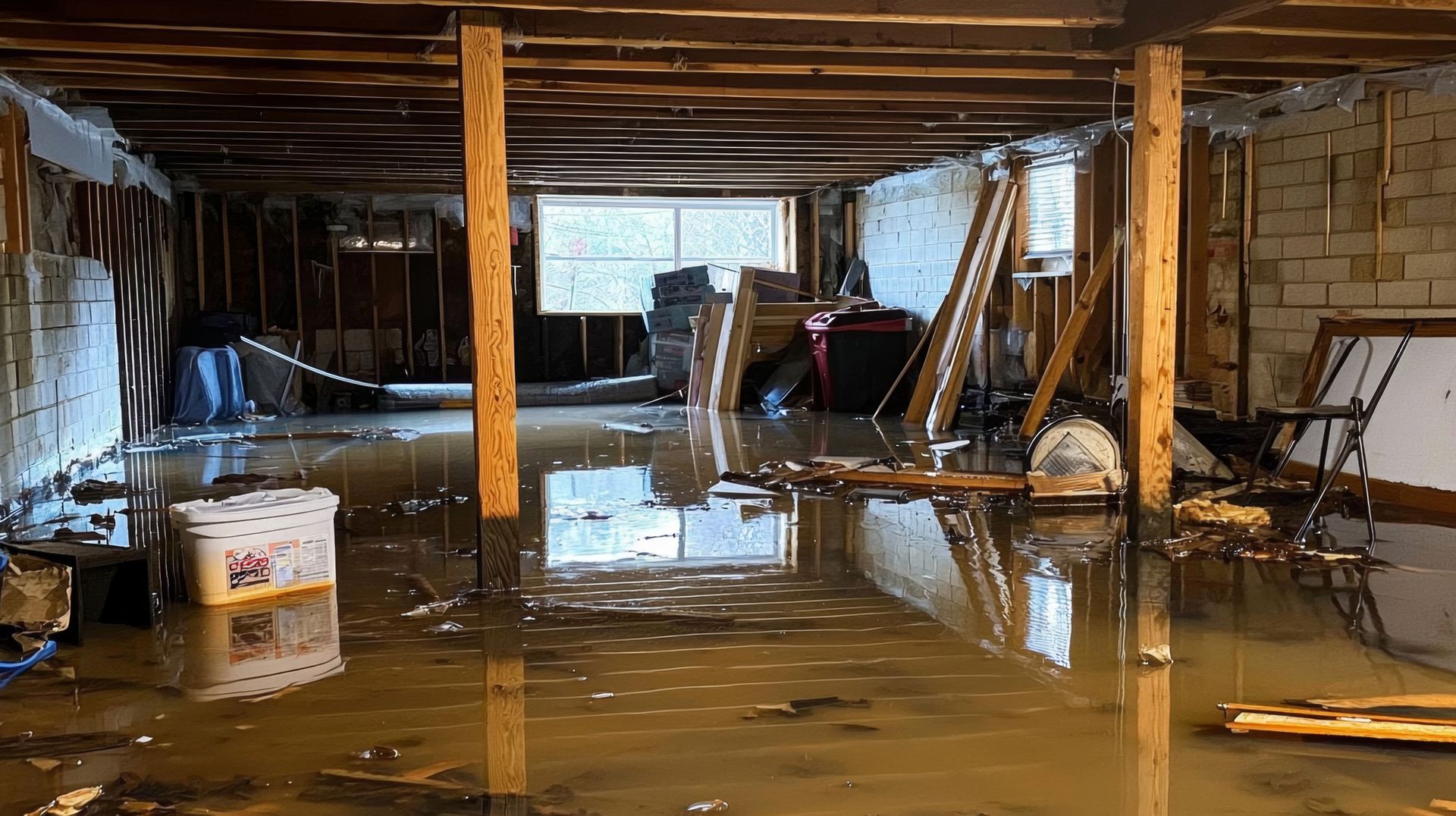
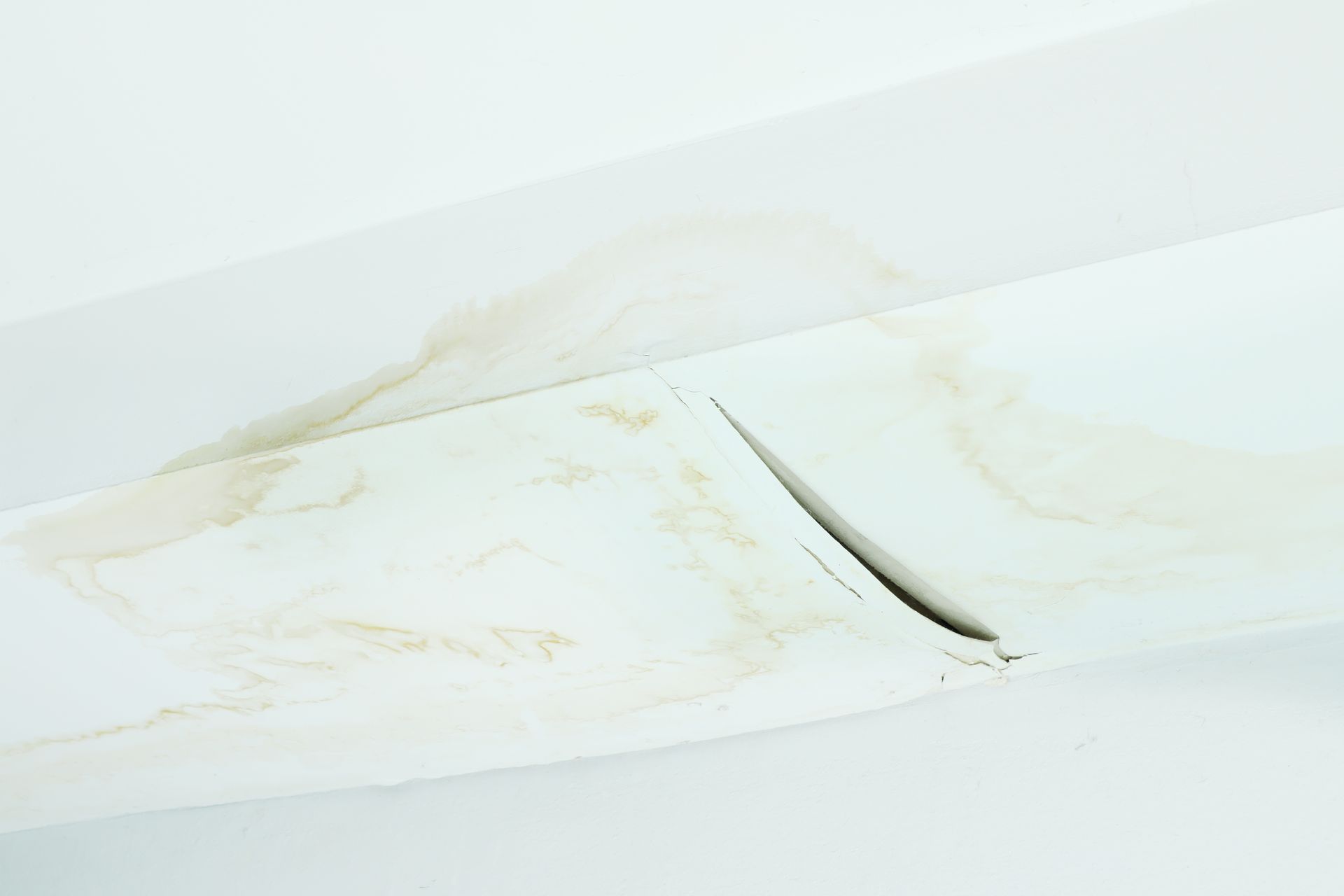
From plumbing leaks and appliance failures to flooded basements, we locate the source of the water, remove moisture, dry affected materials, and repair the damage.
Fire and Smoke Damage Restoration
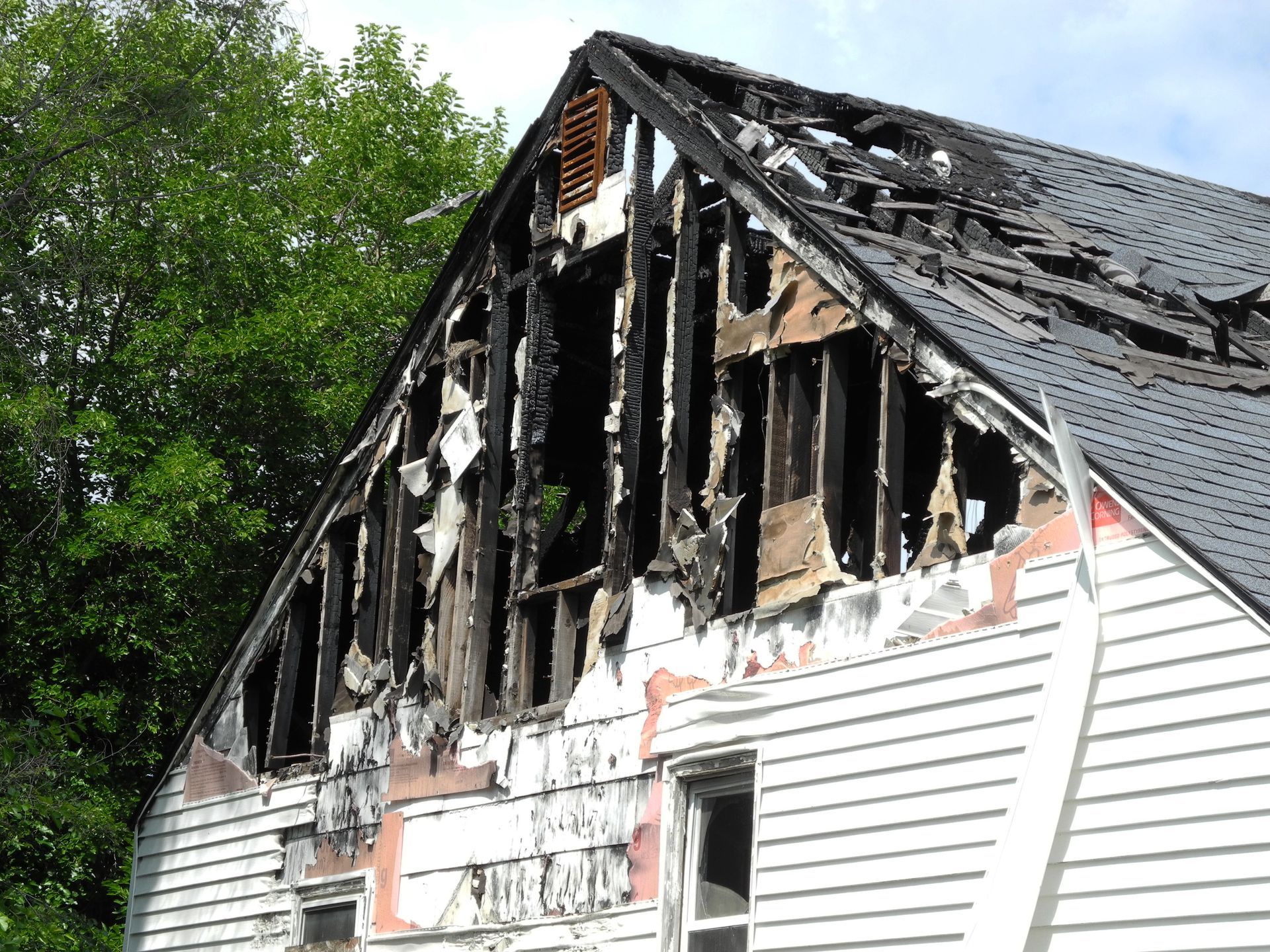
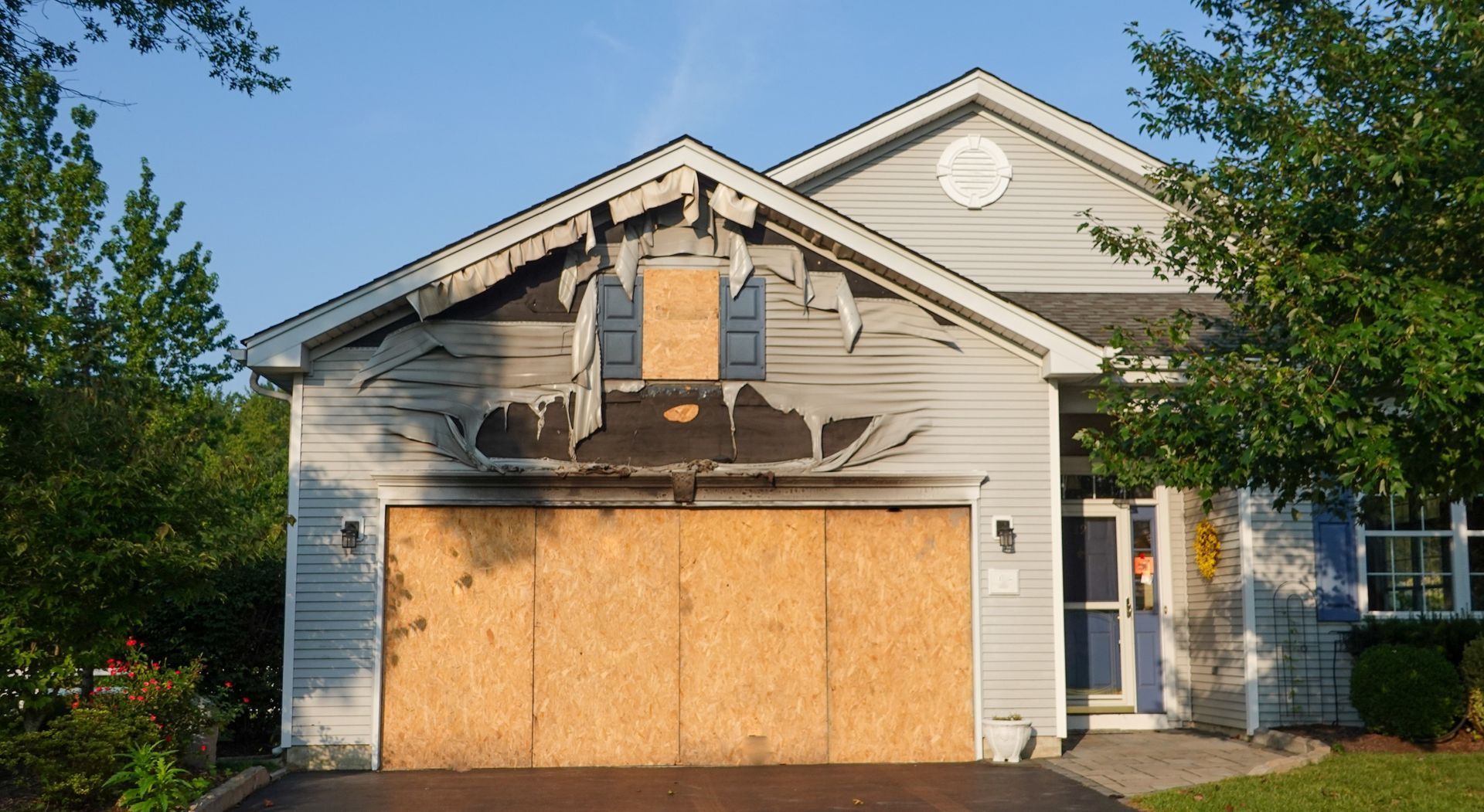
We help property owners recover after a fire with cleanup, smoke and odor removal, damage restoration, and reconstruction services.
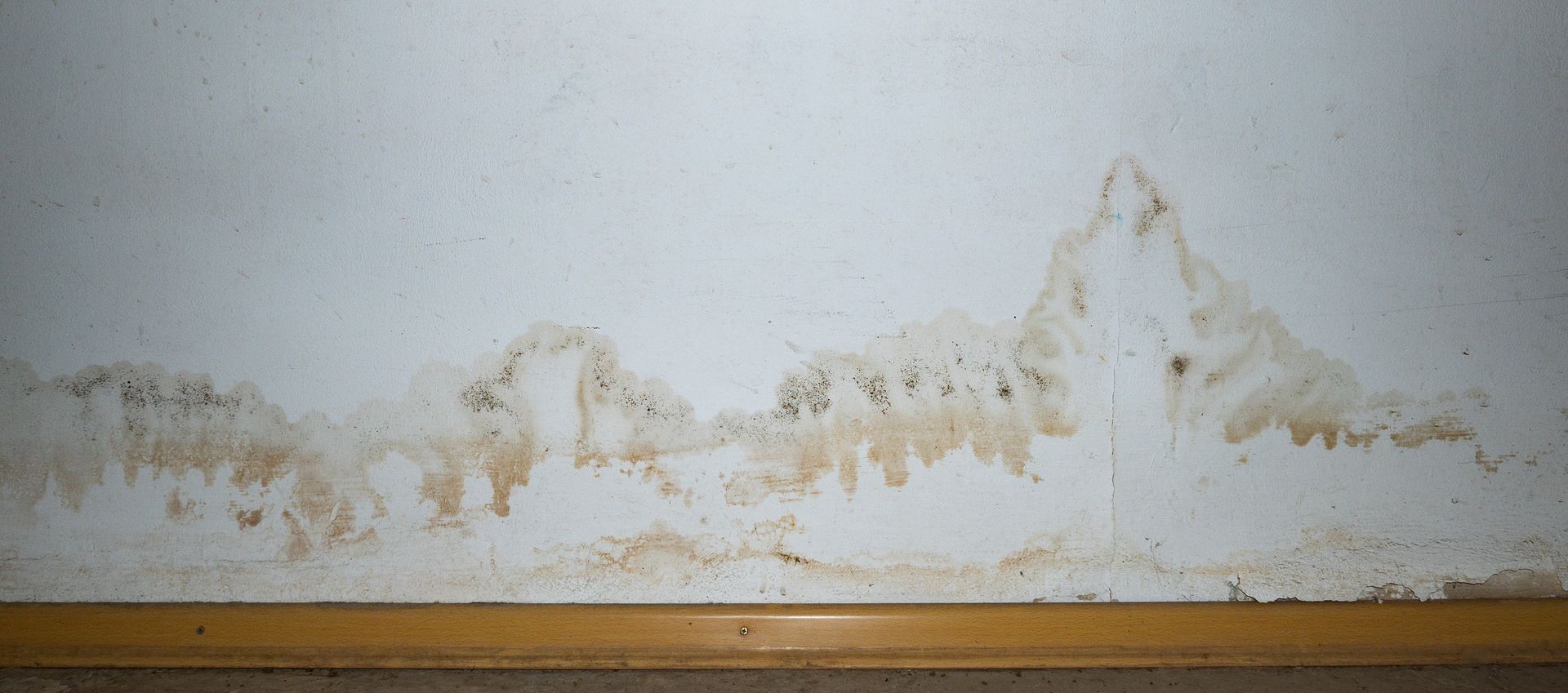
Our team identifies affected areas, safely removes mold-contaminated materials, addresses excess moisture, and helps restore a healthier indoor environment.
Storm Damage Restoration
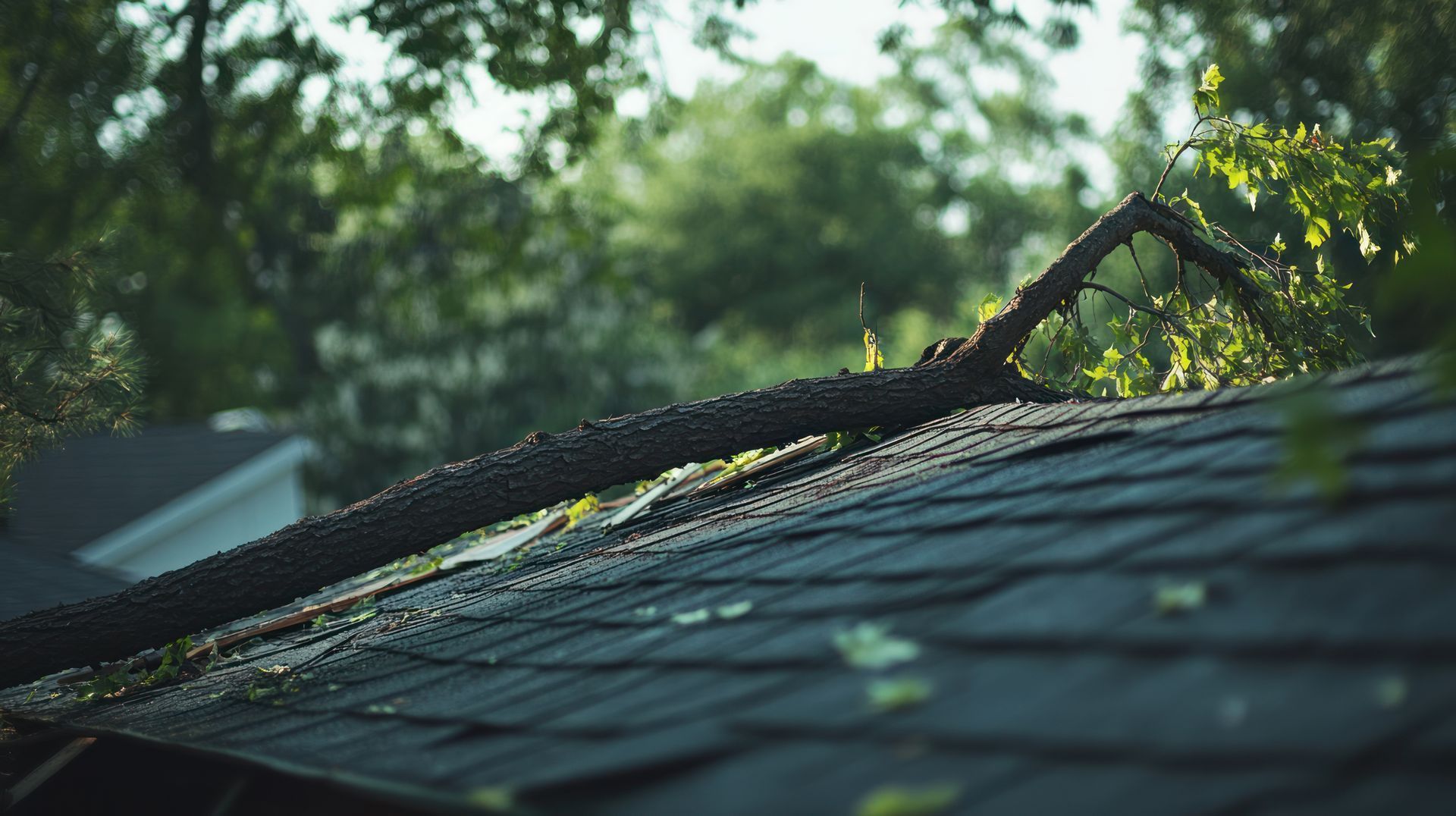
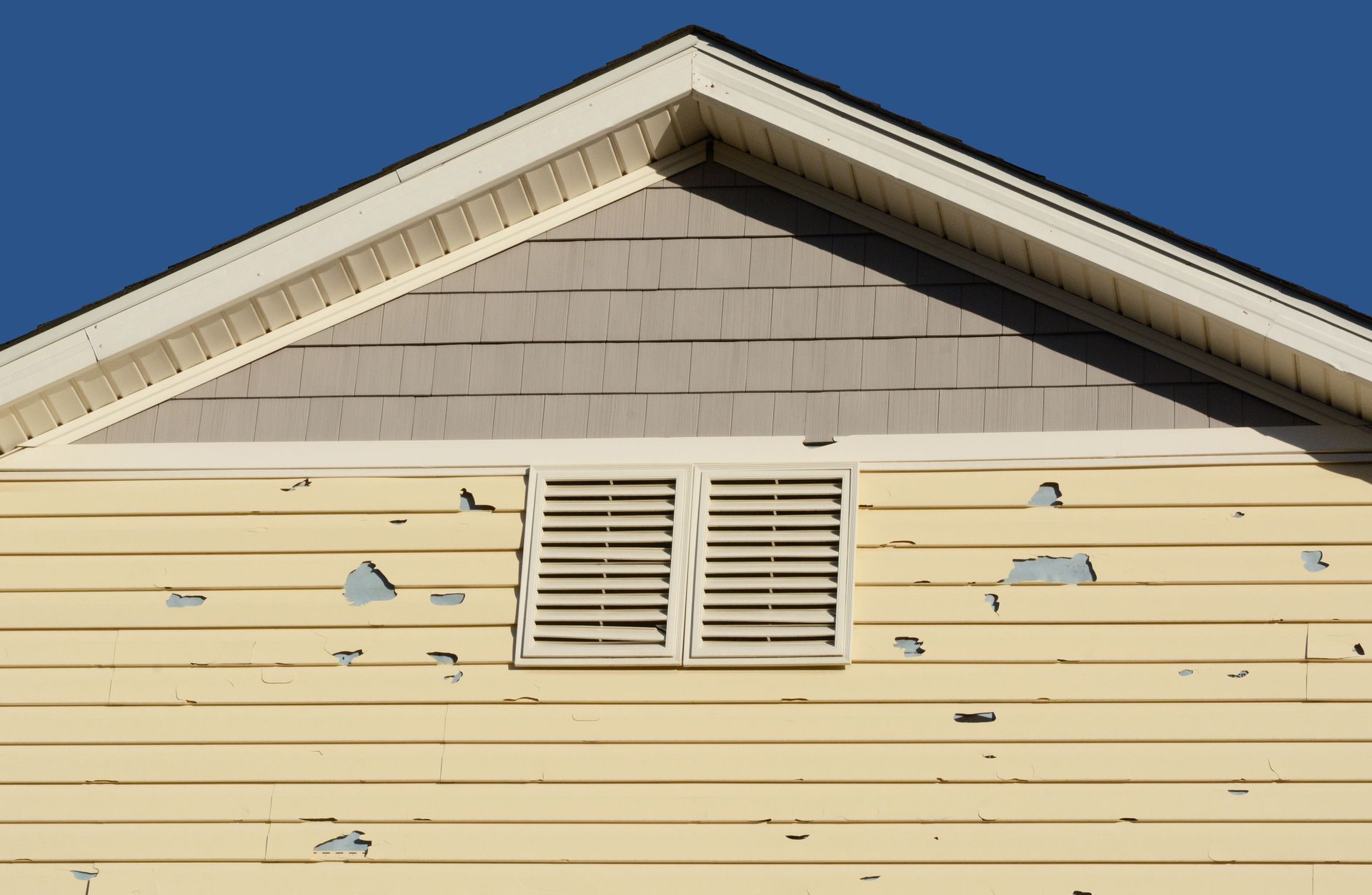
When severe weather damages your roof, siding, interior, or other parts of your property, we provide prompt repairs and complete restoration assistance.
Remodeling and Construction
Flynn & Co. also provides professional remodeling, reconstruction, and general construction services for homeowners ready to repair or improve their property.
Need Help Restoring Your Northeast Ohio Property?
Whether you are dealing with water, fire, smoke, mold, or storm damage—or planning a remodeling project—Flynn & Co. can help you determine the right next step. Contact our experienced team to schedule an assessment for your home or business.