
Can a Wet Hardwood Floor Be Saved After a Leak in Solon?

Flynn & Co. • November 5, 2026

A wet hardwood floor may be restorable, but the answer depends on the flooring assembly, water source, condition, and moisture below the surface. A dry-looking top layer is not enough to decide. Solon homeowners should have the affected floor assessed before sanding, refinishing, or installing new material.

Start With the Entire Floor Assembly

A leak that reaches hardwood does not stop at the visible boards. The affected area may include the finish, wood, underlayment, subfloor, baseboards, and adjacent wall materials. In a Solon kitchen or open living area, continuous flooring can also carry the problem beyond the room where the leak began.

Before asking whether the boards can be saved, ask what is underneath them and how that assembly will be assessed. The same visible stain can represent different repair needs in different buildings. Flynn & Co.’s water damage restoration in Solon focus on the water path and affected materials rather than appearance alone.

What Information Helps the First Assessment?

Tell the restoration team when the leak was discovered, the last time the floor was known to be dry, and whether a plumber or other contractor has stopped the source. If the duration is uncertain, say so. An estimate based on an invented timeline is less useful than an honest description of what is known.

Keep product details if you have them: the flooring brand, construction, installation method, and any leftover boards. Photos from before the loss may also help identify the original condition. These records support decisions without requiring you to pull up flooring to investigate.

Changes in Shape Are Reasons to Inspect

Raised edges, lifting, gaps, discoloration, or a changed feel underfoot deserve attention after a leak. They do not, by themselves, establish whether the whole floor must be replaced. The assessment needs to consider the condition of both the visible material and the supporting layers.

Do not use a rug or new floor covering to hide an affected area while the condition is unresolved. If the leak reached cabinets, wall bases, or another level, those areas belong in the inspection too. A narrow repair boundary should follow the findings, not simply the edge of the puddle.

Why Surface Dryness Is Not the Finish Line

Removing accessible water and assessing the remaining materials are separate tasks. The EPA’s clean-water cleanup guidance specifically calls for attention to the subfloor beneath flooring. It also distinguishes materials that may be dried from those that need removal based on their condition.

Ask how drying progress will be checked and what will determine readiness for the next step. A fixed number of days is not a substitute for assessing the actual assembly. Product requirements and the findings on site should inform decisions about refinishing or replacement.

Questions to Ask Before Sanding or Replacement

Before authorizing finish work, ask whether the source has been corrected, whether concealed moisture has been evaluated, and which materials are included in the proposed scope. Also clarify whether an adjacent room is being inspected or repaired and why.

If replacement is recommended, ask which portions are damaged and what options exist for the transition to retained flooring. Availability of matching material and any optional design changes should be discussed separately from the work required to address the loss.

Keep Drying and Rebuilding Connected

An extraction-only plan may leave you unsure who handles damaged trim, drywall, or flooring afterward. Flynn & Co. provides water damage restoration and repairs and reconstruction, allowing the mitigation findings to inform the repair scope.

Keep written approvals and product selections together. If additional damage becomes visible during agreed removal, ask for an explanation and updated scope before the project moves forward. Clear decisions now are easier to track than reconstructing them after the room is finished.

A Practical Next Step for Solon Homeowners

Arrange an assessment when water has reached flooring layers, swelling appears, or the extent of the loss is unclear. Avoid promising yourself a simple sanding job before the underlying conditions are known.

For a Solon property, the useful question is not just whether the floor looks better today. It is whether the water source, remaining moisture, and damaged materials have all been addressed so the next stage can proceed with a clear plan.

Frequently Asked Questions

Does every wet hardwood floor need replacement?

No. The decision depends on the material, water source, damage, and feasibility of drying the assembly. An inspection is needed before promising restoration or replacement.

Can I decide the floor is dry by touching it?

Touch and appearance do not establish the condition of the layers below. Ask how the affected flooring and substrate are being assessed.

Should sanding be the first step?

No. Resolve the water source and assess the affected assembly before planning finish work. Sanding does not address moisture beneath a floor.

Can Flynn & Co. handle repairs after drying?

Yes. Flynn & Co. provides restoration and construction services for an agreed scope based on the damage found.

Related Services

Learn about water damage restoration in Solon, water damage restoration, and repairs and reconstruction for help with the affected property.

Related Reading

Request Restoration Help in Solon

For help assessing damage and planning the next steps in Solon, call Flynn & Co. at (330) 432-7414 or request an assessment. Emergency restoration assistance is available 24/7.

Sources and Further Guidance

Related Services

Restoration and Construction Services for Northeast Ohio Property Owners:


When water, fire, storms, mold, or structural damage affects your property, Flynn & Co. is ready to help. Our experienced team provides complete restoration and construction services for homes and businesses throughout Northeast Ohio.


Water Damage Restoration
From plumbing leaks and appliance failures to flooded basements, we locate the source of the water, remove moisture, dry affected materials, and repair the damage.


Fire and Smoke Damage Restoration
We help property owners recover after a fire with cleanup, smoke and odor removal, damage restoration, and reconstruction services.


Mold Remediation

 Our team identifies affected areas, safely removes mold-contaminated materials, addresses excess moisture, and helps restore a healthier indoor environment.


Storm Damage Restoration
When severe weather damages your roof, siding, interior, or other parts of your property, we provide prompt repairs and complete restoration assistance.


Remodeling and Construction
Flynn & Co. also provides professional remodeling, reconstruction, and general construction services for homeowners ready to repair or improve their property.

Need Help Restoring Your Northeast Ohio Property?

Whether you are dealing with water, fire, smoke, mold, or storm damage—or planning a remodeling project—Flynn & Co. can help you determine the right next step. Contact our experienced team to schedule an assessment for your home or business.

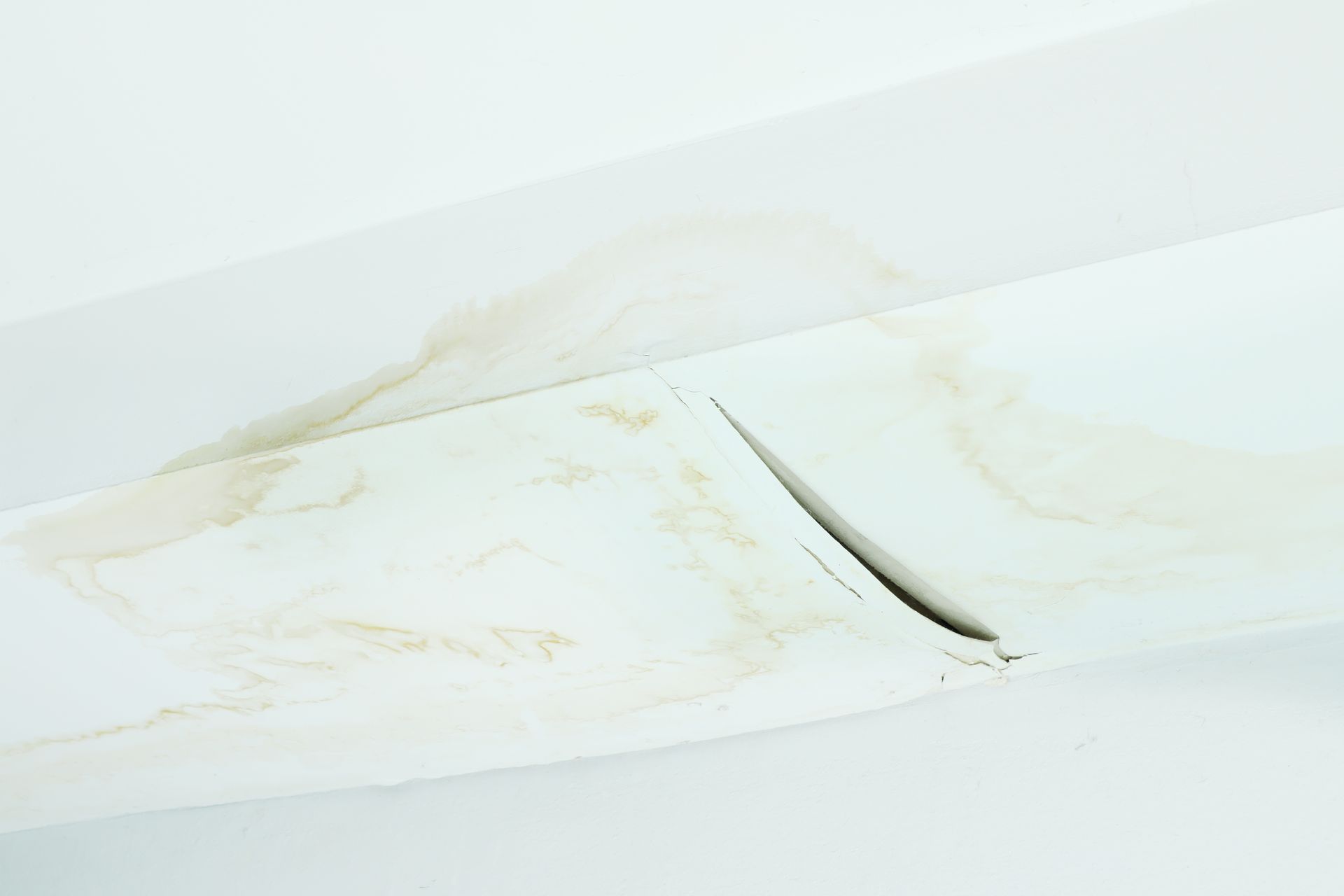
Water stain on ceiling of a home  below a bathroom
By Flynn & Co. • October 29, 2026
An upstairs bathroom leak can travel beneath flooring and into the ceiling below before the full damage is visible. Here is how Northfield homeowners should respond.
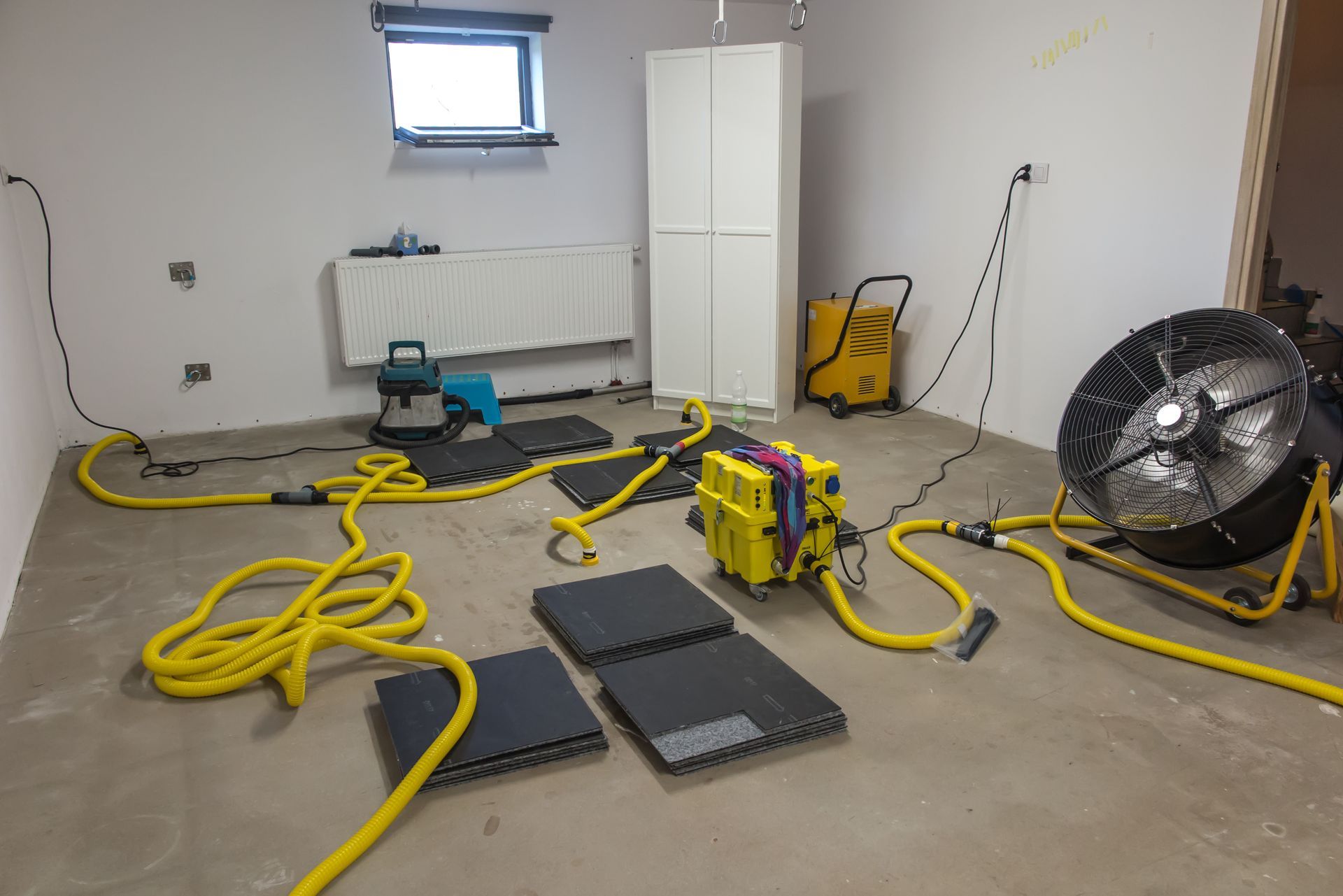
Workshop floor with yellow hoses, tools, a fan, and a white cabinet against a bare wall.
By Flynn & Co. • October 22, 2026
Water-damage reconstruction can be a practical time to improve a room, but drying and covered repairs must be clearly separated from owner-selected upgrades.
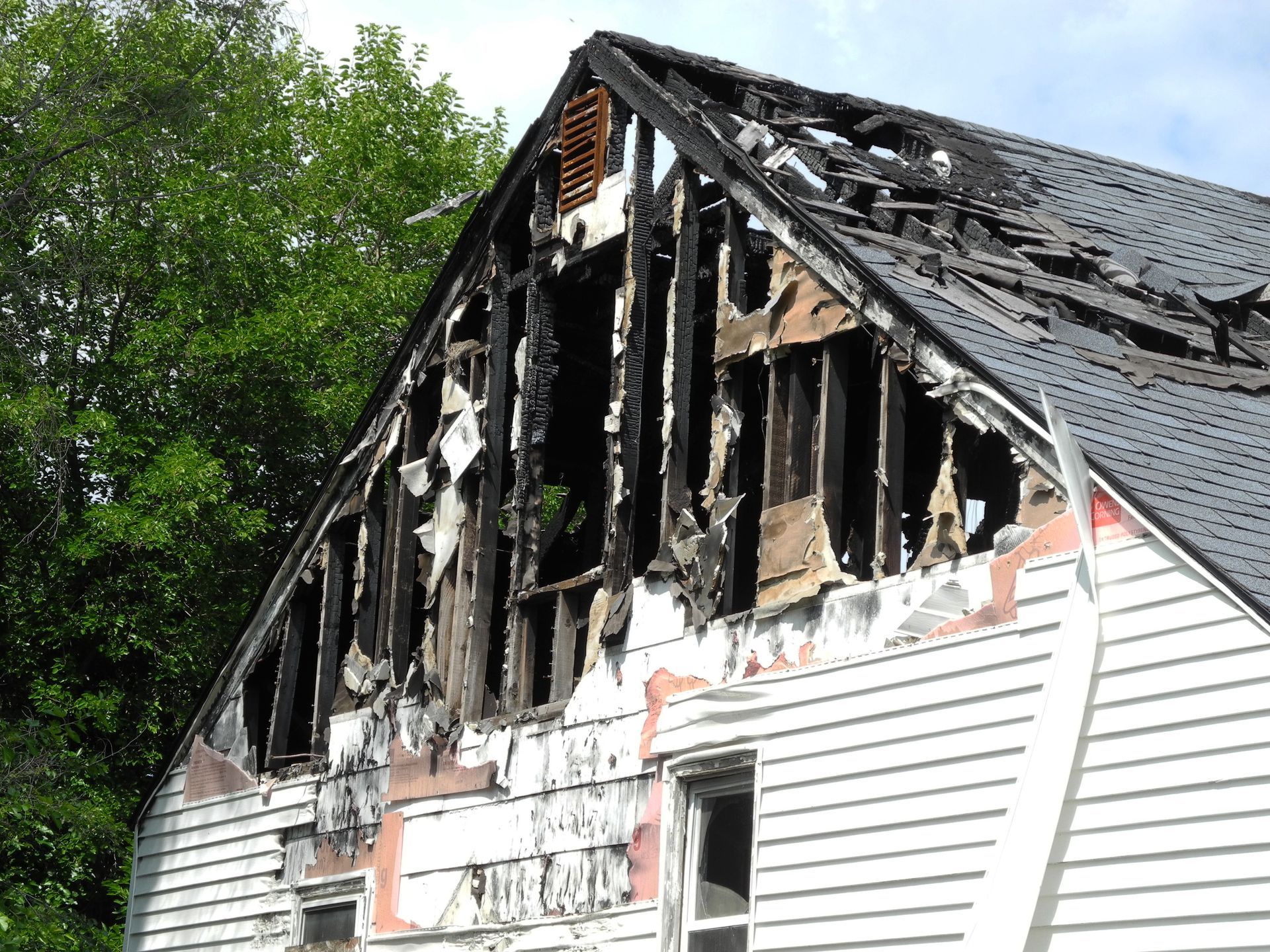
Burned, partially collapsed house with charred roof and white siding beside trees
By Flynn & Co. • October 15, 2026
Smoke odor can return when a furnace moves residue trapped in ducts, filters, insulation, or porous finishes. Learn how to identify the source and restore healthy indoor conditions.
By Flynn & Co. • October 8, 2026
Hidden mold can develop behind drywall, beneath flooring, and inside insulation after water damage. Learn the warning signs and safest next steps for Brecksville homes.
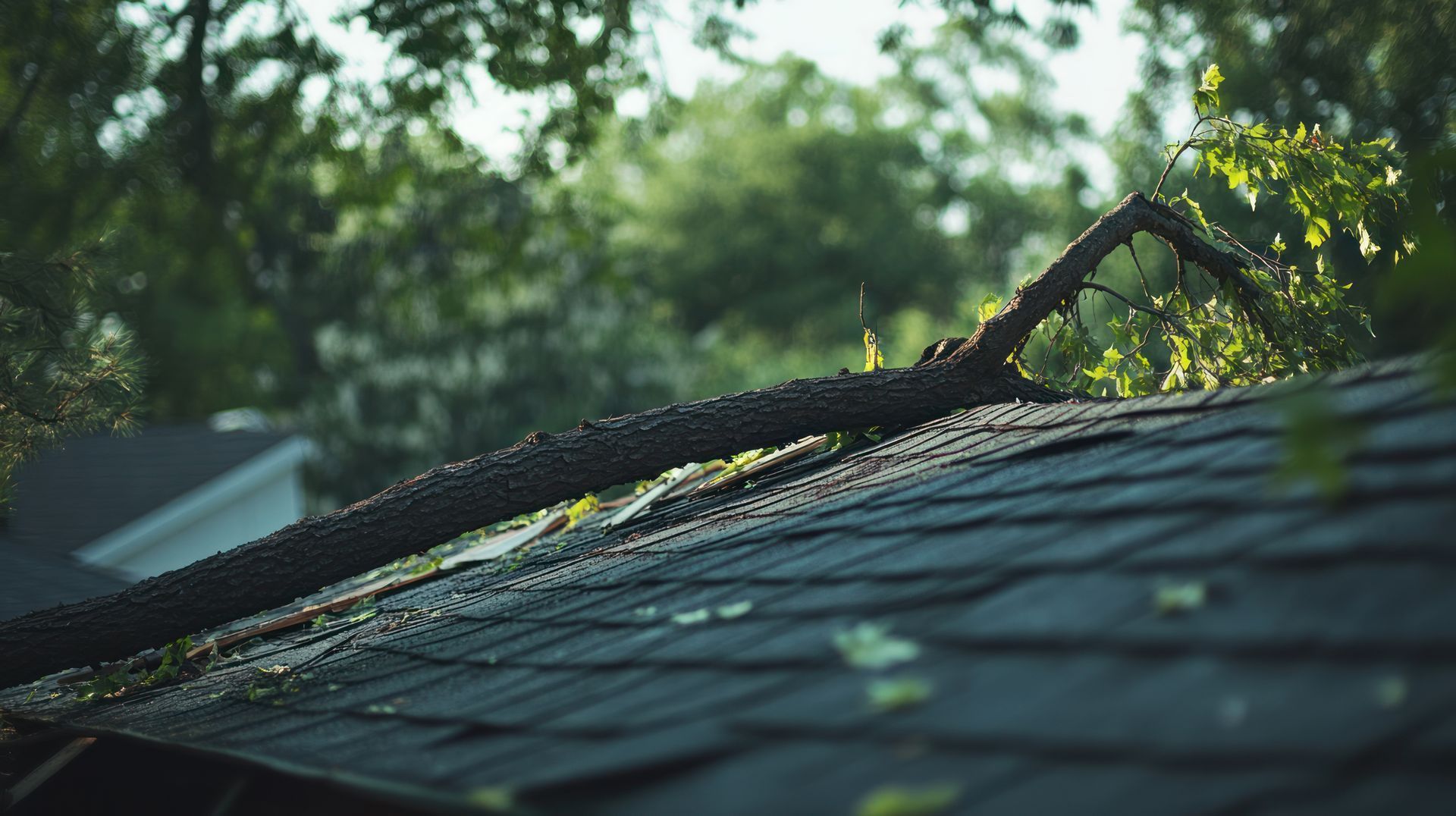
tree limb fallen on a dark shingled roof in sunlight, with green trees blurred in the background
By Flynn & Co. • October 1, 2026
Good documentation captures the condition immediately after a storm while still allowing urgent work that protects the property.
Flooded basement with murky water, support posts, and stored furniture and items partially submerged
By Flynn & Co. • September 24, 2026
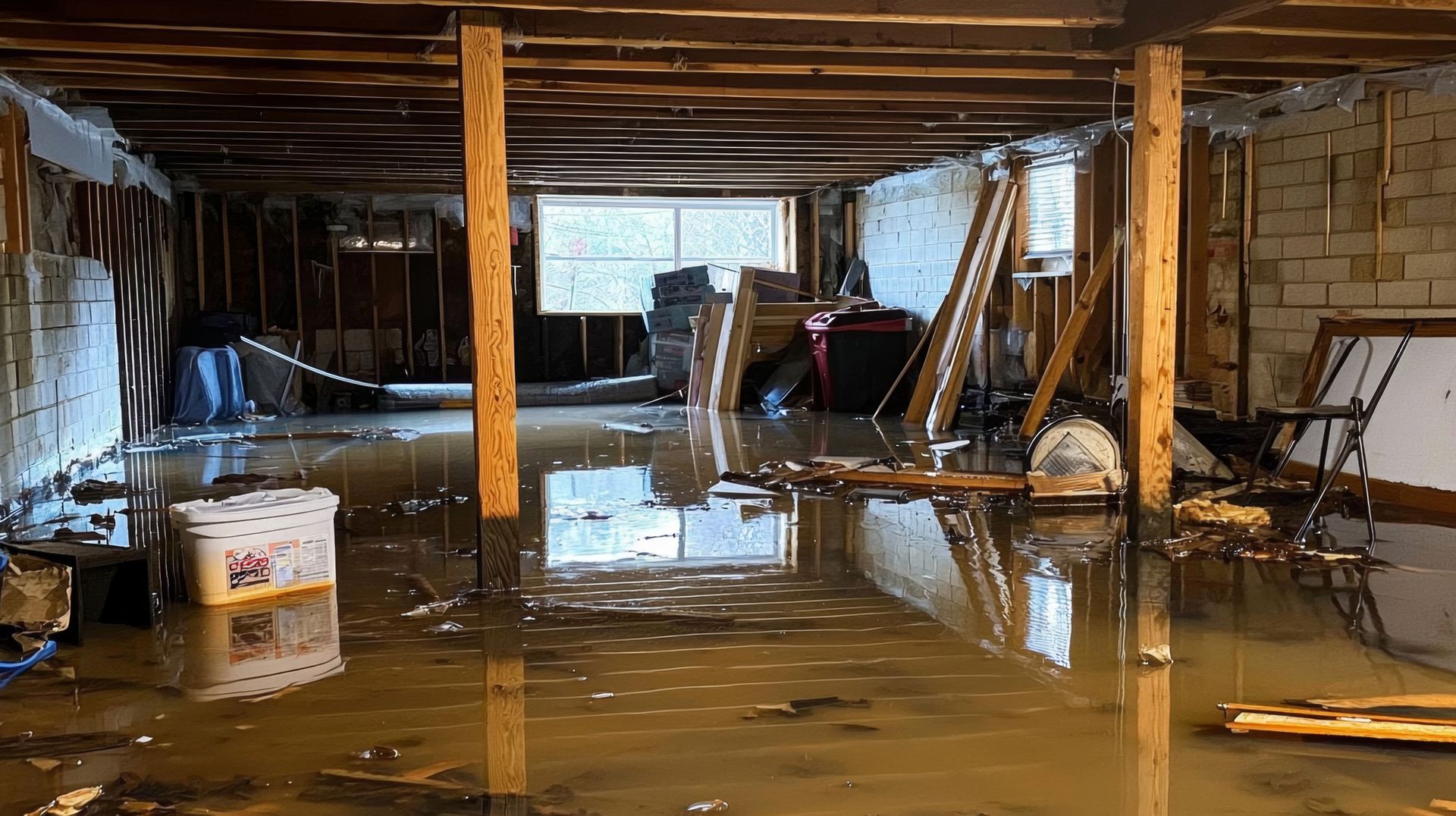
Intense Northeast Ohio storms can overwhelm drainage systems and reveal weak points around Bedford foundations.
Workshop with yellow hoses, floor tools, cabinets, and a large fan in a bare room.
By Flynn & Co. • September 17, 2026
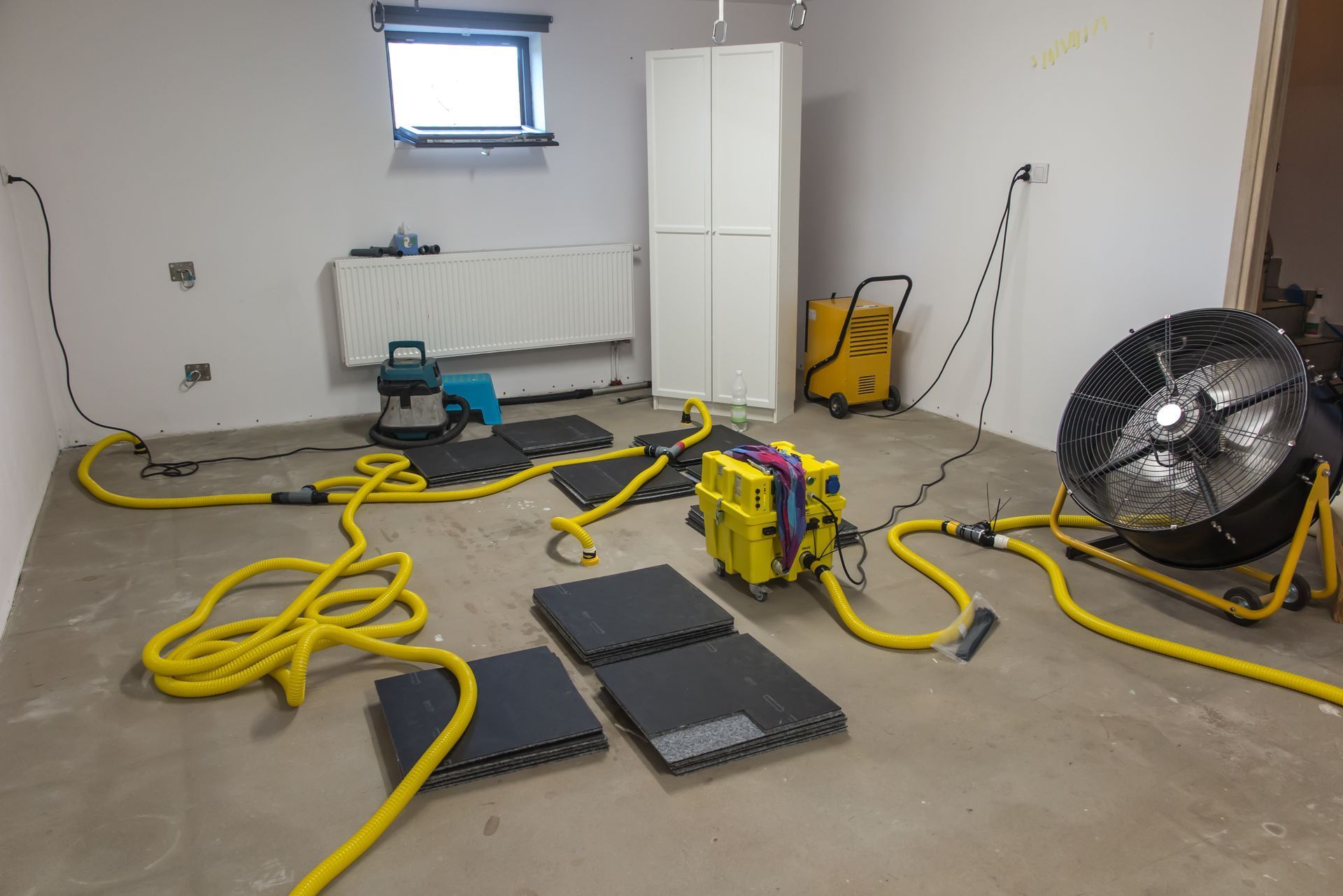
Water cleanup is only the first phase when drywall, insulation, flooring, cabinets, or framing cannot be restored.
House with boarded-up garage door and damaged upper facade in a suburban neighborhood
By Flynn & Co. • September 10, 2026
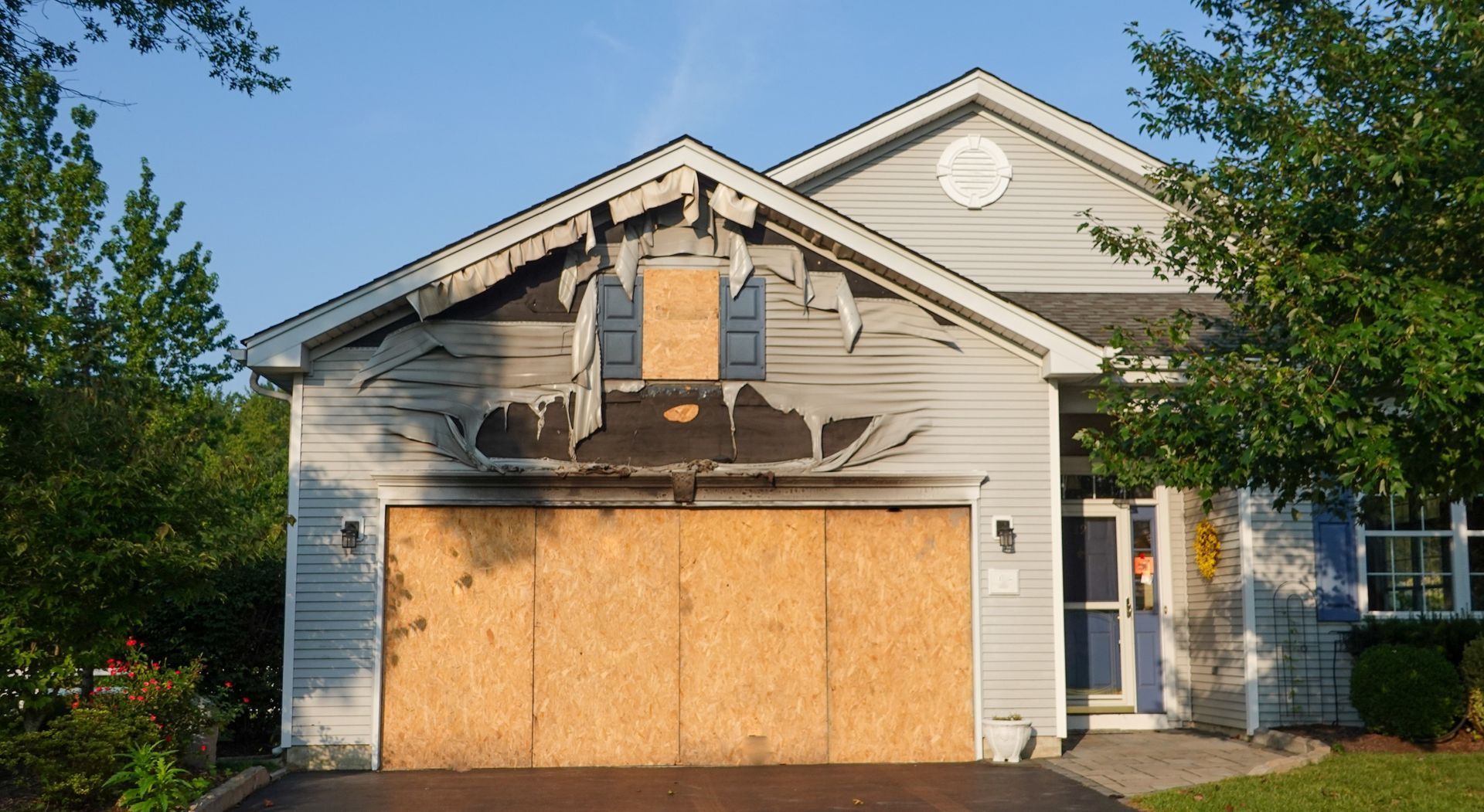
A garage fire can affect much more than the room where it began, especially when the garage is attached to the home.
Weathered beige house gable with louvered vent under a clear blue sky
By Flynn & Co. • September 3, 2026
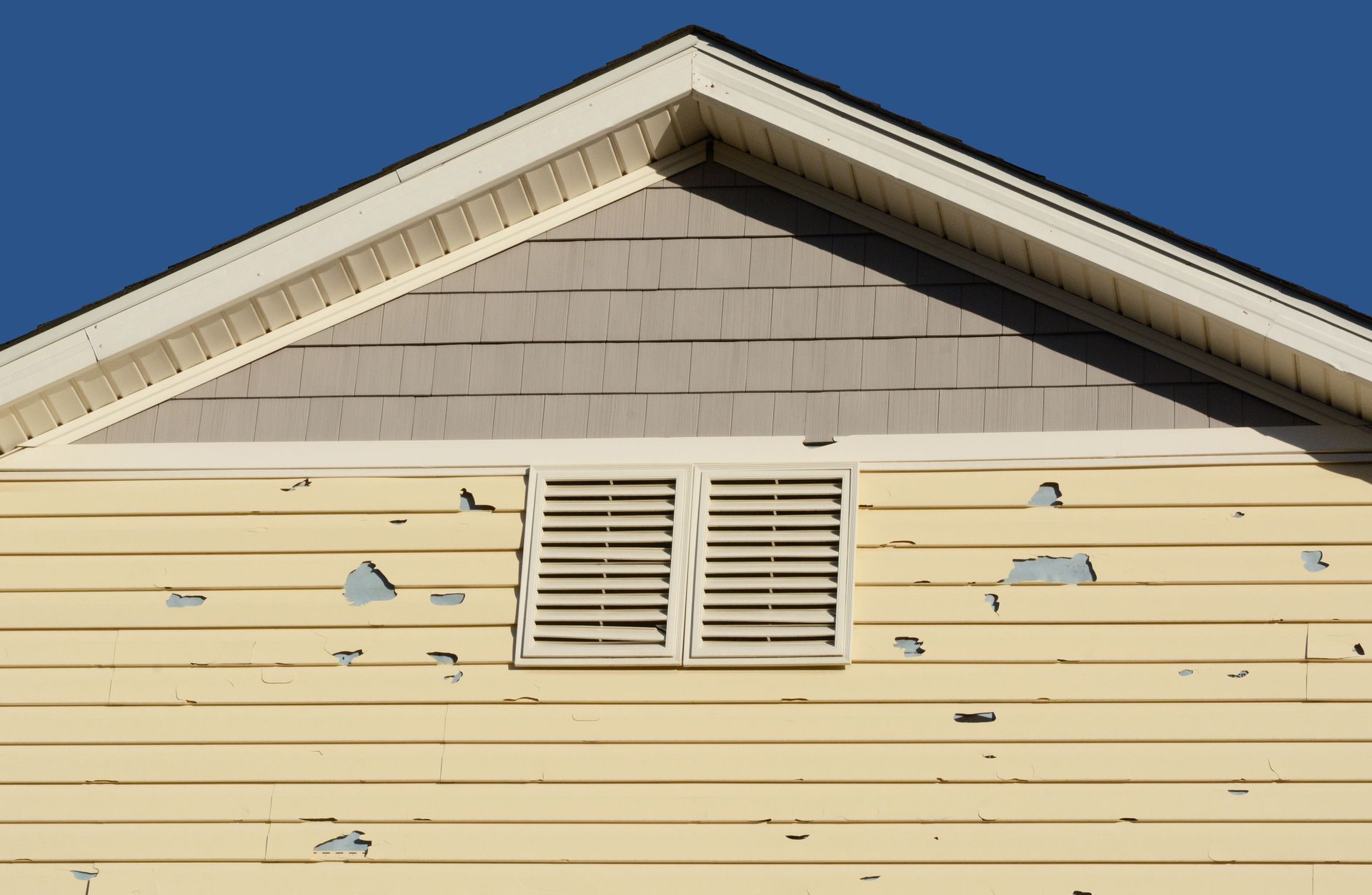
Wind can loosen siding, open seams, damage trim, and expose the wall assembly to rain.
Peeling and water-damaged white wall above a wooden baseboard.
By Flynn & Co. • August 27, 2026
Washing machines, dishwashers, refrigerators, and water heaters can release water slowly or all at once.