What Happens During Reconstruction After Water Damage in Chagrin Falls?
Water extraction and drying are only the first part of recovery when drywall, insulation, flooring, cabinets, or structural materials cannot be restored. Reconstruction is the phase that puts the home back together after the source has been corrected and the affected areas have reached appropriate drying goals.
For Chagrin Falls homeowners, the process may involve older finishes, custom millwork, plaster, hardwood flooring, additions, or materials that are no longer manufactured. A clear sequence helps prevent repairs from covering hidden moisture and makes the scope easier to understand.
Mitigation and Reconstruction Are Different Phases
Water mitigation focuses on stopping the loss, removing standing water, controlling contamination, removing materials that cannot remain, and drying the structure. Reconstruction restores the removed or damaged building components after those conditions are stable.
Beginning finish repairs too early can trap moisture inside walls or floors. That is why drying records and moisture readings are important handoff documents between the mitigation and construction teams.
Step 1: Correct the Water Source
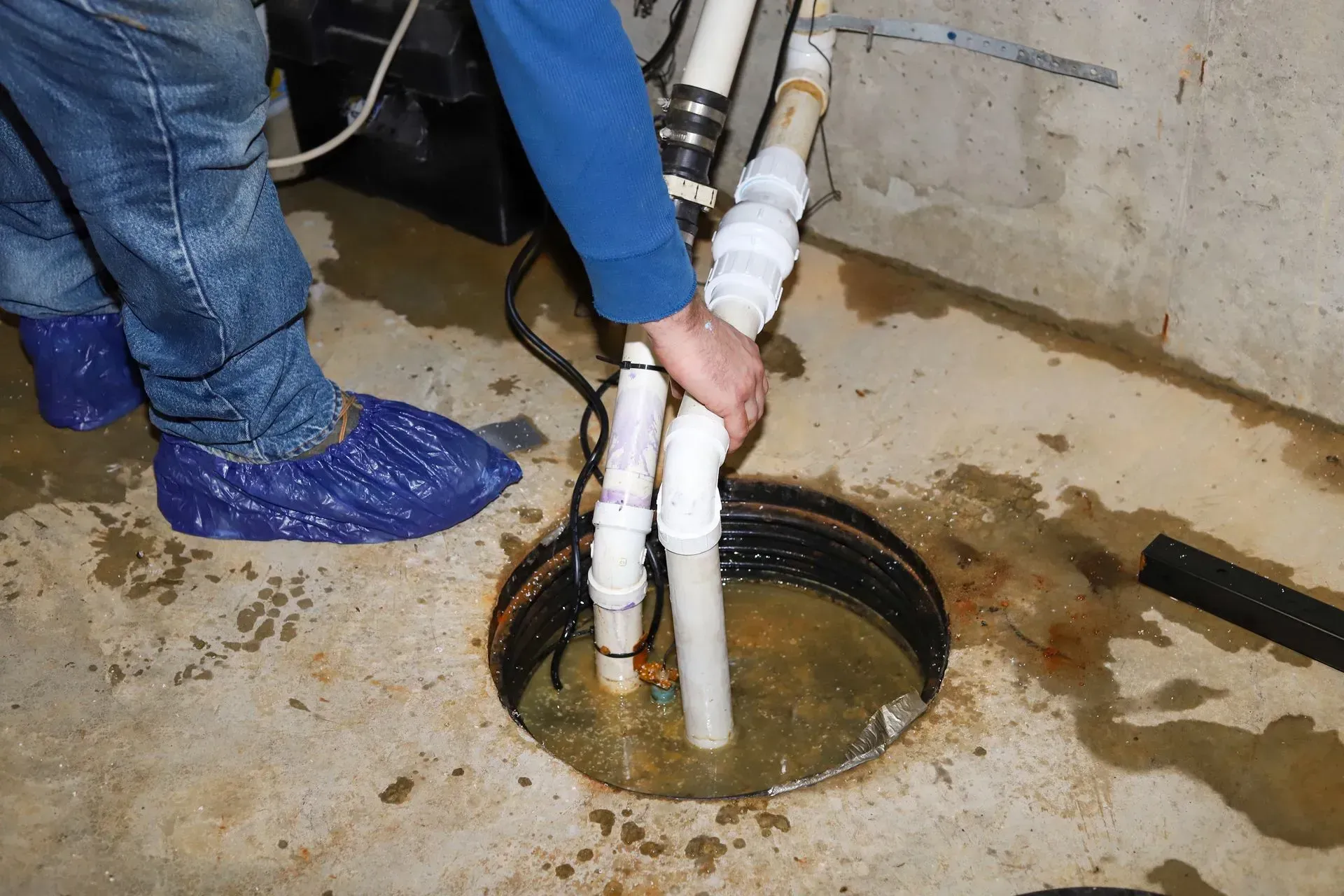
Before rebuilding, the cause must be repaired. Depending on the loss, that may involve a plumbing line, appliance, roof opening, foundation seepage, sump pump, drainage problem, or failed exterior component.
Temporary control is not always the final solution. The reconstruction plan should distinguish between emergency measures and permanent repairs so the same water pathway is not closed behind new finishes.
Step 2: Define the Affected Area
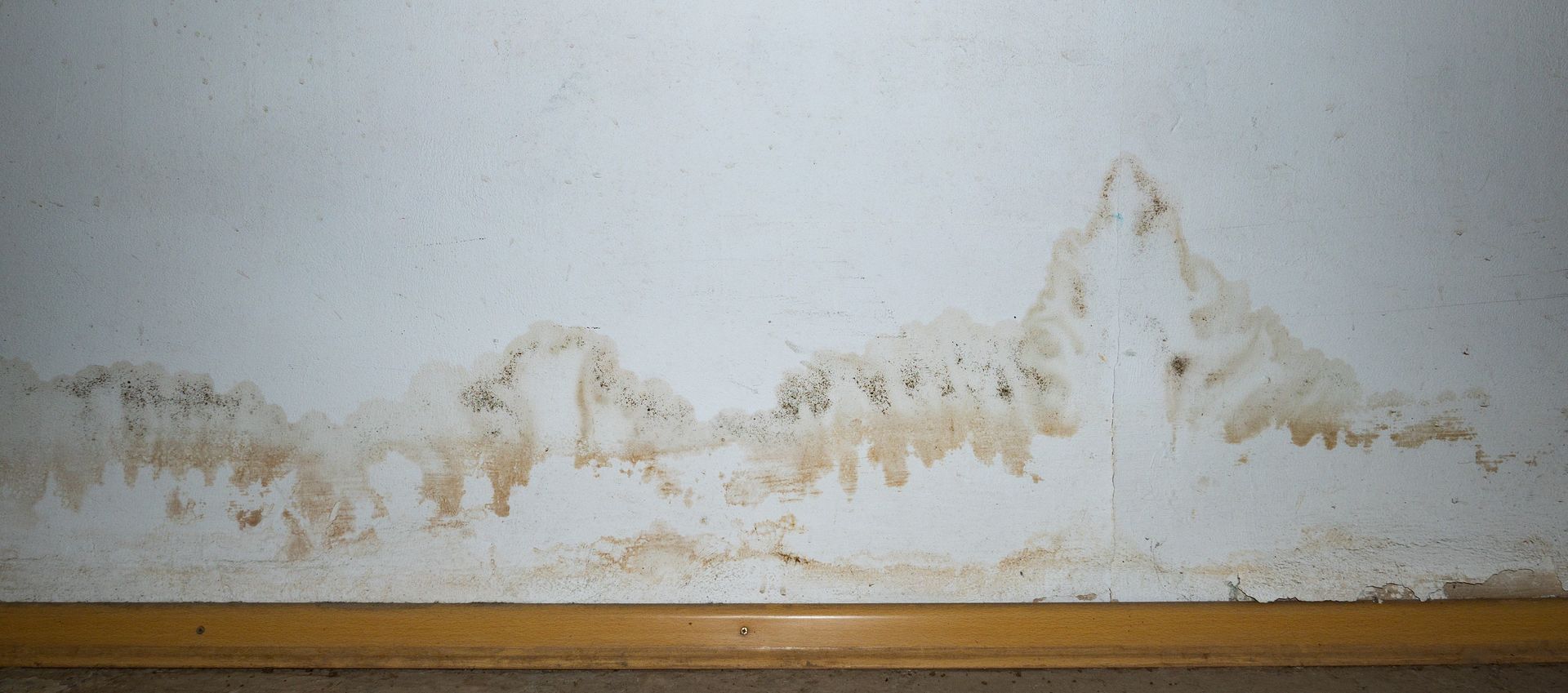
Moisture testing identifies how far water traveled through flooring, walls, ceilings, insulation, cabinets, and structural materials. The visible stain is often only a portion of the actual affected area.
Flynn & Co. provides water damage mitigation that includes assessment, extraction, controlled drying, and documentation. Materials are monitored until they meet the project’s drying criteria or are identified for removal.
Step 3: Remove Materials That Cannot Be Restored
Selective demolition may include wet insulation, swollen trim, delaminated flooring, damaged drywall, cabinet components, or contaminated porous materials. The goal is to remove what cannot remain while preserving sound materials whenever practical.
In older Chagrin Falls homes, removal may reveal plaster assemblies, layered flooring, previous repairs, or concealed framing conditions. Dust control, protection of unaffected rooms, and careful documentation are especially important when the work adjoins finished living areas.
Step 4: Confirm the Structure Is Ready to Rebuild
Drying equipment is removed only after follow-up readings show that affected materials have reached established goals. Framing and subfloors should be checked before insulation, drywall, cabinets, or flooring cover them.
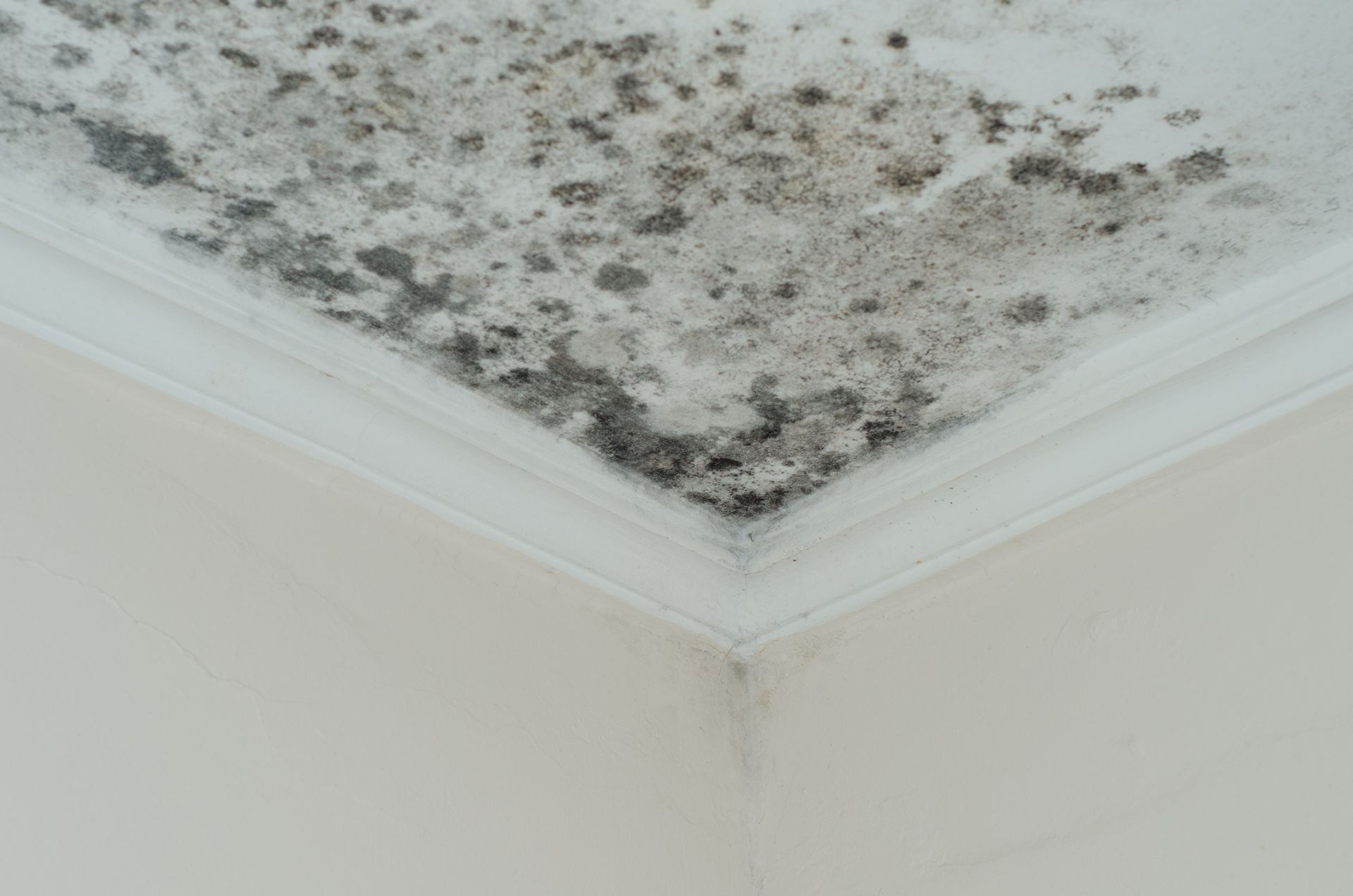
If microbial growth is discovered, mold remediation when needed should be completed before reconstruction continues. The moisture source must also remain controlled.
Step 5: Develop the Repair Scope
The repair scope identifies each material and trade needed to return the space to a complete condition. It may include framing, insulation, drywall or plaster, trim, paint, flooring, cabinets, countertops, plumbing, electrical work, and finish carpentry.
Photos, measurements, drying records, and demolition findings support the scope. When an insurance claim is involved, the insurer and policy determine coverage, while the contractor documents damage and the work required.
Step 6: Select and Match Materials
Matching existing finishes can be one of the hardest parts of water-damage reconstruction. Flooring, tile, paint, trim profiles, cabinet doors, and hardware may have faded, aged, or been discontinued.
The team may collect samples, compare available products, and explain where an exact match is not possible. Homeowners should make selections early enough to avoid delaying the construction sequence, especially for custom or special-order materials.
Step 7: Complete Repairs in the Right Order
Reconstruction usually moves from concealed work to visible finishes. Structural framing and rough electrical or plumbing work are completed first, followed by insulation, wall and ceiling repair, cabinets or built-ins, flooring, trim, paint, and final fixture installation.
This order reduces the chance that completed finishes will be damaged by later trades. Flynn & Co. provides repairs and reconstruction with one team coordinating the work from the dried structure through final completion.
What Happens When Hidden Damage Is Found?
Water can reveal deterioration, previous leaks, damaged subflooring, concealed mold, or framing conditions that were not visible during the first inspection. The affected work should pause long enough to document the finding and determine the proper correction.
The scope, schedule, and cost may need to be updated before additional work proceeds. Clear photos and written change documentation help everyone understand why the repair plan changed.
Can You Stay in the Home During Reconstruction?
That depends on the size and location of the project, utility availability, dust control, bathroom and kitchen access, and whether safe separation can be maintained. A contained bedroom repair is different from work affecting the only kitchen or a major section of the home.
Discuss access, work hours, pets, temporary storage, and daily cleanup before construction begins. Homeowners who need temporary lodging should retain receipts and communicate with their insurer when a claim is involved.
Final Inspection and Project Documentation
At completion, the repaired area is reviewed for finish quality, operation of fixtures, and remaining punch-list items. The homeowner should receive relevant invoices, warranties, photos, and other project records.
Keeping mitigation and reconstruction documentation together creates a clear history of the loss—from the original moisture readings and demolition through the final repairs.
Frequently Asked Questions
How soon can rebuilding begin after water damage?
Reconstruction can begin after the water source is corrected, required cleaning and removal are complete, and affected assemblies meet drying criteria. The timeline varies with the materials and extent of the loss.
Will the new finishes match the existing room?
The team evaluates available materials and samples, but exact matches can be difficult with aged, custom, or discontinued products. Options should be reviewed before ordering and installation.
What if hidden damage appears during demolition?
The new condition should be photographed and evaluated before it is covered. The scope and documentation are then updated so the additional work is understood and approved through the appropriate process.
Who coordinates the different construction trades?
A restoration contractor can coordinate the sequence of framing, electrical, plumbing, drywall, flooring, cabinets, paint, and finish work. One point of coordination helps keep the project moving in the correct order.
Plan Reconstruction After Water Damage in Chagrin Falls
If your home needs more than drying and cleanup, Flynn & Co. can carry the project through repairs and finish reconstruction. Call (330) 432-7414 or contact Flynn & Co. to request an assessment.
Related Services
Restoration and Construction Services for Northeast Ohio Property Owners:
When water, fire, storms, mold, or structural damage affects your property, Flynn & Co. is ready to help. Our experienced team provides complete restoration and construction services for homes and businesses throughout Northeast Ohio.
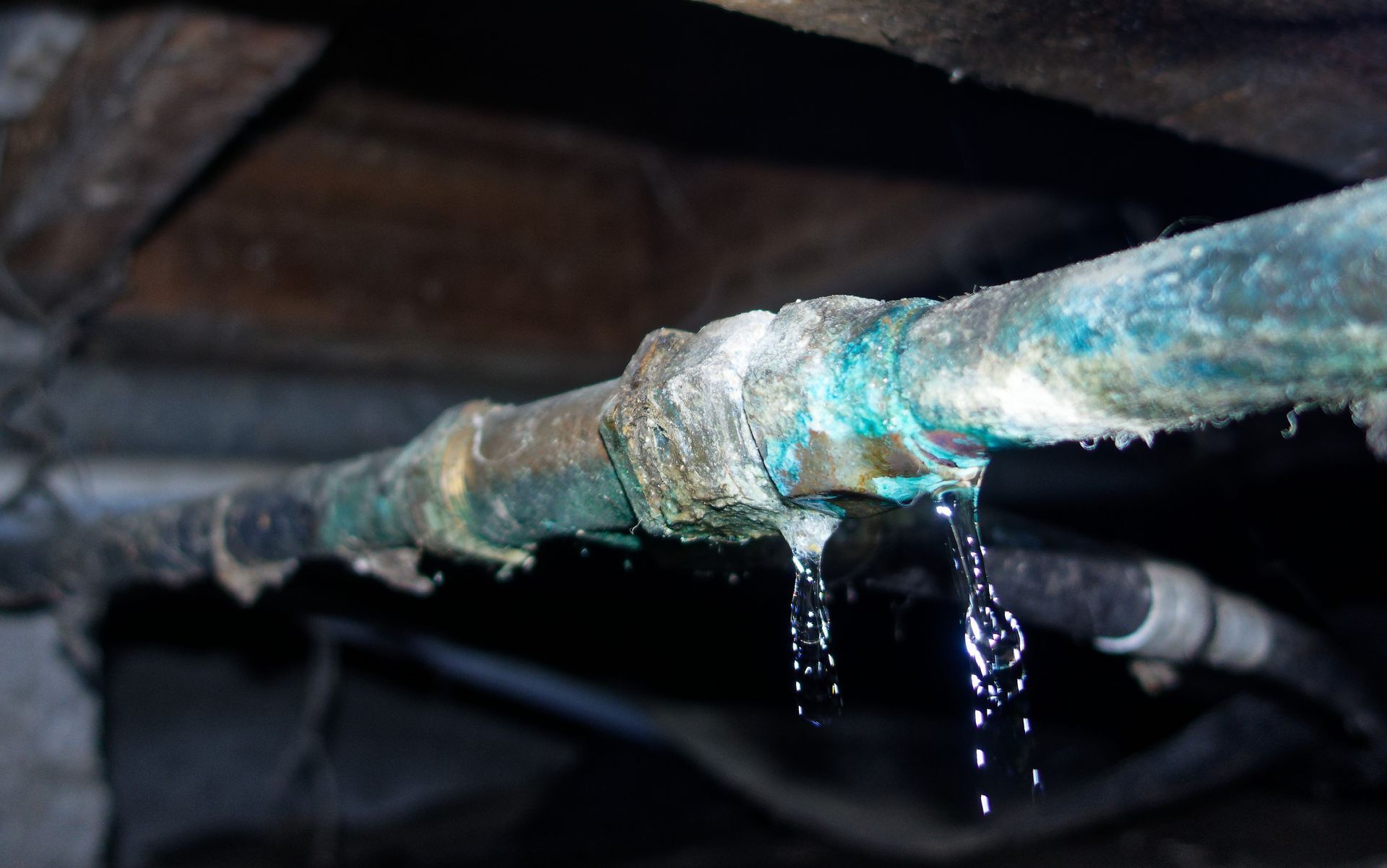
Water Damage Restoration
From plumbing leaks and appliance failures to flooded basements, we locate the source of the water, remove moisture, dry affected materials, and repair the damage.
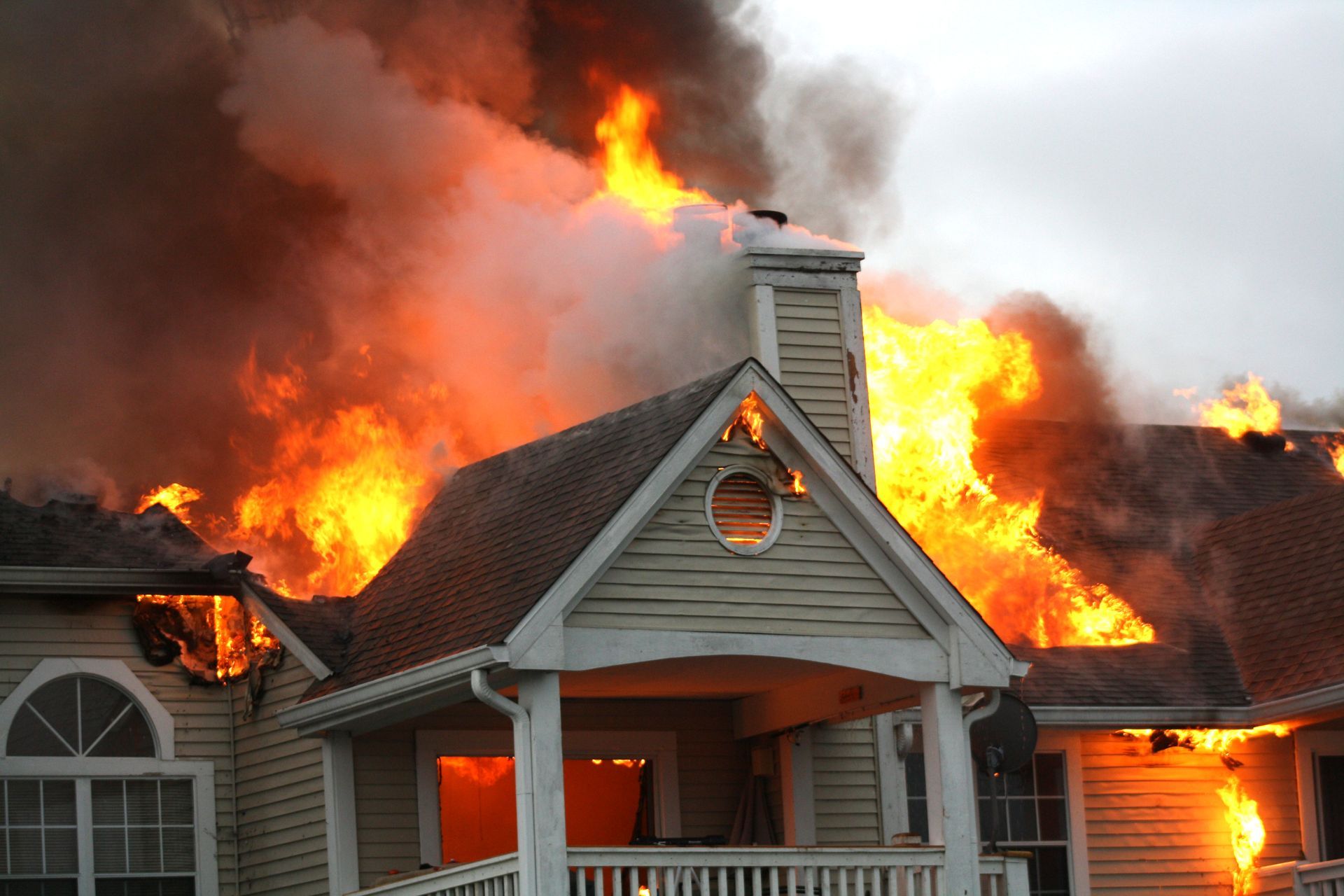
Fire and Smoke Damage Restoration
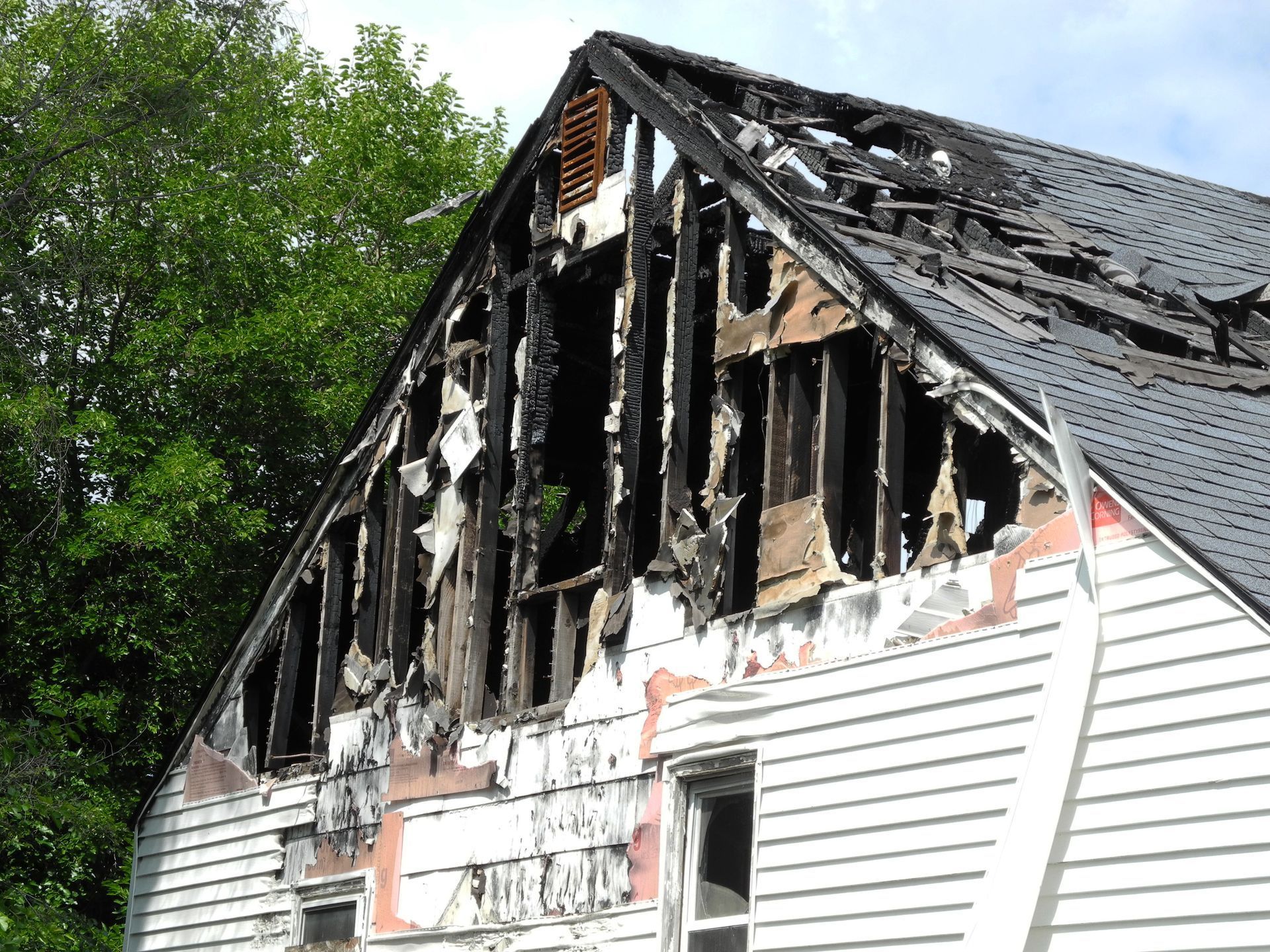
We help property owners recover after a fire with cleanup, smoke and odor removal, damage restoration, and reconstruction services.
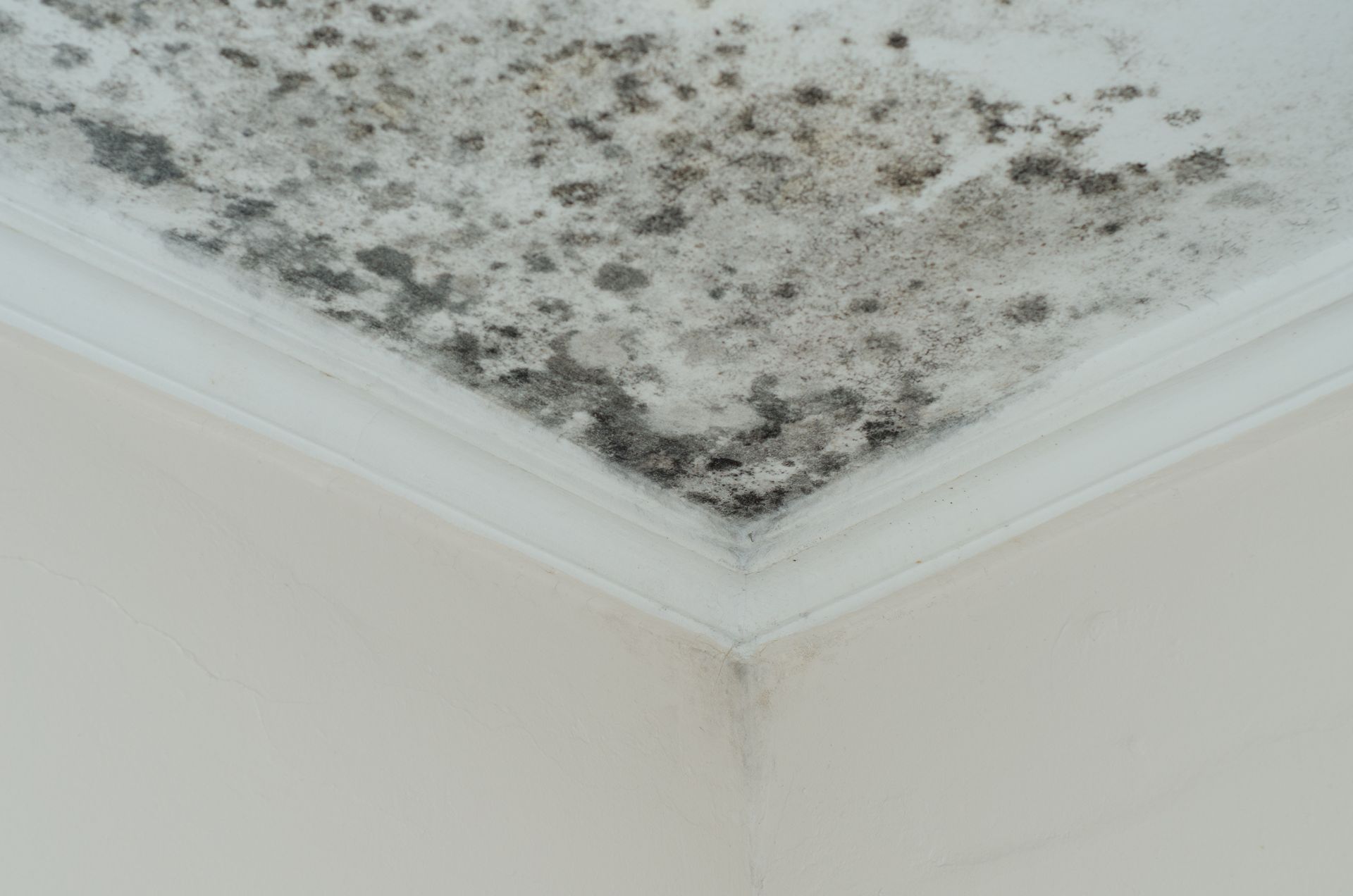
Our team identifies affected areas, safely removes mold-contaminated materials, addresses excess moisture, and helps restore a healthier indoor environment.
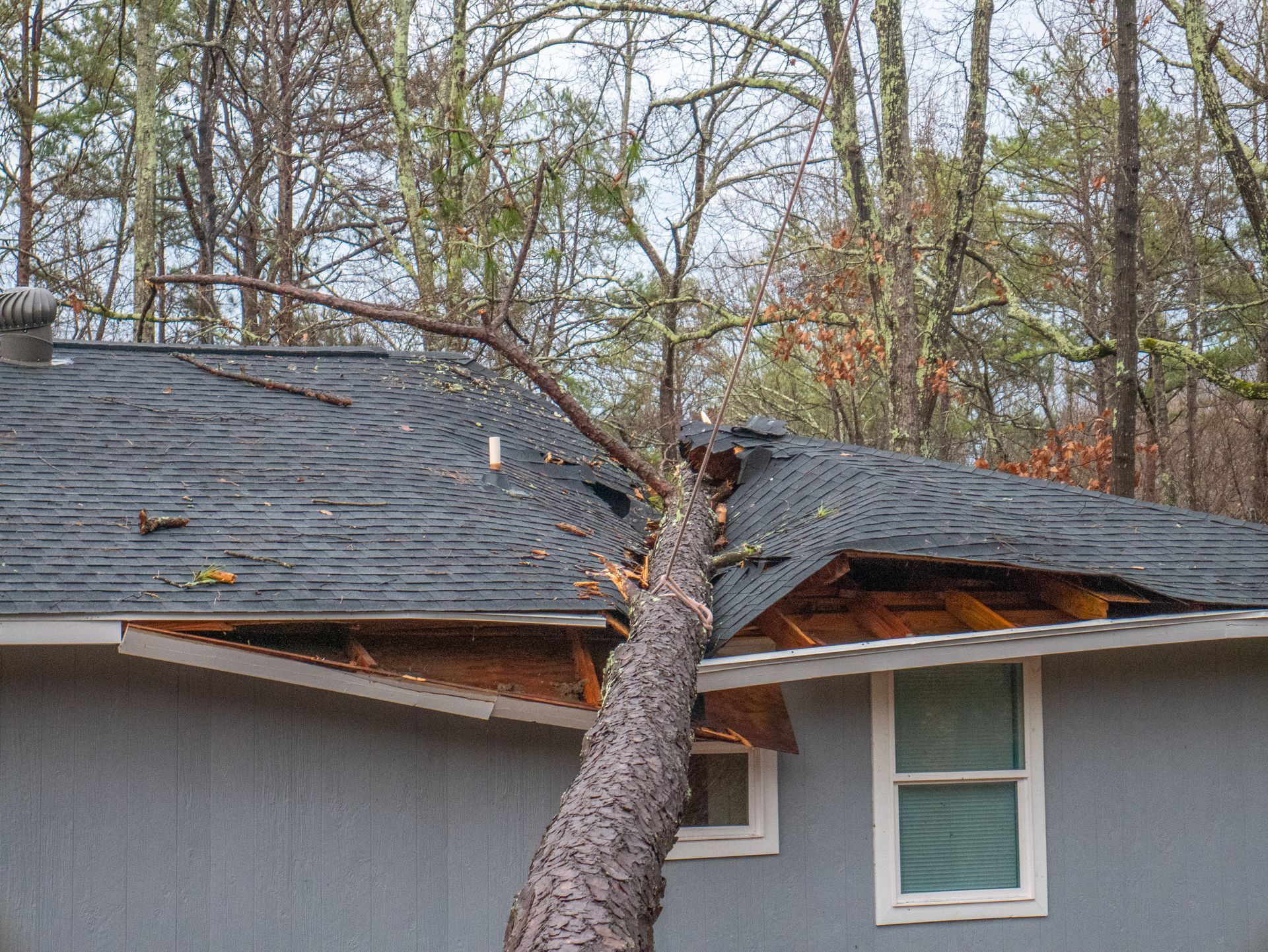
Storm Damage Restoration
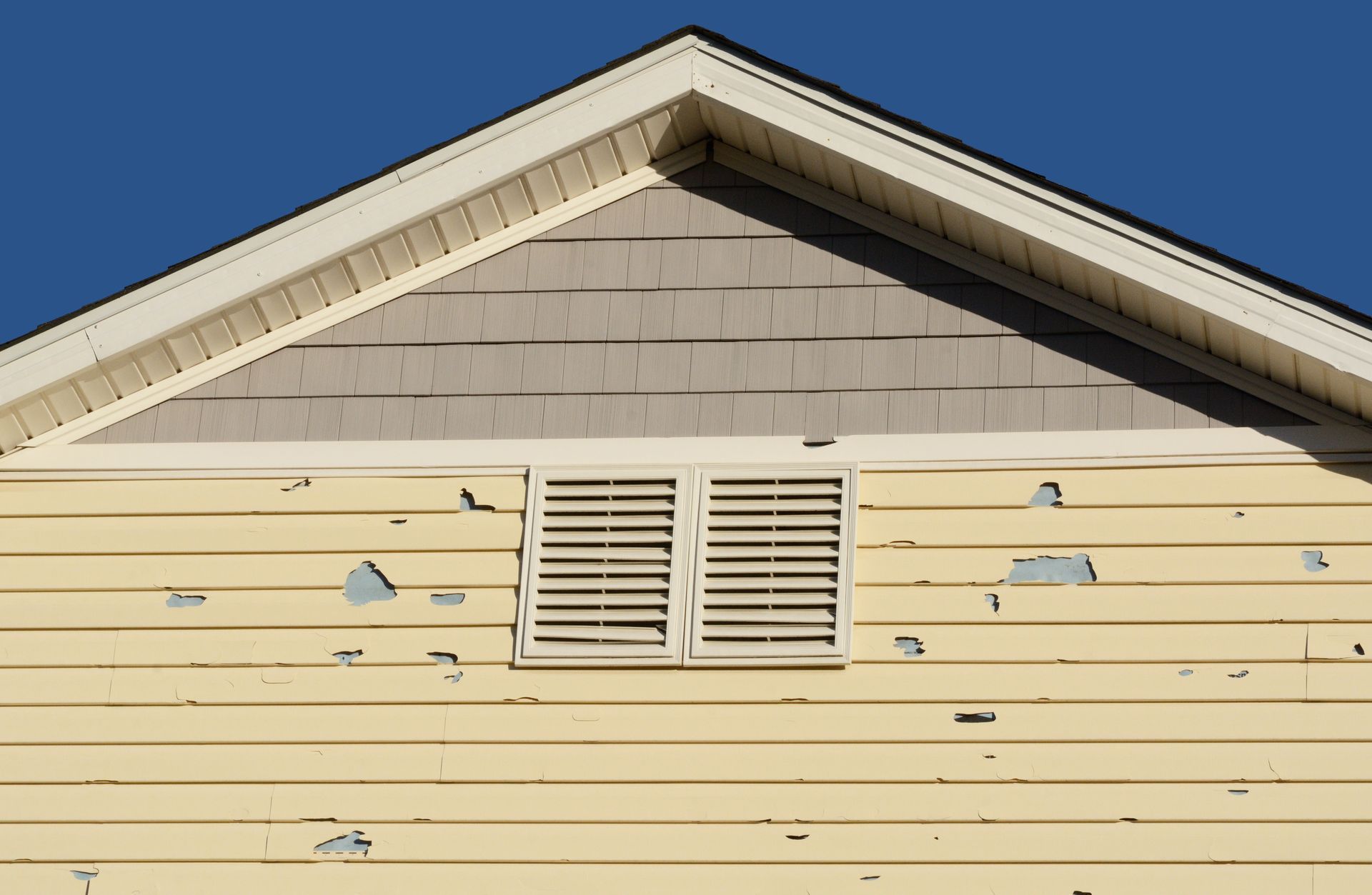
When severe weather damages your roof, siding, interior, or other parts of your property, we provide prompt repairs and complete restoration assistance.
Remodeling and Construction
Flynn & Co. also provides professional remodeling, reconstruction, and general construction services for homeowners ready to repair or improve their property.
Need Help Restoring Your Northeast Ohio Property?
Whether you are dealing with water, fire, smoke, mold, or storm damage—or planning a remodeling project—Flynn & Co. can help you determine the right next step. Contact our experienced team to schedule an assessment for your home or business.