Can Summer Humidity Cause Mold in Beachwood Homes?
Summer humidity can contribute to mold in a Beachwood home, but humidity is usually part of a larger moisture problem rather than the only cause. Mold needs moisture and a suitable surface. When humid air condenses on cool basement walls, pipes, ductwork, or air-conditioned surfaces, nearby drywall, wood, dust, and insulation can remain damp enough to support growth.
The challenge is that the first sign may be a musty odor rather than visible discoloration. Understanding where moisture collects makes it easier to correct the cause before damage spreads behind finishes.
Why Northeast Ohio Summers Create Mold Risk
Warm outdoor air can hold a large amount of water vapor. When that air enters a cool basement or meets a chilled surface, its ability to hold moisture decreases and condensation can form. Repeated humid days keep materials damp longer and slow natural drying.
Beachwood homes may also have finished basements, older foundation walls, mature landscaping, shaded exterior walls, and complex HVAC systems. Humidity can combine with minor foundation seepage, a slow plumbing leak, or a blocked condensate line and make a small problem harder to notice.
Where Humidity-Related Mold Commonly Develops
Basements and Finished Lower Levels
Cool foundation walls and floors can create condensation when humid air enters the basement. Growth may appear on cardboard, stored fabric, wood furniture, drywall paper, carpet backing, or behind finished walls where air circulation is limited.
Around HVAC Equipment and Ductwork
Cold supply ducts can sweat when insulation is missing or damaged. Clogged condensate drains, overflowing pans, and poorly controlled indoor humidity can wet nearby framing or ceilings and create a recurring moisture source.
Bathrooms, Kitchens, and Laundry Areas
Cooking, showering, and clothes drying add moisture to the indoor air. Exhaust fans that are undersized, rarely used, or vented improperly may allow humid air to collect on ceilings, cabinets, windows, and exterior walls.
Attics and Exterior Wall Cavities
Roof leaks, air leaks, and inadequate ventilation can create damp attic sheathing or insulation. In wall cavities, warm humid air may condense against a cooler surface, allowing growth to remain hidden until staining or odor reaches the room.
Signs That Moisture Is Building Up
A hygrometer provides a better picture of indoor humidity than judging the air by feel. Many homeowners aim for roughly 30 to 50 percent relative humidity when conditions allow and generally try to remain below 60 percent. Readings should be taken in more than one location because a cool basement corner may differ substantially from the main floor.
- A musty or earthy odor that returns during humid weather
- Condensation on windows, pipes, ducts, or foundation walls
- Peeling paint, bubbling drywall, or swollen baseboards
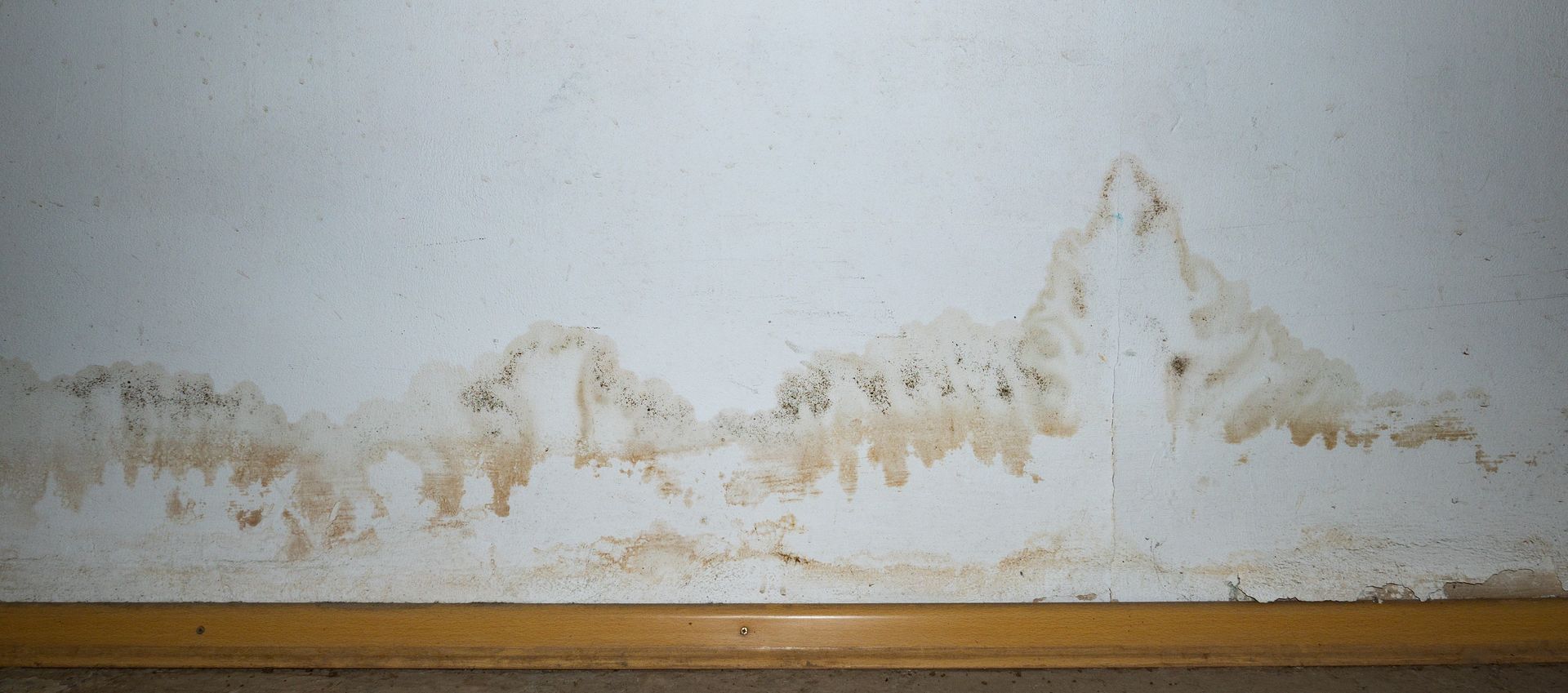
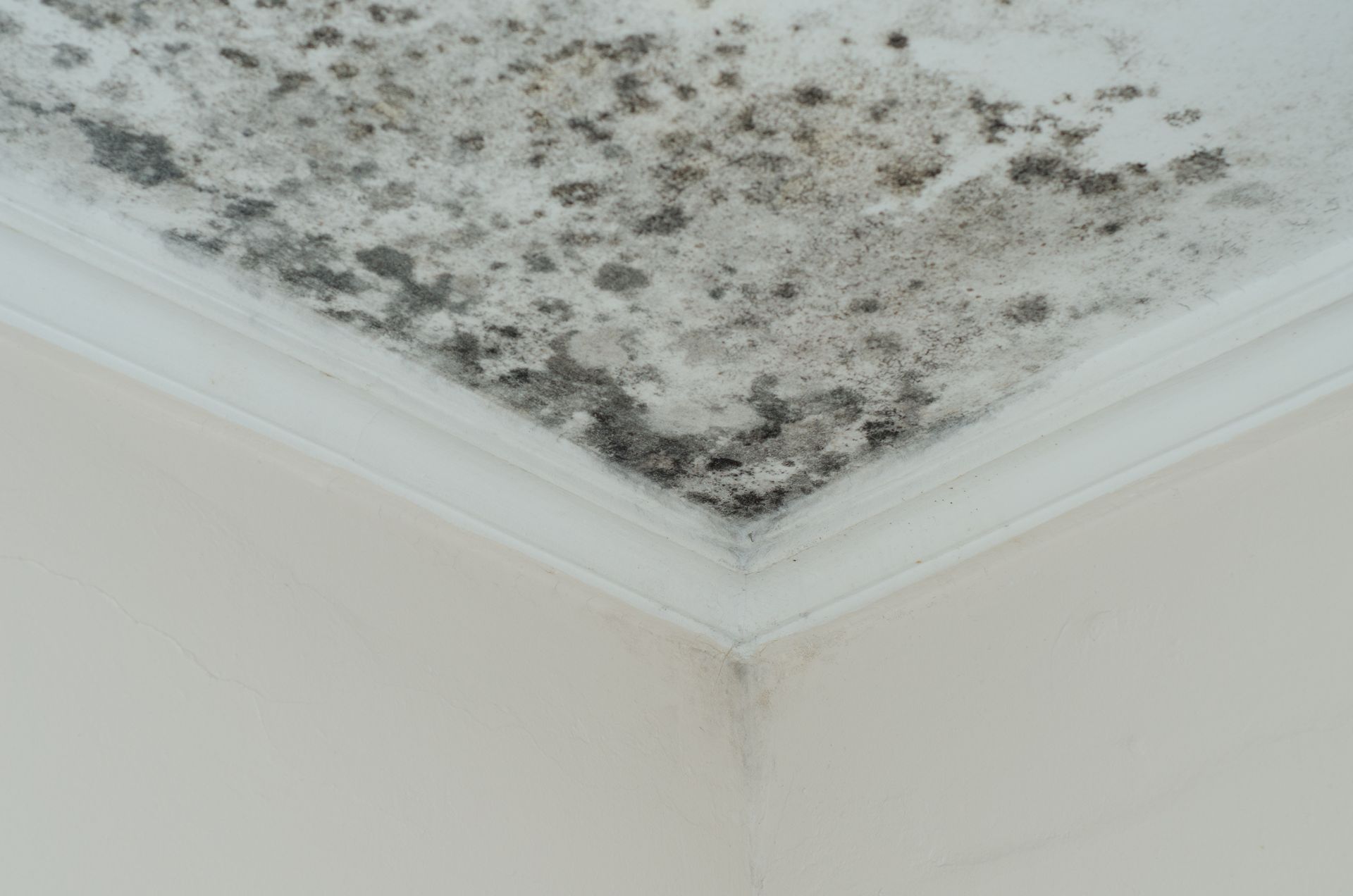
- Dark spotting on ceilings, around vents, or behind furniture
- Damp carpet edges, cardboard boxes, or stored fabrics
- An HVAC system or dehumidifier that runs constantly without lowering humidity
These signs do not identify the full extent of a mold problem by themselves, but they do justify a closer moisture investigation.
Can a Dehumidifier Prevent Mold?
A properly sized dehumidifier can lower moisture in basement air and help materials dry, but it cannot repair a foundation leak, plumbing problem, roof opening, or failed condensate drain. If the reservoir fills rapidly or humidity returns as soon as the unit stops, an ongoing moisture source may be present.
Keep doors and windows closed while the unit operates, clean the filter, maintain the drain line, and allow air to move around stored belongings. Do not push boxes and furniture tightly against cool foundation walls where trapped air can stay damp.
Mold or Ordinary Staining?
Color and appearance alone cannot reliably identify mold. Dirt, soot, mineral deposits, old adhesive, and water staining can look similar. A musty odor or recurring spotting near a damp area increases concern, but the moisture source still needs to be located regardless of what the discoloration is.
Avoid aggressively scrubbing or opening a wall when the affected area may be extensive. Disturbance can spread particles into clean rooms or HVAC pathways. Professional evaluation is appropriate when growth is widespread, concealed, associated with contaminated water, or affecting materials that are difficult to clean.
What Professional Remediation Addresses
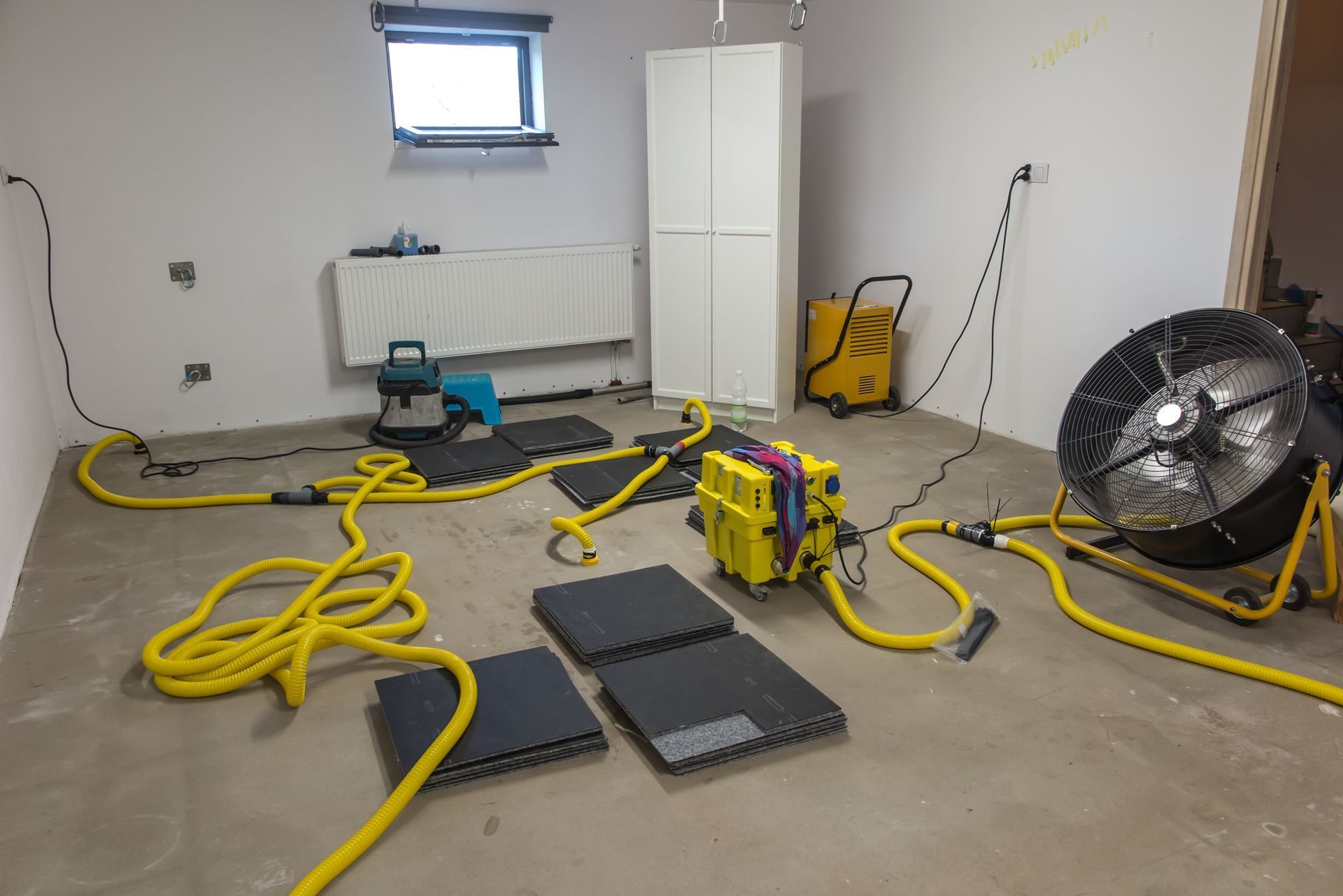
Effective mold remediation begins with moisture control. The work may include containment, controlled removal of damaged porous materials, HEPA filtration, cleaning of remaining surfaces, and disposal procedures designed for the specific conditions.
Remediation does not end when visible growth is removed. The underlying leak, condensation, drainage, or humidity issue must also be corrected. Otherwise, the same area may become damp again after the next humid period.
When Water Damage Is Part of the Problem
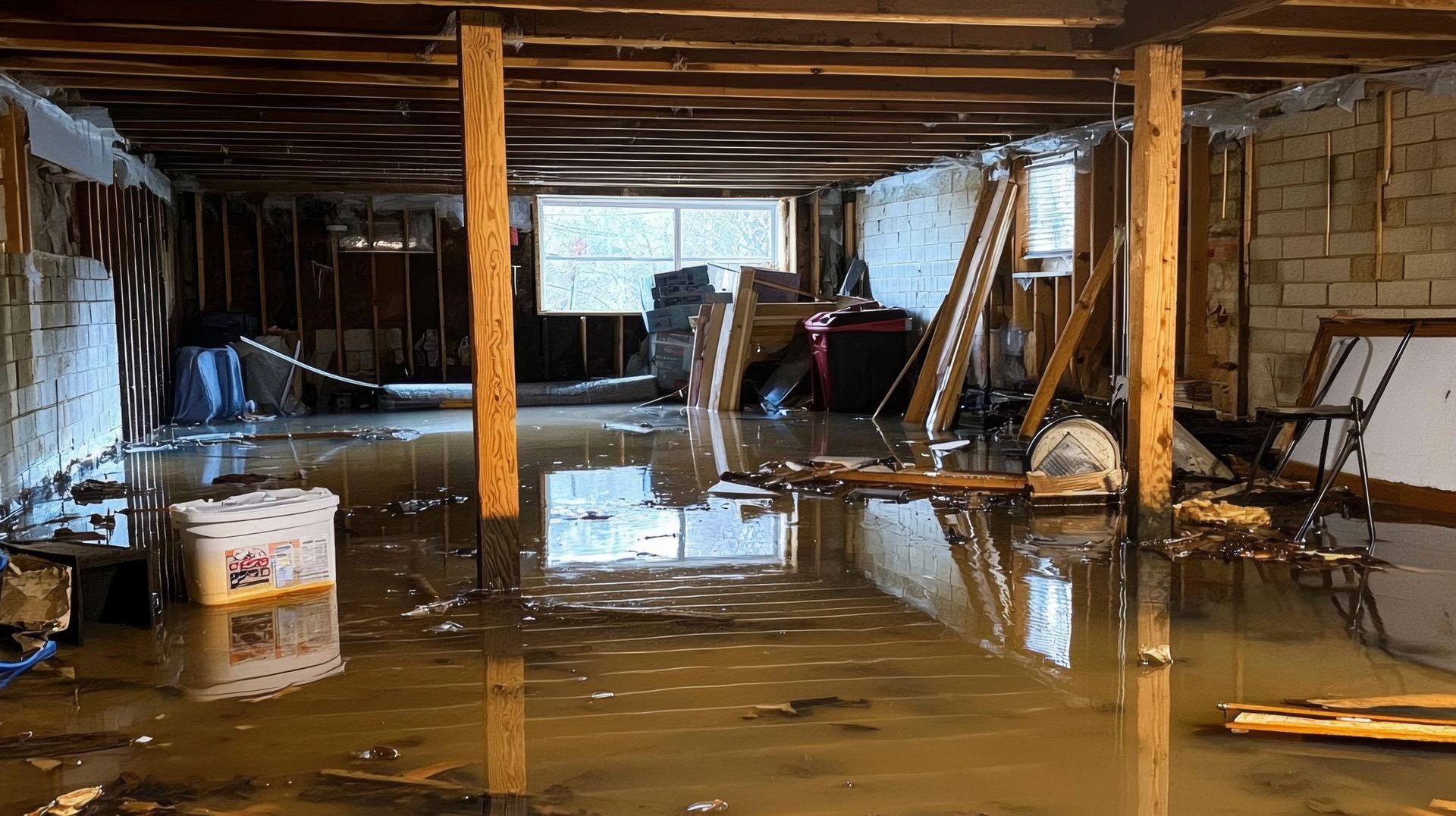
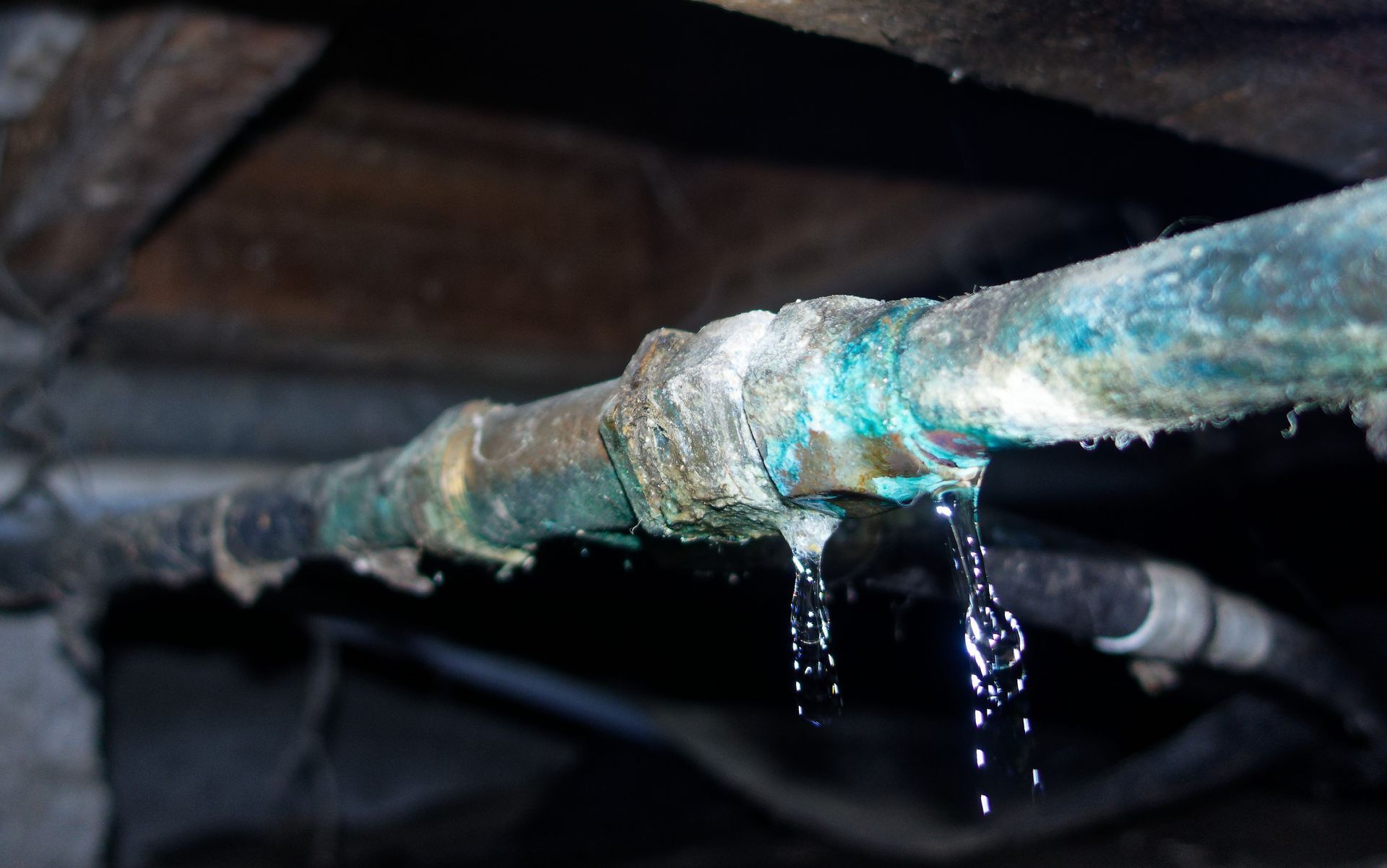
Sometimes “summer humidity” is masking seepage or a slow leak. A damp basement corner after rain, a soft section of drywall, or a stain below an air-conditioning line may require moisture mapping and drying in addition to remediation.
Flynn & Co. provides water damage restoration in Beachwood and broader moisture and water damage cleanup when wet materials must be extracted, dried, or replaced.
Practical Ways to Control Summer Moisture
- Monitor humidity on each level of the home, especially the basement.
- Use bathroom and kitchen exhaust fans that vent outdoors.
- Keep HVAC condensate drains and pans clean and functioning.
- Repair plumbing, roof, and foundation leaks promptly.
- Insulate sweating pipes and ductwork where appropriate.
- Improve air circulation around storage and exterior walls.
- Keep gutters and downspouts moving water away from the foundation.
Humidity control is most effective when exterior drainage, plumbing, HVAC operation, and building-envelope issues are addressed together.
Frequently Asked Questions
What humidity level helps discourage mold?
Many homeowners aim for roughly 30 to 50 percent relative humidity when conditions allow and generally stay below 60 percent. The right level also depends on temperature, comfort, and the building, so monitor several areas rather than relying on one reading.
Does a musty smell prove that mold is present?
No, but it is a strong sign that excess moisture or damp material is present somewhere. Investigate the odor promptly, especially when it returns after rain or during humid weather.
Can bleach clean every mold problem?
No. Cleaning methods depend on the surface, the size of the affected area, the water source, and whether growth extends into porous materials. Bleach also does not correct the moisture source.
Will mold return after remediation?
It can return if leaks, condensation, drainage problems, or high humidity are not corrected. Moisture control is an essential part of a durable remediation plan.
Get Help With Mold or Moisture in Beachwood
If musty odors, visible growth, or recurring dampness appears in your home, address the source before covering the area with paint or new finishes. Call (330) 432-7414 or contact Flynn & Co. to request an assessment.
Related Services
Restoration and Construction Services for Northeast Ohio Property Owners:
When water, fire, storms, mold, or structural damage affects your property, Flynn & Co. is ready to help. Our experienced team provides complete restoration and construction services for homes and businesses throughout Northeast Ohio.
Water Damage Restoration
From plumbing leaks and appliance failures to flooded basements, we locate the source of the water, remove moisture, dry affected materials, and repair the damage.
Fire and Smoke Damage Restoration
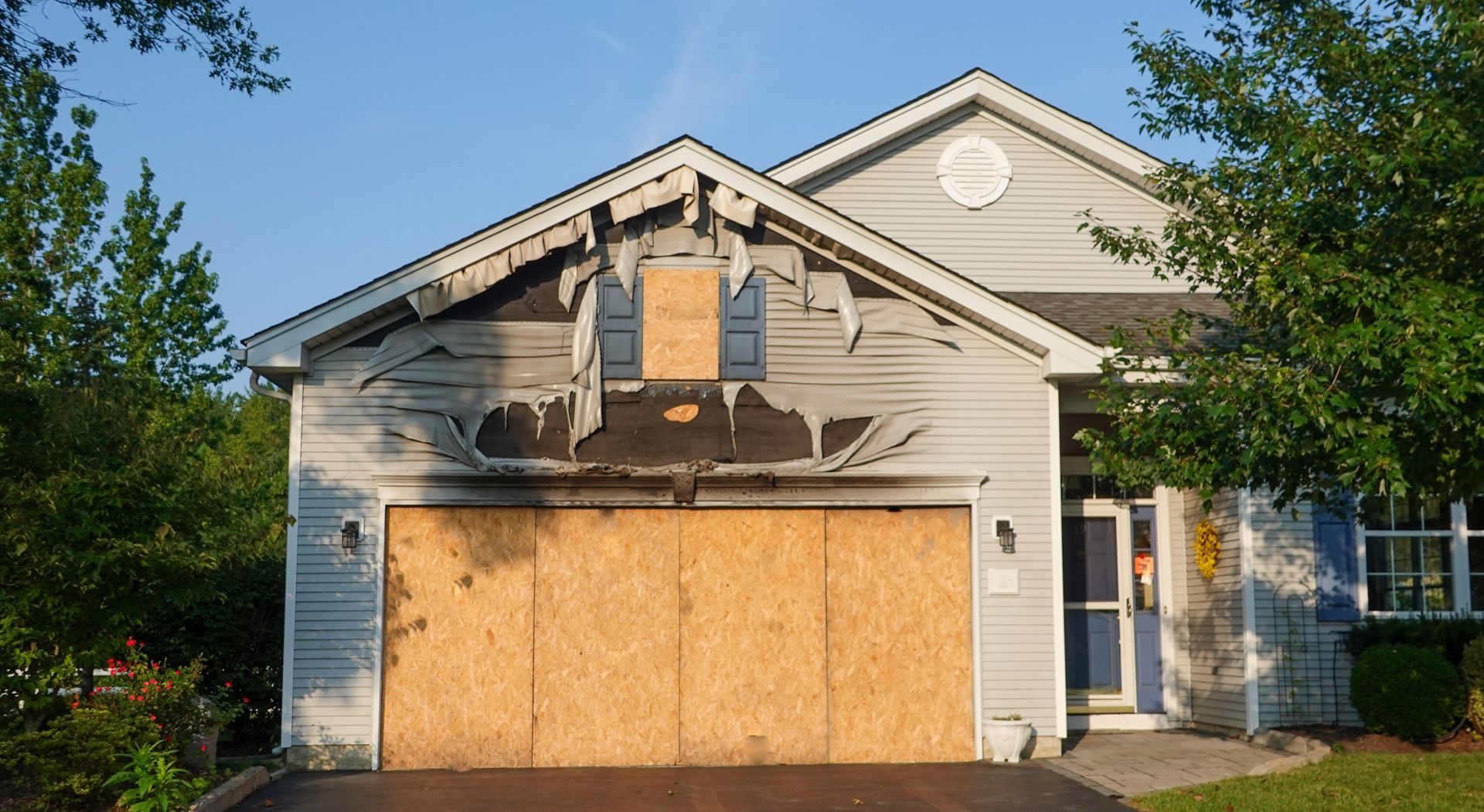
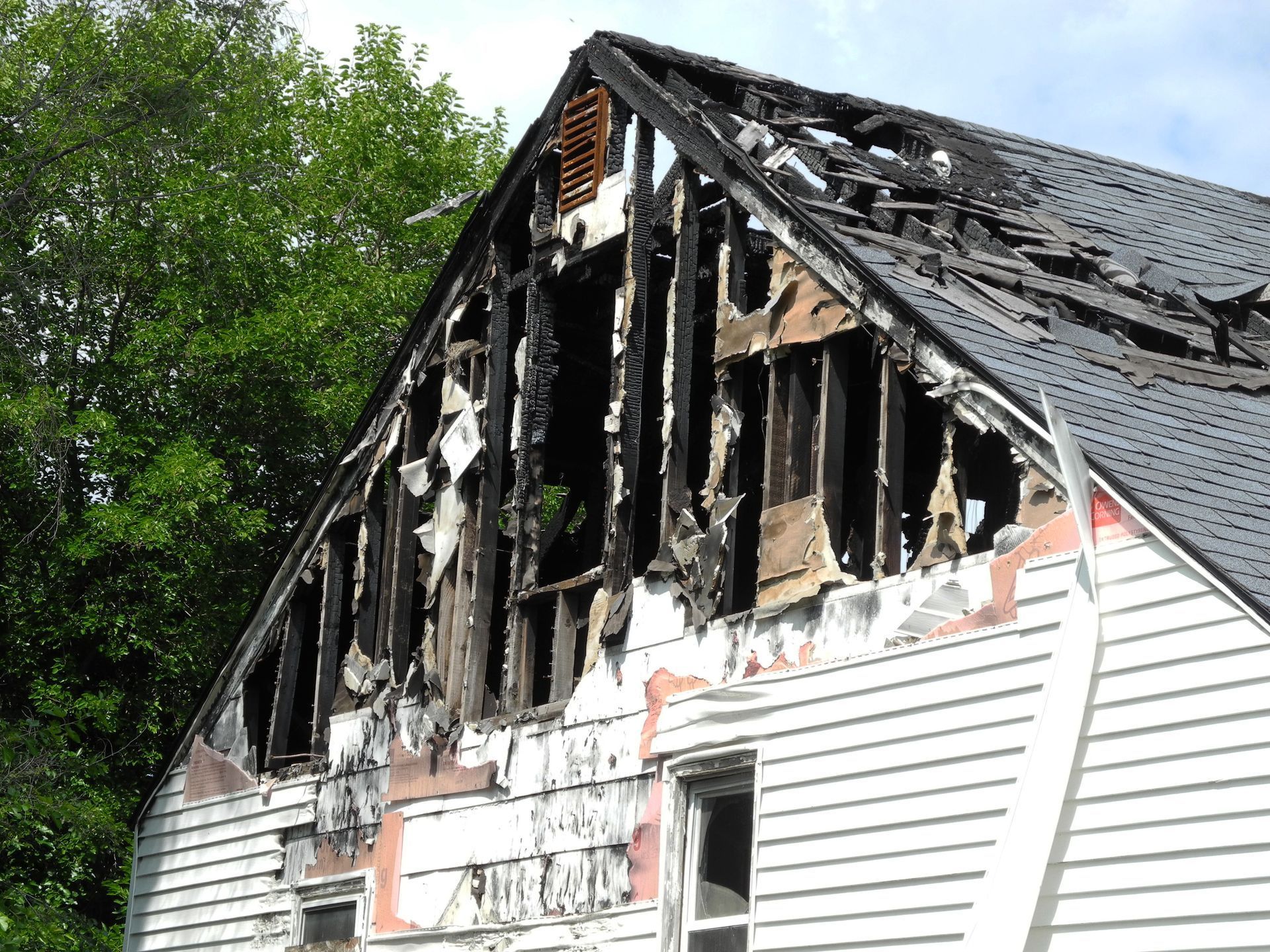
We help property owners recover after a fire with cleanup, smoke and odor removal, damage restoration, and reconstruction services.
Our team identifies affected areas, safely removes mold-contaminated materials, addresses excess moisture, and helps restore a healthier indoor environment.
Storm Damage Restoration
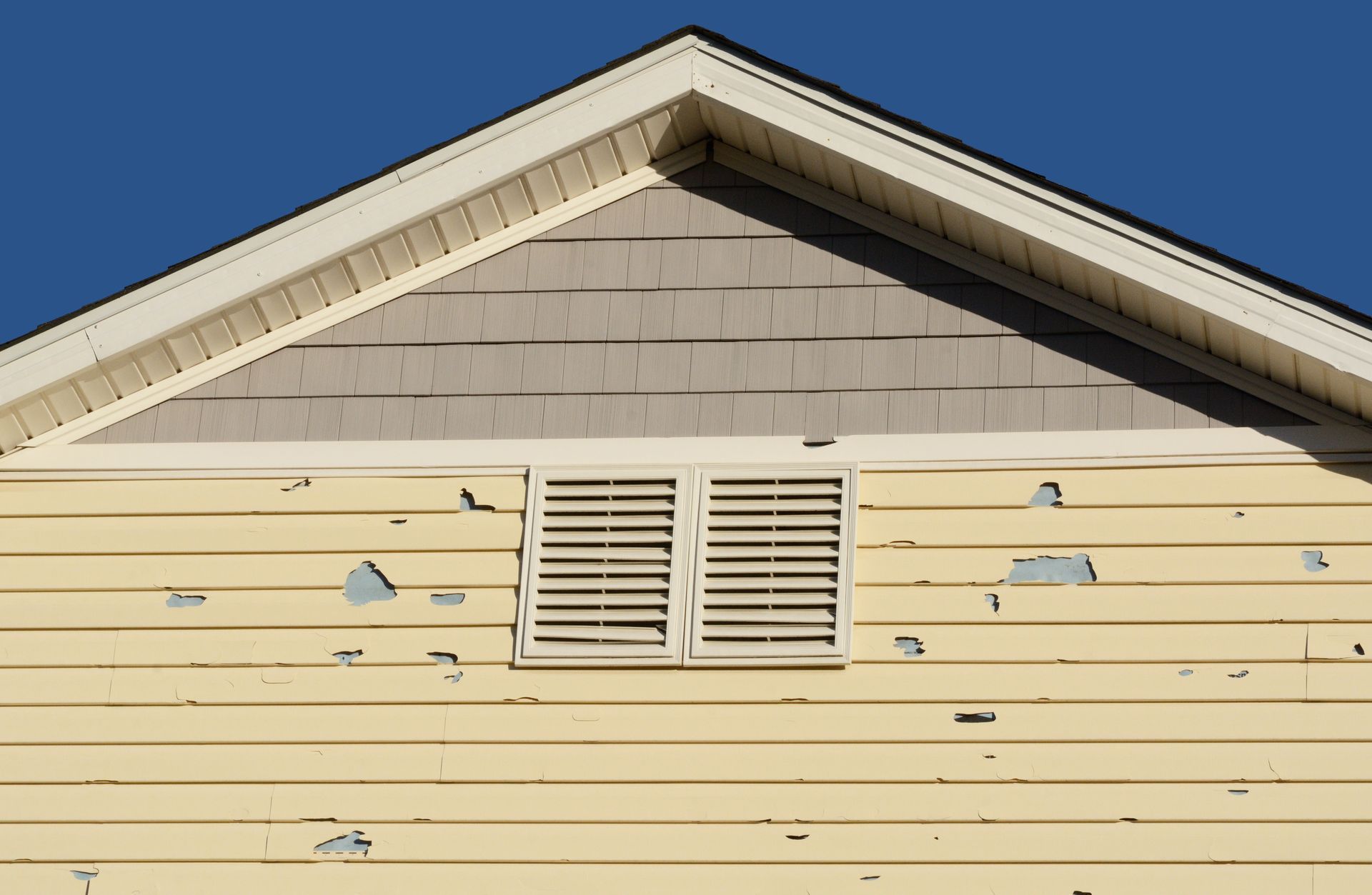
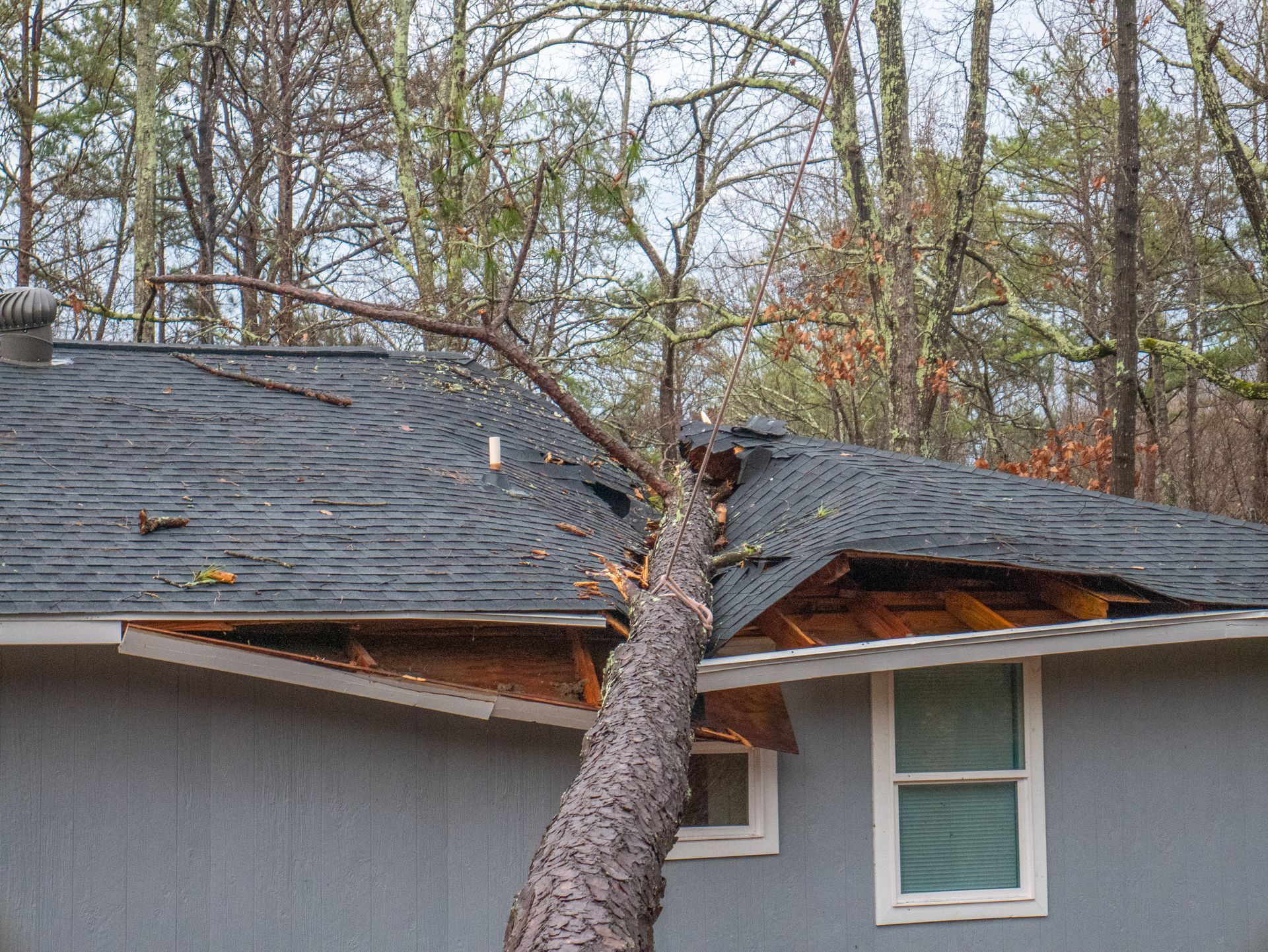
When severe weather damages your roof, siding, interior, or other parts of your property, we provide prompt repairs and complete restoration assistance.
Remodeling and Construction
Flynn & Co. also provides professional remodeling, reconstruction, and general construction services for homeowners ready to repair or improve their property.
Need Help Restoring Your Northeast Ohio Property?
Whether you are dealing with water, fire, smoke, mold, or storm damage—or planning a remodeling project—Flynn & Co. can help you determine the right next step. Contact our experienced team to schedule an assessment for your home or business.