What to Do When a Tree Falls on Your Hudson, Ohio Home

Flynn & Co. • July 30, 2026

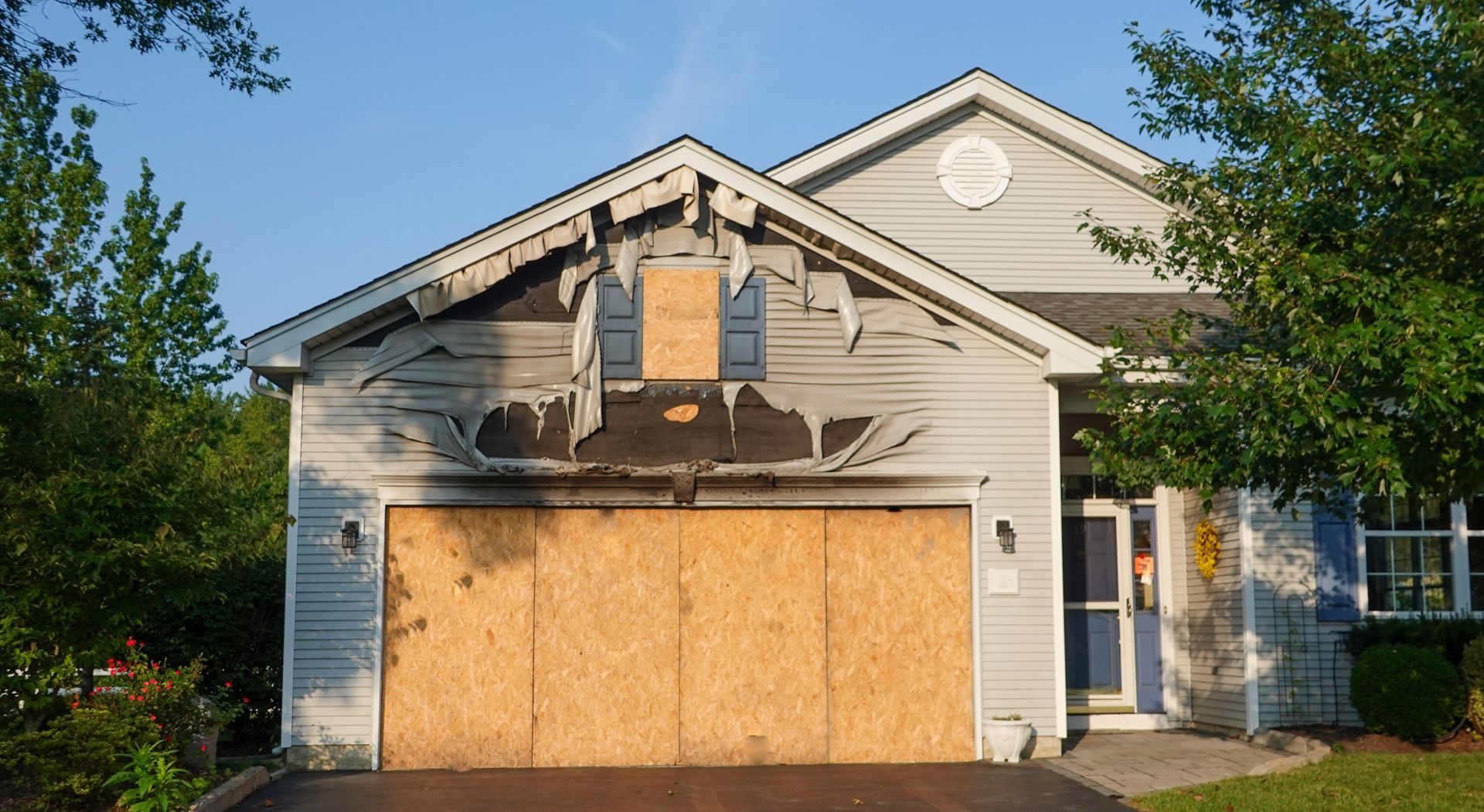
When a tree falls on a home, the damage can extend well beyond the part of the roof you can see from the yard. The impact may crack rafters, shift roof decking, break windows, tear siding, damage electrical service, and create openings that allow rain to move into the attic and walls.

For Hudson homeowners, the first goal is not cleanup. It is making sure everyone is safe, preventing additional damage, and documenting the condition before debris is moved. The steps below explain what to do and why a coordinated storm-restoration response matters.

Put Safety Ahead of Property Damage

Keep family members and pets away from the room or section of the home that was struck. A damaged roof or wall can look stable while framing, ceiling materials, masonry, or tree limbs remain under stress. If you hear cracking, see a sagging ceiling, smell gas, notice sparking, or find water near electrical equipment, leave the home and call 911 or the appropriate utility.

Do not climb onto the roof or walk beneath a suspended limb to inspect the damage. Wet shingles, broken decking, and shifting branches make post-storm roofs especially dangerous. Wait for emergency personnel or a qualified contractor to confirm where it is safe to enter.

What a Falling Tree Can Damage

A large limb may puncture the roof in one location, but the force of the impact can travel through the surrounding structure. Rafters and trusses can split, fasteners can pull loose, and roof decking can separate from framing. In an attached garage or addition, the impact may also affect the connection between the newer structure and the original home.

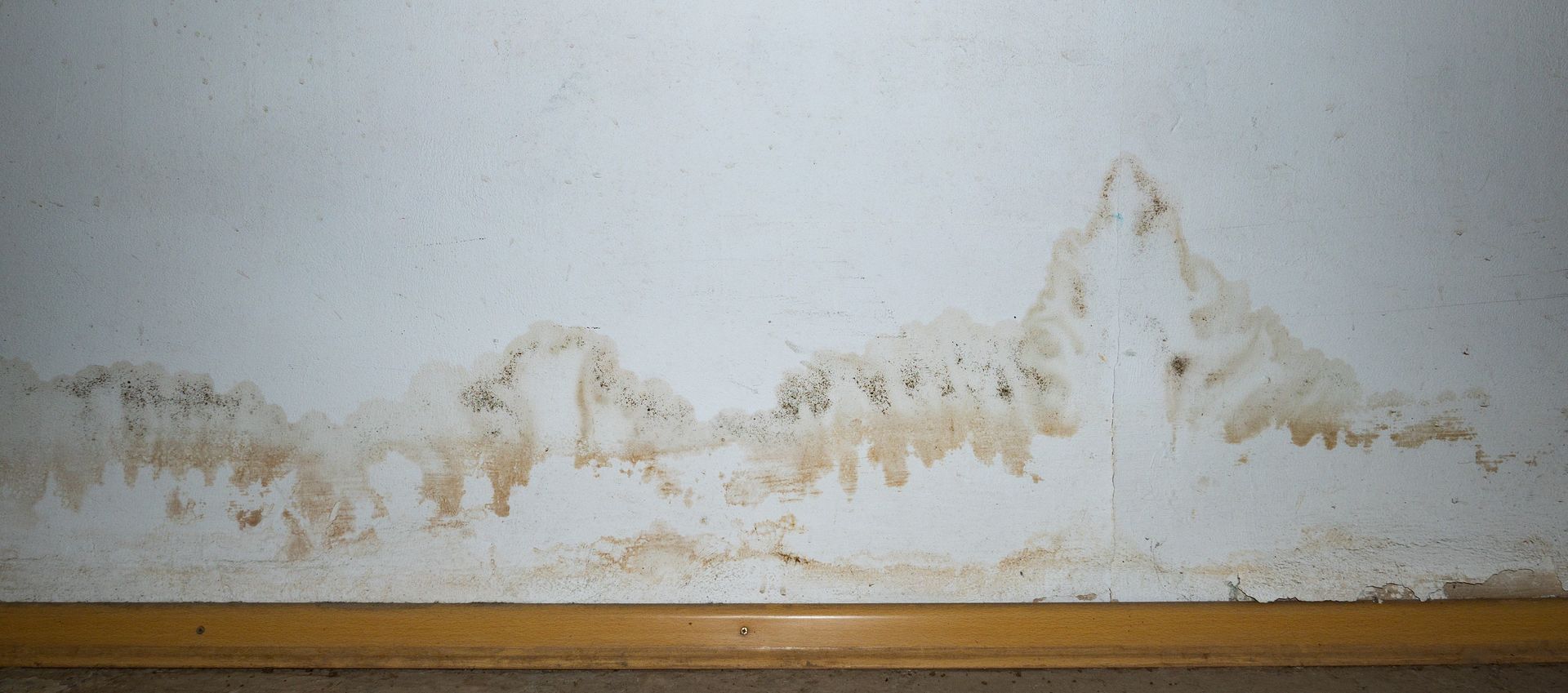
Rainwater can then follow framing, wiring, insulation, or wall cavities away from the visible opening. That is why an upstairs ceiling stain or damp wall may appear several rooms away from the point where the tree landed.

  • Roof and attic: damaged shingles, flashing, decking, trusses, rafters, vents, and wet insulation.
  • Exterior walls: cracked siding, damaged sheathing, broken windows, and open trim joints.
  • Interior finishes: wet drywall, ceiling damage, flooring, cabinetry, and personal belongings.
  • Utilities: electrical service, plumbing vents, gas lines, HVAC components, and solar equipment.

What to Do During the First Few Hours

  1. Move to a safe location. Leave the affected part of the house and call emergency services when structural, fire, gas, or electrical hazards may exist.
  2. Photograph the scene from a safe distance. Capture the tree, every side of the home, visible roof damage, broken windows, interior water, and damaged belongings.
  3. Contact your insurance company. Report the loss promptly and ask what documentation the carrier wants before debris removal or permanent repairs.
  4. Arrange emergency stabilization. The home may need temporary shoring, board-up, roof covering, water extraction, or utility isolation.
  5. Save receipts and notes. Record calls, contractor visits, temporary lodging, tree work, tarping, and other storm-related expenses.

Reasonable emergency work should not be delayed when waiting would allow more rain or structural movement to damage the home. When possible, document the original condition before temporary protection begins and photograph the completed emergency work as well.

Tree Removal and Building Stabilization Must Be Coordinated

Removing the tree is not always the first physical step. A restoration contractor or structural professional may need to determine how the limb is loading the roof and whether temporary supports are required. Cutting the wrong section can suddenly shift weight and cause additional collapse.

Once the structure is stabilized, the tree service can remove branches in a controlled sequence. The damaged opening can then be covered or boarded so the property is protected while the complete repair scope is developed. Flynn & Co. provides storm damage restoration for Northeast Ohio properties that need emergency protection, cleanup, and coordinated repairs.

Do Not Overlook Water Inside the Roof and Walls

A tarp can stop new rain, but it does not dry water that already entered the home. Wet insulation can hold moisture against wood framing and drywall, while water trapped beneath flooring or inside a wall cavity may remain hidden after the visible surface looks dry.

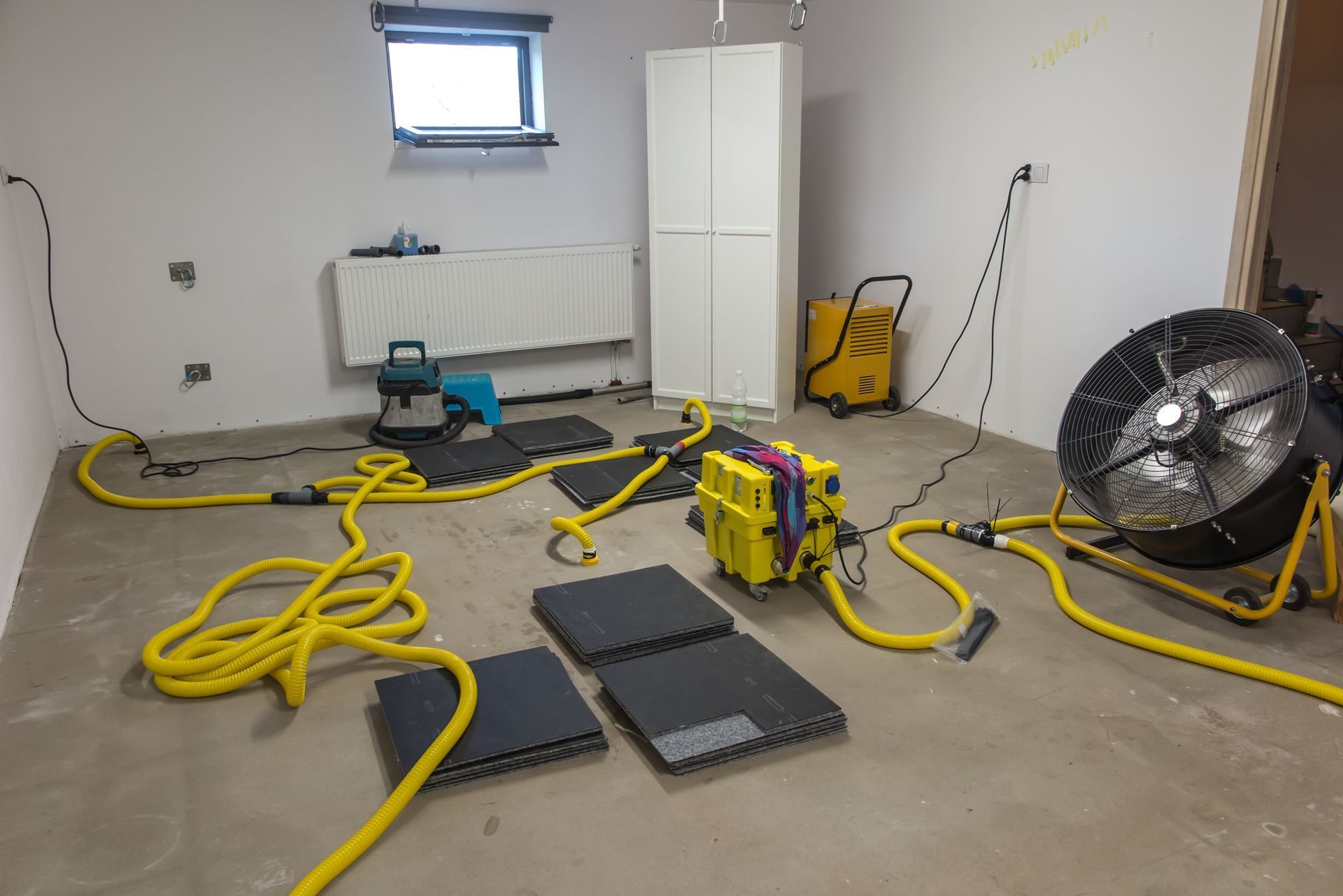
A professional moisture assessment can identify how far the water traveled and which materials can be dried in place. When rain has entered the building, water damage restoration in Hudson may include extraction, removal of unsalvageable materials, controlled air movement, dehumidification, and moisture monitoring.

Document the Damage Before Permanent Repairs

Take wide photos that show the location of the damage and close photos that show details such as cracked framing, broken shingles, wet insulation, damaged contents, and water staining. A slow video walkthrough can help establish how rooms connect and where debris or water was found.

Keep a written timeline with the time of the storm, when the damage was discovered, who was contacted, and what emergency steps were completed. Save estimates, invoices, drying records, tree-removal documentation, and repair photos together. Coverage decisions are made by the insurer under the policy, but clear records make it easier to explain the condition and the work performed.

From Emergency Protection to Reconstruction

After the tree is removed and the home is dry, the repair phase can begin. The scope may include structural framing, roof decking, shingles, siding, windows, insulation, drywall, paint, flooring, and electrical or mechanical work. Older Hudson homes may also require careful material matching and attention to complex rooflines or previous additions.

Using one team to coordinate mitigation and repairs and reconstruction helps preserve documentation from the first inspection through the final finish work. It also reduces the chance that hidden moisture or structural damage will be covered before it is properly addressed.

Frequently Asked Questions

Should I remove the tree before calling my insurance company?

Address immediate life-safety hazards first and notify the insurer promptly. Tree removal may be necessary to stabilize the home or prevent more damage, but photograph the scene before work begins whenever it is safe and practical.

Can I tarp the damaged roof myself?

A roof struck by a tree may have broken decking or unstable framing, even if the surface looks walkable. Professional temporary protection is the safer choice when the opening is elevated, wet, steep, or structurally compromised.

Why is moisture testing needed after the opening is covered?

Water can travel through insulation, framing, and wall cavities before a stain appears. Moisture readings help locate hidden wet areas and confirm that materials have reached appropriate drying goals before repairs close them in.

Can one company handle cleanup and rebuilding?

Yes. Flynn & Co. can coordinate emergency protection, water mitigation, cleanup, structural repairs, and finish reconstruction as one restoration plan.

Get Help After Tree Damage in Hudson

If a tree has struck your Hudson home, keep everyone safe and protect the property from additional weather as quickly as conditions allow. Call (330) 432-7414 or contact Flynn & Co. to request an assessment.

Related Services

Restoration and Construction Services for Northeast Ohio Property Owners:


When water, fire, storms, mold, or structural damage affects your property, Flynn & Co. is ready to help. Our experienced team provides complete restoration and construction services for homes and businesses throughout Northeast Ohio.


Water Damage Restoration
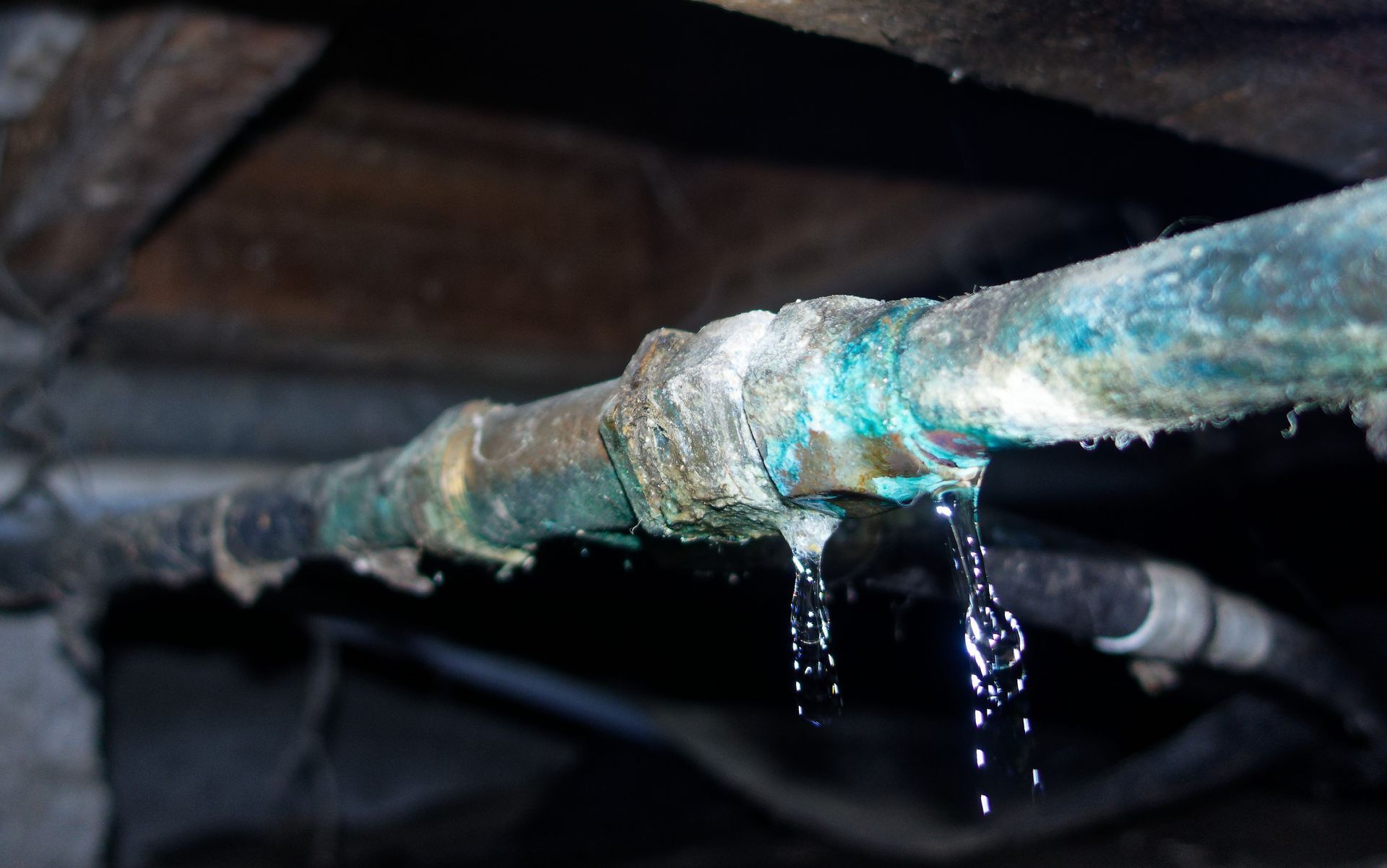
From plumbing leaks and appliance failures to flooded basements, we locate the source of the water, remove moisture, dry affected materials, and repair the damage.


Fire and Smoke Damage Restoration
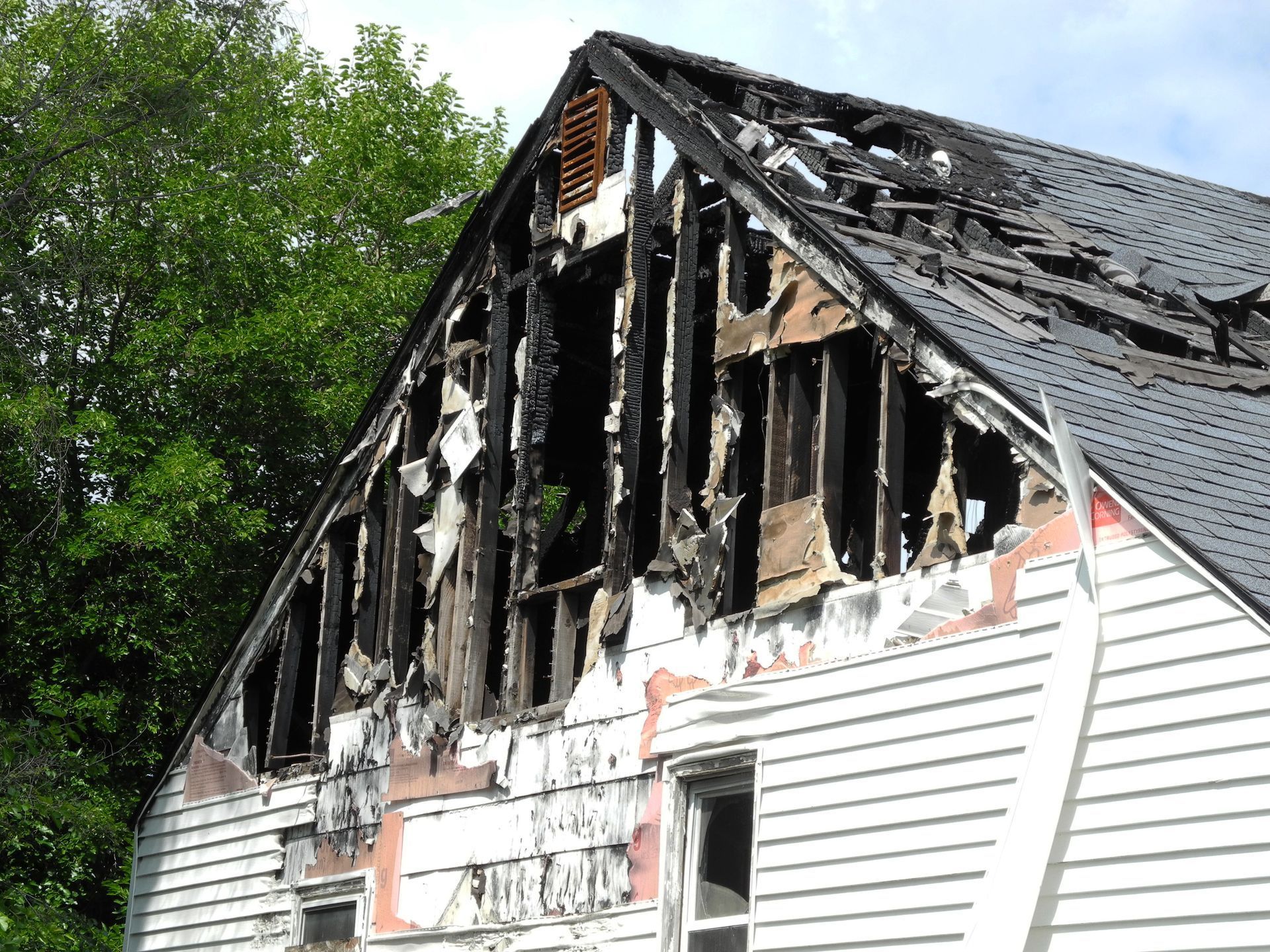
We help property owners recover after a fire with cleanup, smoke and odor removal, damage restoration, and reconstruction services.


Mold Remediation

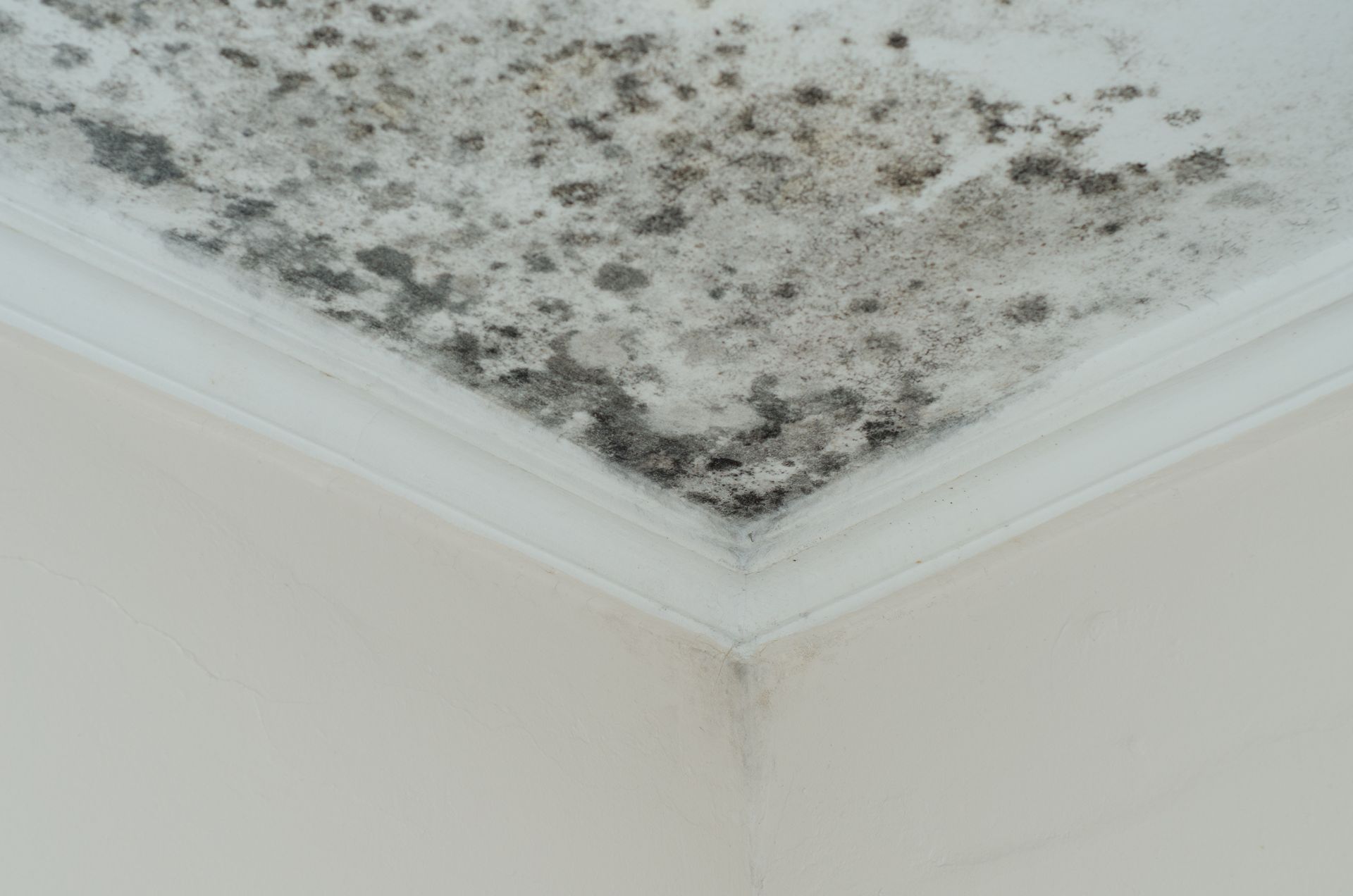
 Our team identifies affected areas, safely removes mold-contaminated materials, addresses excess moisture, and helps restore a healthier indoor environment.


Storm Damage Restoration
When severe weather damages your roof, siding, interior, or other parts of your property, we provide prompt repairs and complete restoration assistance.


Remodeling and Construction
Flynn & Co. also provides professional remodeling, reconstruction, and general construction services for homeowners ready to repair or improve their property.

Need Help Restoring Your Northeast Ohio Property?

Whether you are dealing with water, fire, smoke, mold, or storm damage—or planning a remodeling project—Flynn & Co. can help you determine the right next step. Contact our experienced team to schedule an assessment for your home or business.

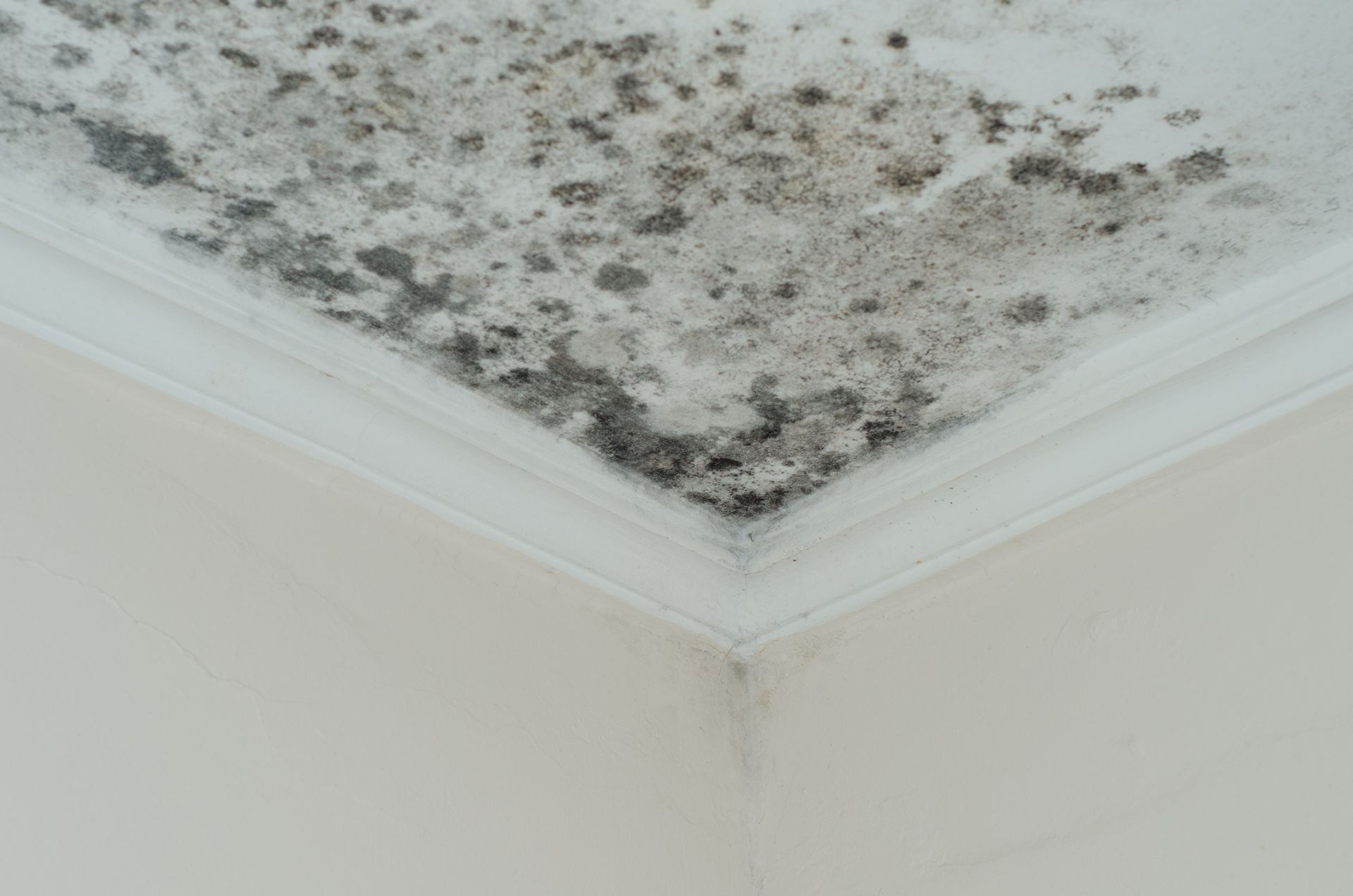
Mold and water damage on a white ceiling corner near the molding
By Flynn & Co. July 24, 2026
A musty odor after rain often points to foundation seepage, high humidity, drainage trouble, a sump-pump problem, or hidden wet materials. Here is how to find the source before the damage spreads.
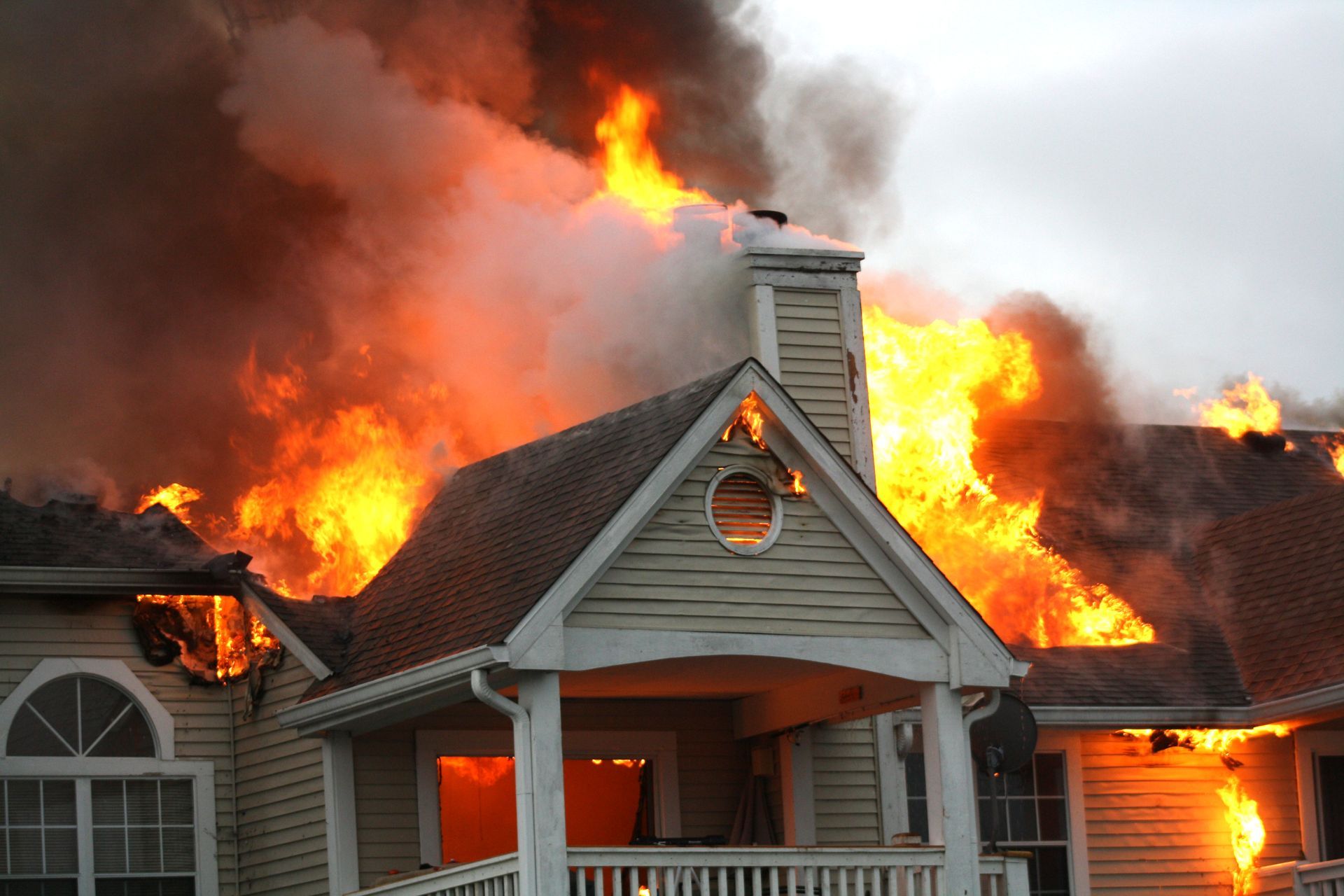
House engulfed in flames with thick smoke pouring from the roof and windows
July 8, 2026
Learn the most common causes of house fires in Northeast Ohio homes, including cooking, heating, electrical issues, dryers, and storm-related risks.
June 3, 2026
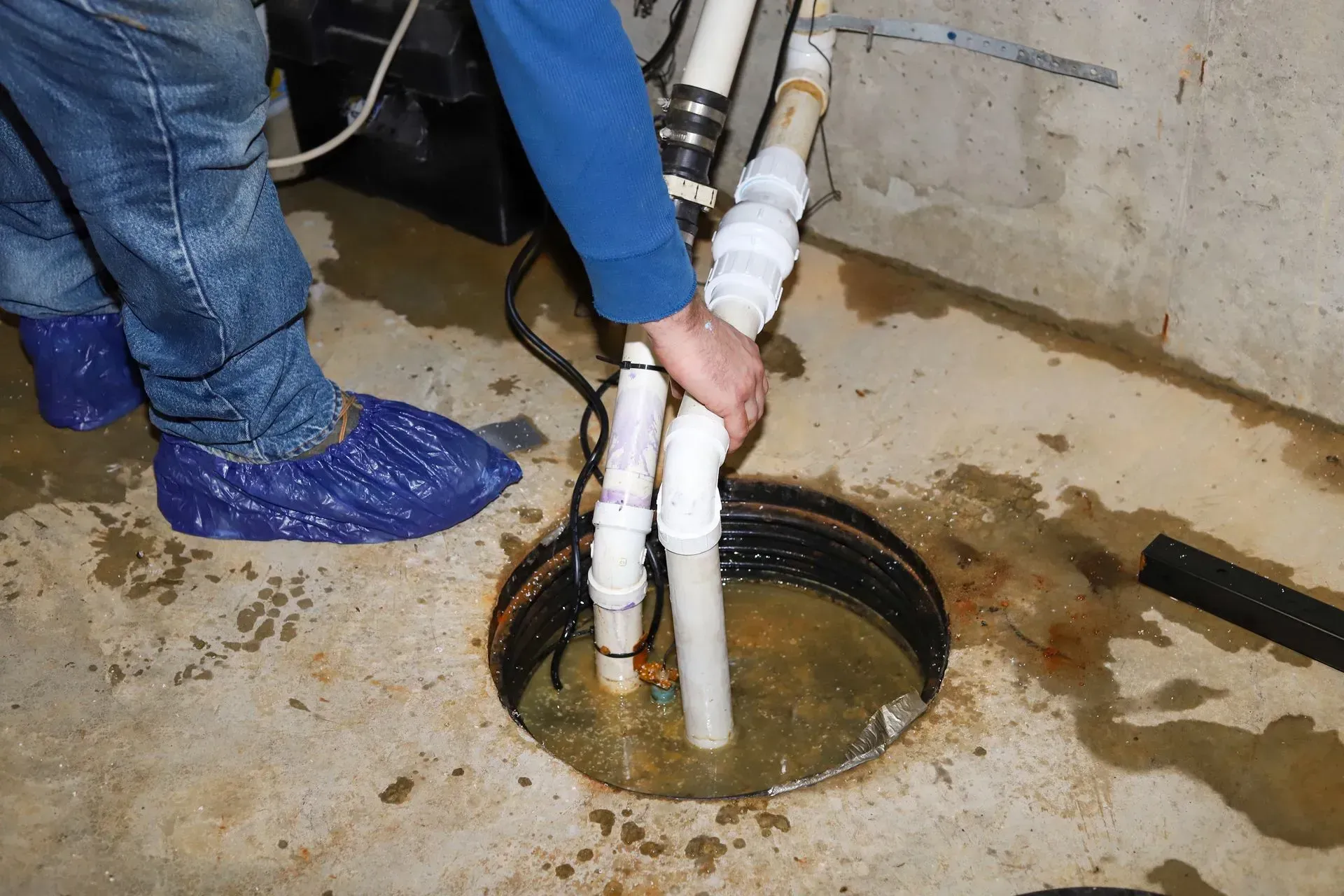
In Northeast Ohio, basements are especially vulnerable to water intrusion because of heavy rain, melting snow, saturated soil, aging drainage systems, and sudden spring or summer storms. For many homeowners in communities like Macedonia, Hudson, Twinsburg, Aurora, Streetsboro, Chagrin Falls, and surrounding areas, the

May 21, 2026
Older homes are part of what makes Northeast Ohio communities like Hudson, Chagrin Falls, and Moreland Hills so beautiful. From historic homes near downtown Hudson to wooded properties in Moreland Hills and character-filled houses throughout Chagrin Falls, these homes often have craftsmanship, charm, and architectural
By Terry Dorland May 5, 2026
When a hailstorm hits Northeast Ohio, the damage is not always obvious right away. Some hail damage is easy to spot, like broken siding, dented gutters, or shattered roof shingles. Other damage may be hidden until the next rainstorm, when water starts leaking into your attic, ceiling, walls, or basement.The first 24 ho
April 22, 2026
When water or fire damage hits your home, the restoration work is only part of the challenge. For many homeowners in Northeast Ohio, the insurance claim process feels just as stressful as the damage itself. Between emergency mitigation, documentation, adjuster visits, estimates, and repairs, it is easy to feel overwhel
By Terry Dorland April 3, 2026
A flooded basement can go from a minor inconvenience to a major home repair problem fast. In Northeast Ohio, basement flooding is especially common because homes often deal with heavy rain, saturated ground, aging drainage systems, freeze-thaw cycles, and dense clay-heavy soils that do not drain well. Poor drainage and
March 20, 2026
Water damage is never something homeowners want to deal with. Whether it starts with a burst pipe, a flooded basement, a roof leak, or a sump pump failure, the first priority is always drying the property, removing damaged materials, and restoring the home to a safe condition. But once the cleanup is underway, many hom
March 3, 2026
Northeast Ohio storms are no joke. From heavy spring rains and summer windstorms to hail events and winter ice damage, homeowners across Hudson, Twinsburg, Aurora, and Streetsboro experience property damage every single year.
February 17, 2026
Water damage is stressful on its own, but what many homeowners don’t realize is how quickly mold growth can follow—especially in Ohio’s humid, four-season climate. Whether it’s a flooded basement, a slow plumbing leak, or water intrusion after heavy rain, mold can begin forming before visible damage ever appears.