After a Kitchen Fire: Smoke and Odor Cleanup for Macedonia Homes

Flynn & Co. • August 13, 2026

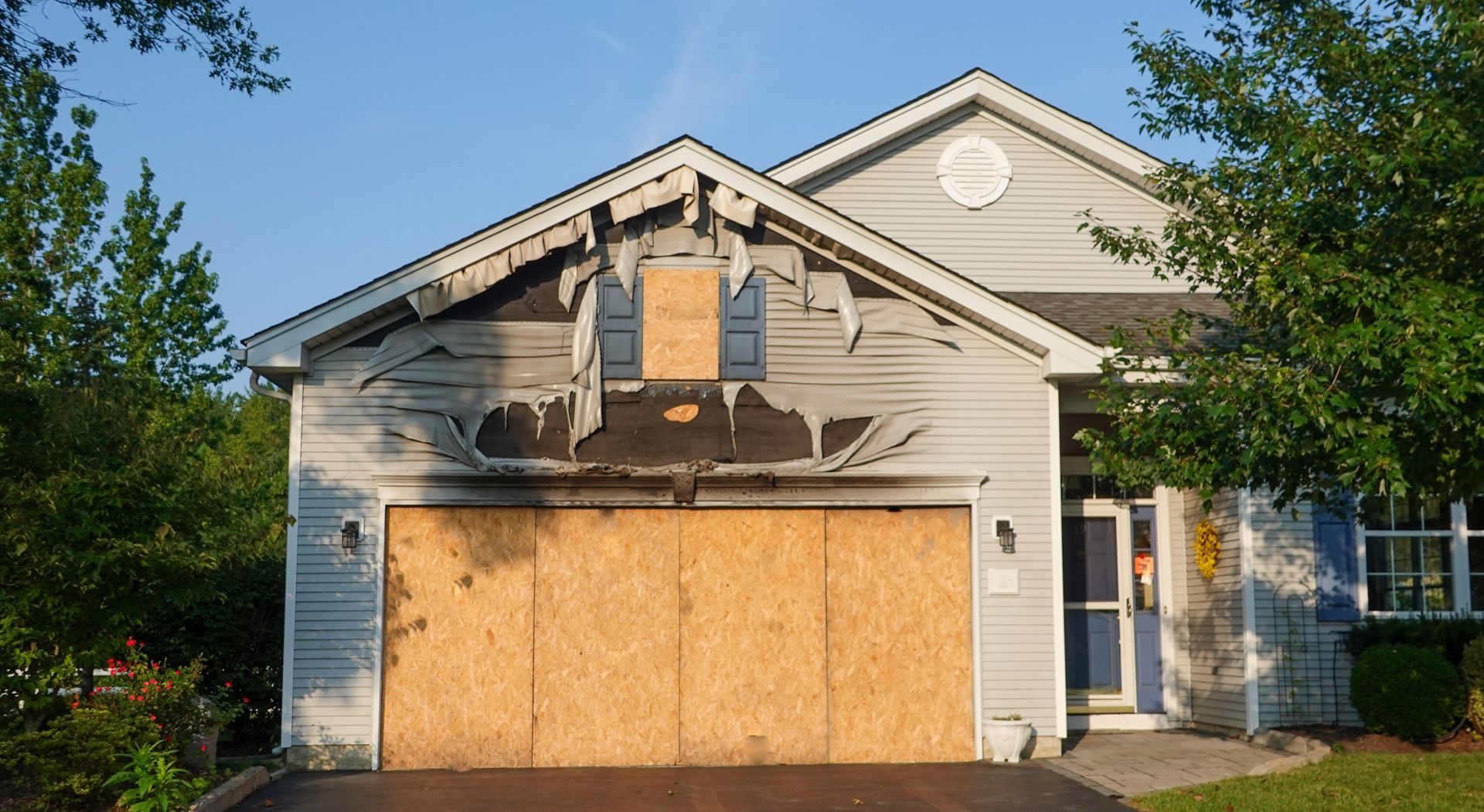
A kitchen fire can be contained to the stove and still affect rooms throughout the house. Heat, smoke, soot, cooking oils, and fire-extinguisher residue can move into cabinets, hallways, HVAC pathways, and porous materials that never touched the flames. Water used to extinguish the fire can create a second layer of damage.

After the fire department has cleared the Macedonia property, resist the urge to begin scrubbing immediately. The wrong cleaner or technique can smear soot, set stains, damage finishes, and push odor deeper into materials.

Wait for Official Clearance Before Entering

Do not re-enter until the fire department or appropriate authority says it is safe. A small kitchen fire may damage wiring, gas connections, appliances, cabinets, ceiling components, or structural materials. Utilities may need to remain off until they are inspected.

If the home is released for limited access, wear appropriate protection and avoid disturbing ash or soot. Keep children and pets away, and do not consume food, medicine, or cosmetics that were exposed to heat, smoke, or suppression chemicals.

Why Smoke Damage Spreads Beyond the Kitchen

Hot smoke rises and follows air movement through doorways, stairwells, return-air grilles, wall openings, and ceiling cavities. Fine particles can settle on surfaces far from the fire. In an open floor plan, residue may reach the dining room, living room, and upper level within minutes.

Closed doors can reduce smoke movement, but they do not create a perfect seal. Residue may pass through gaps around doors, electrical penetrations, shared wall cavities, and attic spaces. A room that looks clean can still have odor absorbed into fabric, unfinished wood, insulation, or dust.

Different Fires Leave Different Residues

A grease or protein fire can produce a nearly invisible film with a strong, persistent odor. Burned plastics and synthetic materials may leave oily soot that smears easily, while a slower, cooler fire may create heavier deposits on walls and contents.

Because the residue varies, cleaning methods must match both the source of the smoke and the affected surface. Painted drywall, natural stone, stainless steel, unfinished wood, electronics, upholstery, and cabinet finishes cannot all be cleaned the same way.

What Not to Do After a Kitchen Fire

  • Do not wipe soot with a wet household rag or general-purpose cleaner.
  • Do not run an HVAC system that may have drawn in smoke.
  • Do not use upholstered furniture, bedding, or clothing until it has been evaluated.
  • Do not repaint stained walls before proper cleaning and odor treatment.
  • Do not plug in appliances or use damaged electrical circuits.
  • Do not discard damaged items before photographing them when a claim may be involved.

Opening windows may be appropriate in some cleared situations, but airflow can also move loose soot into new areas. Follow the direction of the fire department or restoration team instead of creating strong air movement on your own.

Document the Fire and Smoke Damage

Take wide photos of each affected room and closer photos of burned materials, soot patterns, appliance damage, cabinet interiors, ceiling residue, and wet areas. Make a room-by-room list of damaged contents and note brand, model, age, and condition when that information is available.

Save fire-department information, contractor estimates, temporary-lodging receipts, emergency-service invoices, and all communication related to the loss. Your insurance carrier determines coverage under the policy, but organized documentation helps establish what happened and what work was necessary.

Professional Smoke and Odor Cleanup

A professional assessment identifies the fire source, the path smoke traveled, the types of residue present, and the materials that can be cleaned. The restoration plan may include controlled removal of debris, HEPA vacuuming, dry or wet cleaning, surface-specific treatment, contents cleaning, and odor control.

Odor treatment works best after contaminated debris and residue are removed. Fragrance alone only masks the smell. Flynn & Co. provides fire and smoke damage restoration for Macedonia and surrounding Northeast Ohio communities.

Do Not Forget Firefighting Water

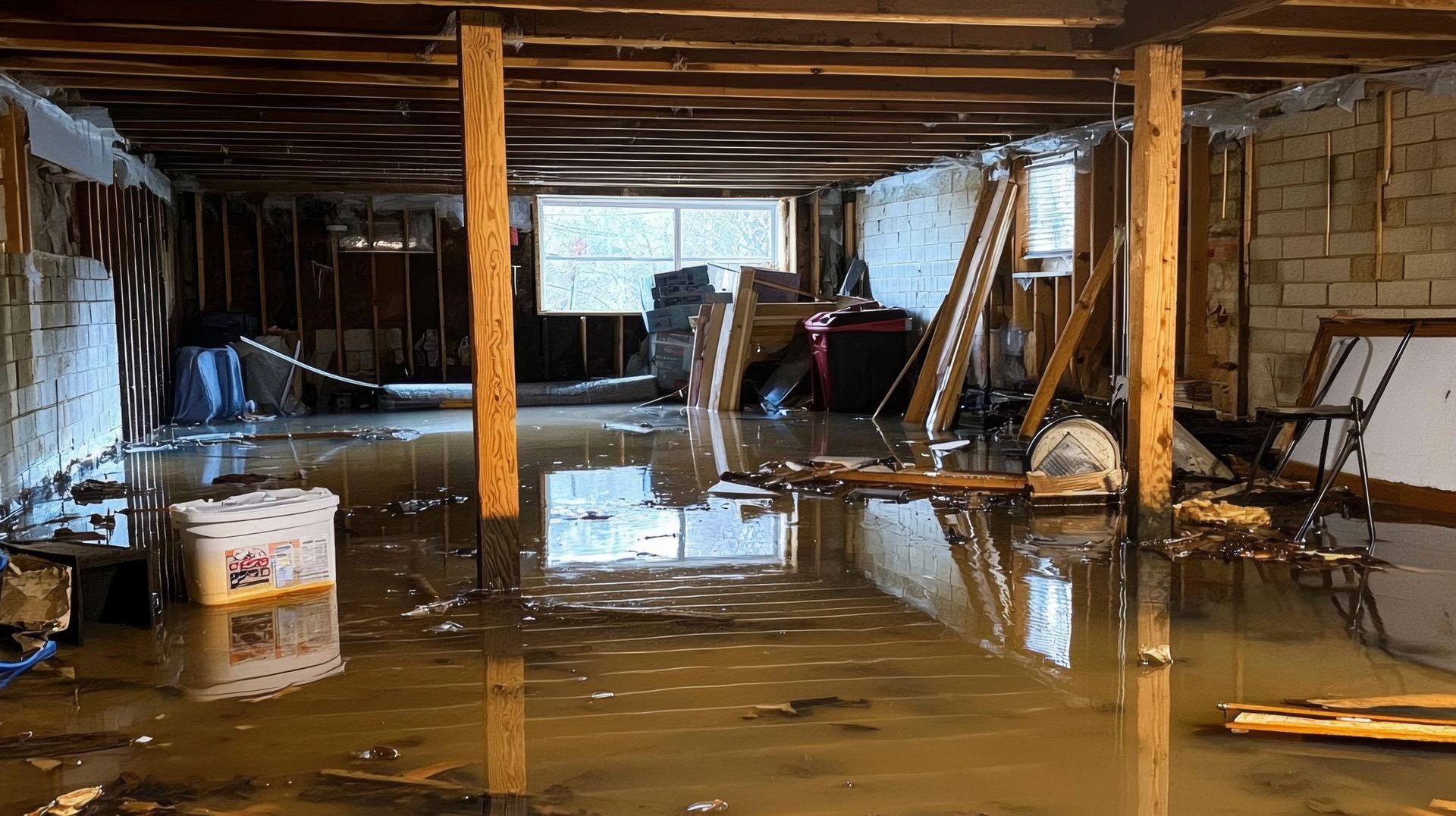
Water can run beneath cabinets, behind baseboards, through floor openings, and into the level below the kitchen. Wet insulation, subflooring, drywall, and cabinet components may remain damp even after surface water is removed.

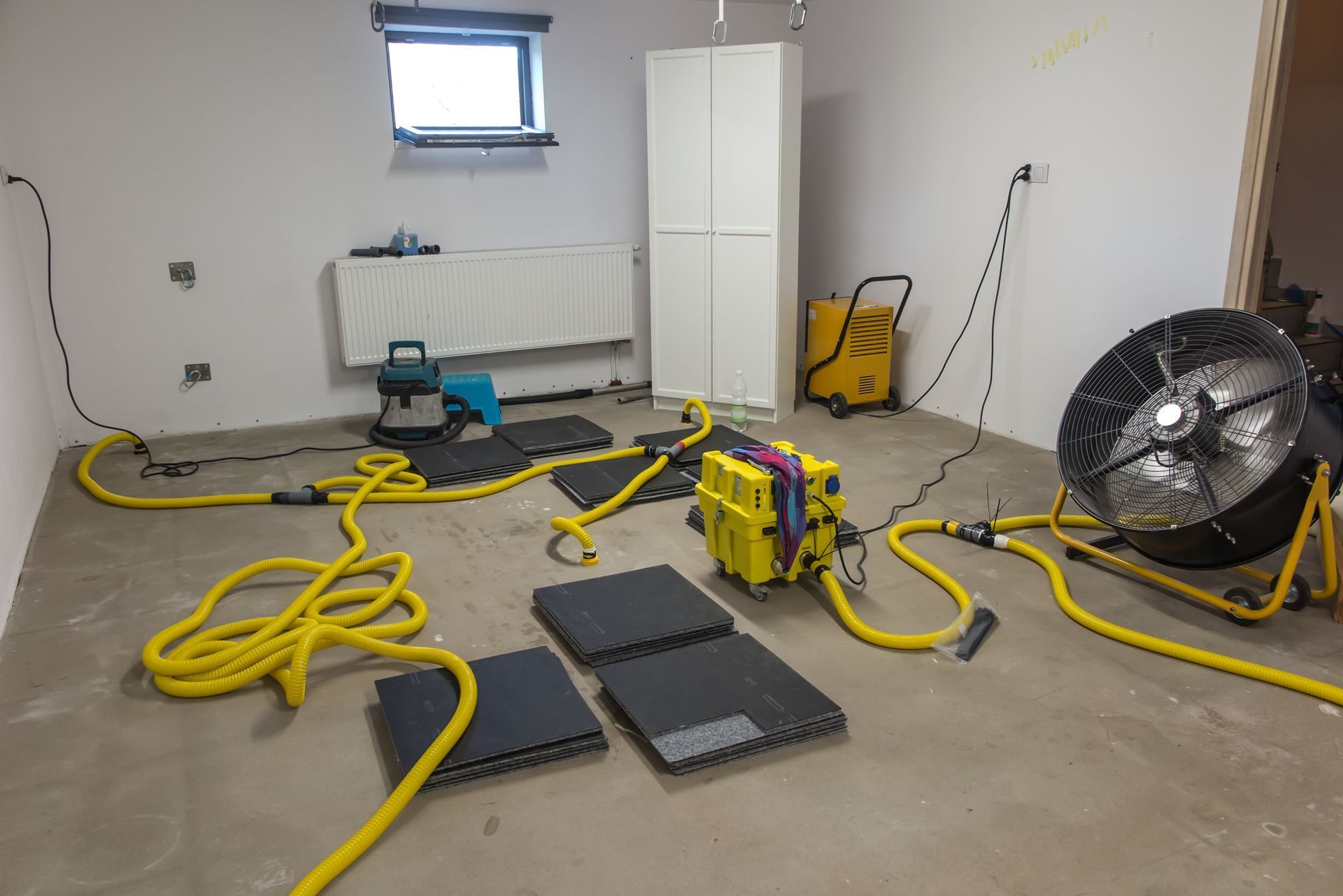
Moisture testing helps locate these hidden areas before swelling, staining, or microbial growth develops. When suppression water has affected the home, water damage restoration in Macedonia may be required alongside smoke cleanup.

What Happens to Cabinets, Contents, and Appliances?

Cabinets close to the fire may be damaged by heat, water, and residue inside joints or unfinished surfaces. Some can be cleaned and refinished, while others may have warped boxes, delaminated panels, or odor that cannot be removed economically.

Appliances should be evaluated before use, especially when heat affected wiring, controls, gas connections, or insulation. Contents may be cleaned on site, transported for specialty cleaning, or documented as non-restorable depending on material and condition.

Reconstruction After Cleanup

Once the home is clean, dry, and safe, reconstruction can begin. The scope may include framing, insulation, drywall, cabinets, countertops, flooring, paint, electrical work, plumbing, and finish carpentry.

Flynn & Co. can coordinate fire-damage reconstruction after mitigation, keeping the findings from the original assessment connected to the repair plan. This is especially helpful when concealed smoke or water damage changes the scope after damaged finishes are removed.

Frequently Asked Questions

Can I stay in my home after a small kitchen fire?

That depends on fire-department clearance, utility safety, air quality, structural conditions, and the extent of residue. A home can be unsafe or unhealthy to occupy even when the burned area appears small.

Will smoke odor eventually go away on its own?

Persistent odor usually means smoke residue remains on surfaces or inside porous materials. Removing the source and cleaning affected materials is more reliable than waiting or masking the smell.

Can soot stains simply be painted over?

Painting before proper cleaning can trap odor and allow staining to bleed through the new finish. Surfaces should be evaluated, cleaned, and prepared with the appropriate restoration system first.

Does fire restoration include water damage?

It should account for the entire loss. Suppression water, plumbing damage, and wet building materials may require extraction and drying before smoke cleaning and reconstruction are completed.

Get Help After a Kitchen Fire in Macedonia

If smoke, soot, odor, or firefighting water has affected your home, wait for clearance and avoid aggressive cleaning. Call (330) 432-7414 or contact Flynn & Co. for an assessment and restoration plan.

Related Services

Restoration and Construction Services for Northeast Ohio Property Owners:


When water, fire, storms, mold, or structural damage affects your property, Flynn & Co. is ready to help. Our experienced team provides complete restoration and construction services for homes and businesses throughout Northeast Ohio.


Water Damage Restoration
From plumbing leaks and appliance failures to flooded basements, we locate the source of the water, remove moisture, dry affected materials, and repair the damage.


Fire and Smoke Damage Restoration
We help property owners recover after a fire with cleanup, smoke and odor removal, damage restoration, and reconstruction services.


Mold Remediation

 Our team identifies affected areas, safely removes mold-contaminated materials, addresses excess moisture, and helps restore a healthier indoor environment.


Storm Damage Restoration
When severe weather damages your roof, siding, interior, or other parts of your property, we provide prompt repairs and complete restoration assistance.


Remodeling and Construction
Flynn & Co. also provides professional remodeling, reconstruction, and general construction services for homeowners ready to repair or improve their property.

Need Help Restoring Your Northeast Ohio Property?

Whether you are dealing with water, fire, smoke, mold, or storm damage—or planning a remodeling project—Flynn & Co. can help you determine the right next step. Contact our experienced team to schedule an assessment for your home or business.

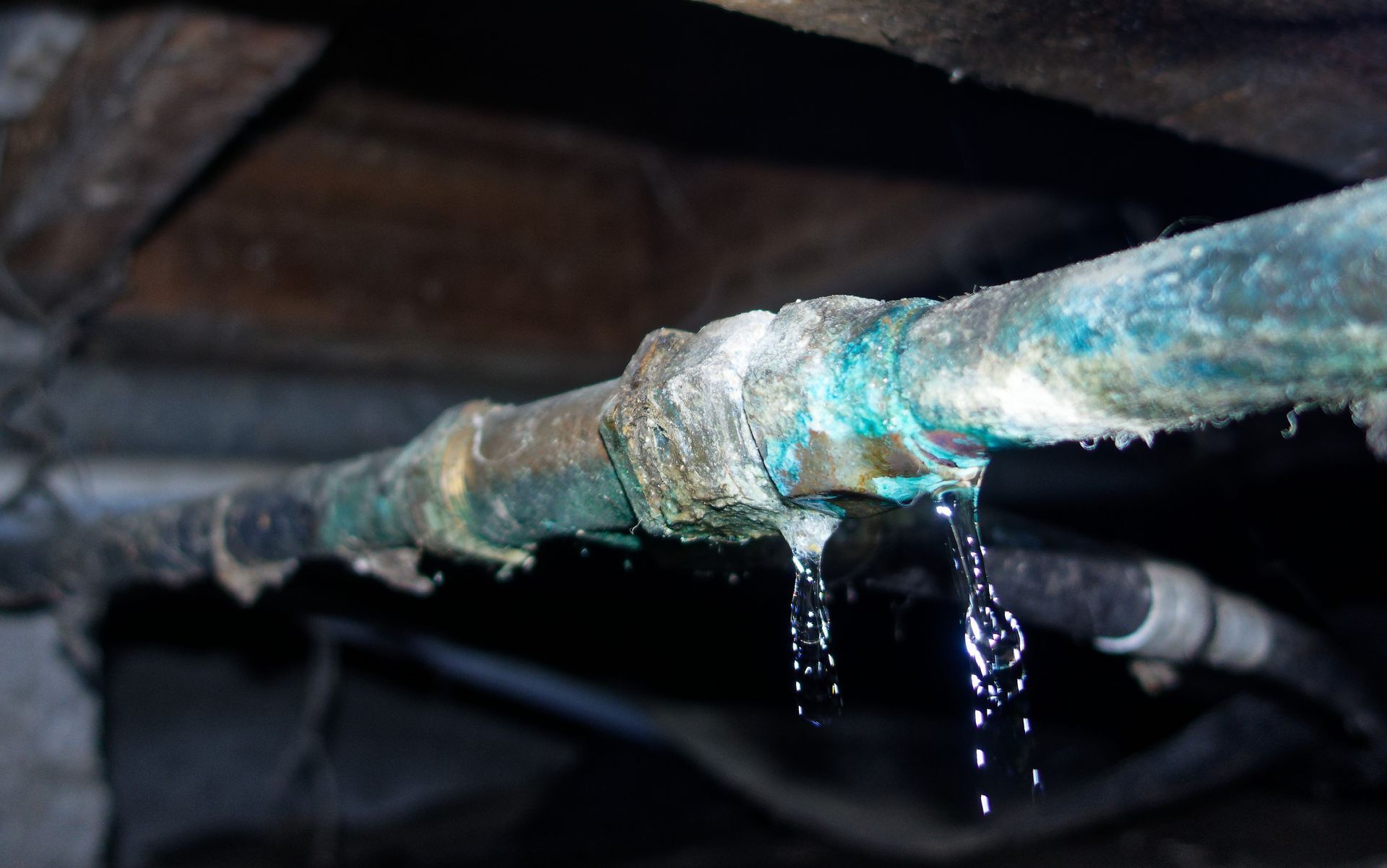
Leaking corroded pipe with water dripping in a dark crawl space
By Flynn & Co. August 6, 2026
Northeast Ohio freezes can turn exposed or poorly insulated plumbing into a major water-loss risk.
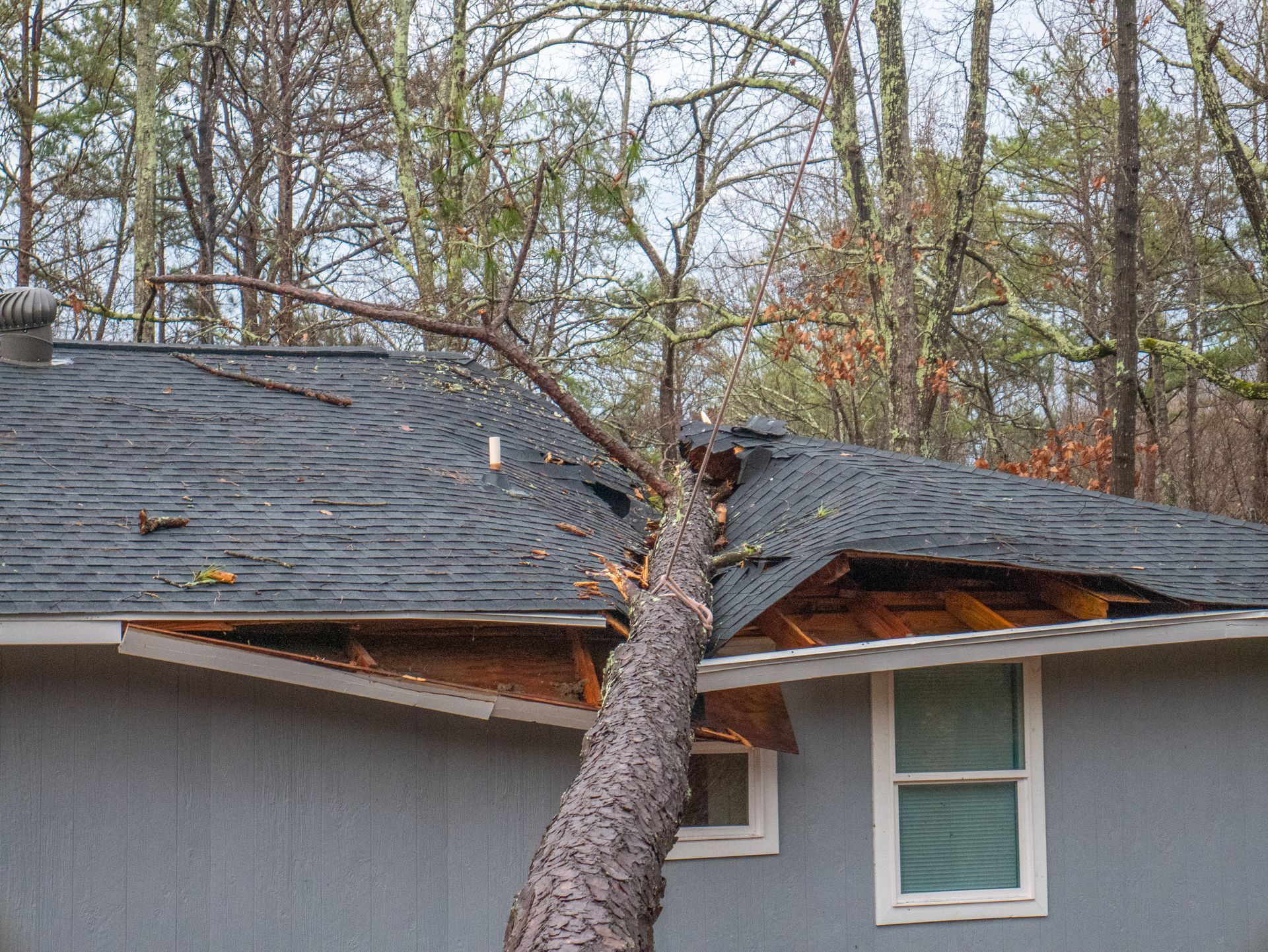
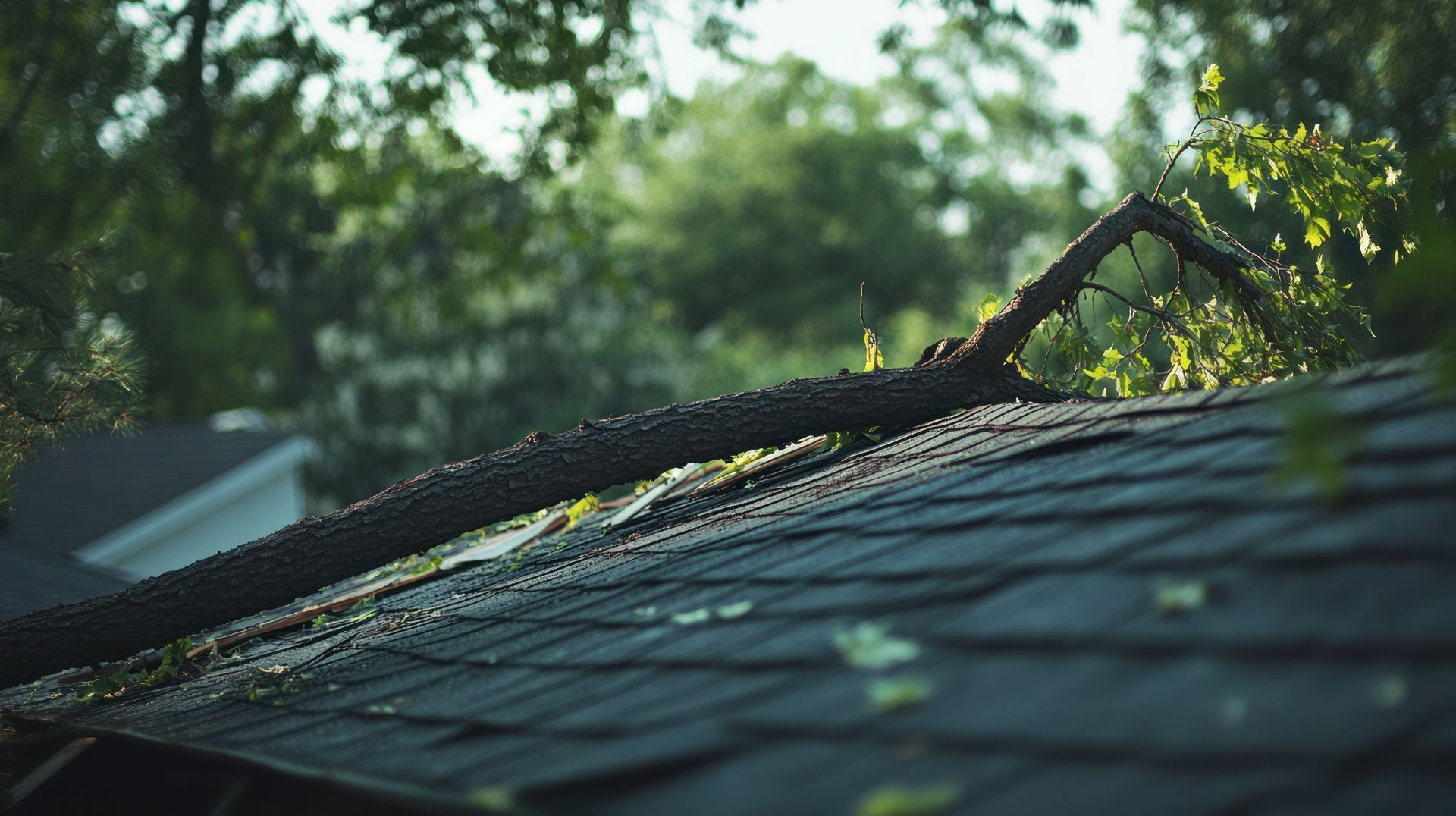
A fallen tree has crushed the roof of a gray house in a wooded area.
By Flynn & Co. July 30, 2026
A fallen tree can damage roofing, framing, siding, windows, utilities, and interior finishes in seconds.
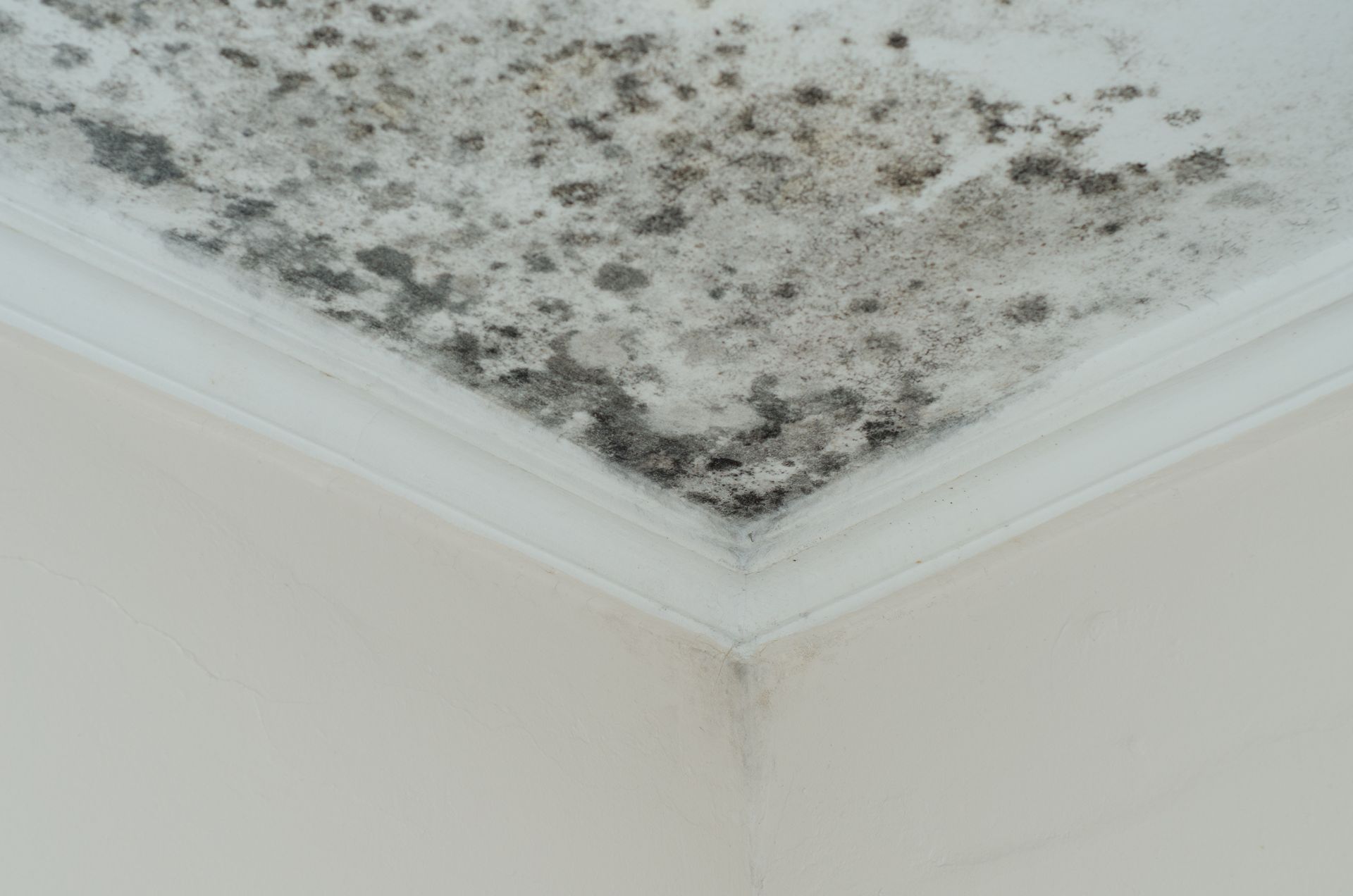
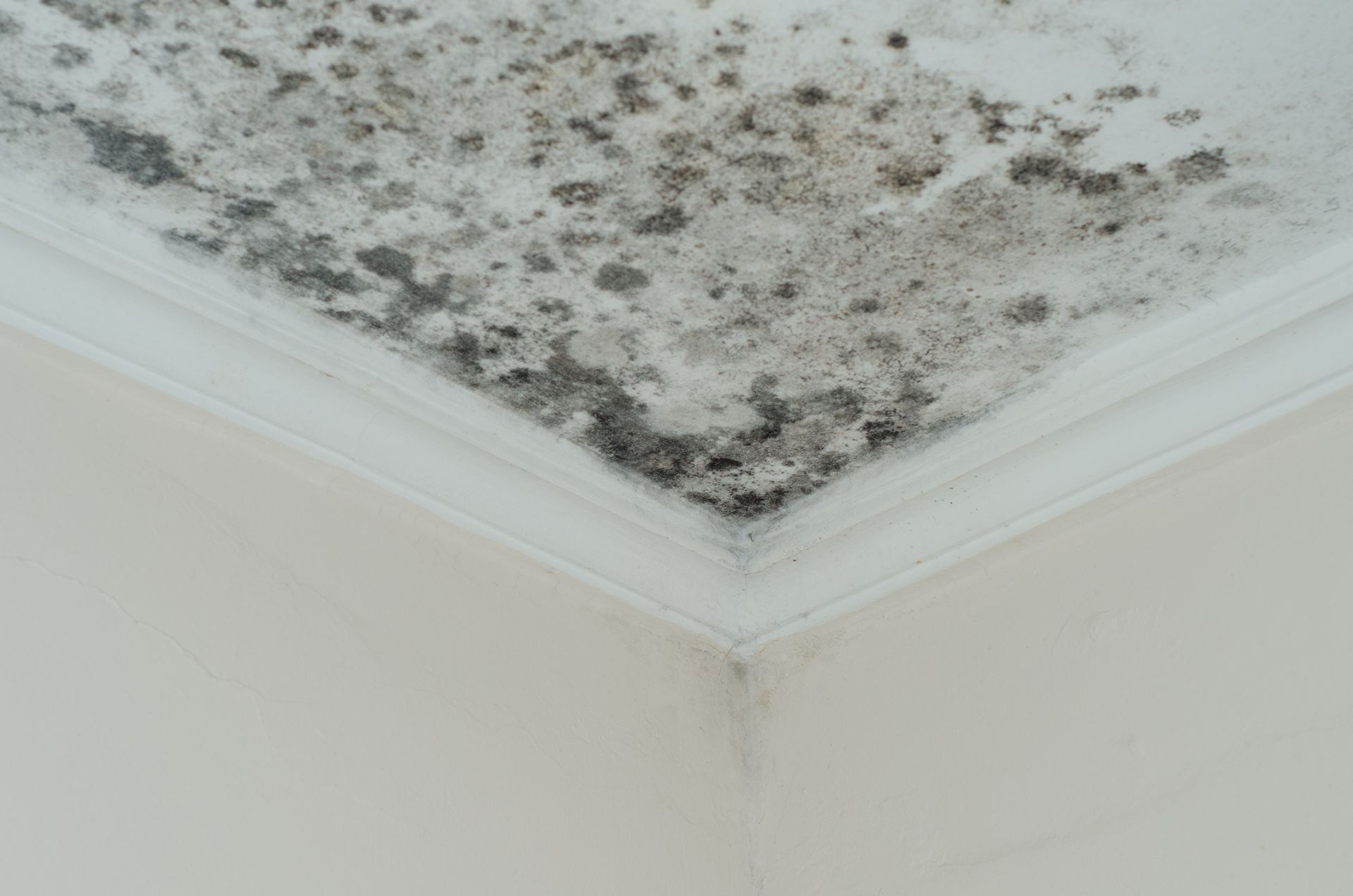
Mold and water damage on a white ceiling corner near the molding
By Flynn & Co. July 24, 2026
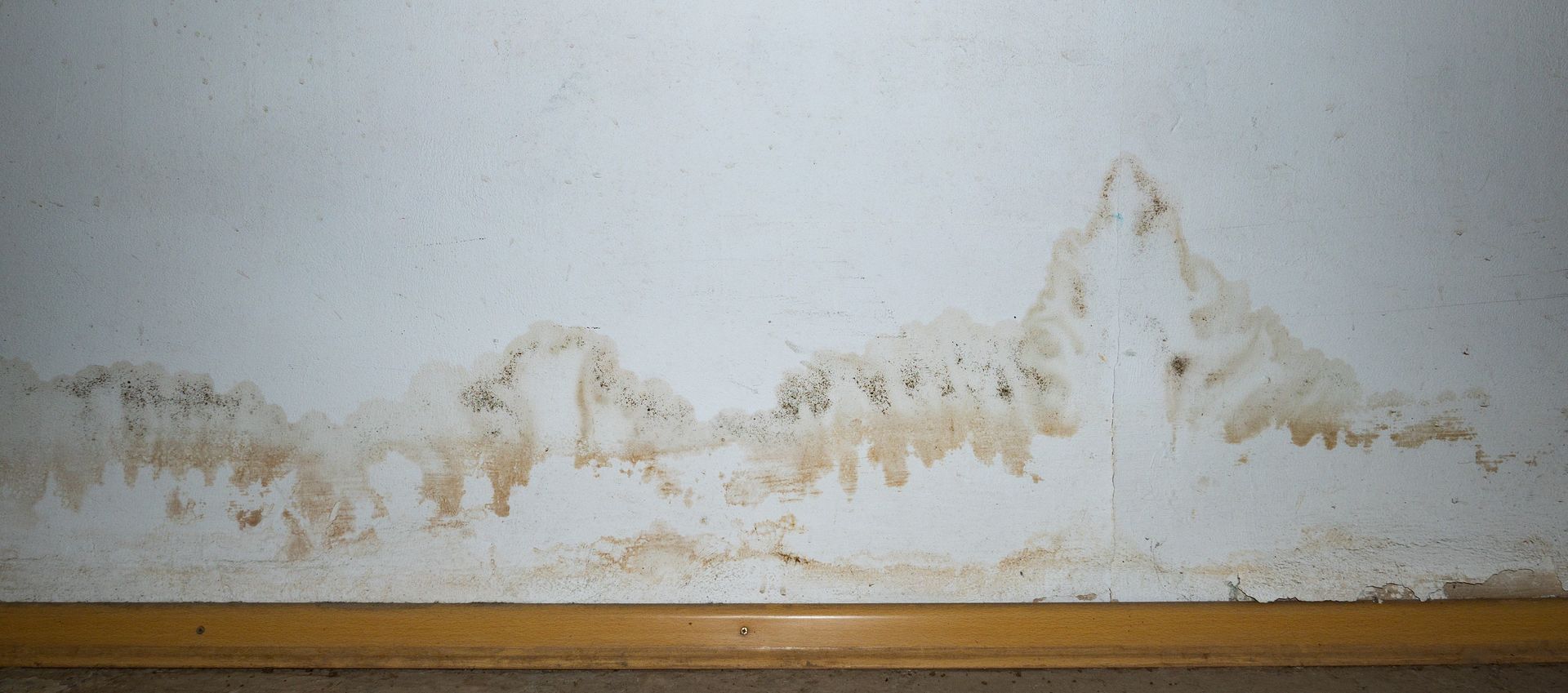
A musty odor after rain often points to foundation seepage, high humidity, drainage trouble, a sump-pump problem, or hidden wet materials. Here is how to find the source before the damage spreads.

House engulfed in flames with thick smoke pouring from the roof and windows
July 8, 2026
Learn the most common causes of house fires in Northeast Ohio homes, including cooking, heating, electrical issues, dryers, and storm-related risks.
June 3, 2026
In Northeast Ohio, basements are especially vulnerable to water intrusion because of heavy rain, melting snow, saturated soil, aging drainage systems, and sudden spring or summer storms. For many homeowners in communities like Macedonia, Hudson, Twinsburg, Aurora, Streetsboro, Chagrin Falls, and surrounding areas, the
May 21, 2026
Older homes are part of what makes Northeast Ohio communities like Hudson, Chagrin Falls, and Moreland Hills so beautiful. From historic homes near downtown Hudson to wooded properties in Moreland Hills and character-filled houses throughout Chagrin Falls, these homes often have craftsmanship, charm, and architectural
By Terry Dorland May 5, 2026
When a hailstorm hits Northeast Ohio, the damage is not always obvious right away. Some hail damage is easy to spot, like broken siding, dented gutters, or shattered roof shingles. Other damage may be hidden until the next rainstorm, when water starts leaking into your attic, ceiling, walls, or basement.The first 24 ho
April 22, 2026
When water or fire damage hits your home, the restoration work is only part of the challenge. For many homeowners in Northeast Ohio, the insurance claim process feels just as stressful as the damage itself. Between emergency mitigation, documentation, adjuster visits, estimates, and repairs, it is easy to feel overwhel
By Terry Dorland April 3, 2026
A flooded basement can go from a minor inconvenience to a major home repair problem fast. In Northeast Ohio, basement flooding is especially common because homes often deal with heavy rain, saturated ground, aging drainage systems, freeze-thaw cycles, and dense clay-heavy soils that do not drain well. Poor drainage and
March 20, 2026
Water damage is never something homeowners want to deal with. Whether it starts with a burst pipe, a flooded basement, a roof leak, or a sump pump failure, the first priority is always drying the property, removing damaged materials, and restoring the home to a safe condition. But once the cleanup is underway, many hom