Why Does My Basement Smell Musty After Heavy Rain?
A musty basement odor that becomes stronger after heavy rain is usually a moisture warning, not just a stale-air problem. Rain can expose foundation seepage, high indoor humidity, drainage problems, plumbing leaks, or damp materials that support mold and mildew growth. Finding the moisture source early can help prevent damaged drywall, flooring, insulation, stored belongings, and structural materials.
Why Musty Odors Often Appear After Rain
Heavy rain raises the moisture level in the soil around a home. If water is not carried away efficiently, it can press against foundation walls and enter through cracks, joints, windows, or other vulnerable areas. Even when there is no visible puddle, moisture can raise basement humidity and dampen porous materials.
The odor itself often comes from microbial growth or moisture-soaked materials. Mold and mildew can grow on drywall paper, wood, carpet backing, cardboard, insulation, and dust. A basement may smell musty before homeowners see obvious discoloration.
Common Sources of a Musty Basement Smell
Foundation Seepage
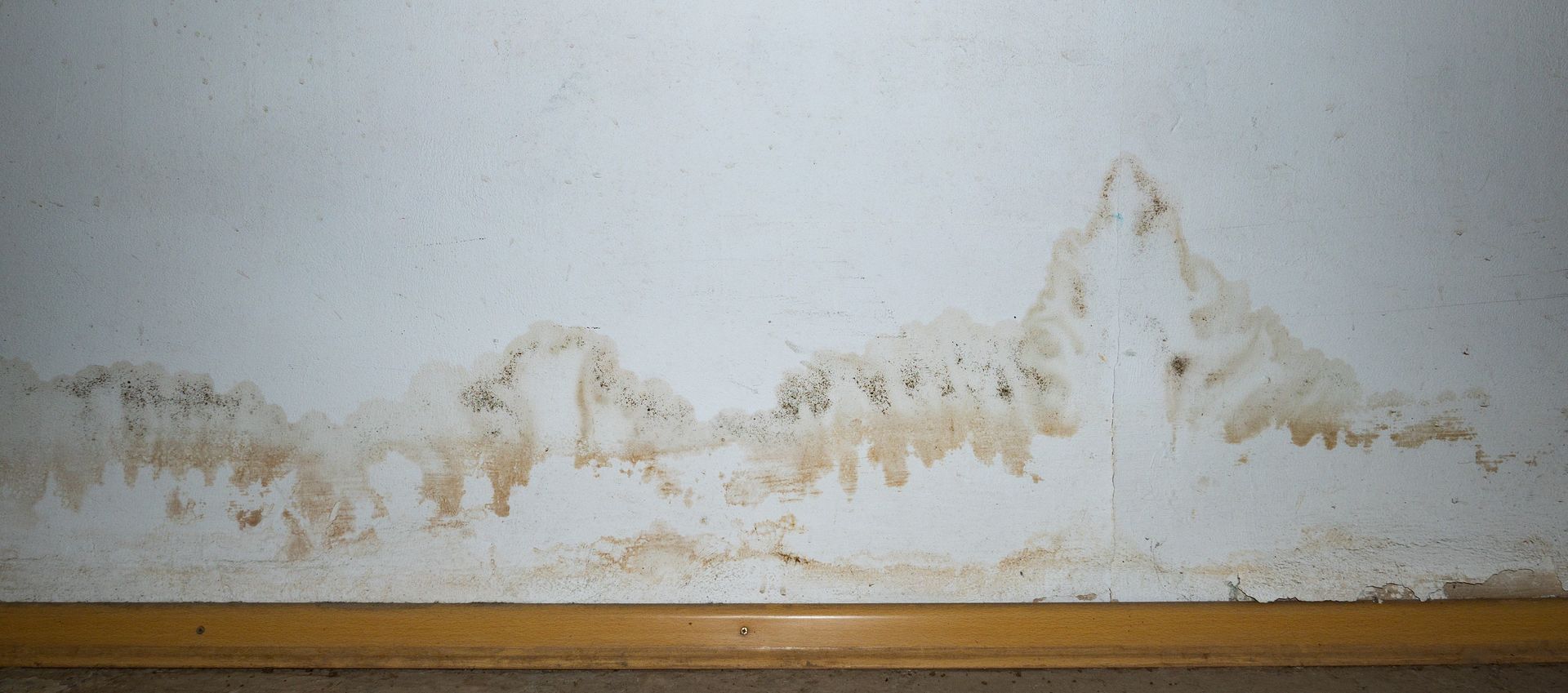
Water can enter through foundation cracks, the joint where the wall meets the floor, gaps around utility penetrations, or porous masonry. Look for darkened concrete, damp spots, mineral deposits, peeling paint, or moisture near the base of foundation walls.
Poor Grading or Gutter Drainage
Clogged gutters, short downspouts, settled soil, or landscaping that slopes toward the house can concentrate roof runoff near the foundation. When the odor consistently follows heavy rain, exterior drainage should be part of the inspection.
Sump Pump or Drainage-System Problems
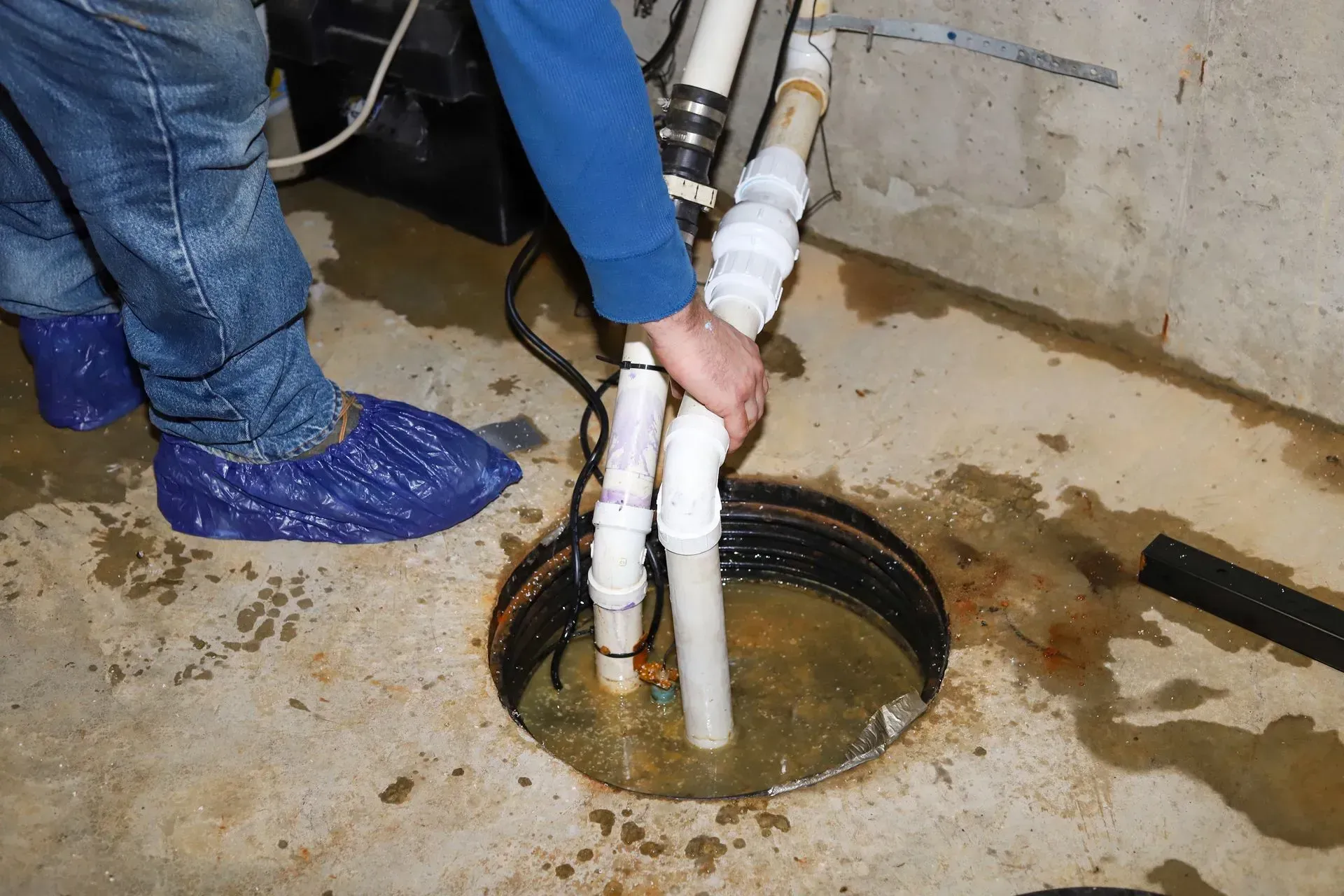
A sump pump that has lost power, become clogged, developed a stuck float, or reached the end of its service life may allow groundwater to rise. A failed perimeter drain or blocked discharge line can create similar problems. Test the pump according to the manufacturer’s directions and confirm that the discharge carries water safely away from the foundation.
High Basement Humidity
Basements naturally stay cooler than the floors above them. Warm, humid air can condense on cool pipes, walls, floors, and ductwork. After rainy weather, indoor humidity may remain elevated even without direct water entry. A hygrometer can help determine whether humidity is staying above a comfortable range.
Hidden Wet Materials
Finished basements can conceal moisture behind drywall, under carpet, inside wall cavities, or beneath floating floors. Baseboards that swell, paint that bubbles, carpet edges that feel damp, or flooring that begins to cup may indicate hidden water.
Plumbing or Appliance Leaks
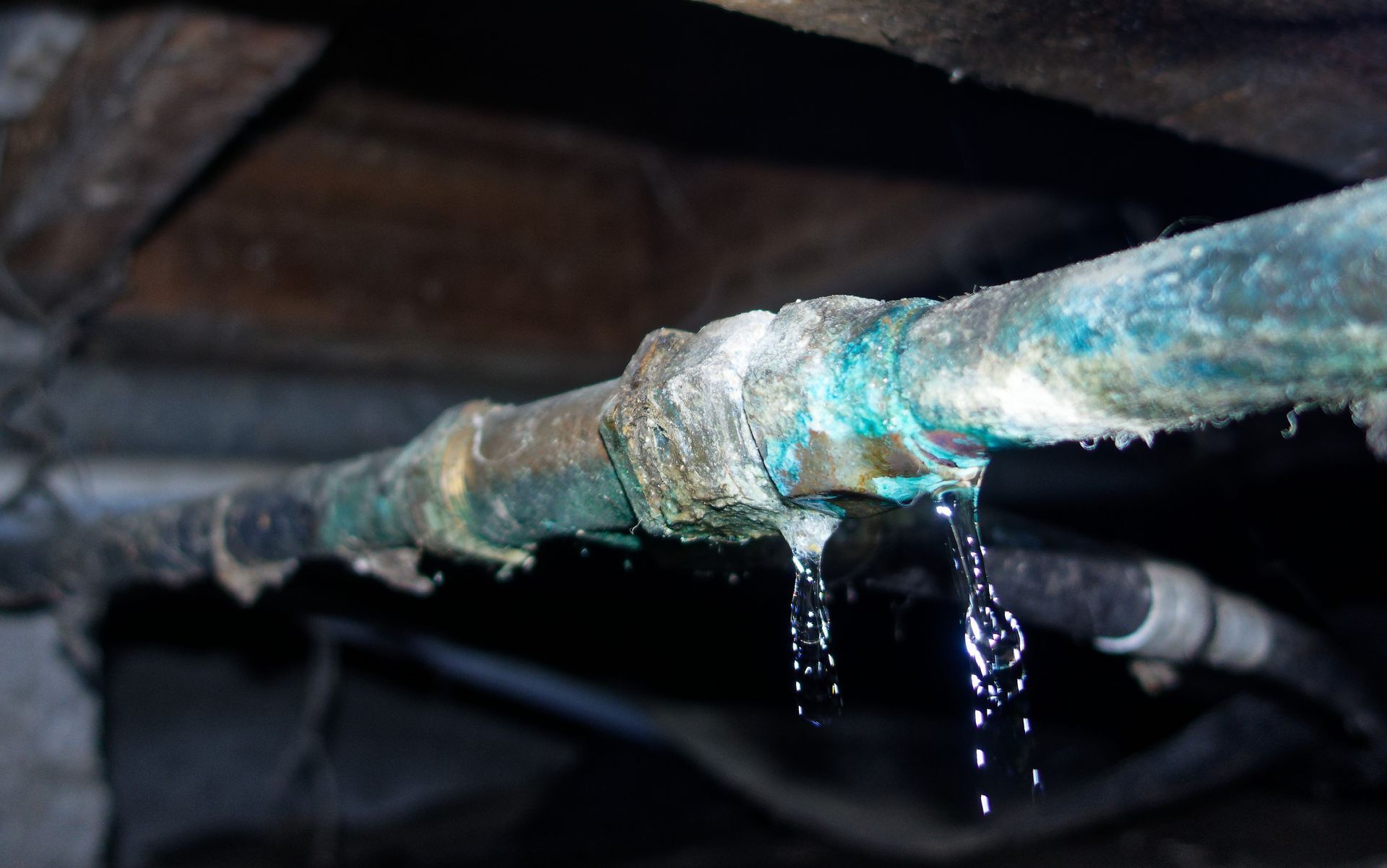
Rain may be a coincidence rather than the cause. Water heaters, washing machines, utility sinks, supply lines, drains, and HVAC equipment can leak slowly. Check these areas, especially if the odor persists during dry weather.
How to Locate the Moisture Source
- Note when the odor appears. Record whether it begins during rain, immediately afterward, or several days later.
- Inspect the lowest areas first. Check around foundation walls, floor drains, sump pits, basement windows, plumbing fixtures, and mechanical equipment.
- Look outside. Examine gutters, downspouts, grading, window wells, and places where runoff collects near the home.
- Check humidity. Use a hygrometer in several basement locations and compare readings over time.
- Inspect porous materials. Look at carpet padding, cardboard boxes, drywall edges, wood framing, and insulation for dampness or staining.
- Avoid opening contaminated materials. If you suspect widespread mold or sewage contamination, limit disturbance and arrange a professional assessment.
Can a Dehumidifier Solve the Problem?
A dehumidifier can help control moisture in basement air, but it will not repair a foundation leak, failed sump pump, plumbing problem, or poor exterior drainage. It is most effective after the underlying water source has been corrected and wet materials have been properly dried.
If you use a dehumidifier, size it for the space, keep doors and windows closed while it operates, maintain the filter, and route condensate to an appropriate drain when possible. If humidity quickly returns after the unit stops, there is likely an unresolved source of moisture.
When a Musty Smell May Indicate Mold
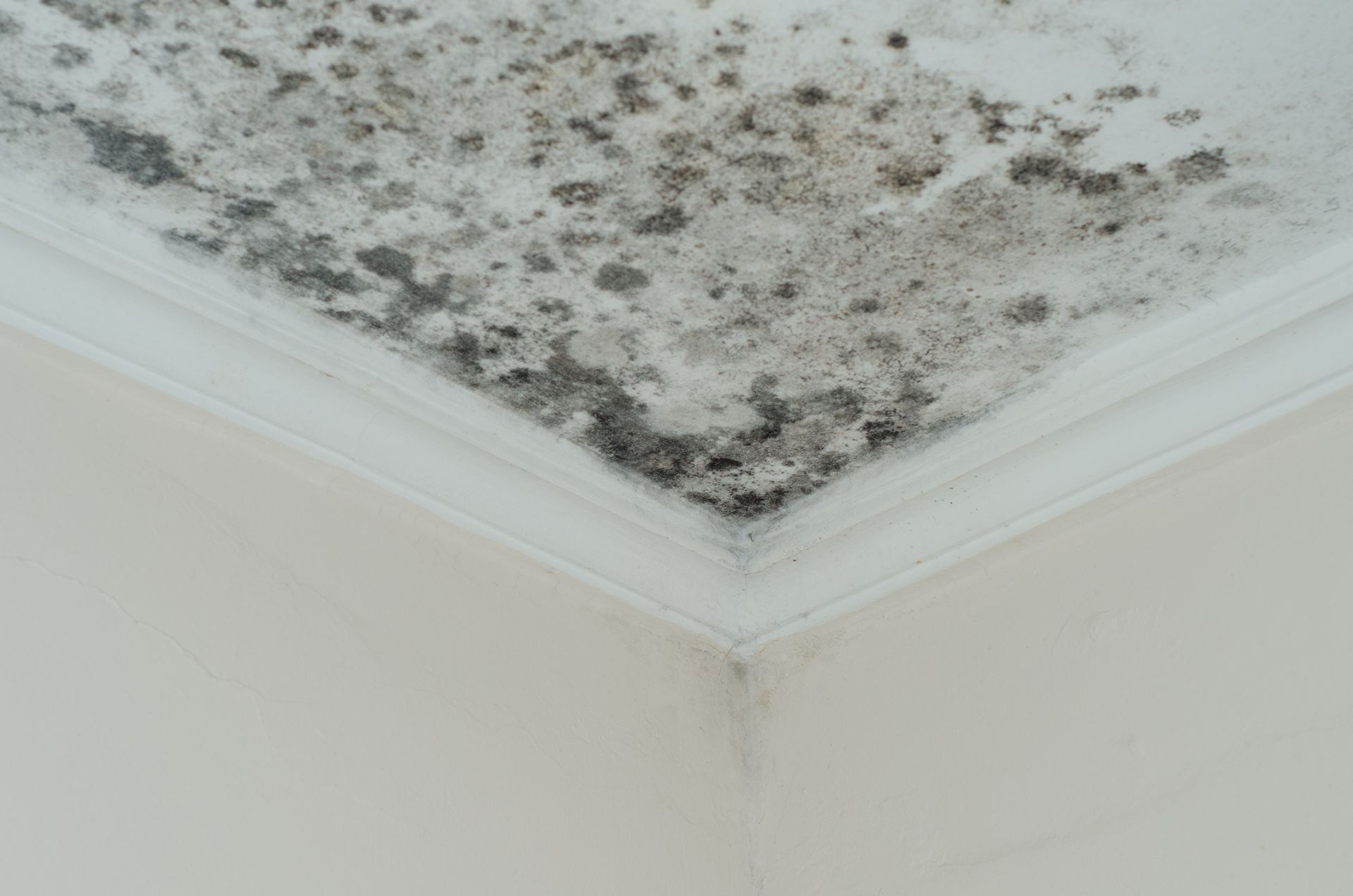
A musty or earthy odor can be associated with mold, but odor alone cannot show how much growth is present or where it is located. Mold may develop on visible surfaces or inside concealed assemblies. The risk is higher when materials remain damp for an extended period.
A professional assessment is worth considering when the odor is strong, visible growth covers more than a small isolated area, water entered wall or floor cavities, HVAC components may be affected, occupants have health concerns, or the basement experienced contaminated water.
What to Do After Finding Water or Damp Materials
- Stop or control the water source if it is safe to do so.
- Move unaffected belongings away from the damp area.
- Photograph visible damage before discarding materials when an insurance claim may be involved.
- Avoid using household fans if sewage, extensive mold, or other contamination may be present.
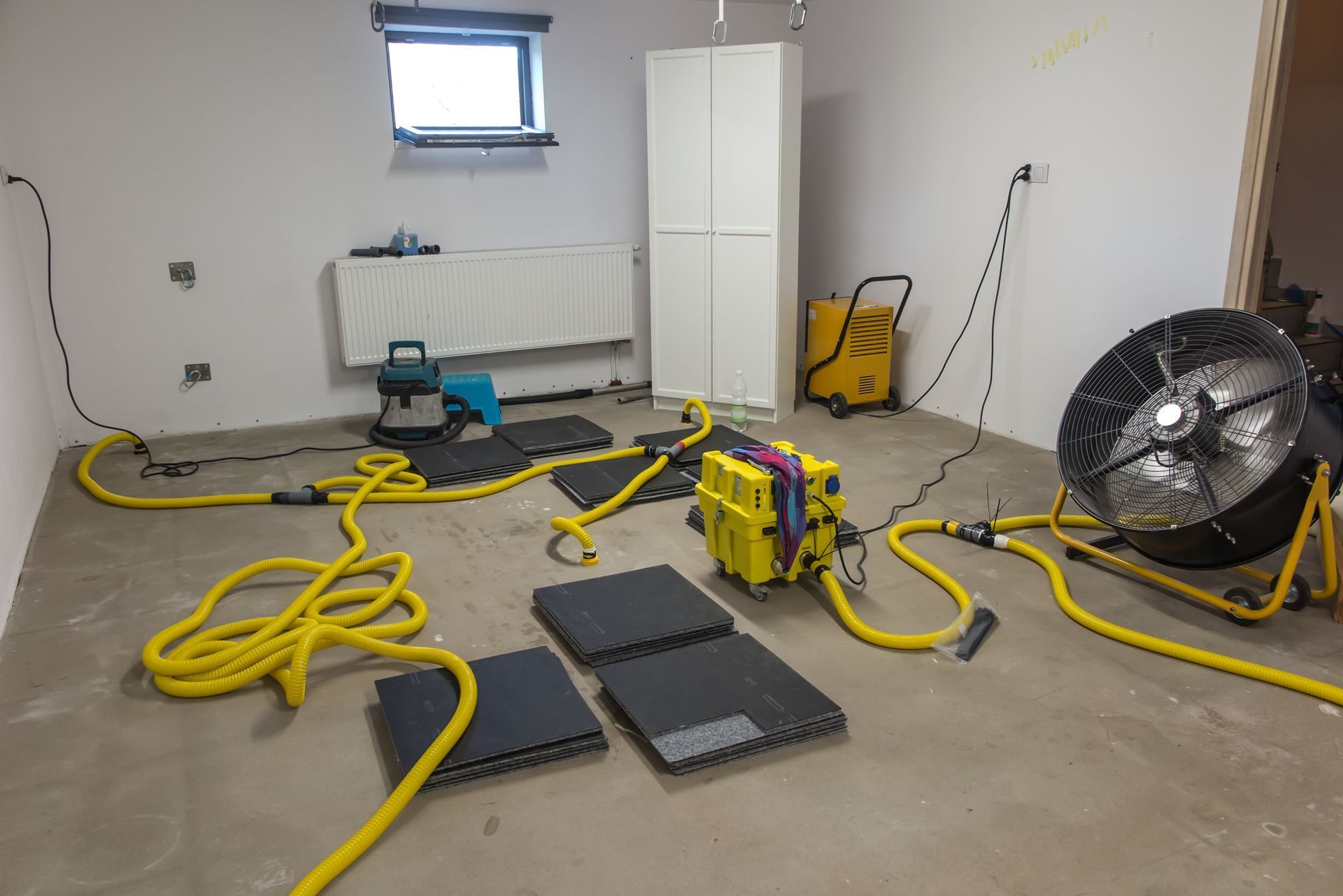
- Arrange water extraction and structural drying promptly when materials are wet.
- Do not cover odors with paint, flooring, or finished walls until the moisture problem is resolved.
Professional Help for Wet or Musty Basements in Northeast Ohio
If a musty smell follows heavy rain, the goal is to identify the source, dry the affected materials, and prevent the problem from returning. Flynn & Co. provides water damage restoration, moisture assessment, extraction, controlled drying, cleaning, and repairs throughout Northeast Ohio. When damp conditions have led to suspected microbial growth, our team can also help determine the appropriate next steps for mold remediation.
Related Services
Restoration and Construction Services for Northeast Ohio Property Owners:
When water, fire, storms, mold, or structural damage affects your property, Flynn & Co. is ready to help. Our experienced team provides complete restoration and construction services for homes and businesses throughout Northeast Ohio.
Water Damage Restoration
From plumbing leaks and appliance failures to flooded basements, we locate the source of the water, remove moisture, dry affected materials, and repair the damage.
Fire and Smoke Damage Restoration
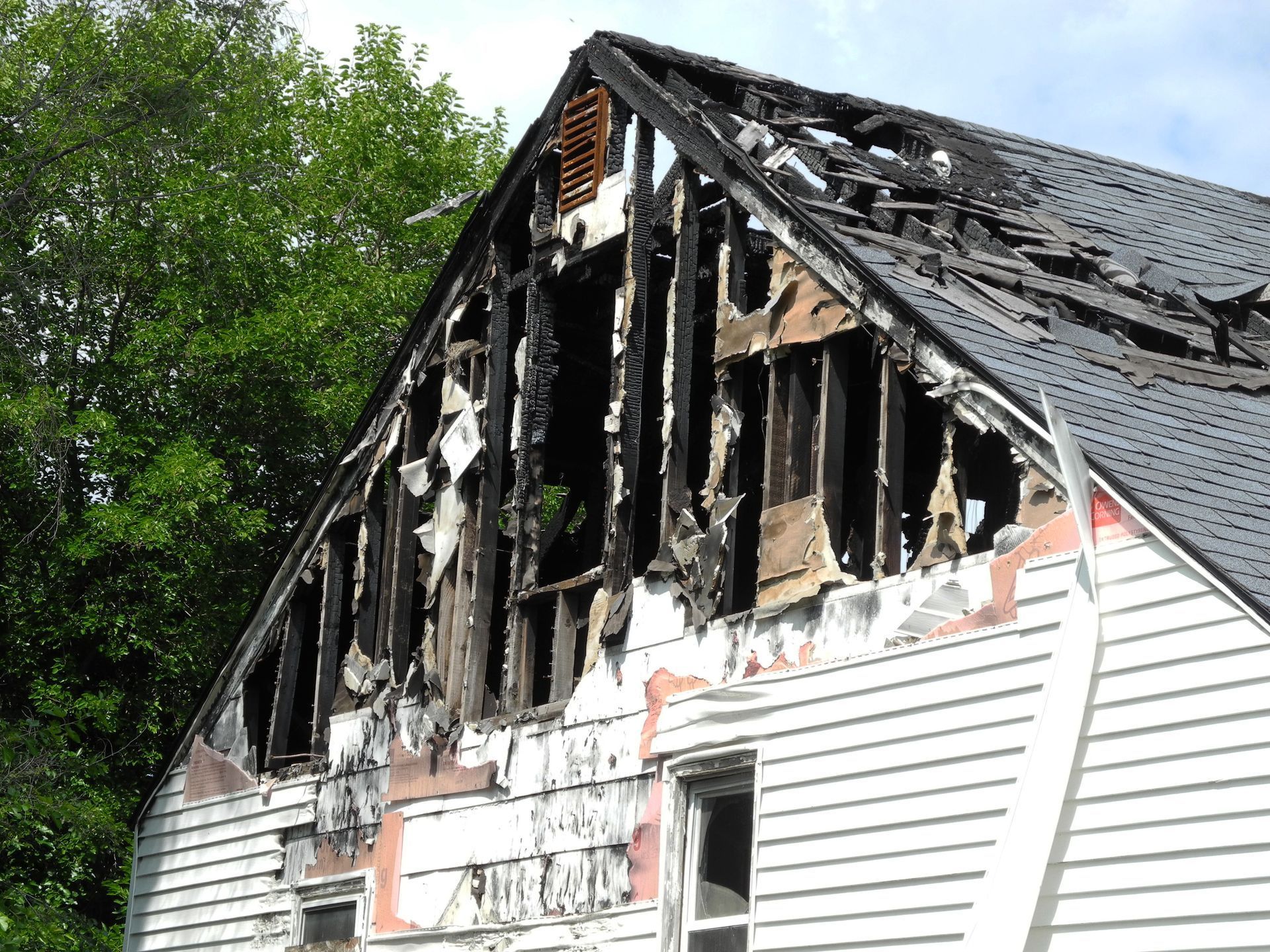
We help property owners recover after a fire with cleanup, smoke and odor removal, damage restoration, and reconstruction services.
Our team identifies affected areas, safely removes mold-contaminated materials, addresses excess moisture, and helps restore a healthier indoor environment.
Storm Damage Restoration
When severe weather damages your roof, siding, interior, or other parts of your property, we provide prompt repairs and complete restoration assistance.
Remodeling and Construction
Flynn & Co. also provides professional remodeling, reconstruction, and general construction services for homeowners ready to repair or improve their property.
Need Help Restoring Your Northeast Ohio Property?
Whether you are dealing with water, fire, smoke, mold, or storm damage—or planning a remodeling project—Flynn & Co. can help you determine the right next step. Contact our experienced team to schedule an assessment for your home or business.