How Twinsburg Homeowners Can Prevent Frozen and Burst Pipes This Winter
Frozen and burst pipes are among the most disruptive winter water losses in Northeast Ohio. A pipe can freeze during an overnight temperature drop, split under pressure, and then release a large amount of water when the ice begins to thaw. The damage often spreads behind walls or beneath floors before anyone notices it.
Twinsburg homeowners can reduce the risk by preparing vulnerable plumbing before winter and knowing how to respond during a cold snap. Just as important, everyone in the household should know where the main water shutoff is located before an emergency occurs.
Why Pipes Freeze in Twinsburg Homes
Water freezes when the pipe and the air around it remain cold long enough for ice to form. As the blockage grows, pressure builds between the frozen section and a closed faucet or valve. The rupture may occur away from the actual ice blockage, which is one reason the source can be difficult to find.
Pipes in unheated or poorly insulated spaces face the greatest risk. Common trouble spots include exterior walls, crawl spaces, garages, basements, attics, under-sink cabinets, additions, and lines near gaps where cold air enters the structure.
Prepare Vulnerable Plumbing Before Cold Weather
Fall is the best time to inspect the plumbing areas that felt unusually cold the previous winter. Look for exposed supply lines, missing insulation, drafts near utility penetrations, and pipes that run through an attached garage or unfinished space.
- Disconnect garden hoses and drain exterior faucets according to the plumbing system design.
- Close and drain interior shutoff valves that serve outdoor lines when appropriate.
- Insulate accessible pipes in crawl spaces, garages, basements, and other cold areas.
- Seal safe-to-close air gaps around wiring, vents, utility penetrations, windows, and doors.
- Service the furnace and replace filters so heat can circulate reliably.
- Label the main water shutoff and make sure it operates.
Pipe insulation helps slow heat loss, but it cannot protect plumbing indefinitely when the surrounding space remains below freezing. Insulation works best as part of a broader plan that also controls drafts and maintains heat.
Protect Pipes During a Severe Cold Snap
Keep the thermostat at a consistent temperature and avoid turning the heat down sharply overnight. Open cabinet doors beneath sinks on exterior walls so warmer room air can reach the plumbing. Keep garage doors closed when supply lines run through or above the garage.
For a line with a known history of freezing, a small trickle of water may help during extreme cold, but it is not a substitute for correcting insulation or air-leak problems. Follow appropriate plumbing guidance for the specific line and never leave water running where a drain could freeze or back up.
Take Extra Precautions When Traveling
Do not turn off the heat when leaving a Twinsburg home during winter. Set the temperature high enough to protect the structure, open interior doors where needed for circulation, and ask a trusted person to check the home during extended absences.
Smart temperature sensors and leak detectors can provide an early warning, particularly near water heaters, laundry rooms, kitchens, and vulnerable exterior walls. They do not prevent a pipe from breaking, but faster notice can substantially reduce how long water flows.
Warning Signs That a Pipe May Be Frozen
Reduced flow from one faucet, no water from a fixture, frost on an exposed pipe, an unusual bulge, or a cold section of wall can indicate a frozen line. You may also hear banging or notice odors from a drain when ice is affecting plumbing.
If you suspect a frozen pipe, open the affected faucet and locate the main shutoff before attempting anything else. Do not use a torch, open flame, or high-heat device. Hidden wiring, combustible materials, and rapid temperature changes can create a fire or rupture hazard, so call a plumber when the frozen section is inaccessible or uncertain.
What to Do If a Pipe Bursts
- Shut off the main water supply. Stopping the flow is the fastest way to limit additional damage.
- Turn off electricity when necessary. Do not enter standing water near outlets, appliances, or the electrical panel.
- Call a plumber. The damaged pipe and the reason it froze both need to be corrected.
- Document the loss. Photograph the source, water path, affected rooms, and damaged belongings before moving items when practical.
- Begin extraction and drying. Water can penetrate drywall, insulation, flooring, cabinets, and structural wood quickly.
Flynn & Co. provides water damage restoration in Twinsburg for homes affected by burst pipes and other winter plumbing failures.
Why Removing the Puddle Is Not Enough
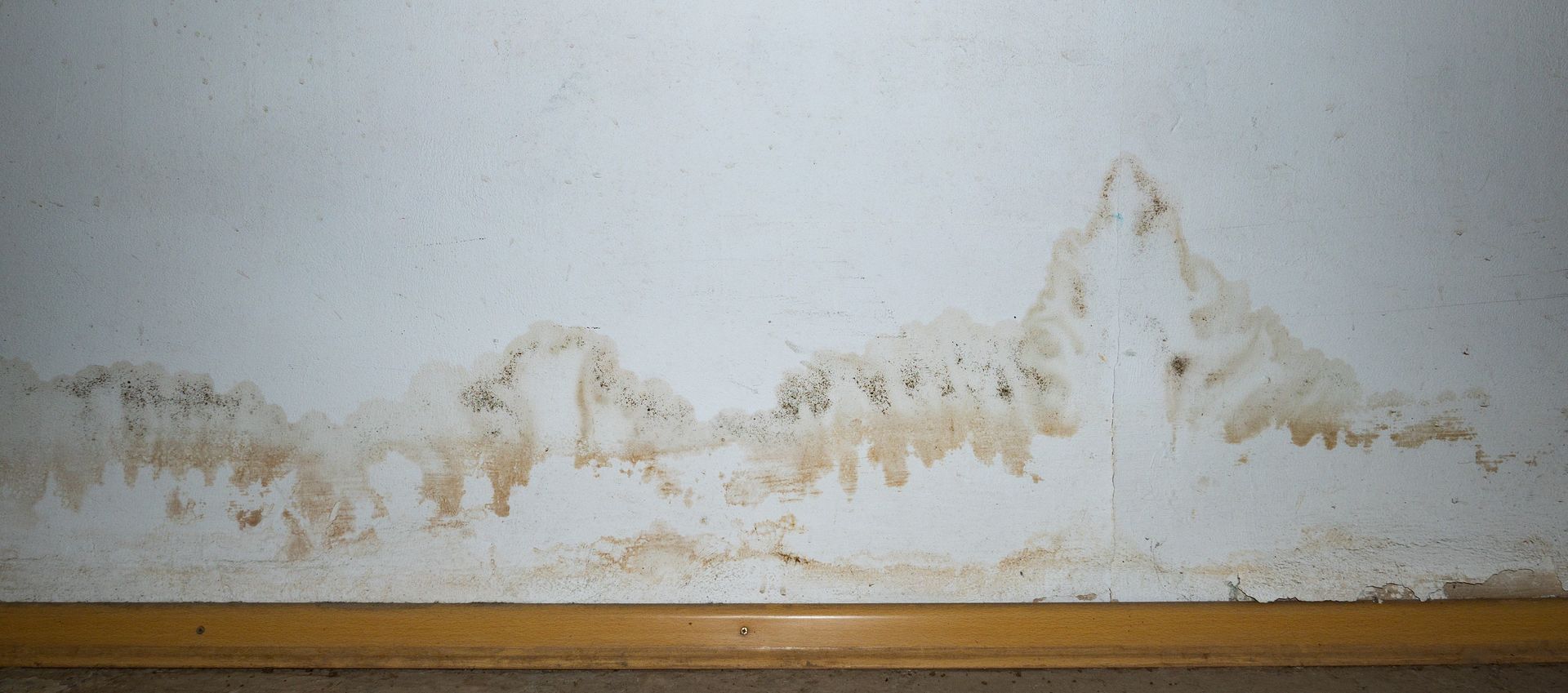
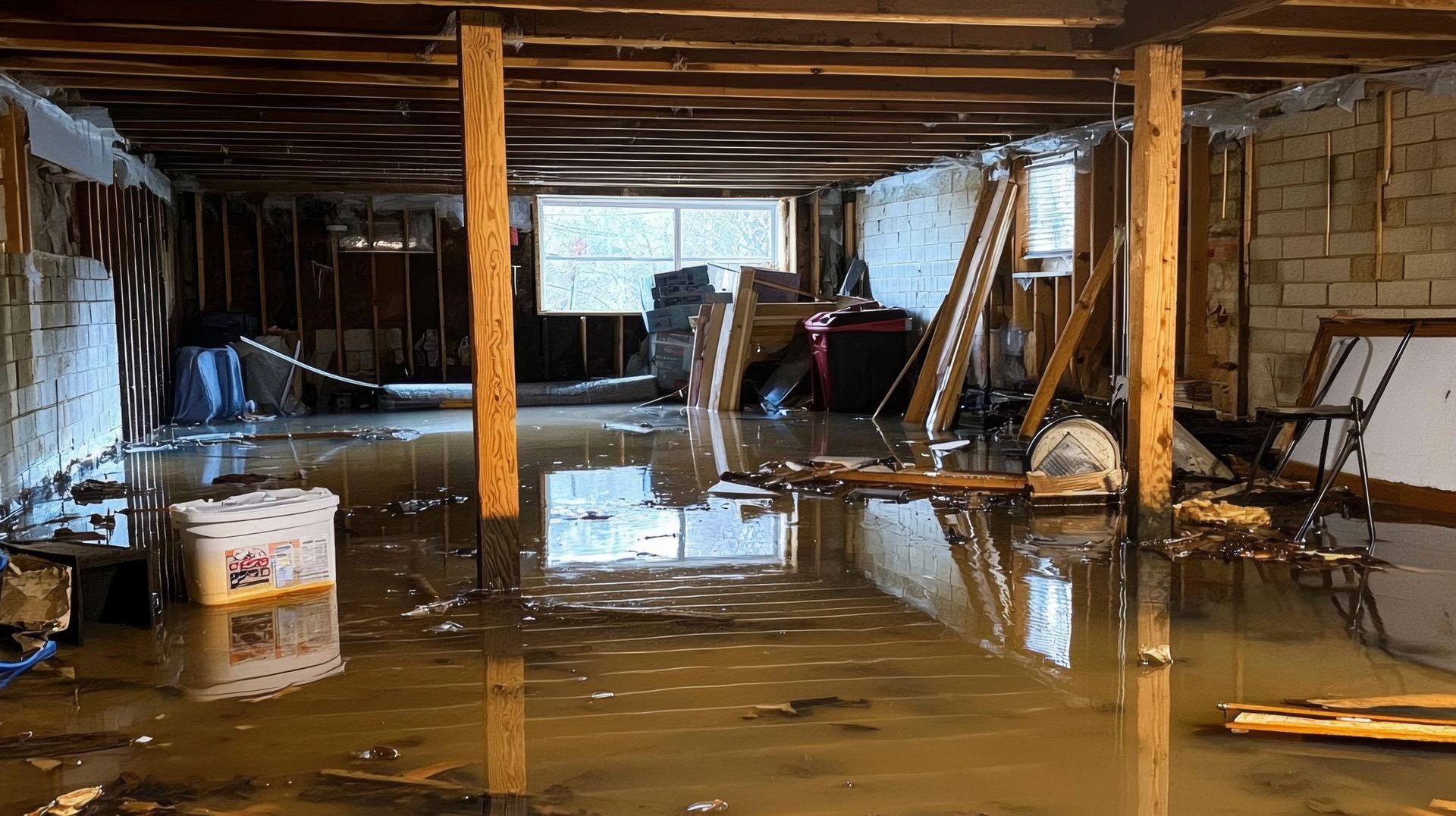
A mop or wet vacuum may remove surface water, but it cannot show whether water entered a wall cavity or flowed beneath finished flooring. Drywall can wick moisture upward, insulation can stay wet, and water trapped between layers of flooring may damage the subfloor even when the top feels dry.
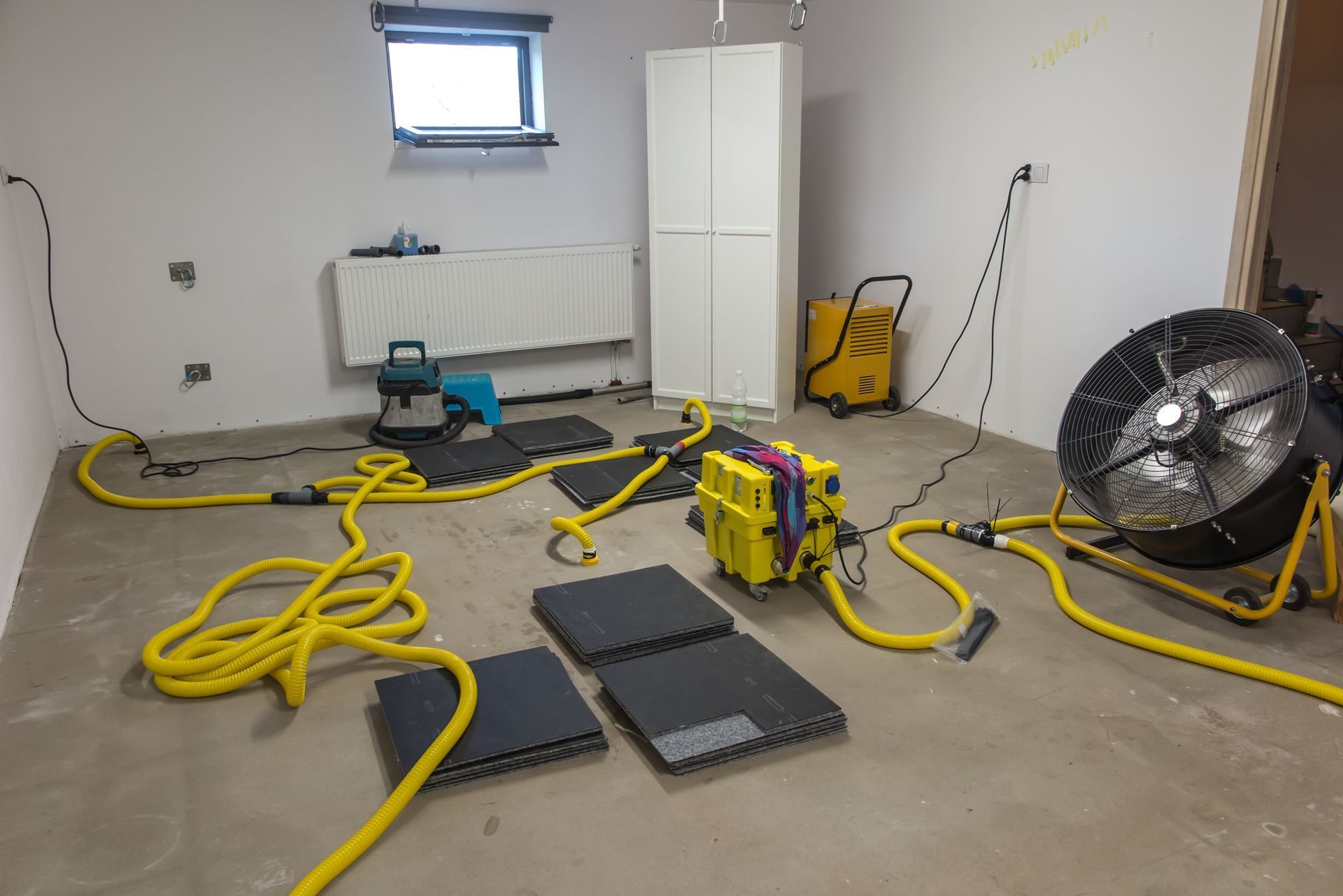
Professional emergency water damage cleanup uses moisture measurements to define the affected area. Extraction, controlled air movement, dehumidification, and repeated readings help determine when materials are dry enough for repairs.
Repairs After a Winter Water Loss
Some drywall, trim, and flooring can be dried, while other materials must be removed because of swelling, delamination, contamination, or loss of structural integrity. Cabinets, insulation, and engineered flooring require case-by-case evaluation.
When building materials cannot be restored, Flynn & Co. can coordinate water-damage repairs after mitigation is complete. Addressing both the wet materials and the cold-air or insulation problem helps reduce the chance of another loss in the same location.
Frequently Asked Questions
What temperature should I keep my home during winter?
Maintain enough heat to protect plumbing throughout the home, including exterior-wall and utility areas. The appropriate setting depends on the building and plumbing layout, but the heat should never be shut off during freezing weather.
Should every faucet drip during a cold snap?
No. Dripping is generally considered only for known vulnerable lines and should follow suitable plumbing guidance. Correcting drafts, insulation gaps, and inadequate heat is the better long-term solution.
Can wet drywall be saved?
Sometimes. The water source, exposure time, insulation, coatings, material condition, and access for drying all affect whether drywall can remain in place.
How quickly should burst-pipe water be removed?
Extraction and drying should begin as soon as the area is safe and the water source is controlled. Faster action limits migration into porous materials and reduces the chance of secondary damage.
Get Help With Burst-Pipe Damage in Twinsburg
If a frozen or burst pipe has released water into your home, shut off the supply and avoid electrical hazards. Call (330) 432-7414 or contact Flynn & Co. for water extraction, structural drying, and repairs.
Related Services
Restoration and Construction Services for Northeast Ohio Property Owners:
When water, fire, storms, mold, or structural damage affects your property, Flynn & Co. is ready to help. Our experienced team provides complete restoration and construction services for homes and businesses throughout Northeast Ohio.
Water Damage Restoration
From plumbing leaks and appliance failures to flooded basements, we locate the source of the water, remove moisture, dry affected materials, and repair the damage.
Fire and Smoke Damage Restoration
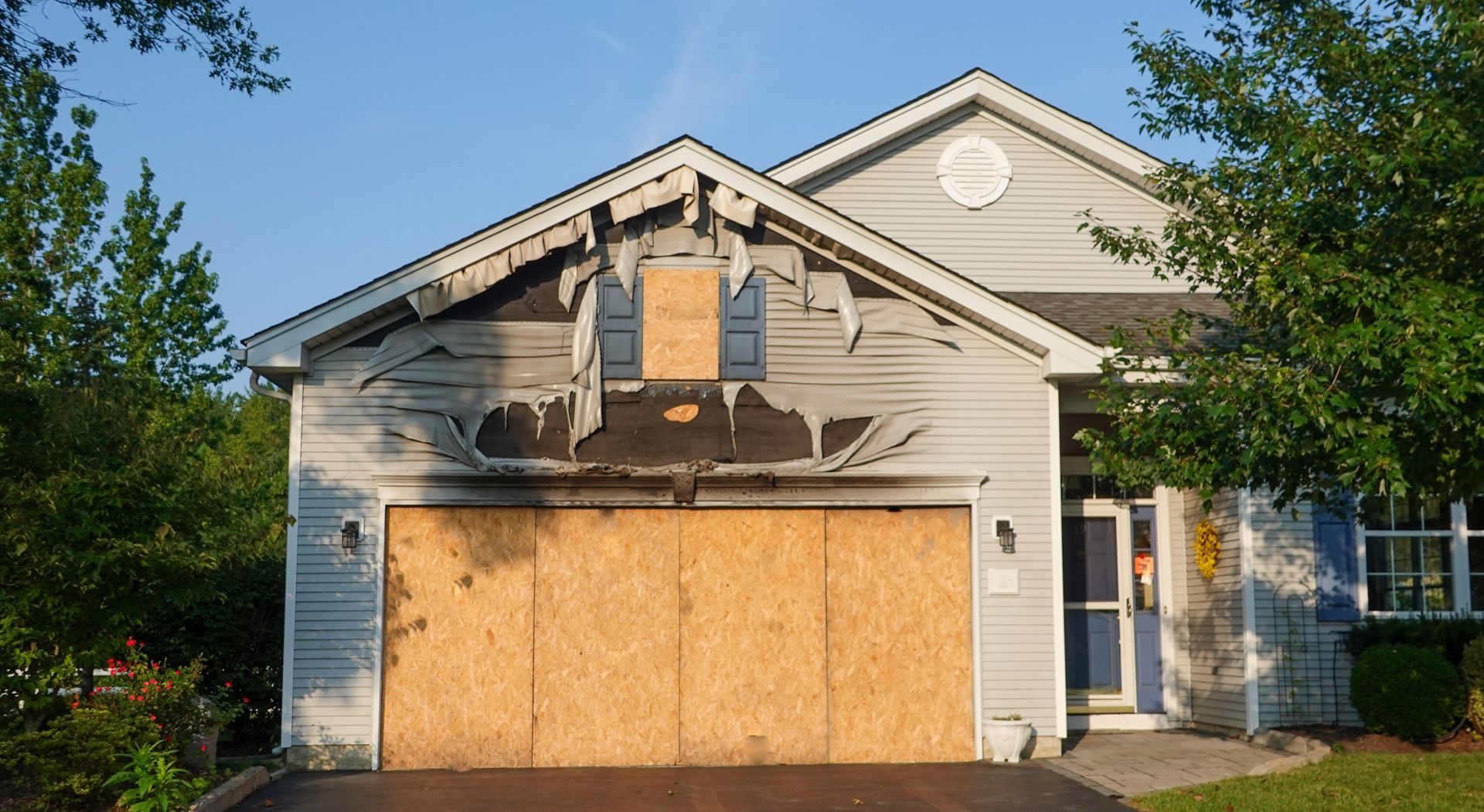
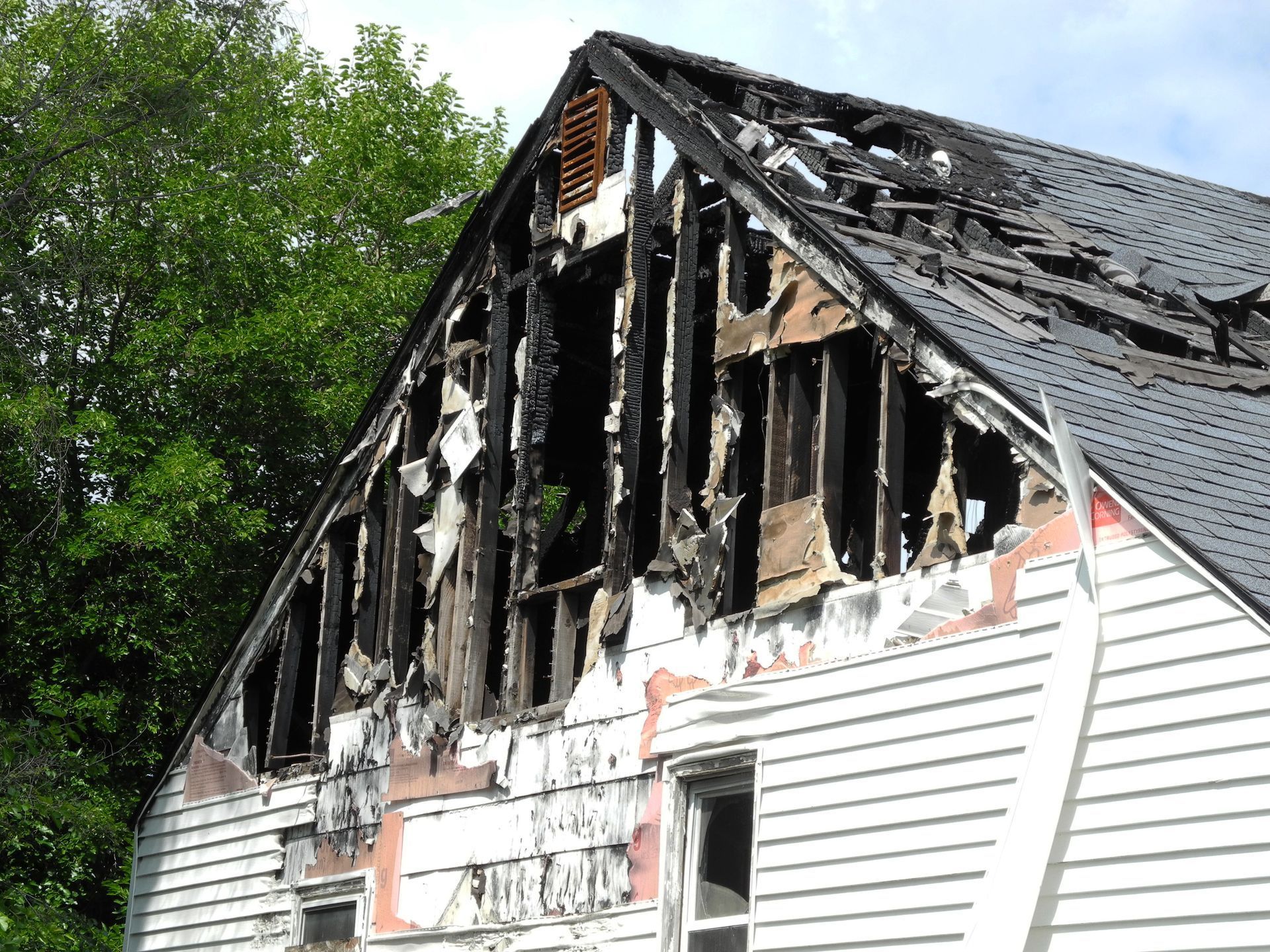
We help property owners recover after a fire with cleanup, smoke and odor removal, damage restoration, and reconstruction services.
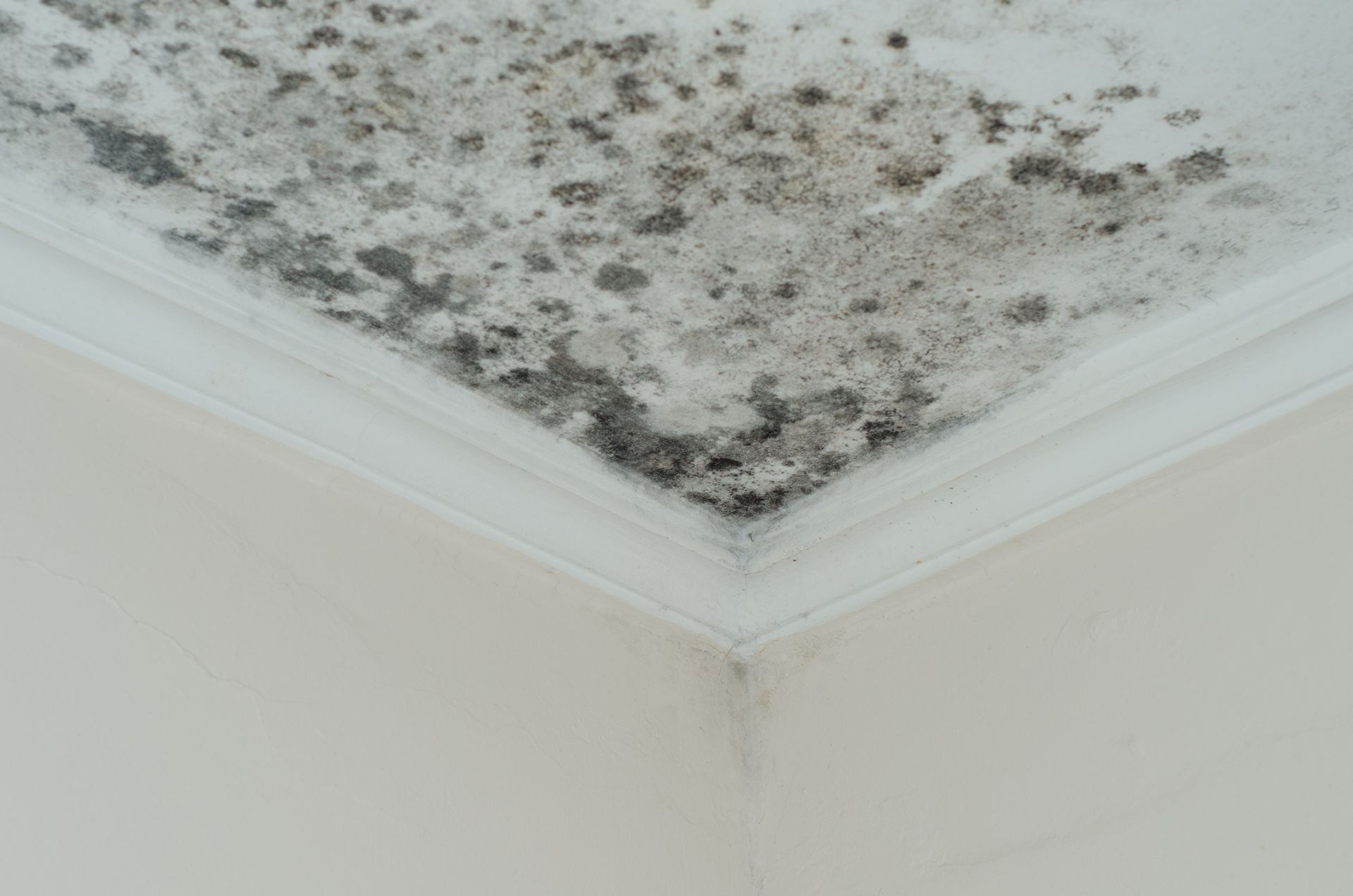
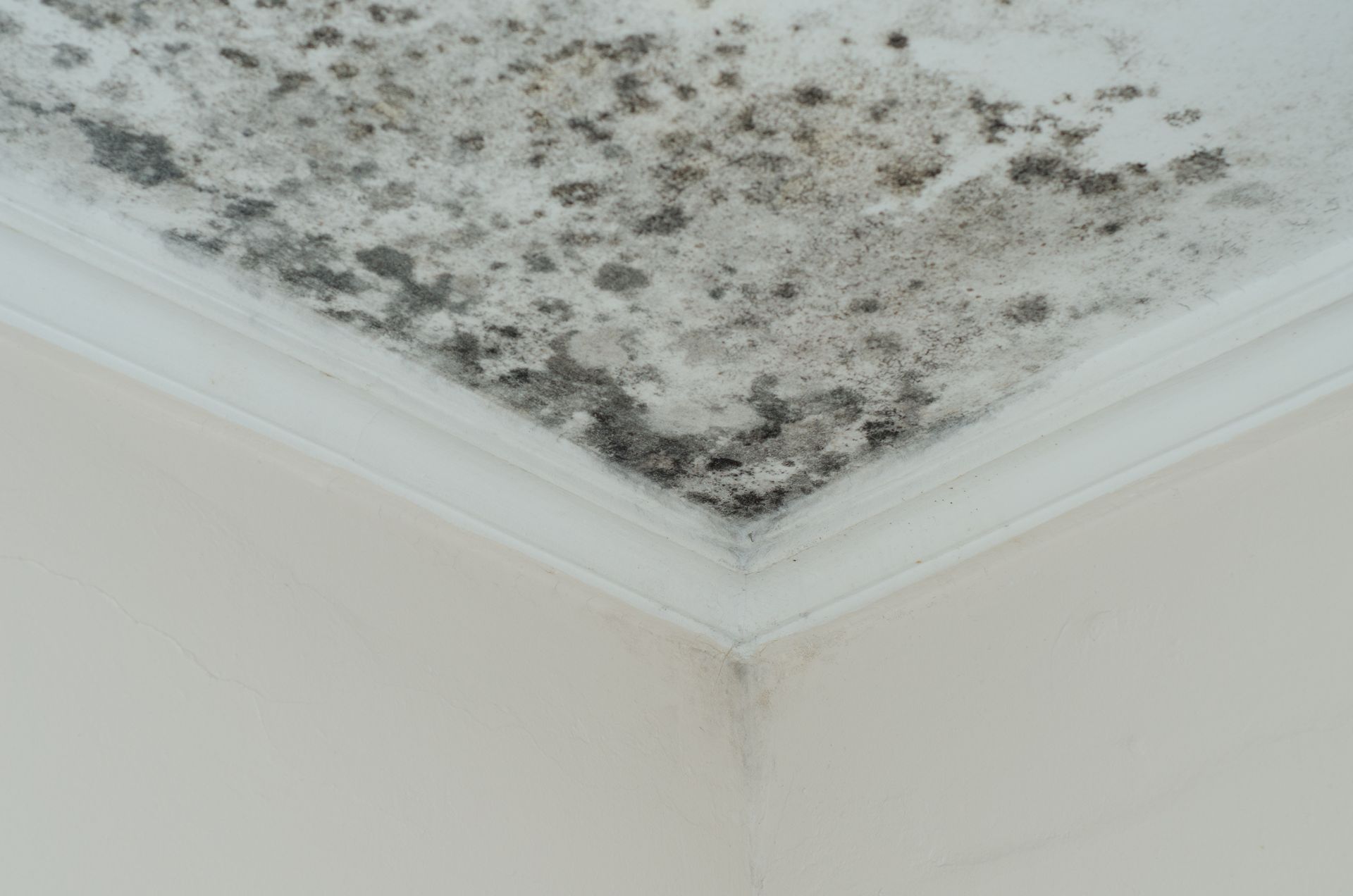
Our team identifies affected areas, safely removes mold-contaminated materials, addresses excess moisture, and helps restore a healthier indoor environment.
Storm Damage Restoration
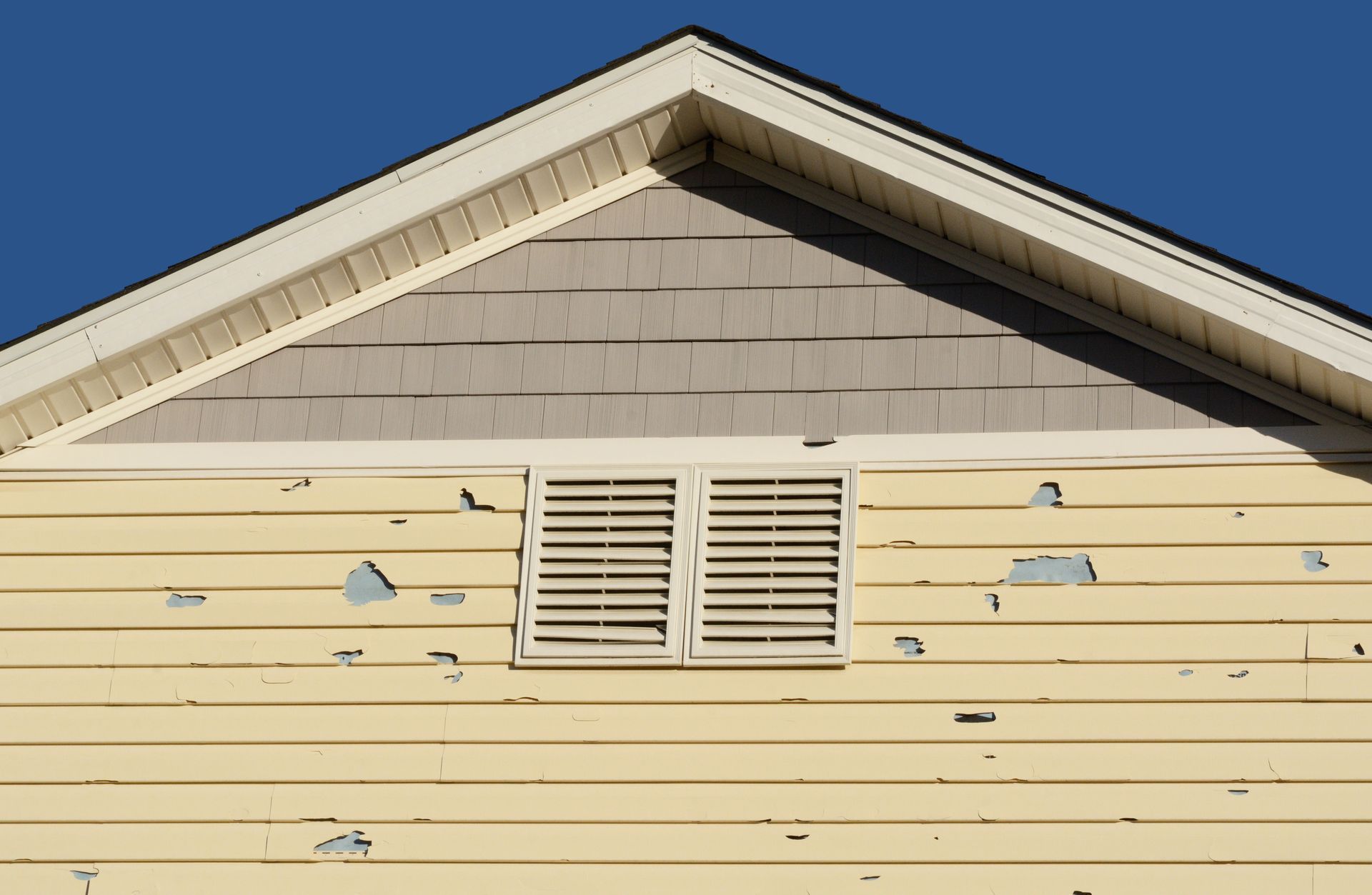
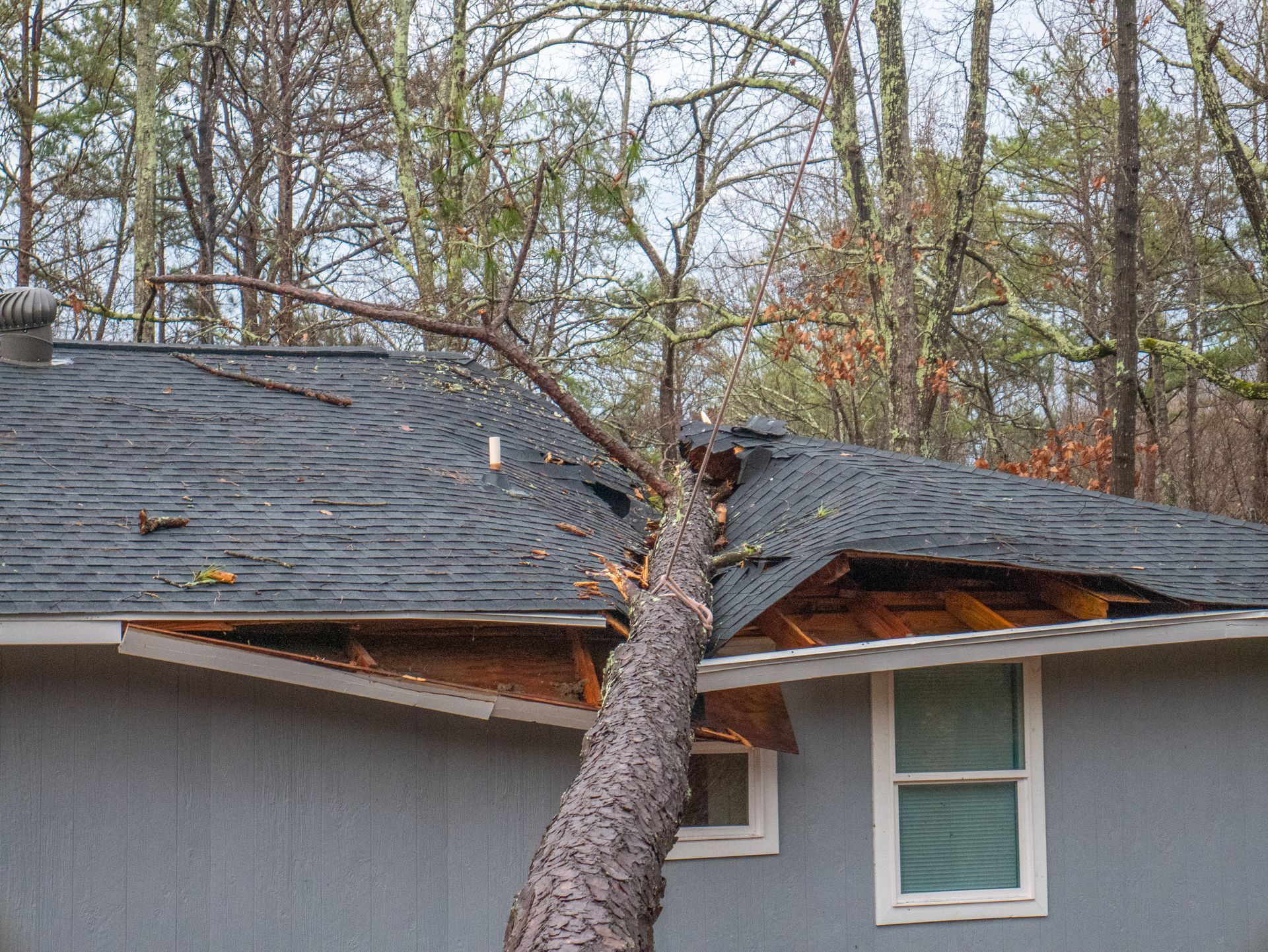
When severe weather damages your roof, siding, interior, or other parts of your property, we provide prompt repairs and complete restoration assistance.
Remodeling and Construction
Flynn & Co. also provides professional remodeling, reconstruction, and general construction services for homeowners ready to repair or improve their property.
Need Help Restoring Your Northeast Ohio Property?
Whether you are dealing with water, fire, smoke, mold, or storm damage—or planning a remodeling project—Flynn & Co. can help you determine the right next step. Contact our experienced team to schedule an assessment for your home or business.