The Appliance Leaks Most Likely to Cause Water Damage in Streetsboro Homes
Appliance leaks are easy to underestimate because many begin behind a cabinet, beneath a machine, or inside a utility area that is rarely inspected. A loose connection may release only a small amount of water each day, while a failed supply hose can discharge water continuously until someone reaches the shutoff.
In Streetsboro homes, the most damaging appliance leaks often involve pressurized supply lines, drain hoses, water heaters, ice makers, and air-conditioning condensate systems. Knowing the warning signs can prevent a minor maintenance issue from becoming a flooring, cabinet, drywall, or mold problem.
Washing Machine Supply and Drain Hoses
Washing machines combine pressurized hot and cold water connections with a drain system that moves a large volume of water. Rubber hoses can crack or bulge, braided lines can fail at fittings, and a loose drain hose can release water during the spin cycle.
Inspect the valves, hose ends, and floor behind the machine for corrosion, staining, dampness, or mineral deposits. Avoid pushing the washer tightly against the wall where hoses can kink, and replace components according to manufacturer recommendations.
Dishwasher Leaks Beneath Cabinets and Flooring
A dishwasher may leak from the supply line, drain hose, pump, door seal, or connection beneath the sink. Because the appliance is surrounded by cabinets, water can run beneath finished flooring or soak the cabinet base before it becomes visible at the front.
Watch for swollen toe kicks, loose flooring, a musty cabinet odor, water beneath the sink, or staining on a ceiling below the kitchen. Even a small recurring leak can delaminate cabinet materials and damage the subfloor.
Refrigerator and Ice-Maker Lines
Thin refrigerator supply lines can develop pinhole leaks, pull loose when the appliance is moved, or fail at compression fittings. Water may remain hidden behind the refrigerator or travel along the wall before appearing in an adjacent room.
Inspect the floor and baseboard around the appliance, especially after it has been moved for cleaning or service. A slow ice-maker leak may show up as discolored grout, curling flooring, or a damp smell rather than a visible puddle.
Water Heater Leaks Can Escalate Quickly
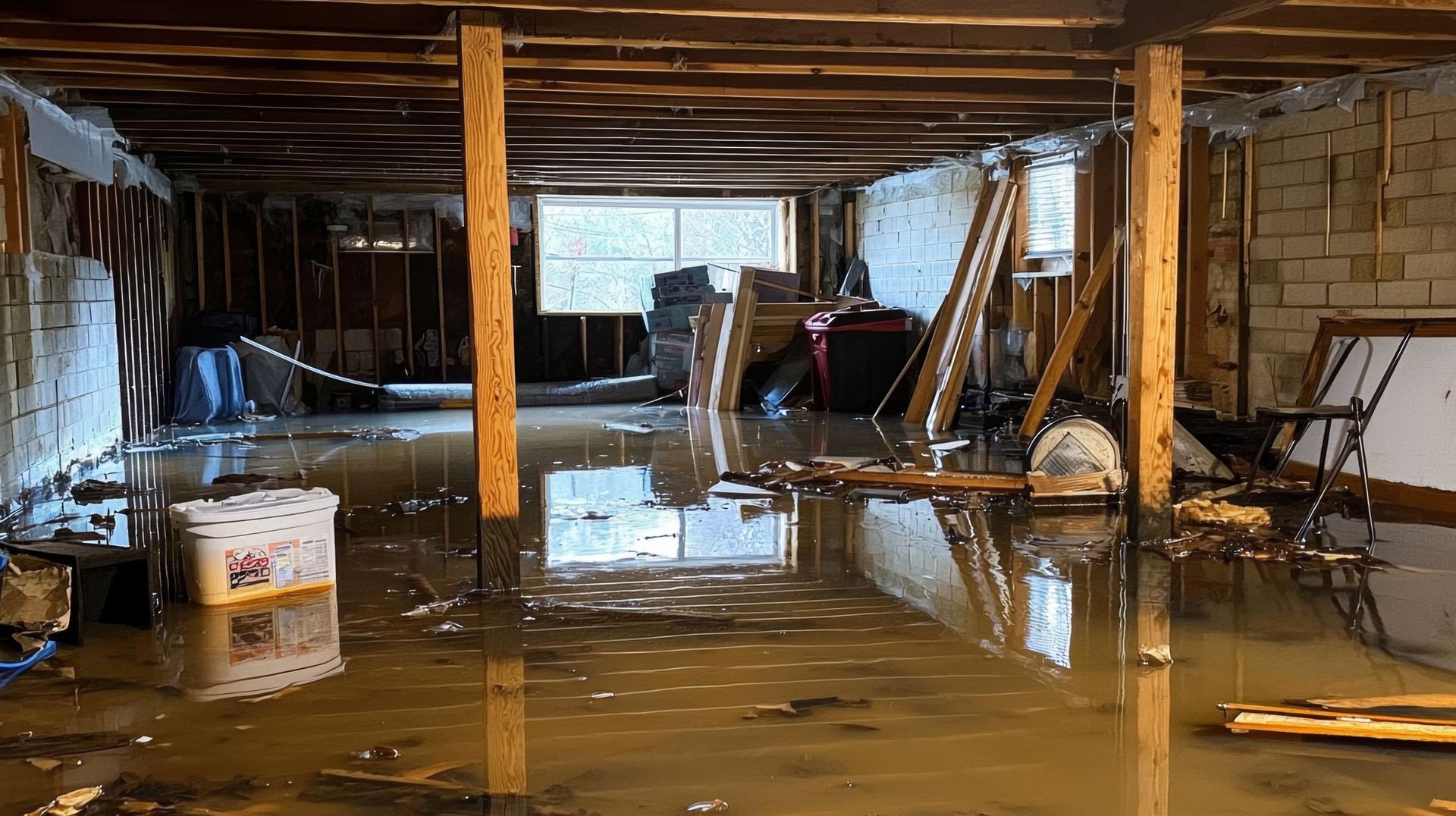
Water heaters may leak from supply connections, valves, the drain, or the tank itself. Corrosion, rust-colored water, moisture around the base, and frequent cycling can be early signs of trouble. A tank failure can release a large amount of water into a basement or utility room.
Do not touch electrical components or attempt to operate a damaged gas appliance. Shut off the water and energy source only if you know how to do so safely, then call the appropriate service professional.
HVAC Condensate and Humidifier Problems
Air conditioners remove moisture from indoor air and send it through a condensate drain. A blocked line, failed pump, cracked pan, or disconnected hose can overflow near the furnace and spread water into finished lower levels.
Whole-home humidifiers can also leak from supply tubing, drain connections, or internal components. These systems are often out of sight, so inspect the area around HVAC equipment throughout the cooling and heating seasons.
Warning Signs of a Hidden Appliance Leak
- Swollen cabinets, baseboards, or laminate flooring
- Loose tile, stained grout, or darkened wood
- A musty odor near the kitchen, laundry, or utility room
- Peeling paint or a ceiling stain below an appliance
- An unexplained increase in water use
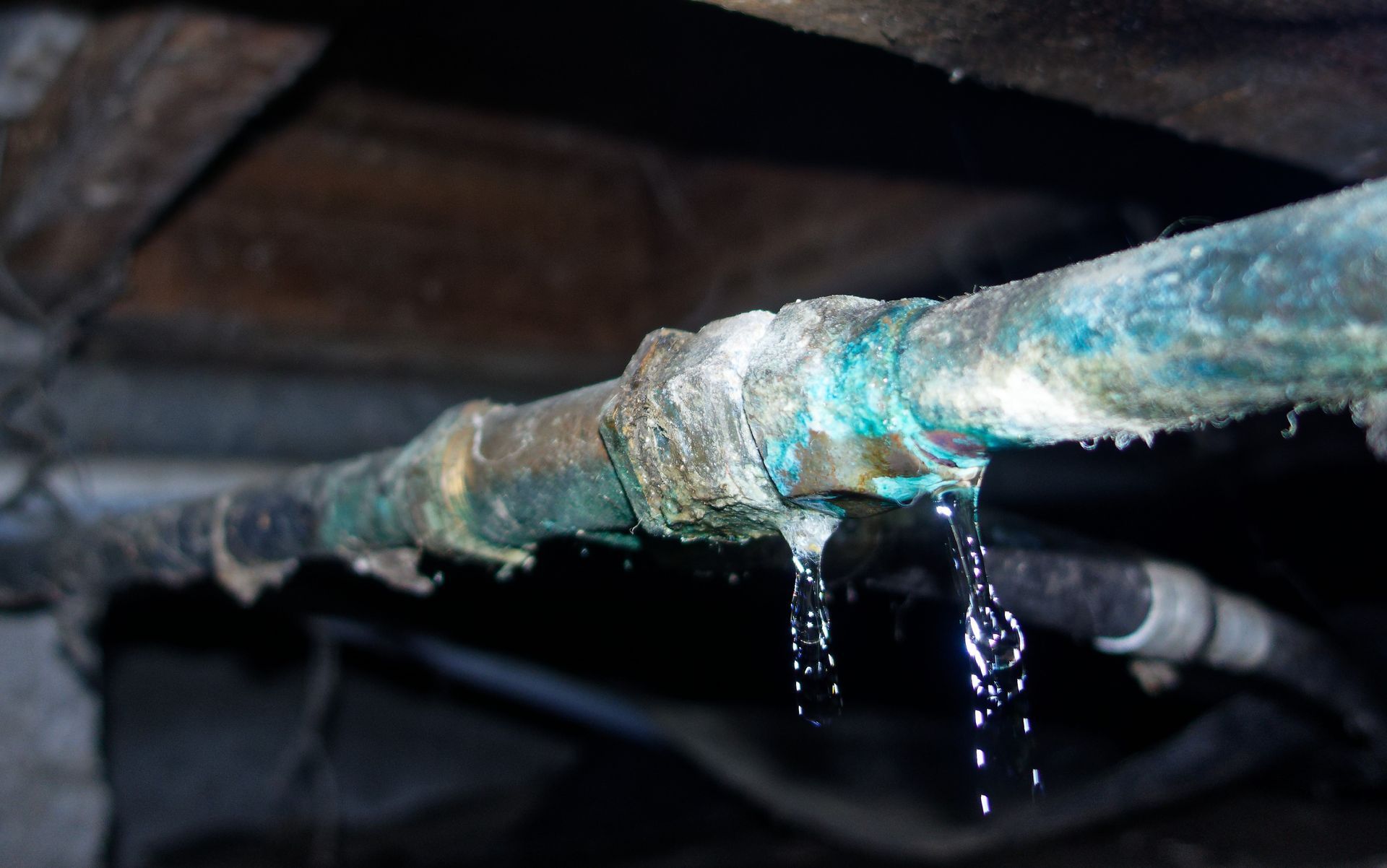
- Corrosion or mineral deposits around valves and fittings
- An appliance that fills, drains, or cycles differently than usual
Surface dryness can be misleading. Water can remain beneath vinyl, tile, laminate, cabinets, and walls long after the visible puddle has been wiped up.
What to Do When an Appliance Leaks
- Stop the water source. Close the local valve or main shutoff if it is safe and accessible.
- Address electricity and gas hazards. Do not stand in water to unplug an appliance or reach a breaker.
- Photograph the source and affected area. Document the appliance, connection, water path, and damaged materials.
- Call the appropriate repair professional. The failed hose, valve, drain, or appliance must be corrected.
- Check for hidden moisture. Inspect adjacent rooms, the level below, cabinets, flooring edges, and wall bases.
For a significant loss, Flynn & Co. provides water damage restoration in Streetsboro.
Why Professional Drying May Be Necessary
Water from an appliance follows seams and low points. It may run beneath cabinets, through floor penetrations, or between layers of flooring. Particleboard and fiberboard can swell quickly, while insulation and drywall may hold moisture inside a cavity.
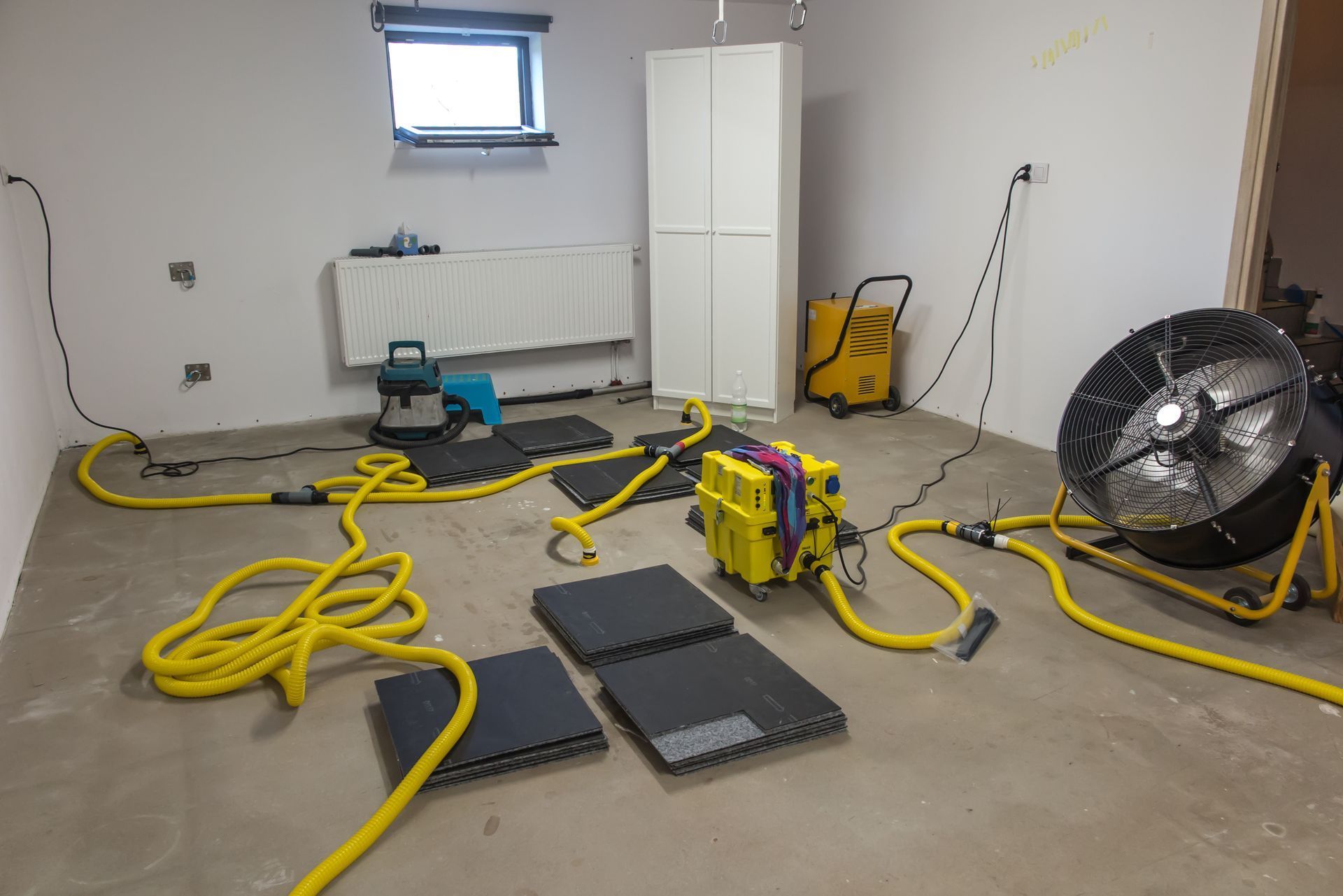
Professional water extraction and structural drying uses moisture readings to identify the affected area. Drying equipment is then positioned to control humidity and move moisture out of materials, with follow-up readings used to track progress.
Repairing Damage After the Area Is Dry
Some materials can be cleaned and dried, but others lose their shape, finish, or strength. Cabinet bases, engineered flooring, insulation, drywall, and trim are evaluated based on the type of water, the length of exposure, and access for drying.
If removal is necessary, Flynn & Co. can coordinate repairs after appliance leaks, including drywall, flooring, cabinets, trim, paint, and related reconstruction.
Ways to Reduce Appliance-Leak Risk
- Inspect accessible supply and drain hoses regularly.
- Replace aging or damaged connectors according to manufacturer guidance.
- Know the location of appliance valves and the main water shutoff.
- Use leak sensors in laundry, kitchen, and utility areas.
- Clean HVAC condensate drains and check pumps and pans.
- Look beneath sinks and behind appliances after service or movement.
- Do not ignore minor swelling, staining, corrosion, or recurring odors.
Frequently Asked Questions
Is the floor dry when the surface feels dry?
Not necessarily. Water may remain beneath flooring, underlayment, cabinets, or inside the subfloor. Moisture measurements can determine whether hidden layers are still wet.
Should I file an insurance claim for an appliance leak?
Coverage depends on the policy and the circumstances of the loss. Document the damage, prevent additional water from spreading, and contact the insurer for guidance.
Can wet cabinets be saved?
Sometimes. The cabinet material, amount of swelling, water category, exposure time, and ability to dry enclosed areas all influence whether restoration is practical.
How often should appliance hoses be checked?
Inspect them regularly and after an appliance is moved. Follow the appliance and hose manufacturer’s replacement recommendations rather than waiting for visible failure.
Get Help With Appliance Water Damage in Streetsboro
If an appliance has leaked, stop the source and avoid electrical hazards. Call (330) 432-7414 or contact Flynn & Co. for moisture assessment, drying, cleanup, and repairs.
Related Services
Restoration and Construction Services for Northeast Ohio Property Owners:
When water, fire, storms, mold, or structural damage affects your property, Flynn & Co. is ready to help. Our experienced team provides complete restoration and construction services for homes and businesses throughout Northeast Ohio.
Water Damage Restoration
From plumbing leaks and appliance failures to flooded basements, we locate the source of the water, remove moisture, dry affected materials, and repair the damage.
Fire and Smoke Damage Restoration
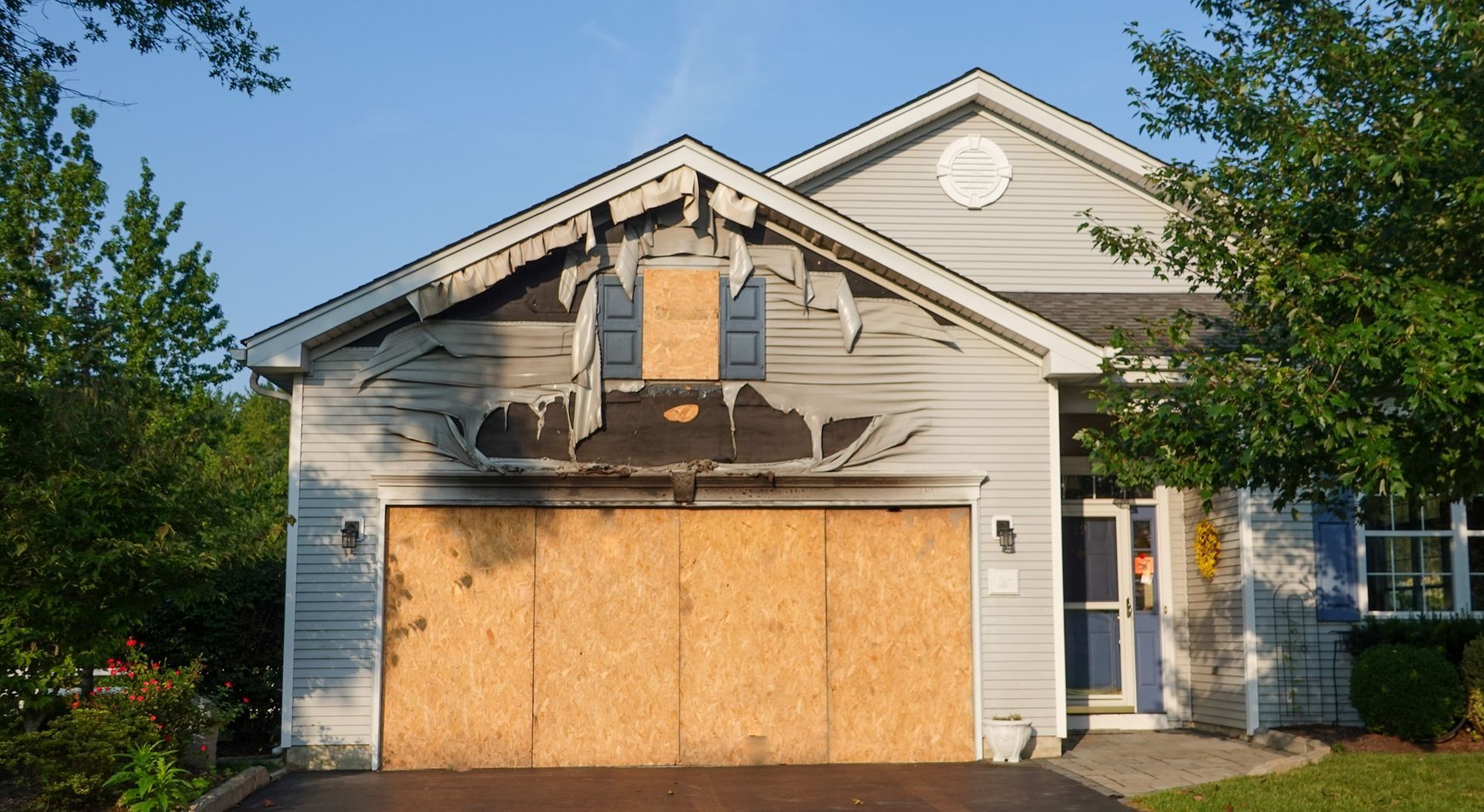
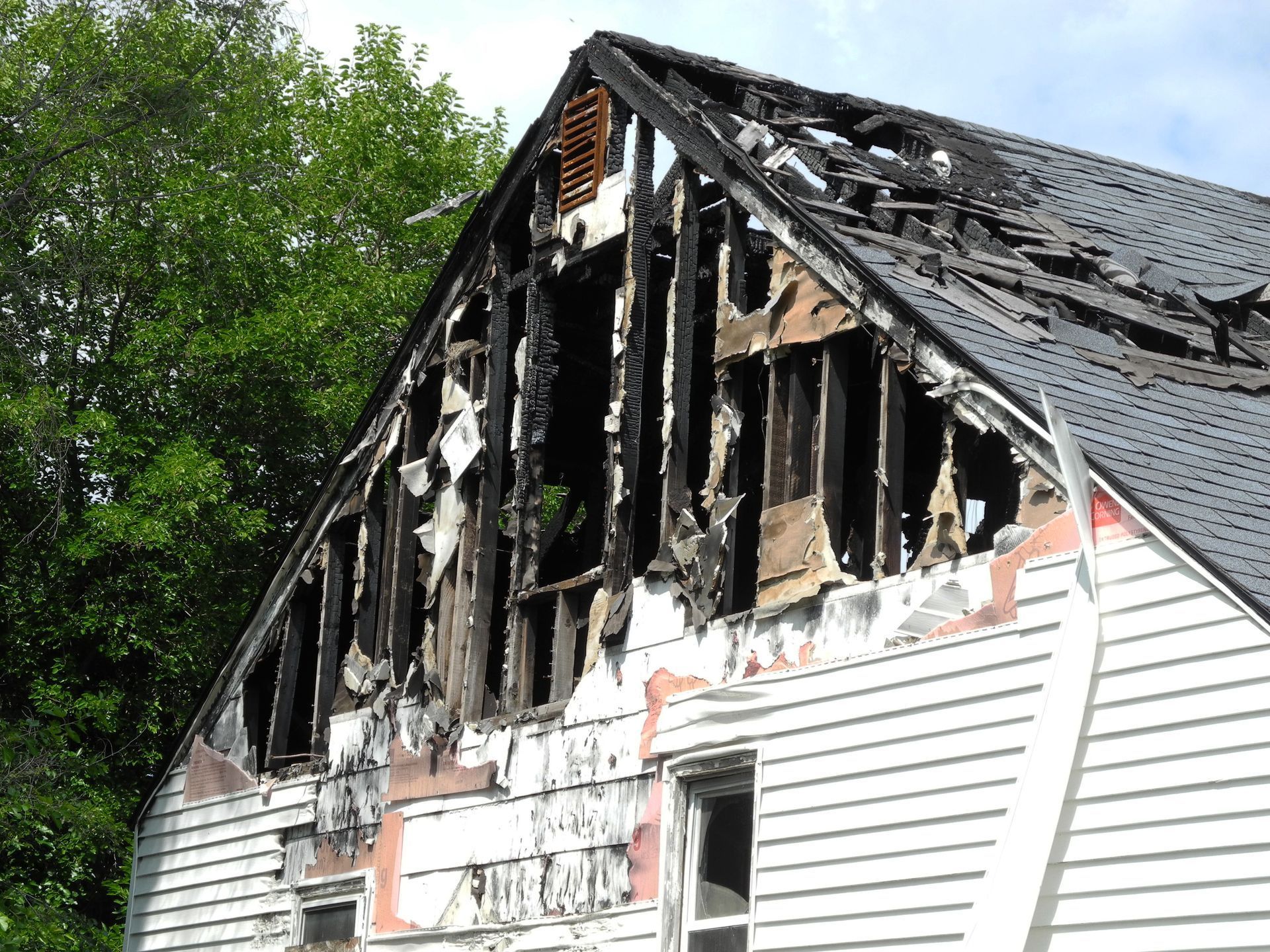
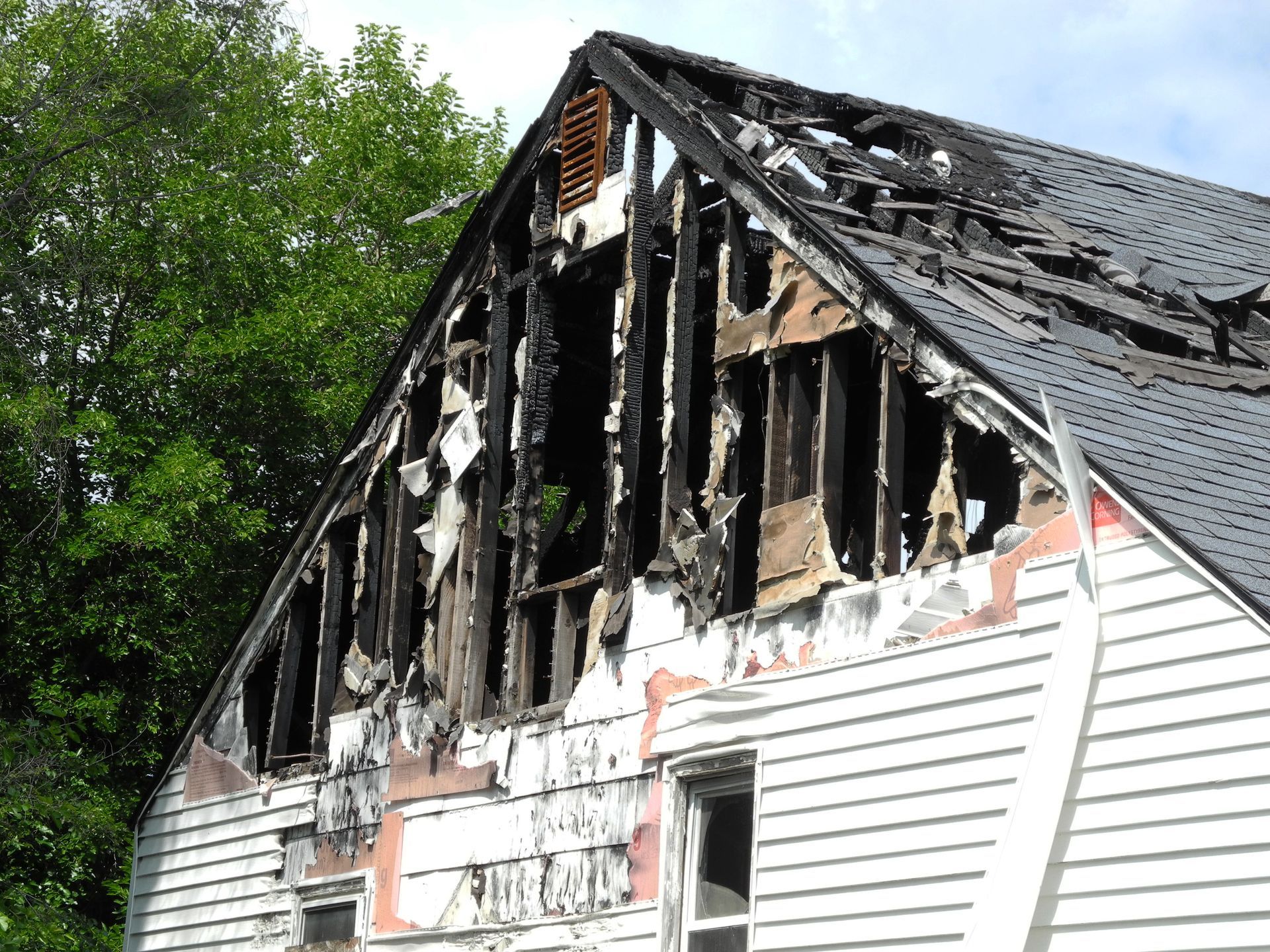
We help property owners recover after a fire with cleanup, smoke and odor removal, damage restoration, and reconstruction services.
Our team identifies affected areas, safely removes mold-contaminated materials, addresses excess moisture, and helps restore a healthier indoor environment.
Storm Damage Restoration
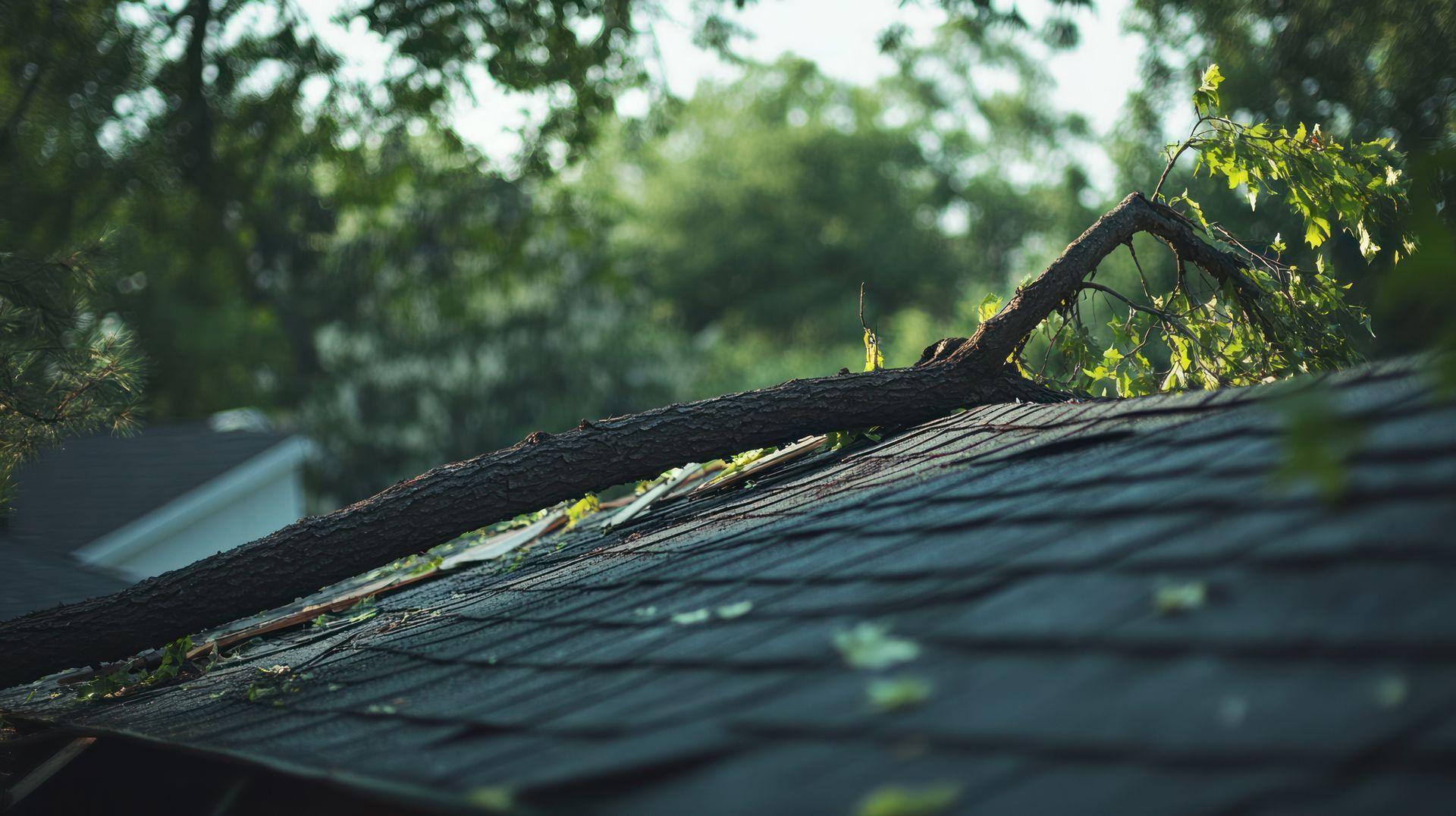
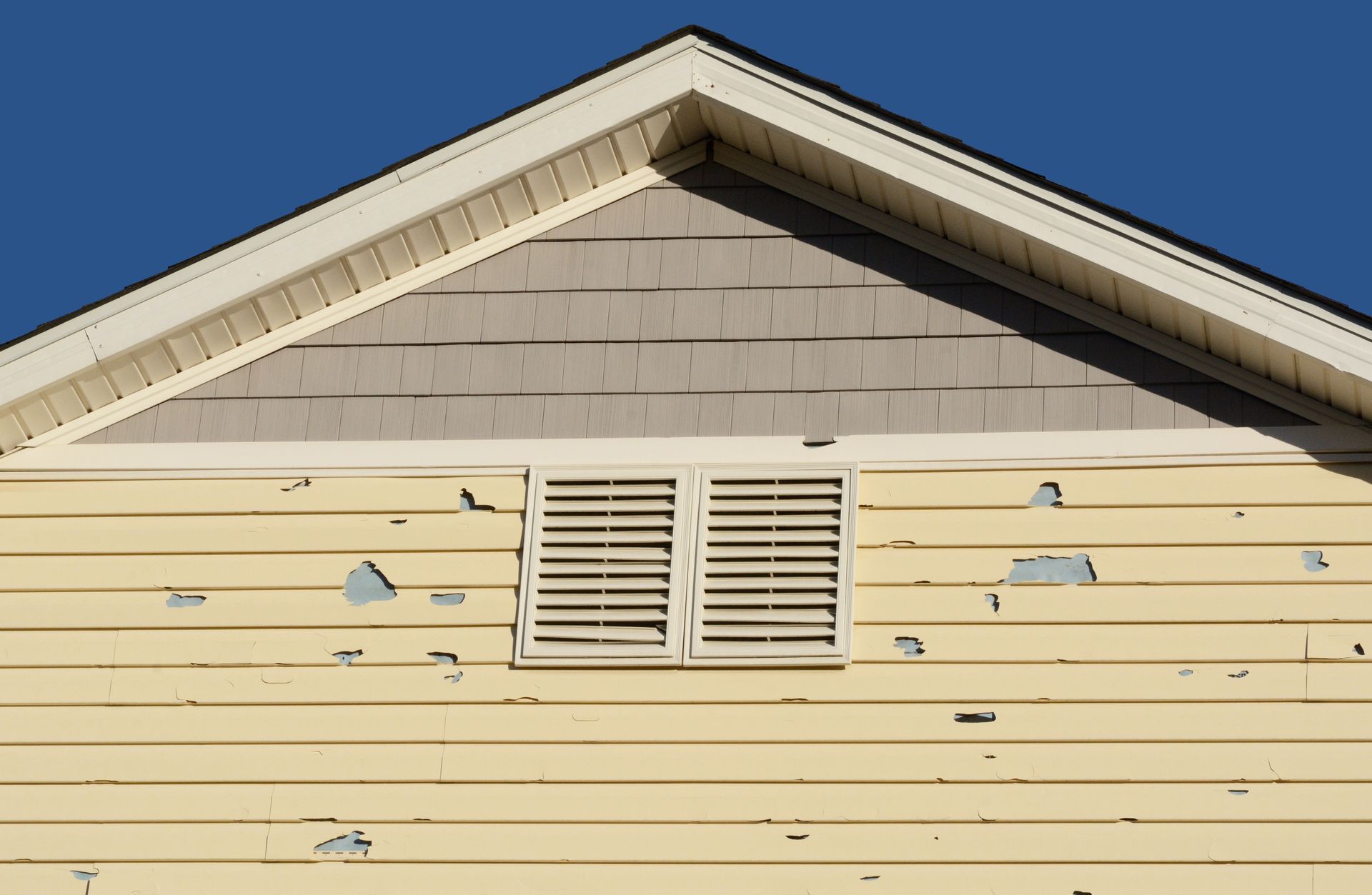
When severe weather damages your roof, siding, interior, or other parts of your property, we provide prompt repairs and complete restoration assistance.
Remodeling and Construction
Flynn & Co. also provides professional remodeling, reconstruction, and general construction services for homeowners ready to repair or improve their property.
Need Help Restoring Your Northeast Ohio Property?
Whether you are dealing with water, fire, smoke, mold, or storm damage—or planning a remodeling project—Flynn & Co. can help you determine the right next step. Contact our experienced team to schedule an assessment for your home or business.