What Happens to Your Belongings After Smoke Damage in a Macedonia Home?

Flynn & Co. • November 19, 2026

After a fire, wait for authorities to allow re-entry before inspecting belongings. Document affected items and ask which need professional assessment, specialist handling, or disposal. Appearance alone does not establish that an item is usable, and a decision about the building is not automatically a decision about its contents.

Start With Permission to Re-Enter

The urge to retrieve photographs, clothing, or important documents can be strong after a fire. Do not return to a damaged home until local fire authorities say it is safe. That clearance is the starting point for access, not a guarantee that every room, appliance, or possession is ready for normal use.

The American Red Cross places safe re-entry ahead of recovery of belongings. Ask about any remaining access restrictions and follow instructions from the responsible professionals. A list of priority items can be prepared from memory while you wait.

Make a Room-by-Room Inventory

Once access is permitted, begin with a record rather than a cleaning experiment. Identify the room, item, visible condition, brand or model when available, and the date of the observation. Wide photographs help show location; close photographs capture useful details.

Keep factual observations separate from conclusions. For example, record visible residue or water exposure rather than labeling an item permanently ruined. If another person is helping, use the same naming system so photos and written notes can be matched later.

Separate Building Work From Contents Decisions

Wall cleaning, structural repairs, and treatment of personal belongings can involve different processes. Ask which services are included in the contractor’s proposal and which items may require a specialist. A general restoration estimate should not leave the handling of important possessions ambiguous.

Flynn & Co. provides fire and smoke damage restoration. During the assessment, discuss the affected rooms and ask how contents-related decisions fit into the overall scope. Confirm arrangements for any packing, transport, cleaning, or storage before those services are assumed.

Create Priorities Without Losing the Inventory

Tell the restoration team about sentimental items and documents that are especially important to you. A household inventory may contain hundreds of entries, but a short priority list helps direct the conversation about specialist evaluation.

Distinguish immediate daily needs from items you want preserved for other reasons. Keep copies of any collection lists or handoff records, and note where an item is going. The objective is a traceable process, even when decisions cannot all be made on the first day.

Avoid Turning a Test Clean Into Additional Damage

Different materials and residues call for different approaches. Avoid applying the same cleaner to upholstery, finished wood, photographs, and electronics. Consult a qualified professional before attempting treatment of valuable or delicate items.

Do not plug in fire- or water-exposed electronics simply to see whether they still work. Discuss them with a qualified specialist. An item’s ability to turn on is not the same as confirmation that it is safe or suitable for continued use.

Understand What Should Not Be Kept for Later Use

The Red Cross advises discarding food, beverages, and medicines exposed to heat, smoke, or soot. Ask the relevant professionals about other items whose safe use is uncertain. Do not rely on an intact-looking package as your only basis for deciding.

Document disposals when it is practical and safe, and ask your insurer how damaged goods should be recorded. Follow safety instructions when something needs prompt removal; an inventory should support recovery, not keep a hazardous item in use.

Coordinate Contents With Drying and Repairs

Firefighting water can add a separate layer of damage. If it affected the building, water damage restoration may be needed alongside smoke cleanup. Coordinate access and item handling so belongings are not moved repeatedly without a plan.

As reconstruction approaches, confirm which rooms are ready for return of contents and what work remains. Flynn & Co.’s repairs and reconstruction can address the agreed building repairs. Keep the building scope, contents list, and any specialist records together so the transition back is easier to follow.

Questions to Settle Before Signing a Contents Scope

Ask what is included, who will handle each category of item, how it will be tracked, and when you will be consulted about unsuccessful cleaning or replacement recommendations. Also ask what charges or storage arrangements require separate approval.

Restoration cannot guarantee recovery of every possession. A clear assessment process, realistic expectations, and written records give Macedonia homeowners a better basis for decisions than a blanket promise that everything can be saved.

Frequently Asked Questions

Can I begin cleaning as soon as firefighters leave?

Wait for permission to re-enter and follow any access restrictions. Discuss affected materials and belongings with the appropriate professionals before beginning cleanup.

Will every item with smoke odor need replacement?

Not necessarily. The item, exposure, condition, and appropriate cleaning options need assessment. No universal answer applies to every possession.

Should I throw everything away immediately?

Avoid blanket decisions. Document and assess items where safe, while following guidance for items that must be discarded. Ask your insurer about inventory requirements.

Does a building repair estimate include storage of belongings?

Not automatically. Confirm whether contents handling, cleaning, transportation, and storage are included or require separate arrangements.

Related Services

Explore fire and smoke damage restoration, water damage restoration, and repairs and reconstruction to understand the services available for an assessed loss.

Related Reading

Request Restoration Help in Macedonia

For help assessing damage and planning the next steps in Macedonia, call Flynn & Co. at (330) 432-7414 or request an assessment. Emergency restoration assistance is available 24/7.

Sources and Further Guidance

Related Services

Restoration and Construction Services for Northeast Ohio Property Owners:


When water, fire, storms, mold, or structural damage affects your property, Flynn & Co. is ready to help. Our experienced team provides complete restoration and construction services for homes and businesses throughout Northeast Ohio.


Water Damage Restoration
From plumbing leaks and appliance failures to flooded basements, we locate the source of the water, remove moisture, dry affected materials, and repair the damage.


Fire and Smoke Damage Restoration
We help property owners recover after a fire with cleanup, smoke and odor removal, damage restoration, and reconstruction services.


Mold Remediation

 Our team identifies affected areas, safely removes mold-contaminated materials, addresses excess moisture, and helps restore a healthier indoor environment.


Storm Damage Restoration
When severe weather damages your roof, siding, interior, or other parts of your property, we provide prompt repairs and complete restoration assistance.


Remodeling and Construction
Flynn & Co. also provides professional remodeling, reconstruction, and general construction services for homeowners ready to repair or improve their property.

Need Help Restoring Your Northeast Ohio Property?

Whether you are dealing with water, fire, smoke, mold, or storm damage—or planning a remodeling project—Flynn & Co. can help you determine the right next step. Contact our experienced team to schedule an assessment for your home or business.

By Flynn & Co. • November 12, 2026
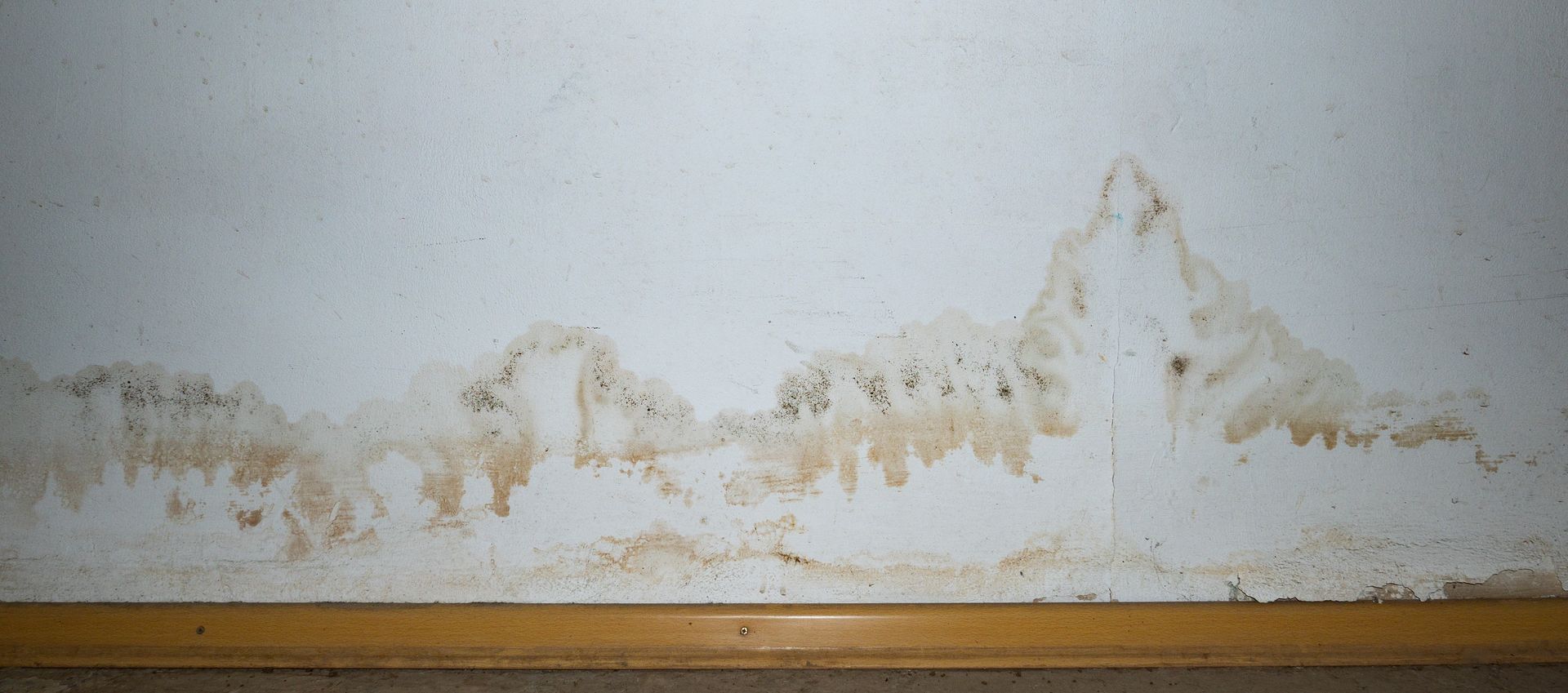
Learn how to respond when a power outage and sump-pump failure leave your Sagamore Hills basement wet, from safe access to drying and repairs.
By Flynn & Co. • November 5, 2026
Learn what affects hardwood floor recovery after a leak, why the subfloor matters, and what Solon homeowners should ask before drying or replacement.
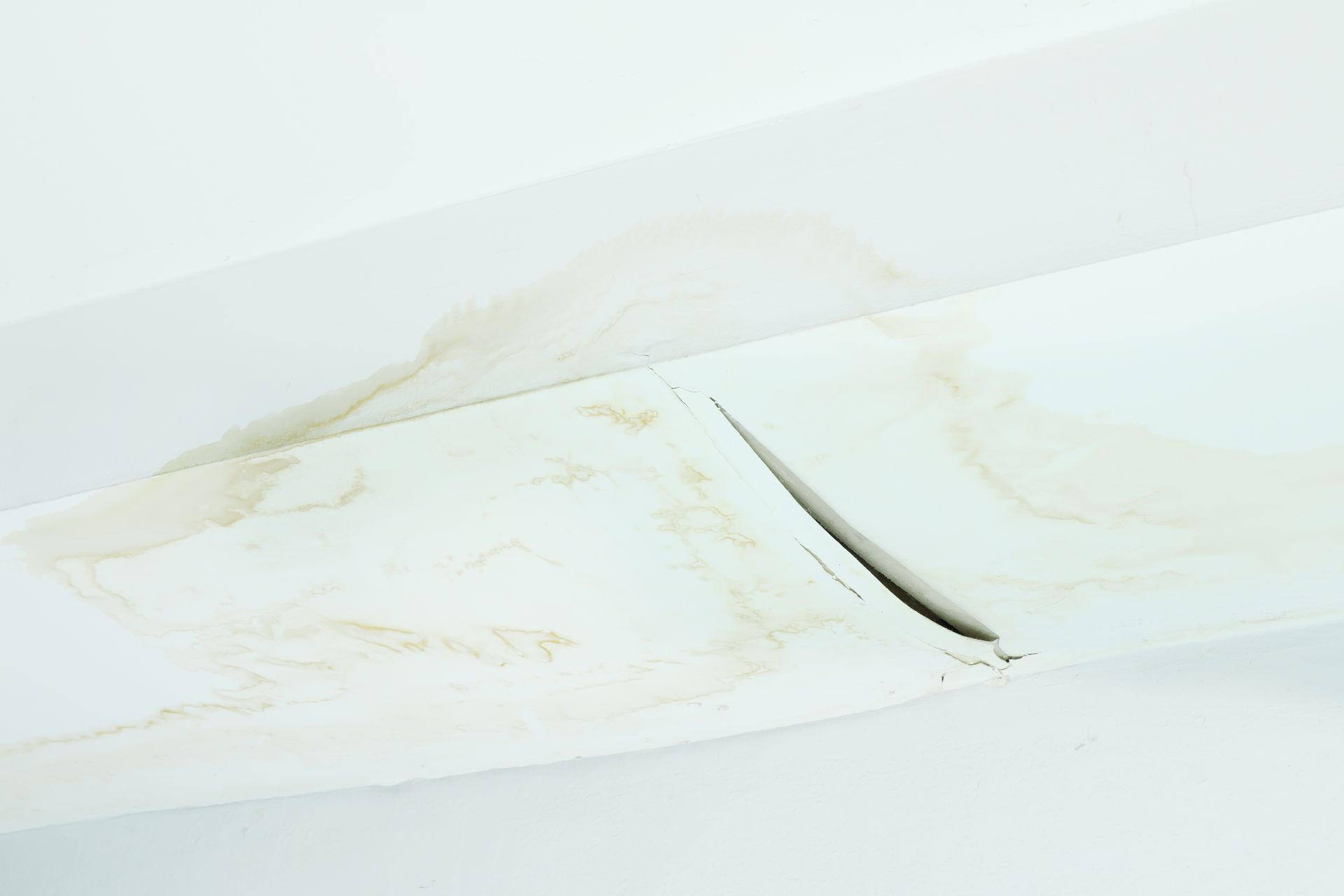
Water stain on ceiling of a home  below a bathroom
By Flynn & Co. • October 29, 2026
An upstairs bathroom leak can travel beneath flooring and into the ceiling below before the full damage is visible. Here is how Northfield homeowners should respond.
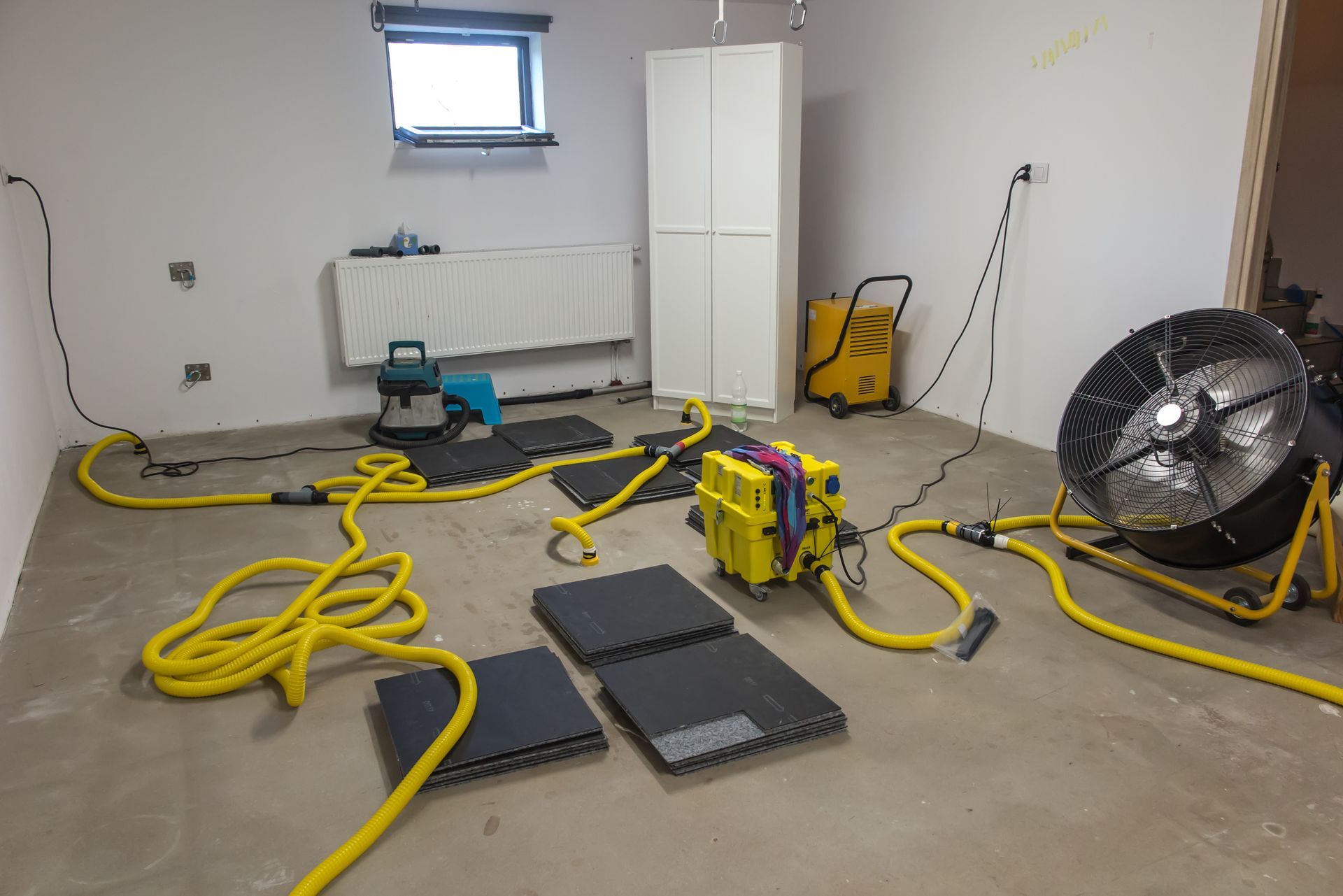
Workshop floor with yellow hoses, tools, a fan, and a white cabinet against a bare wall.
By Flynn & Co. • October 22, 2026
Water-damage reconstruction can be a practical time to improve a room, but drying and covered repairs must be clearly separated from owner-selected upgrades.
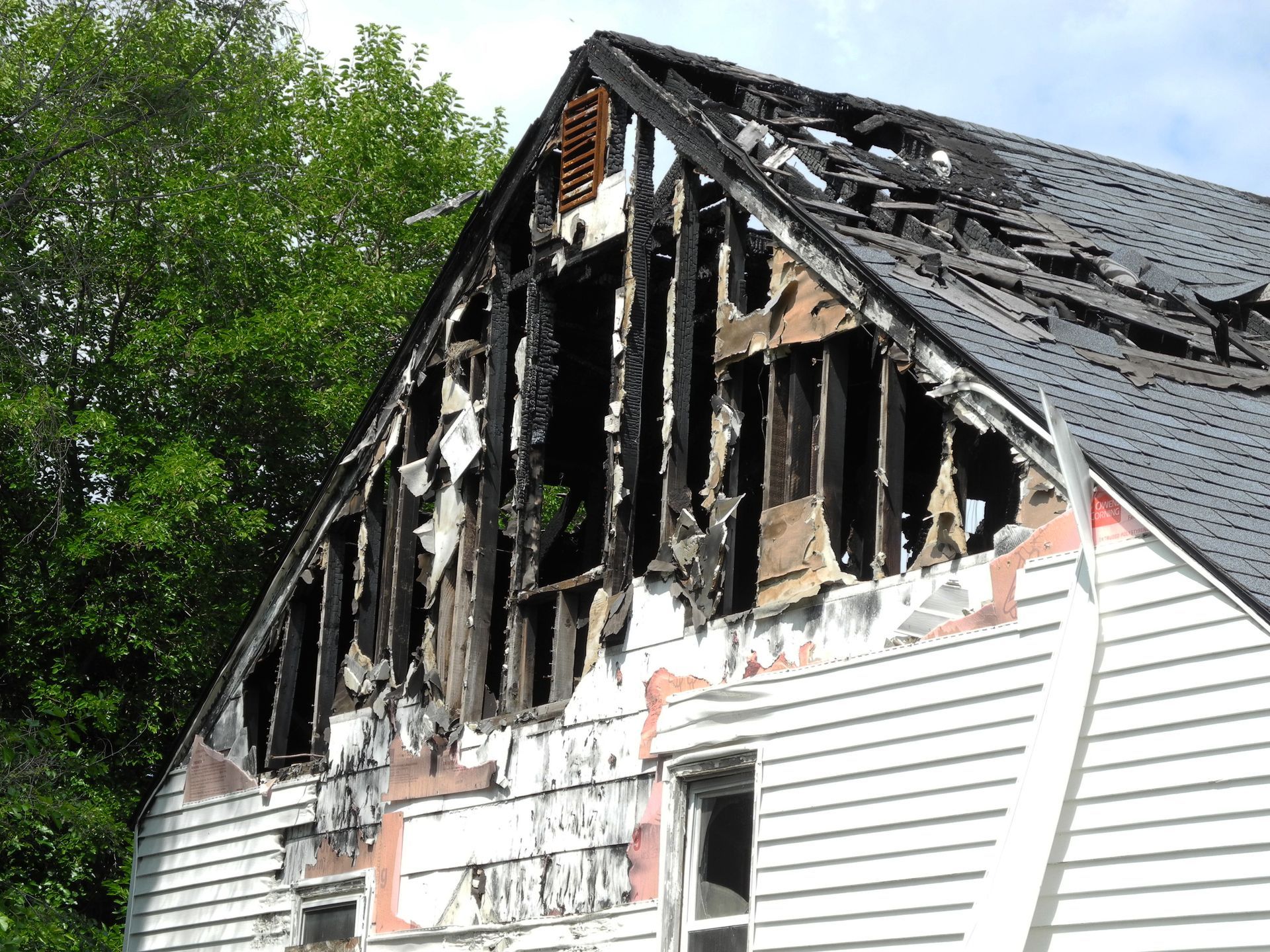
Burned, partially collapsed house with charred roof and white siding beside trees
By Flynn & Co. • October 15, 2026
Smoke odor can return when a furnace moves residue trapped in ducts, filters, insulation, or porous finishes. Learn how to identify the source and restore healthy indoor conditions.
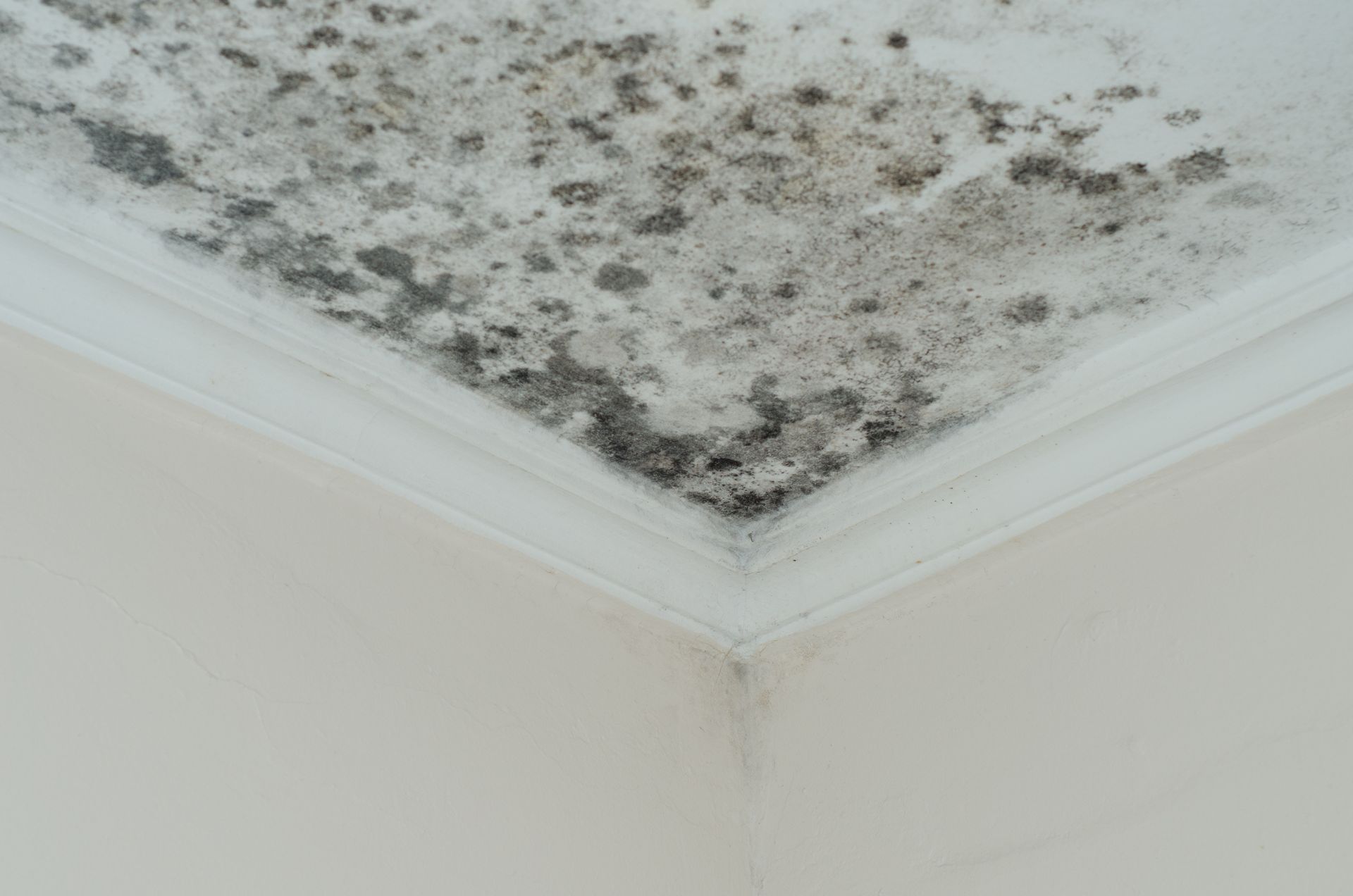
By Flynn & Co. • October 8, 2026
Hidden mold can develop behind drywall, beneath flooring, and inside insulation after water damage. Learn the warning signs and safest next steps for Brecksville homes.
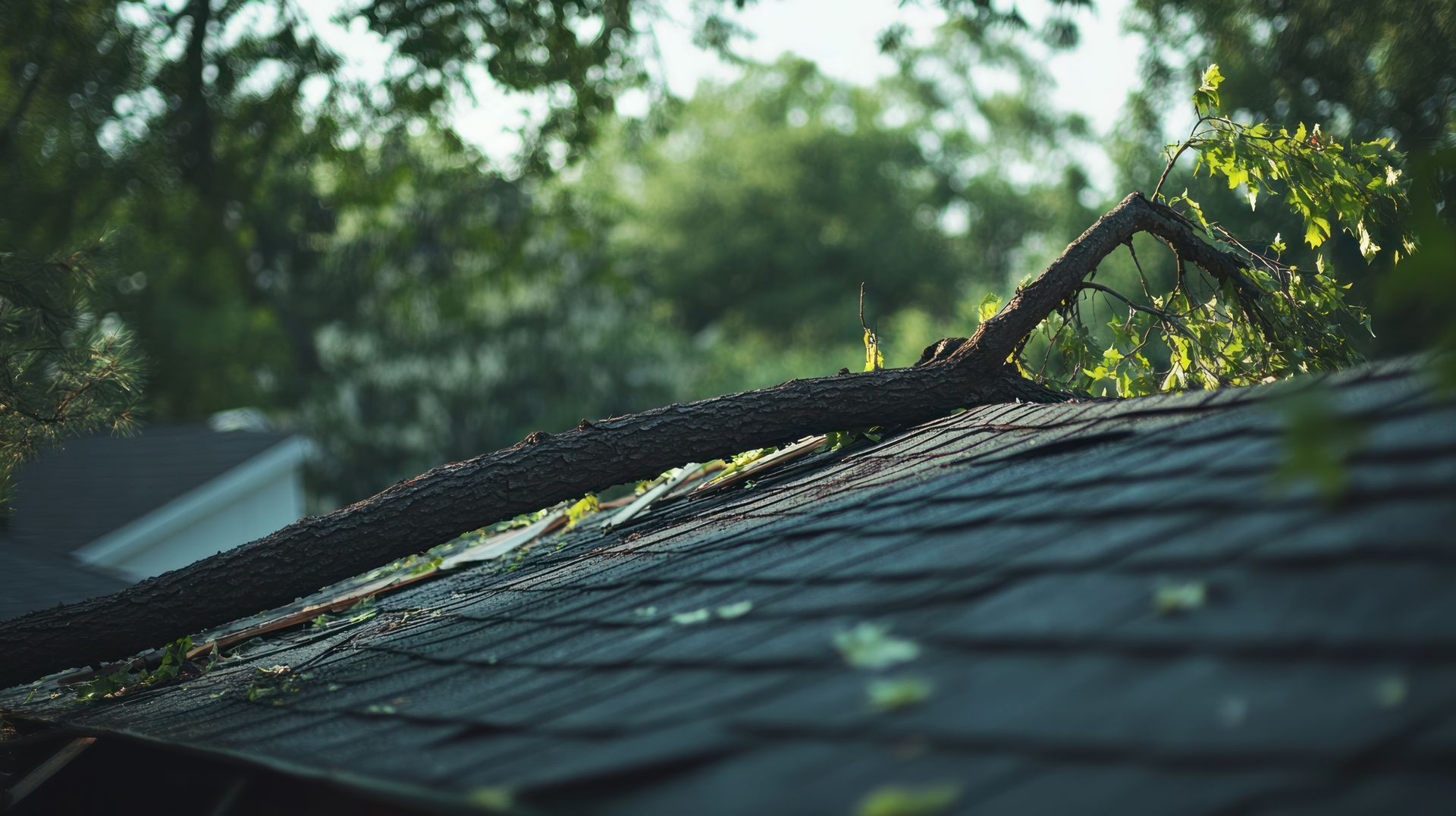
tree limb fallen on a dark shingled roof in sunlight, with green trees blurred in the background
By Flynn & Co. • October 1, 2026
Good documentation captures the condition immediately after a storm while still allowing urgent work that protects the property.
Flooded basement with murky water, support posts, and stored furniture and items partially submerged
By Flynn & Co. • September 24, 2026
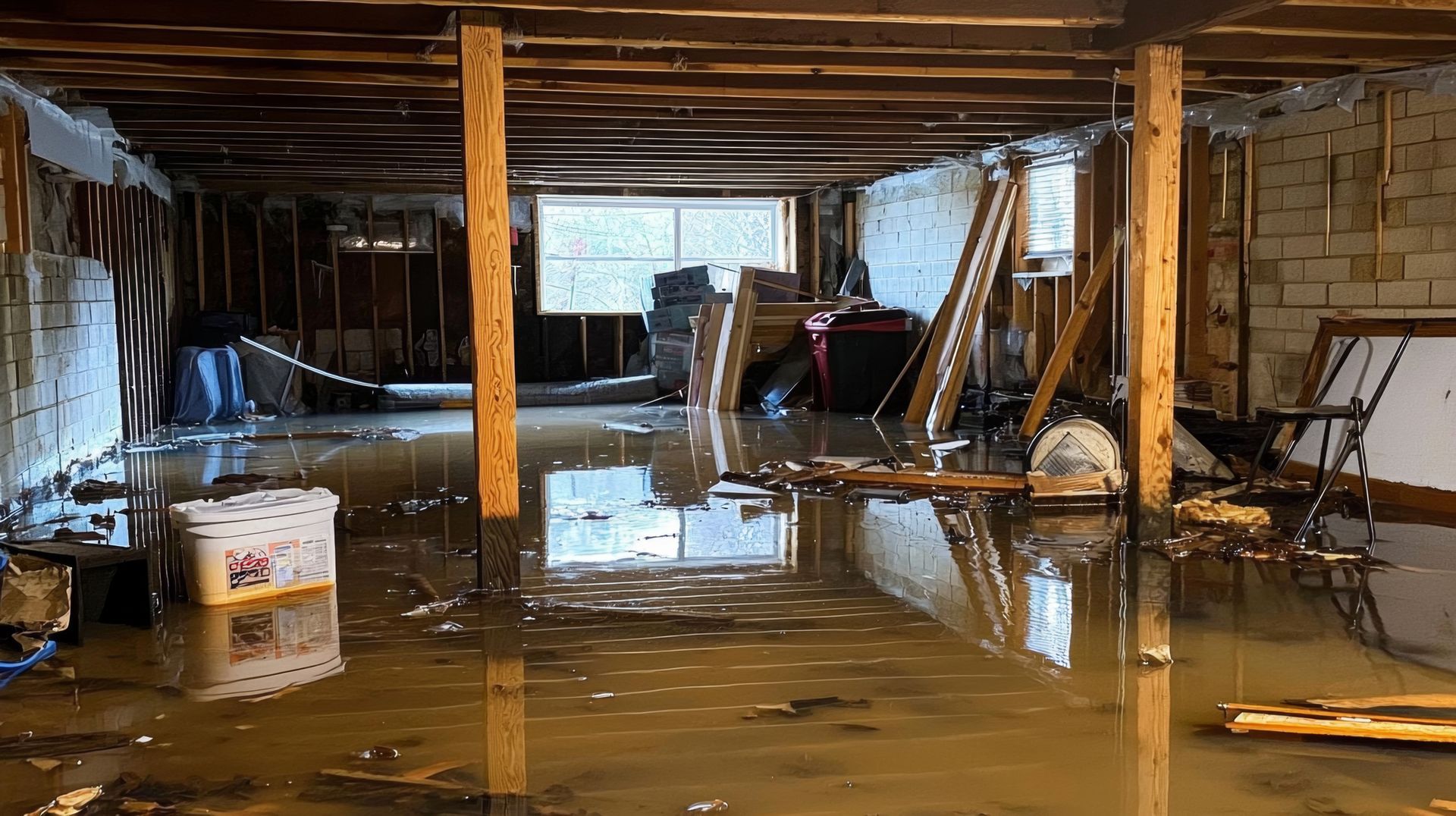
Intense Northeast Ohio storms can overwhelm drainage systems and reveal weak points around Bedford foundations.
Workshop with yellow hoses, floor tools, cabinets, and a large fan in a bare room.
By Flynn & Co. • September 17, 2026
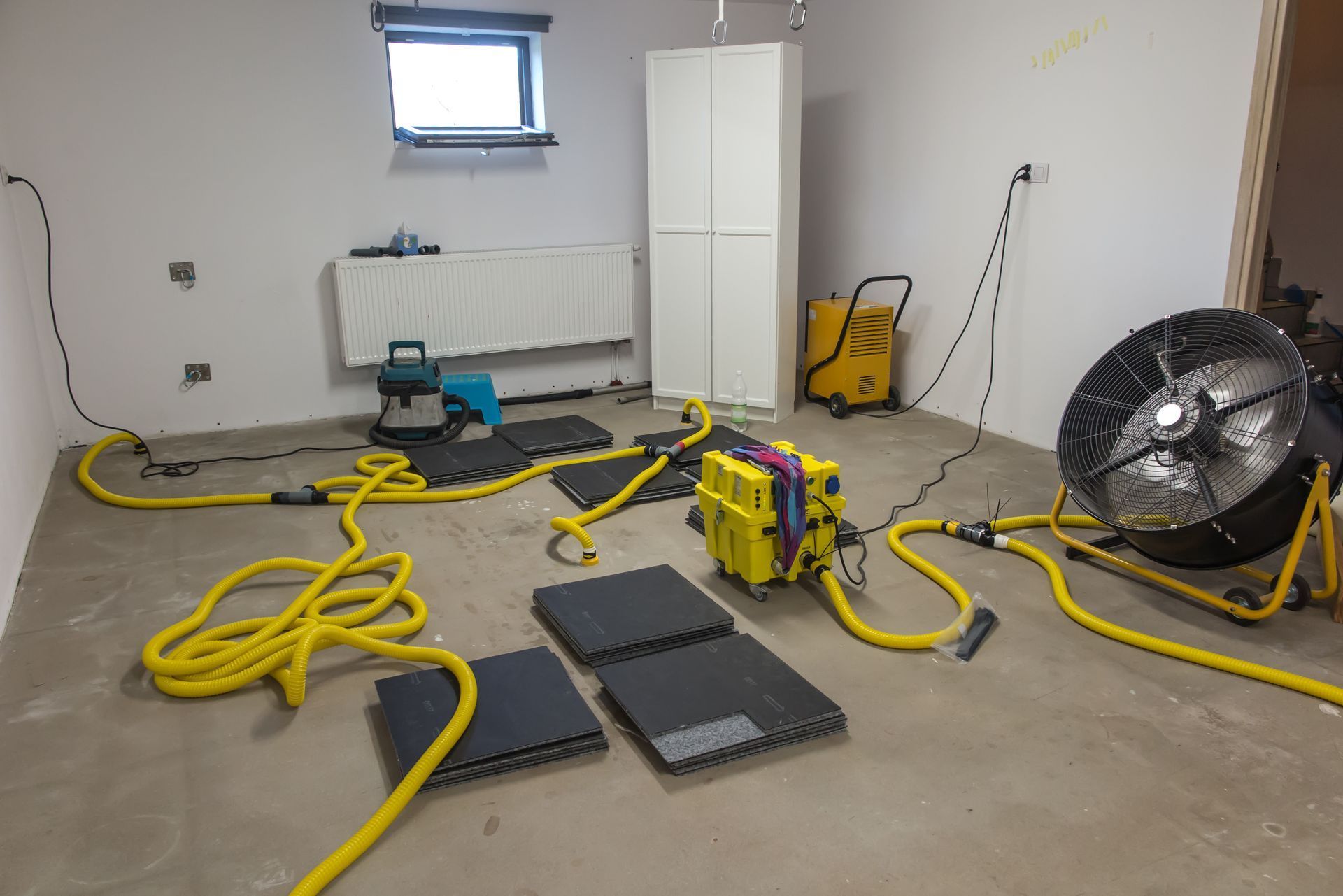
Water cleanup is only the first phase when drywall, insulation, flooring, cabinets, or framing cannot be restored.
House with boarded-up garage door and damaged upper facade in a suburban neighborhood
By Flynn & Co. • September 10, 2026
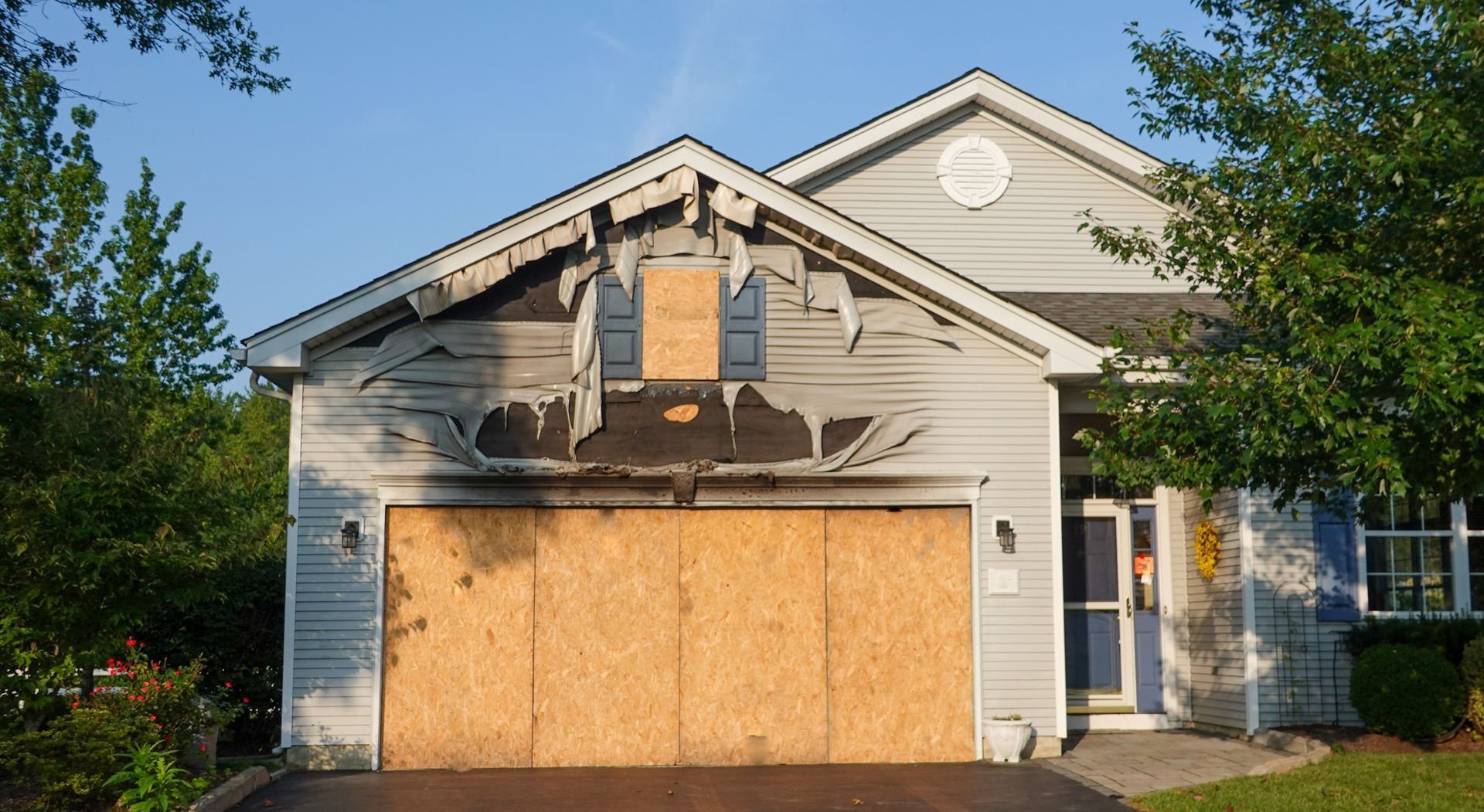
A garage fire can affect much more than the room where it began, especially when the garage is attached to the home.