Office Water Damage in Independence: Planning Cleanup Around an Occupied Building

Flynn & Co. • November 26, 2026

Office water damage recovery needs a clear point of contact, an assessed work area, and an agreed plan for access, drying, and repairs. Whether employees can remain in the building depends on the site conditions. Independence owners and tenants should coordinate the work rather than assume the whole office can stay open.

Choose One Contact for Project Decisions

A water loss may involve a building owner, property manager, tenant, maintenance provider, and insurer. Before instructions start coming from several directions, identify who can authorize work and who will distribute updates.

Record the best contact details and the process for urgent decisions. If the decision-maker is unavailable, clarify who can act in that person’s place. The restoration team should not have to infer authority from whoever happens to be at the front desk.

Establish What Is Affected and What Is Still Uncertain

Describe where the leak was discovered, whether the source is stopped, and which rooms have visible damage. Do not limit the inspection to the spot where water first appeared. Adjacent spaces, ceilings, and floor assemblies may also need attention.

Flynn & Co.’s water damage restoration in Independence include assessment, extraction, drying, cleanup, and repairs. Ask for the findings to distinguish confirmed damage from areas that still need evaluation so everyone is working from the same understanding.

Decide Access Based on Conditions

An office with a wet corridor presents different questions from an isolated room with a small leak. Discuss access routes, exits, restrooms, and the work area with the responsible building professionals. Do not promise staff that occupancy is safe before conditions are assessed.

If water may involve electrical equipment or contamination, keep people out of the affected area and arrange qualified evaluation. Protecting the work schedule does not take priority over determining whether the space can be used.

Plan for Equipment and Daily Operations

Drying equipment takes space and may affect noise levels, movement, and routine cleaning. Ask where it will be placed, who will check it, and whom staff should contact if a problem occurs. Avoid moving or switching off equipment without discussing the effect on the drying plan.

Identify practical conflicts early: deliveries, cleaning crews, locked rooms, client appointments, and building access hours. Some work outside normal business hours may be possible, but the arrangement needs confirmation for the specific project.

Keep Staff Updates Short and Useful

Employees generally need to know which areas they can use, which routes have changed, and who receives reports of new damage. They do not need conflicting estimates from multiple people.

A useful update identifies the current restrictions, the next planned activity, and when another update is expected. Avoid assigning a reopening date until the relevant assessment and repair decisions support it. If the scope changes, explain the change rather than quietly moving a deadline.

Protect Business Records During Coordination

Tell the team about rooms that contain confidential records or equipment requiring restricted access. Arrange for authorized staff to handle sensitive materials when appropriate. Do not put customer records, passwords, or employee details into general damage photos or widely shared project notes.

For affected electronics or specialized equipment, consult the relevant service provider. Building restoration and assessment of business equipment may require different expertise. Keep responsibility for each part of the recovery explicit.

Connect Mitigation to the Repair Scope

Ask what will remain unfinished after drying and what additional approvals are needed. Flooring, ceilings, wall finishes, and trim may require follow-on work even after the immediate moisture problem is addressed.

Flynn & Co. offers water damage restoration and repairs and reconstruction. Coordinating these stages helps the owner or tenant understand the transition from equipment in the room to completed repairs. Separate elective upgrades from the work needed to restore the damaged areas.

Confirm Readiness Before Returning to Routine Use

Before reopening an affected room, review what work is complete, what remains, and whether any restrictions still apply. Confirm who is responsible for outstanding source repairs, equipment checks, or specialty inspections.

Keep the final scope, repair records, and key contacts together. For an Independence workplace, a successful handoff means the people using the building understand its current condition and the remaining responsibilities, not merely that the drying machines have disappeared.

Frequently Asked Questions

Can an office stay open during water damage restoration?

Sometimes, but occupancy depends on the affected areas, hazards, and work required. It should be decided for the specific building rather than promised in advance.

Can staff move drying equipment to make room?

Discuss equipment changes with the restoration team first. Placement and operation are part of the drying plan.

Who should authorize work in a leased office?

The owner, manager, and tenant should identify the authorized representative and clarify responsibilities. A restoration contractor should receive clear instructions from the appropriate person.

Can repairs be completed outside business hours?

Some scheduling arrangements may be possible. Confirm availability, access, and the work involved with the contractor before making commitments to staff.

Related Services

Related Reading

Request Restoration Help in Independence

For help assessing damage and planning the next steps in Independence, call Flynn & Co. at (330) 432-7414 or request an assessment. Emergency restoration assistance is available 24/7.

Sources and Further Guidance

Related Services

Restoration and Construction Services for Northeast Ohio Property Owners:


When water, fire, storms, mold, or structural damage affects your property, Flynn & Co. is ready to help. Our experienced team provides complete restoration and construction services for homes and businesses throughout Northeast Ohio.


Water Damage Restoration
From plumbing leaks and appliance failures to flooded basements, we locate the source of the water, remove moisture, dry affected materials, and repair the damage.


Fire and Smoke Damage Restoration
We help property owners recover after a fire with cleanup, smoke and odor removal, damage restoration, and reconstruction services.


Mold Remediation

 Our team identifies affected areas, safely removes mold-contaminated materials, addresses excess moisture, and helps restore a healthier indoor environment.


Storm Damage Restoration
When severe weather damages your roof, siding, interior, or other parts of your property, we provide prompt repairs and complete restoration assistance.


Remodeling and Construction
Flynn & Co. also provides professional remodeling, reconstruction, and general construction services for homeowners ready to repair or improve their property.

Need Help Restoring Your Northeast Ohio Property?

Whether you are dealing with water, fire, smoke, mold, or storm damage—or planning a remodeling project—Flynn & Co. can help you determine the right next step. Contact our experienced team to schedule an assessment for your home or business.

By Flynn & Co. • November 19, 2026
A practical guide to documenting and assessing smoke-damaged belongings after a Macedonia house fire, including questions about cleaning and storage.
By Flynn & Co. • November 12, 2026
Learn how to respond when a power outage and sump-pump failure leave your Sagamore Hills basement wet, from safe access to drying and repairs.
By Flynn & Co. • November 5, 2026
Learn what affects hardwood floor recovery after a leak, why the subfloor matters, and what Solon homeowners should ask before drying or replacement.
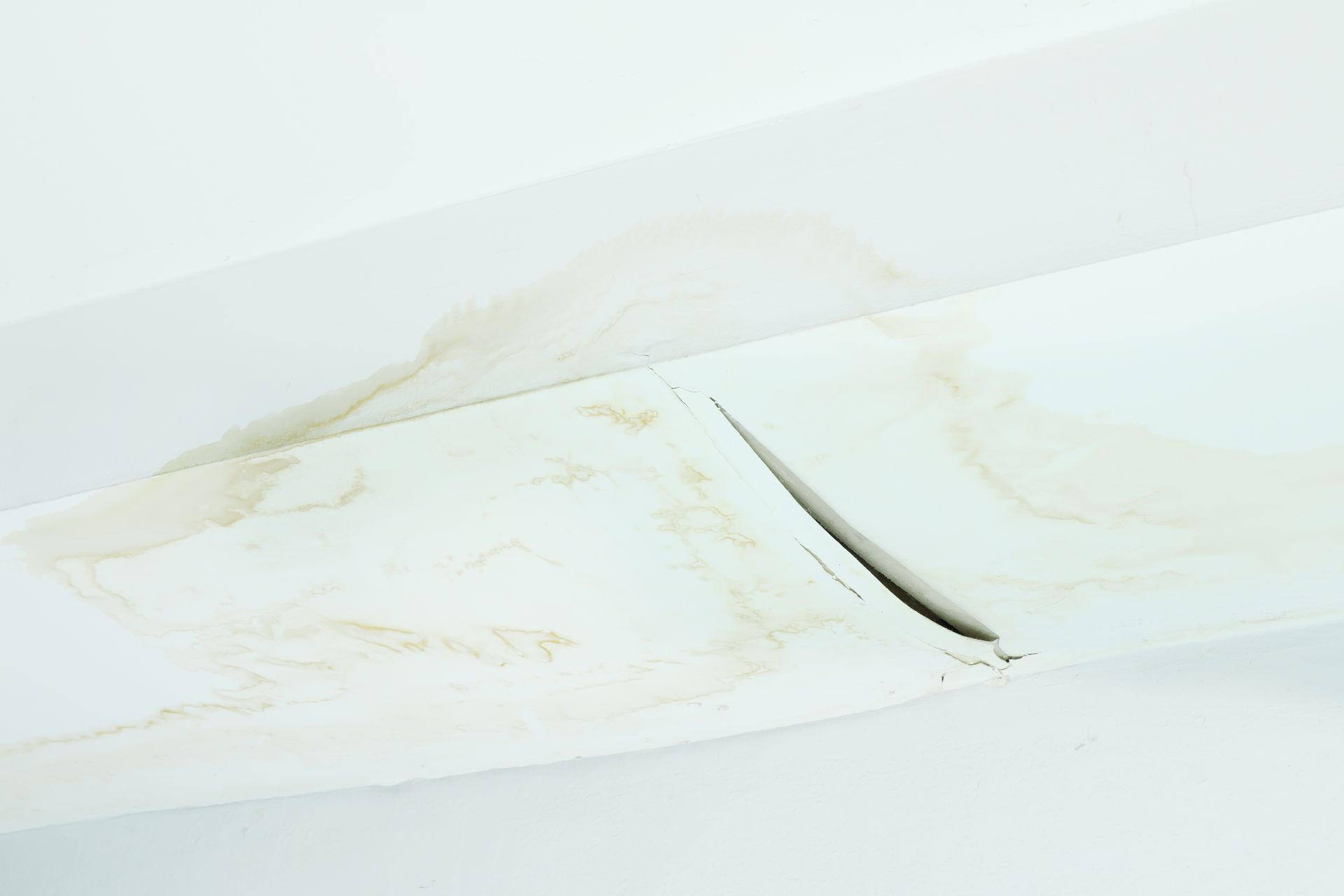
Water stain on ceiling of a home  below a bathroom
By Flynn & Co. • October 29, 2026
An upstairs bathroom leak can travel beneath flooring and into the ceiling below before the full damage is visible. Here is how Northfield homeowners should respond.
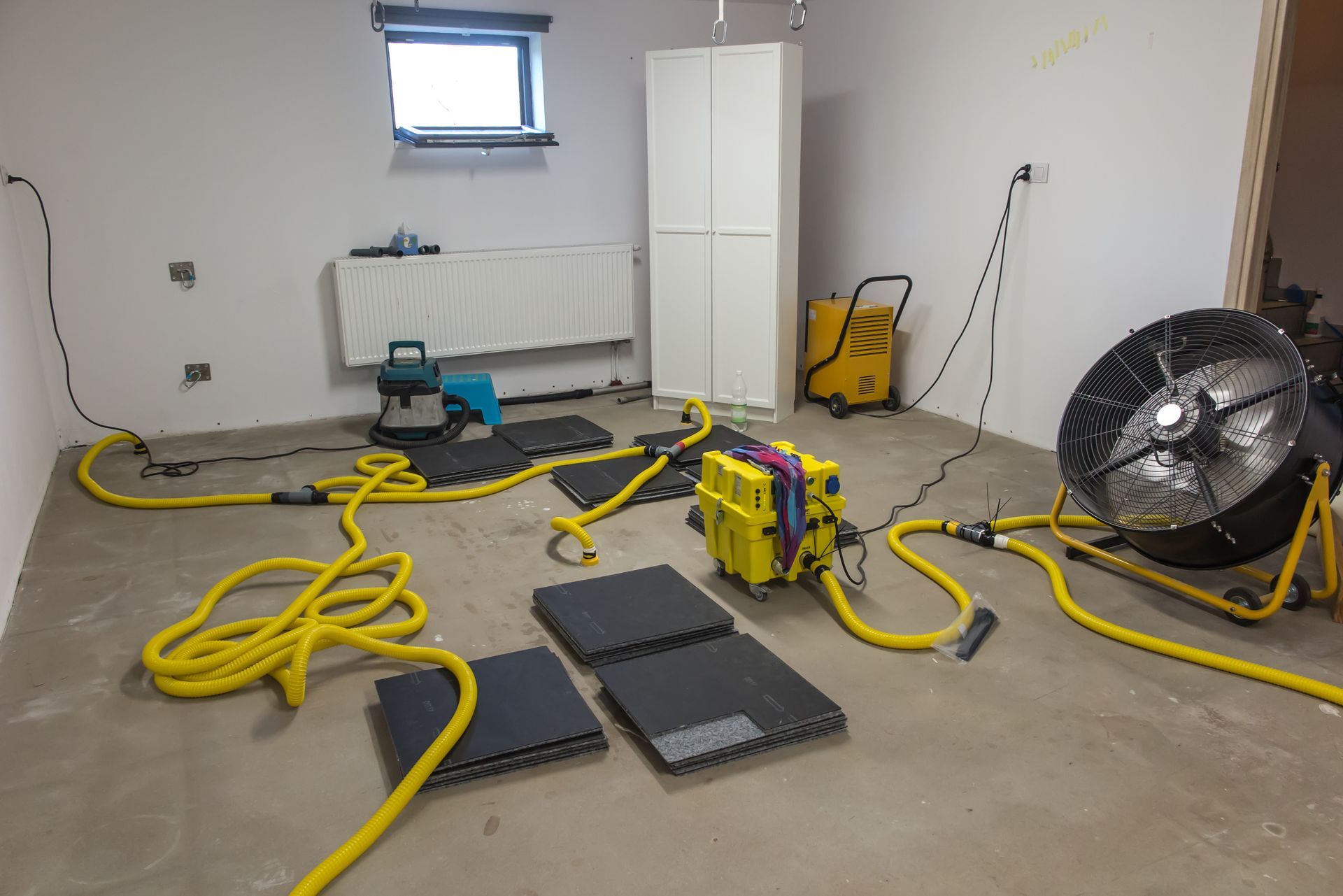
Workshop floor with yellow hoses, tools, a fan, and a white cabinet against a bare wall.
By Flynn & Co. • October 22, 2026
Water-damage reconstruction can be a practical time to improve a room, but drying and covered repairs must be clearly separated from owner-selected upgrades.
Burned, partially collapsed house with charred roof and white siding beside trees
By Flynn & Co. • October 15, 2026
Smoke odor can return when a furnace moves residue trapped in ducts, filters, insulation, or porous finishes. Learn how to identify the source and restore healthy indoor conditions.
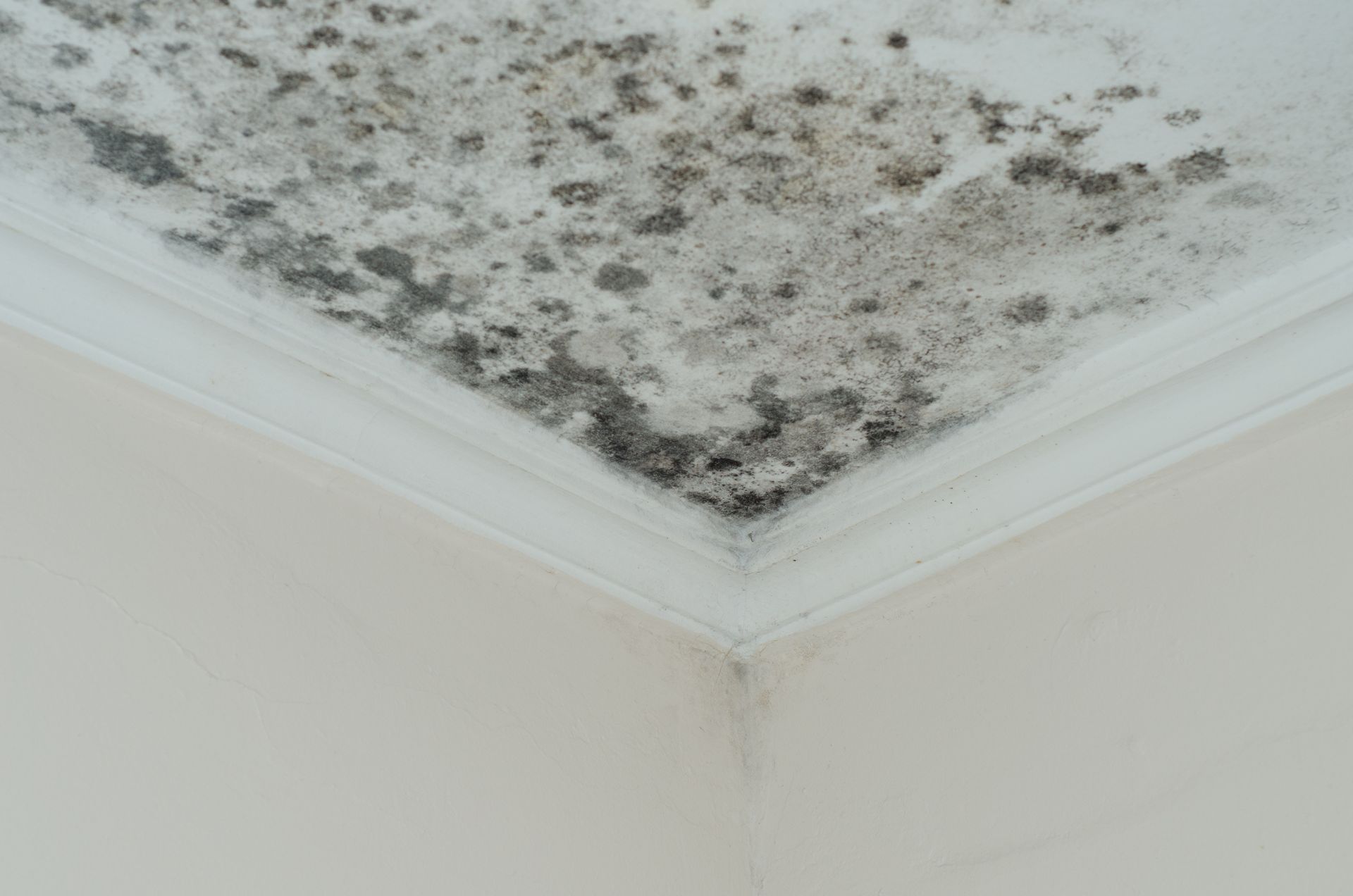
By Flynn & Co. • October 8, 2026
Hidden mold can develop behind drywall, beneath flooring, and inside insulation after water damage. Learn the warning signs and safest next steps for Brecksville homes.
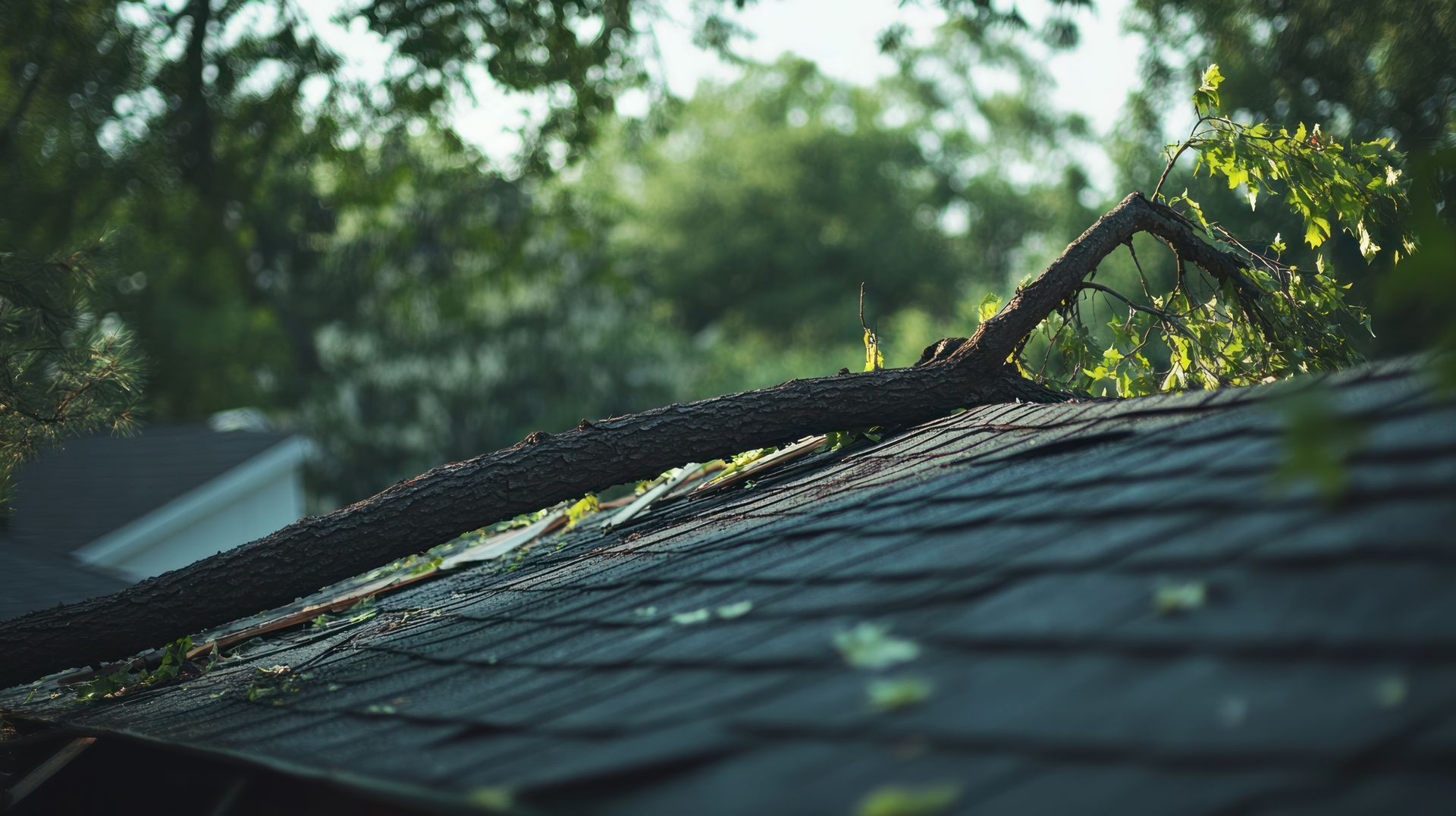
tree limb fallen on a dark shingled roof in sunlight, with green trees blurred in the background
By Flynn & Co. • October 1, 2026
Good documentation captures the condition immediately after a storm while still allowing urgent work that protects the property.
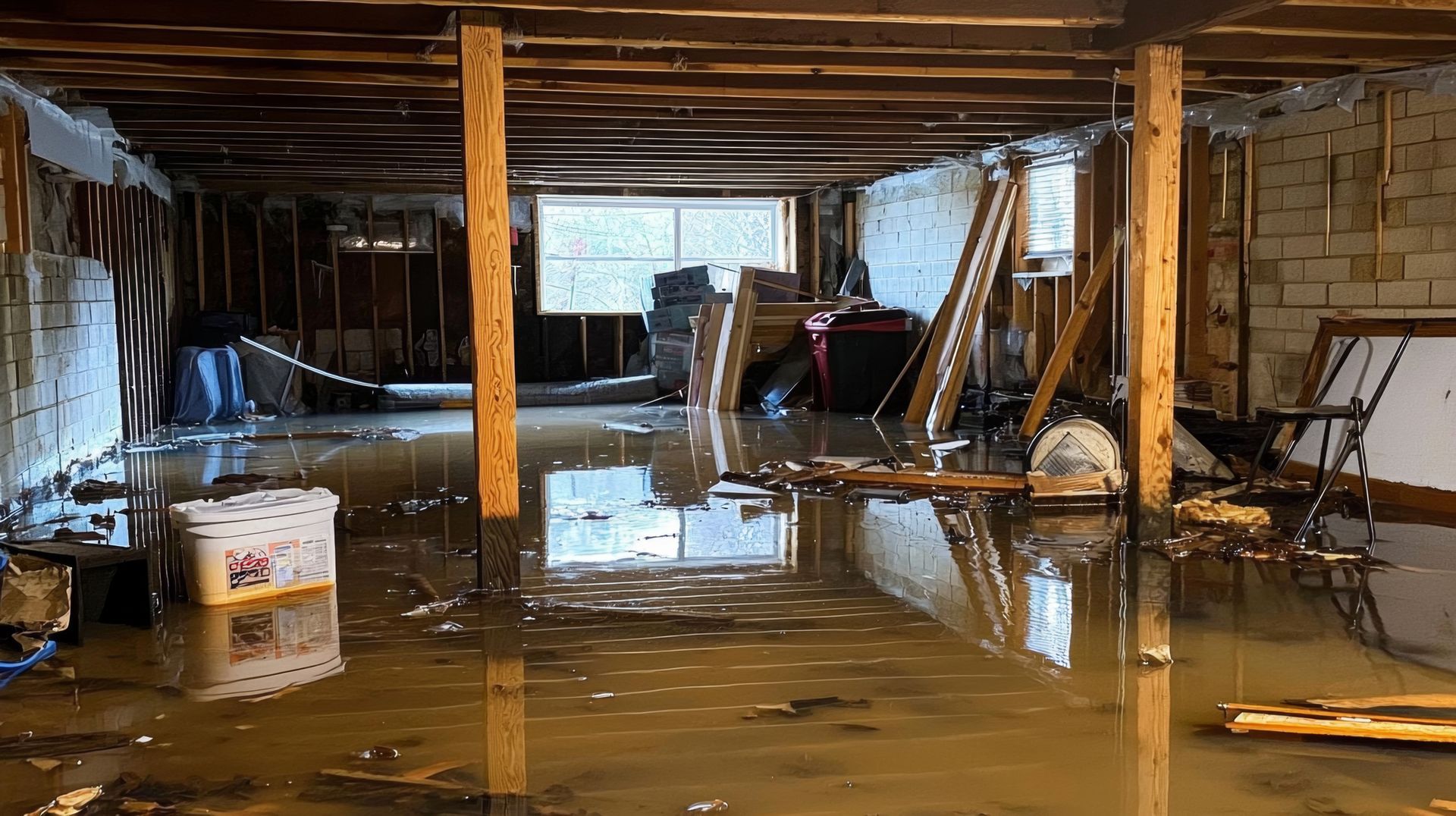
Flooded basement with murky water, support posts, and stored furniture and items partially submerged
By Flynn & Co. • September 24, 2026
Intense Northeast Ohio storms can overwhelm drainage systems and reveal weak points around Bedford foundations.
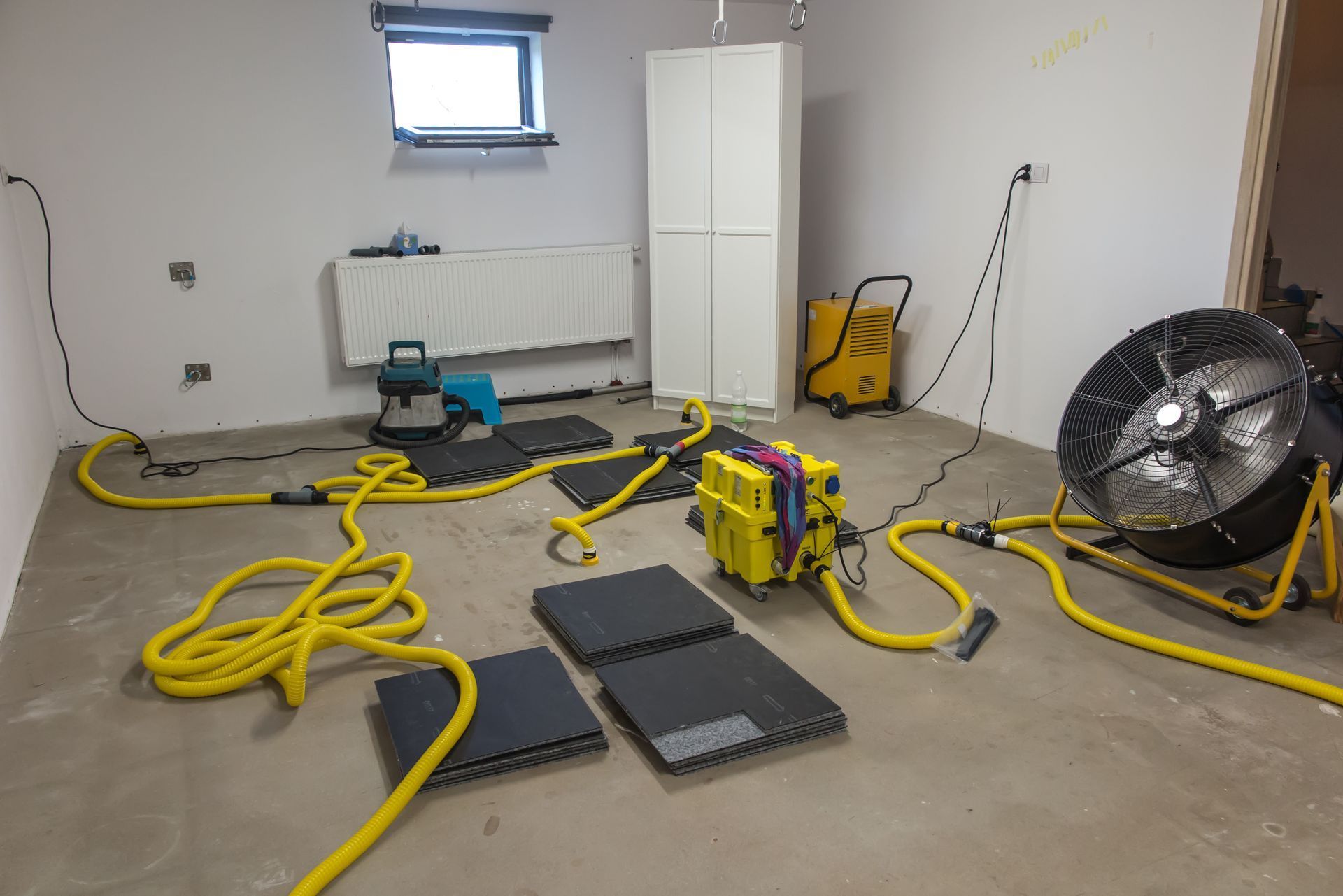
Workshop with yellow hoses, floor tools, cabinets, and a large fan in a bare room.
By Flynn & Co. • September 17, 2026
Water cleanup is only the first phase when drywall, insulation, flooring, cabinets, or framing cannot be restored.